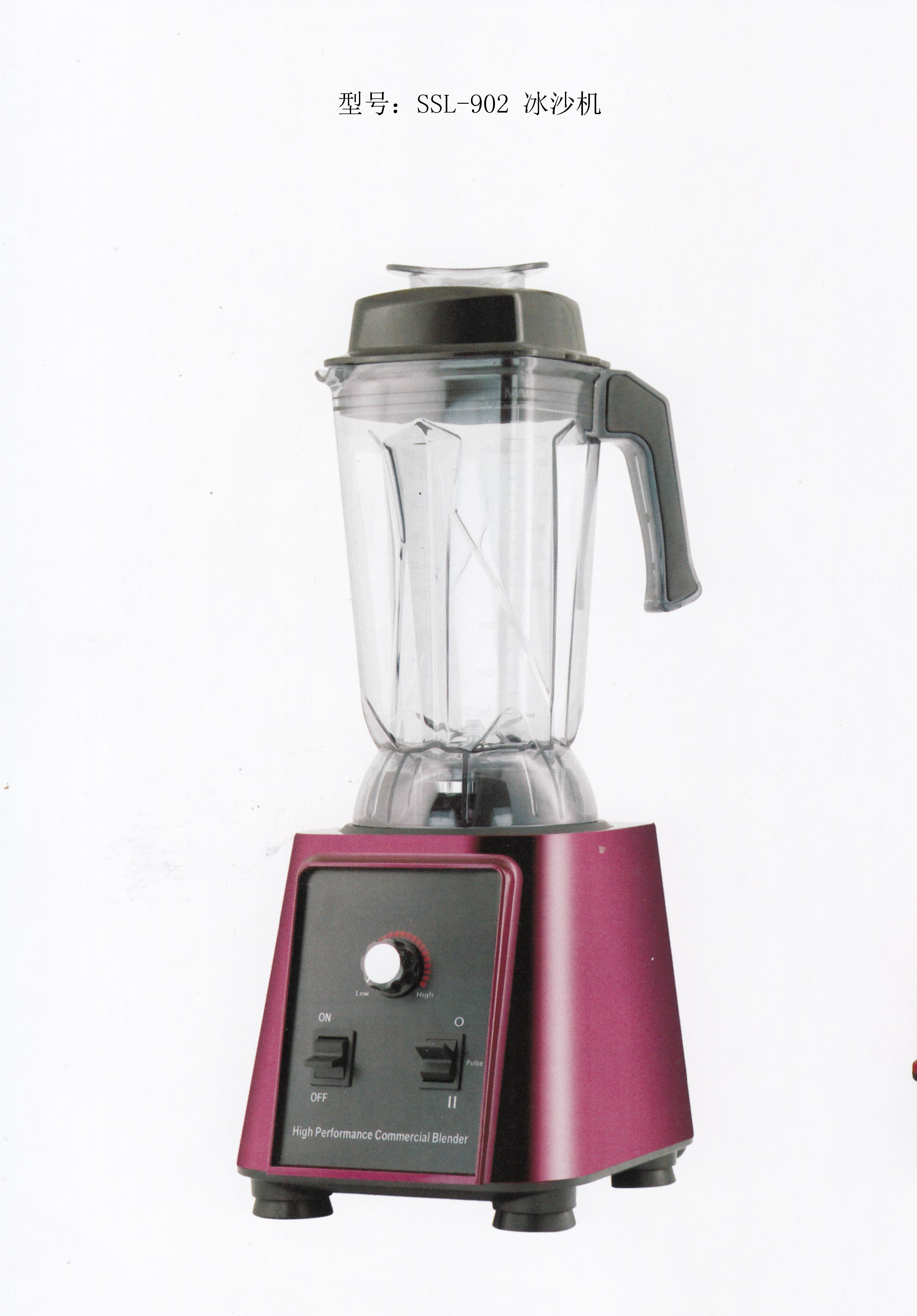
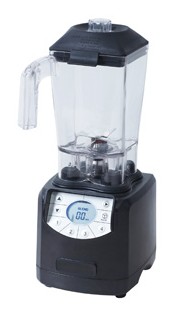
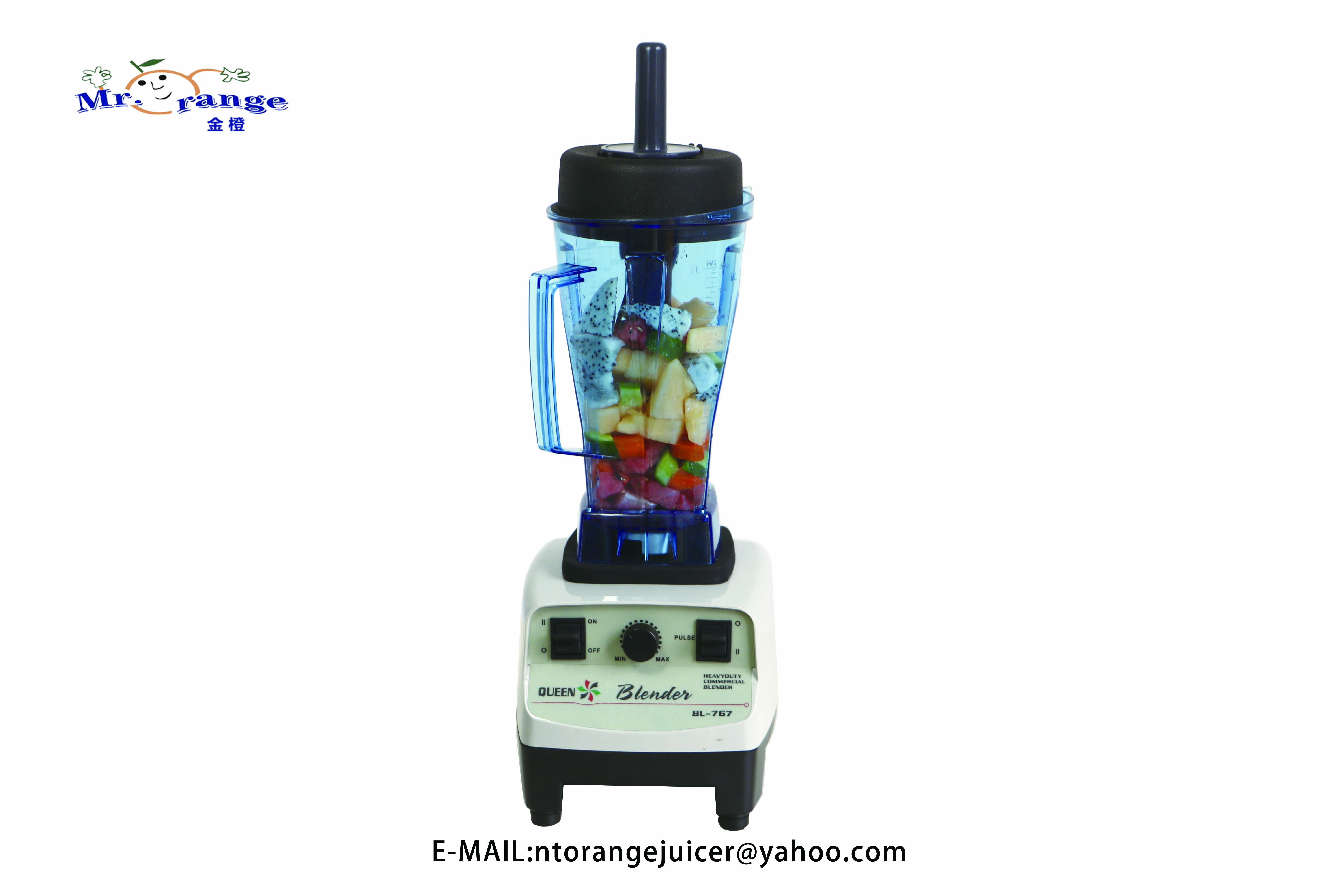
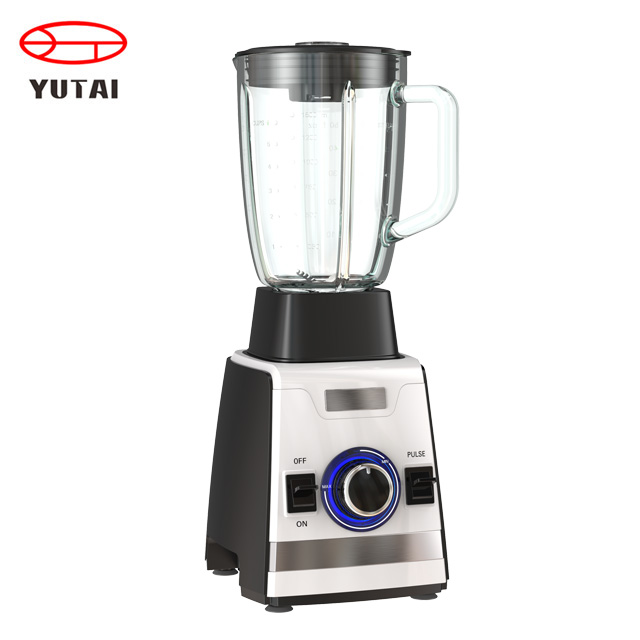
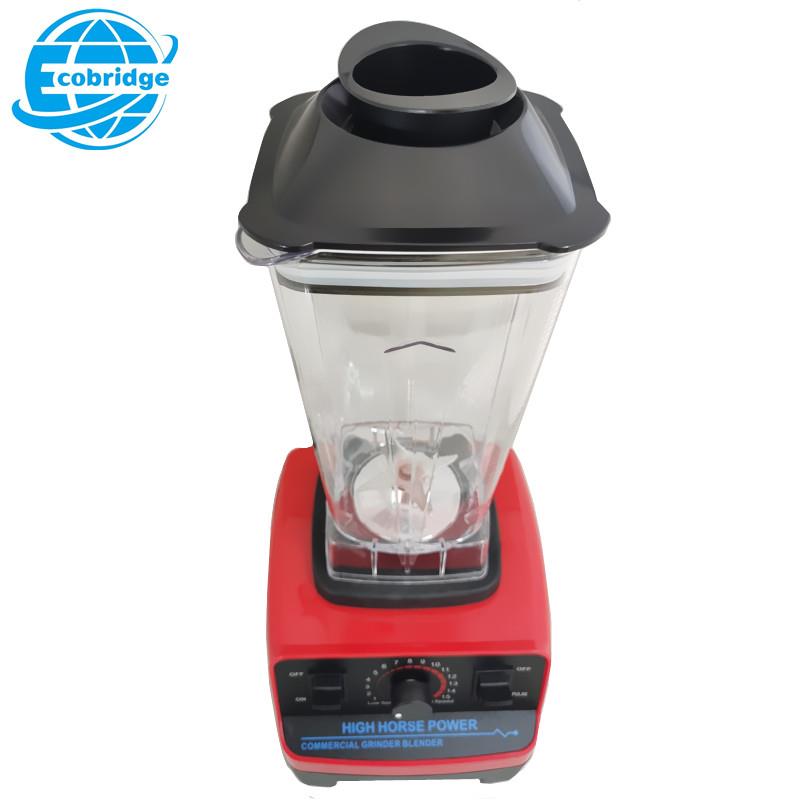
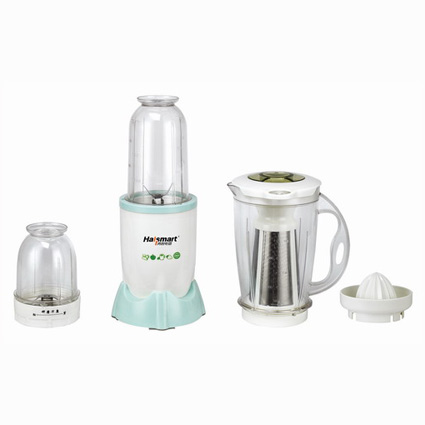
Commercial Blenders
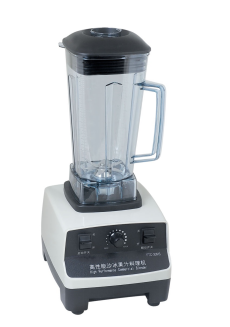
Source commercial blenders directly from vetted manufacturers and wholesale suppliers. Designed for importers, restaurant equipment distributors, and brands seeking OEM/ODM private-label production, this catalog features heavy-duty units built for continuous commercial use and strict regulatory compliance.
Sourcing commercial blenders at scale requires navigating a complex intersection of electrical safety, mechanical durability, and food-grade compliance. Unlike residential units, commercial blenders must withstand continuous duty cycles, crush ice or frozen fruit without motor burnout, and maintain structural integrity under intense vibration. The sourcing challenge lies in verifying that a manufacturer's "heavy-duty" claims translate to the factory floor—specifically in motor winding quality, bearing selection, and thermal management.
Core Specifications: Motors and Drive Systems
The heart of any commercial blender is its motor and drive assembly. When negotiating specifications with a factory, focus on actual continuous power and component materials rather than peak marketing metrics.
- Motor Winding: Insist on 100 percent copper motor windings. Some lower-tier factories substitute Copper-Clad Aluminum (CCA) to cut costs, which significantly reduces heat tolerance and shortens the motor's lifespan under heavy loads.
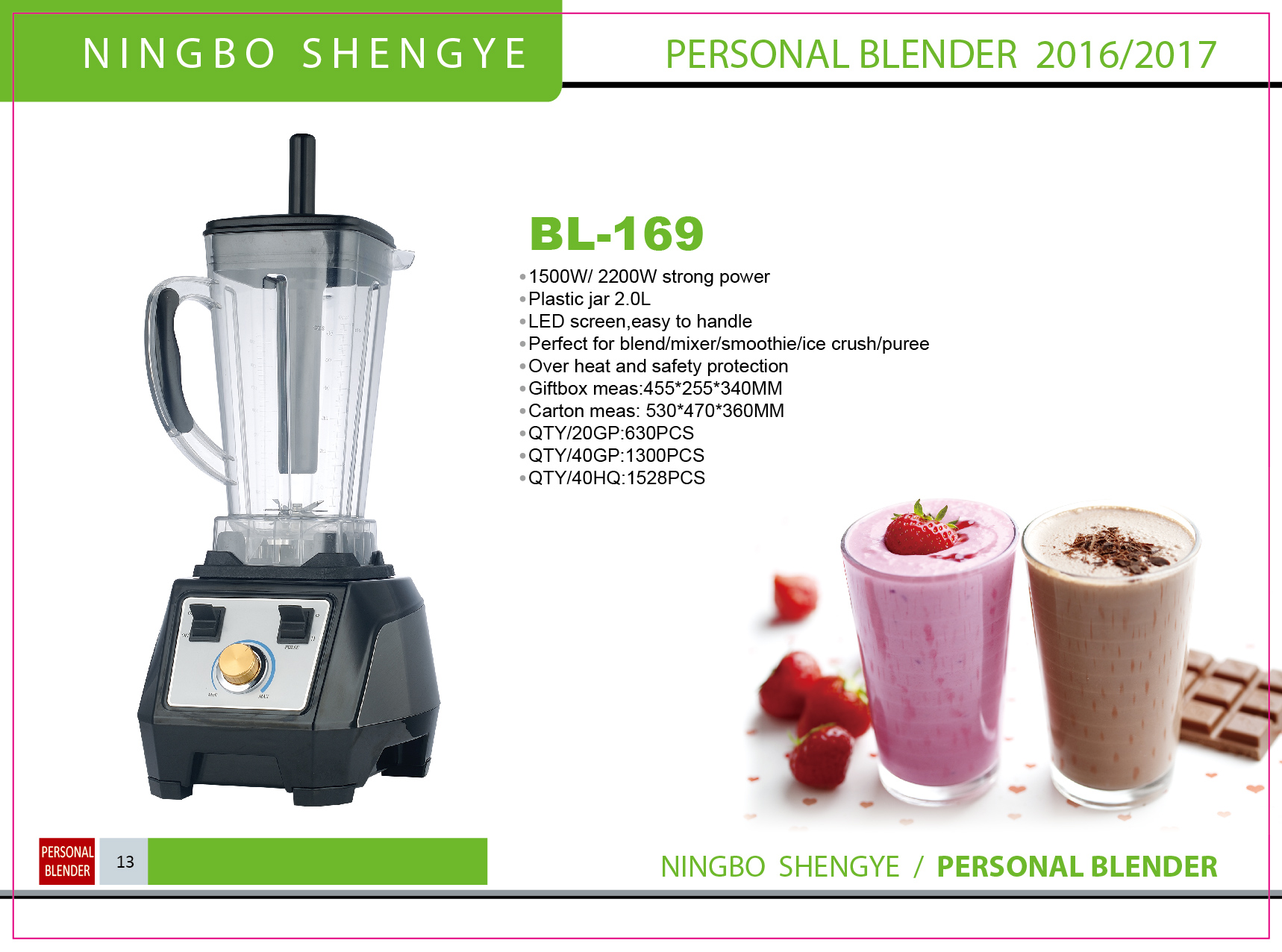
- True Wattage vs. Peak HP: Peak horsepower is a marketing metric (often calculated in the millisecond before a stalled motor burns out). Specify the continuous rated wattage, typically between 1500W and 2200W for standard commercial applications.
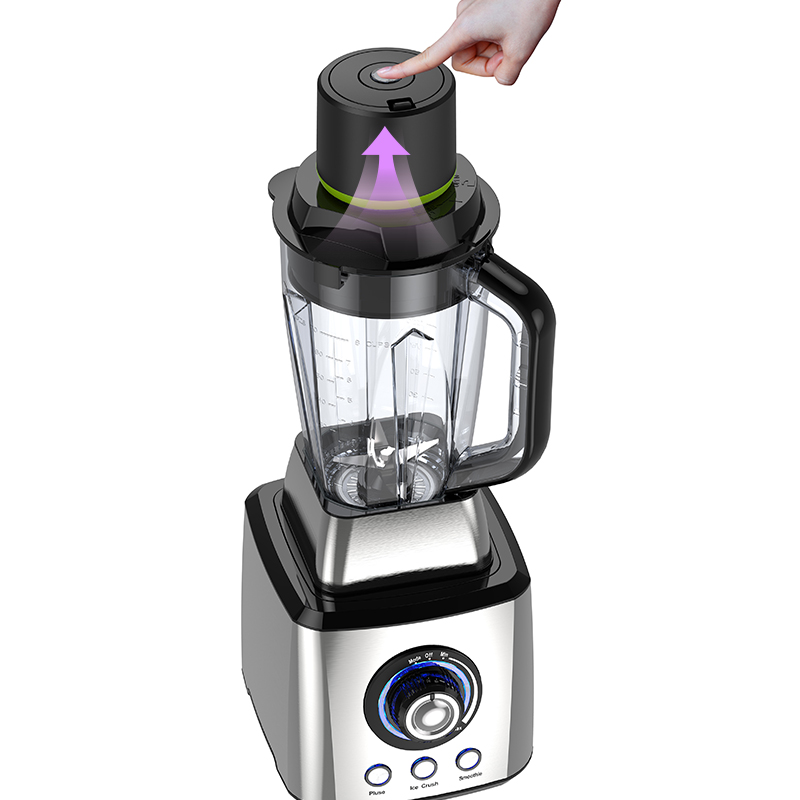
- Drive Sockets: The connection between the motor base and the jug must be full metal (usually a zinc alloy or stainless steel). Plastic or poly-blend drive sockets will strip rapidly under the torque of commercial ice blending.
Need to verify a factory's motor specifications? We conduct on-site supplier vetting to ensure you get the exact components you pay for.
Talk to our teamJug Materials and Blade Assemblies
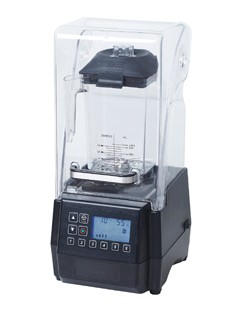
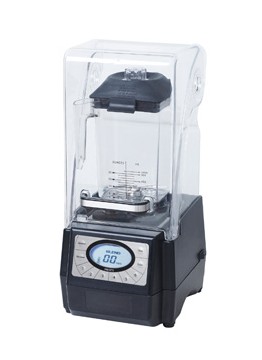
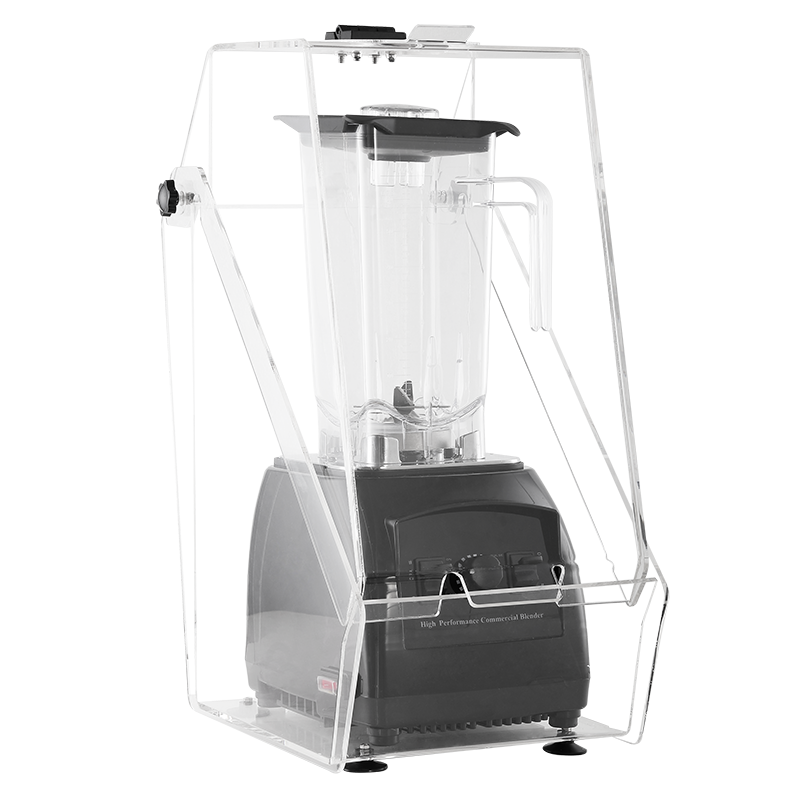
The blending jar and blade assembly dictate both the blending performance and the unit's compliance with food safety regulations. If you are developing a custom product line, utilizing OEM/ODM Services allows you to dictate these exact material specifications and even design custom sound enclosures.
| Material | Durability | Clarity | Cost & Use Case |
|---|---|---|---|
| Tritan (Copolyester) | Excellent impact resistance | High (Glass-like) | Premium; standard for BPA-free commercial units. |
| Polycarbonate (PC) | Very High | High | Lower cost; contains BPA, restricting use in some regions. |
| Stainless Steel | Indestructible | Zero visibility | Niche; high-volume prep kitchens where visibility isn't required. |
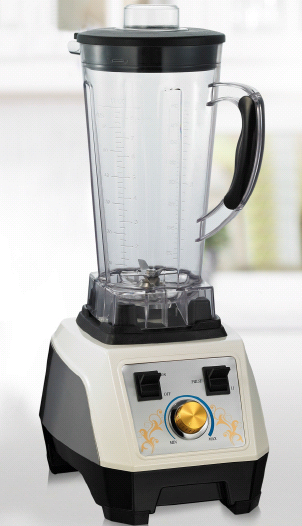
For the blade assembly, specify Japanese or German stainless steel (such as SUS420J2 or 304) and ensure the housing utilizes dual sealed bearings. Single-bearing or unsealed assemblies will quickly succumb to liquid ingress, leading to rust and bearing failure.
Managing Quality Control on the Factory Floor
A factory's sample might perform flawlessly, but mass production introduces variability. Poor assembly can lead to unbalanced blades, causing severe vibration that damages the drive socket and motor bearings over time. Implementing rigorous Quality Control & Inspection is critical before the units leave the facility.
Critical Pre-Shipment Inspection Checks
- Thermal Cutoff Verification: Run units under maximum load to ensure the thermal overload switch trips before motor damage occurs.
- Vibration and Balance Testing: Check for excessive chassis vibration indicating unbalanced blade assemblies.
- Leak Testing: Fill jugs with colored water and run at maximum RPM to check bearing seal integrity.
- Dielectric Withstand (Hi-Pot) Testing: Verify electrical insulation to prevent shock hazards.
- Sound Enclosure Efficacy: For quiet/stealth models, measure decibel reduction against a baseline standard.
Compliance and Certifications
Commercial blenders face strict regulatory hurdles because they combine high-voltage electronics with food contact surfaces. You must ensure the factory holds valid, verifiable test reports for your target market. Relying on outdated or fake certificates is a common pitfall.
- Food Contact: FDA (US) or LFGB (Europe) compliance for the jug, lid, and blade assembly.
- Electrical Safety: CE/RoHS for Europe; UL or ETL for North America.
- Sanitation: NSF certification is often a hard requirement for restaurant equipment distributors in the US.
We strongly recommend integrating independent Compliance & Testing into your sourcing process to verify that production units match the certified baseline.
Pricing Drivers, MOQs, and Lead Times
Understanding the baseline costs helps you negotiate effectively and spot factory quotes that are suspiciously low.
If your volume is high but spread across multiple SKU variations, managing the production schedule and consolidating shipments becomes a primary cost-saving lever.
Struggling to negotiate MOQs or consolidate shipments from multiple catering equipment suppliers? Let us streamline your procurement.
Get a free consultationFrequently Asked Questions
Successfully importing commercial blenders requires looking past the glossy exterior to scrutinize motor windings, bearing seals, and thermal protection. By dictating strict material specifications and enforcing rigorous in-line testing, you can secure equipment that withstands the demands of a commercial kitchen while protecting your brand's reputation.
Get Sourcing Help for Commercial Blenders
Tell us your requirements and our experts will connect you with verified manufacturers.