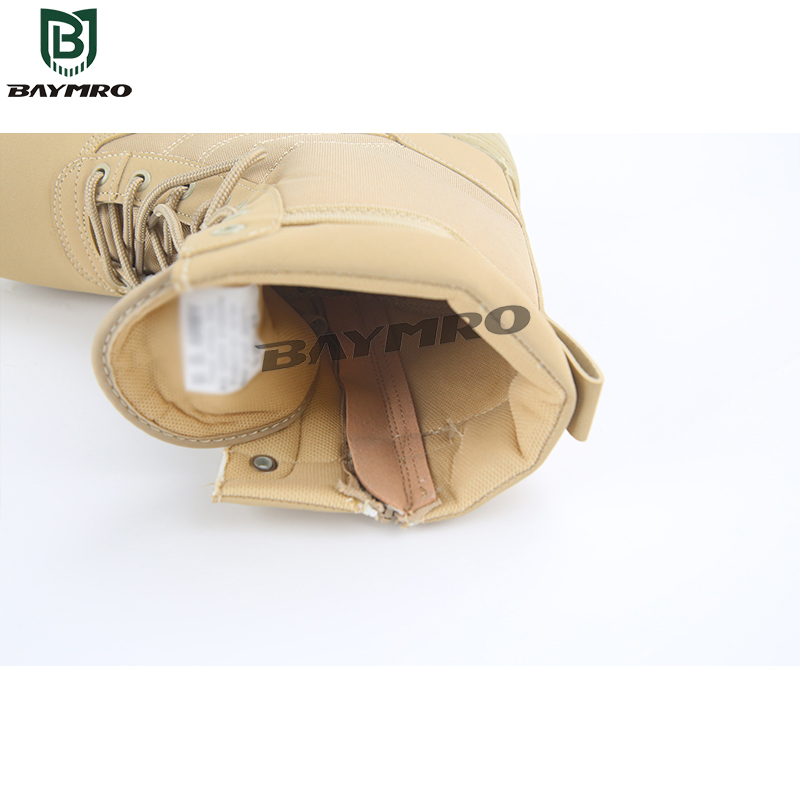
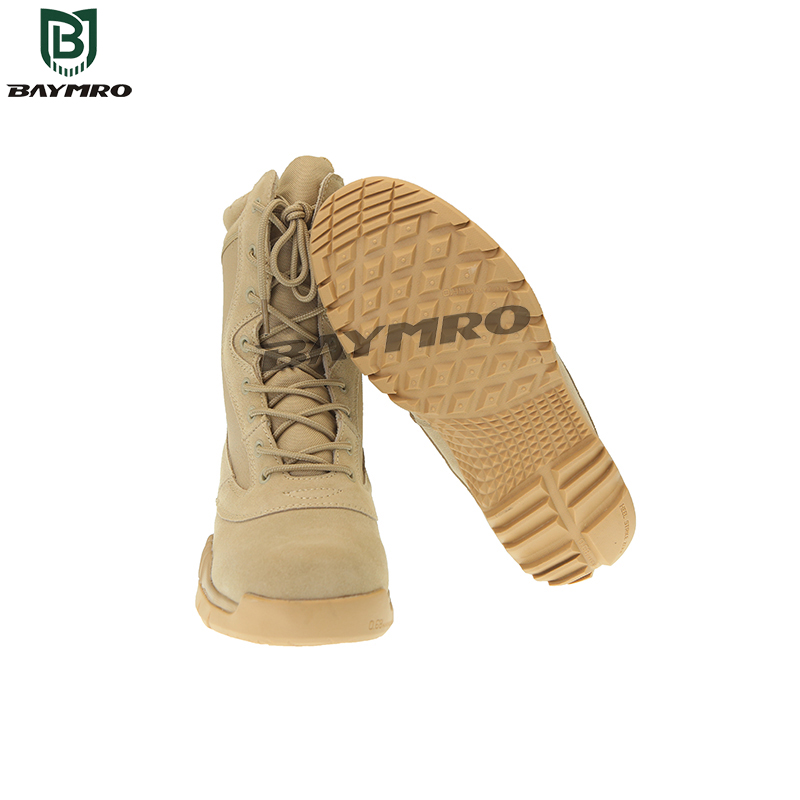
Combat Boots
Source bulk combat boots from vetted manufacturers and suppliers across Asia. This catalog is designed for importers, wholesalers, distributors, and footwear brands seeking reliable OEM and private-label production. Compare factory-direct pricing on durable, high-performance tactical and fashion combat footwear.
Sourcing combat boots at scale requires balancing durability, unit economics, and aesthetic requirements. Whether you are developing heavy-duty tactical footwear for uniform supply or fashion-forward combat styles for retail, success hinges on strict material specification and rigorous factory-level execution. Relying on a supplier's off-the-shelf samples without defining your own technical parameters often leads to inconsistent production runs and high defect rates.
Core Specifications and Construction Methods
The foundation of any combat boot lies in its upper materials, outsole composition, and the construction method binding them together. Buyers must specify these elements clearly in their tech packs to avoid factory-level material substitution.
- Upper Materials: Full-grain leather offers maximum durability and water resistance but drives up unit costs. For fashion-oriented or budget tactical lines, action leather (split leather with a polyurethane coating) or high-denier nylon (such as 1000D Cordura) provide cost-effective, breathable alternatives.
- Outsole Compounds: Standard rubber provides excellent abrasion and slip resistance. Thermoplastic rubber (TPR) is a common cost-saving alternative for fashion boots but lacks durability in extreme temperatures. Premium tactical boots often utilize a dual-density approach: an EVA midsole for shock absorption paired with a solid rubber outsole.
The method used to attach the upper to the outsole dictates the boot's lifespan, water resistance, and overall production cost.
| Construction Method | Durability | Water Resistance | Production Cost |
|---|---|---|---|
| Cemented (Glued) | Moderate | Moderate | Low |
| Goodyear Welt | Very High | High | High |
| Direct Injection (PU/Rubber) | High | Very High | Very High Setup |
Need help matching your target price point with the right construction method? We can analyze your tech pack and source capable footwear factories.
Talk to our teamQuality Control on the Factory Floor
Combat boots are complex assemblies with dozens of individual components. Minor variations during the lasting or stitching processes can ruin the fit or compromise the structural integrity of the boot. Implementing strict in-line and pre-shipment quality control is non-negotiable for footwear.
Pay close attention to stitching density. The standard specification is typically 8 to 10 stitches per inch (SPI). A lower SPI reduces manufacturing time but weakens the seam, while a higher SPI can perforate and weaken leather uppers.
Critical Footwear Inspection Points
- Sole Adhesion: Conduct pull tests to ensure the bonding strength meets your specified minimum (typically over 3.0 kg/cm).
- Lasting Symmetry: Verify that the toe box and heel counter are perfectly symmetrical and free of wrinkles.
- Hardware Integrity: Ensure eyelets, speed laces, and side zippers (if applicable) are securely anchored and corrosion-resistant.
- Waterproofing: For sealed boots, mandate dynamic flex testing submerged in water to verify membrane integrity.
If your boots are intended for occupational or uniform use, they may need to meet specific regulatory standards, such as EN ISO 20347 for occupational footwear. Navigating these requirements requires specialized compliance and testing protocols to ensure the final product clears customs and meets market expectations.
Pricing, MOQs, and Lead Times
Footwear manufacturing is highly volume-dependent. Minimum Order Quantities (MOQs) are primarily driven by the material suppliers (especially custom dyed leathers or fabrics) and the outsole molds.
If you are utilizing OEM/ODM services to develop a completely custom combat boot, you must account for tooling costs. Every shoe size requires its own outsole mold. To minimize upfront capital expenditure, many buyers opt for open-mold outsoles provided by the factory, focusing their customization efforts entirely on the upper design and hardware.
Managing footwear mold costs and production schedules is complex. Let us handle the factory negotiations and supply chain logistics for your next order.
Get a free consultationBefore committing to tooling or a bulk order, conducting thorough factory audits is critical to verify the supplier's actual production capacity, ethical compliance, and technical capabilities, rather than relying solely on their Alibaba profile or trade show booth.
Frequently Asked Questions
Successfully sourcing combat boots requires moving beyond visual approvals and digging into the exact material chemistry and construction techniques used on the assembly line. A comprehensive tech pack and an experienced sourcing partner on the ground can prevent costly missteps and ensure your footwear performs exactly as intended.
Get Sourcing Help for Combat Boots
Tell us your requirements and our experts will connect you with verified manufacturers.