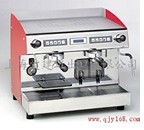
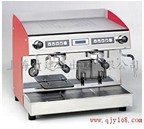
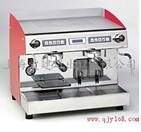
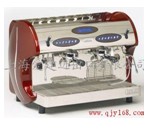
Coffee Making Equipment
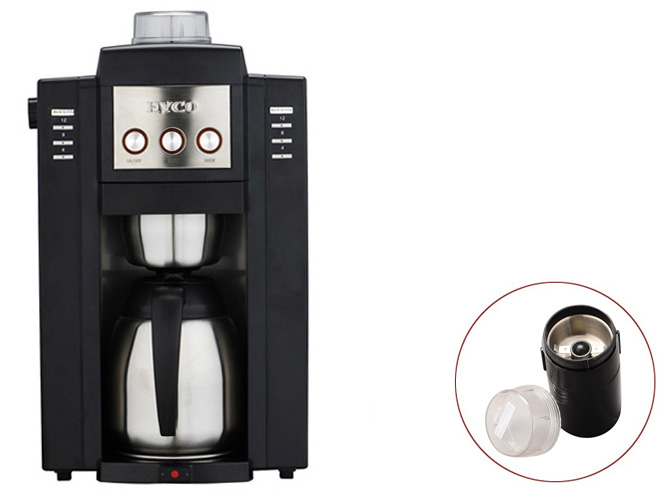
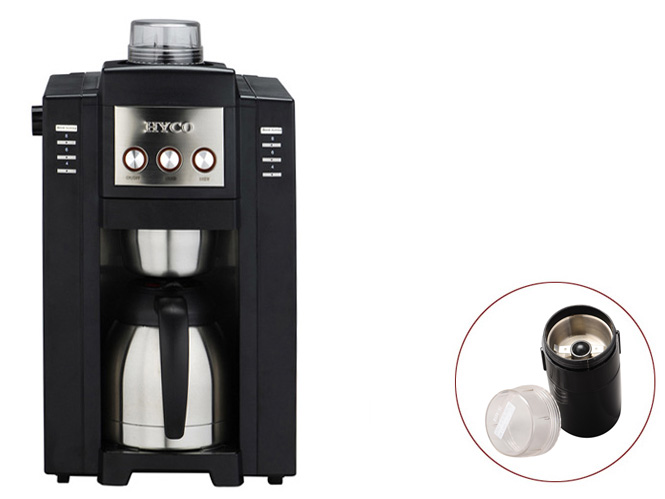
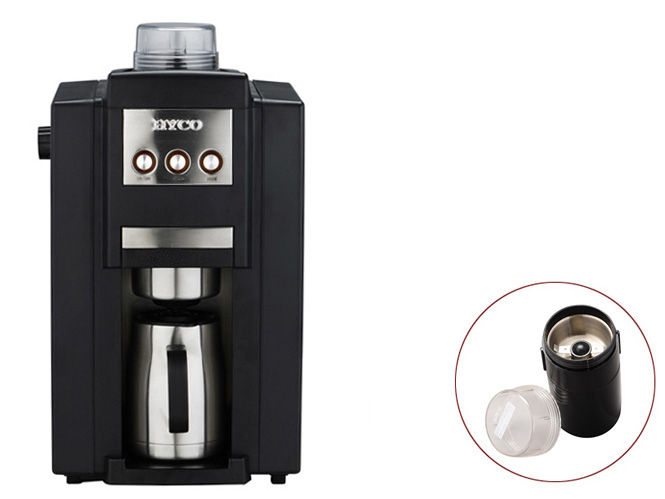
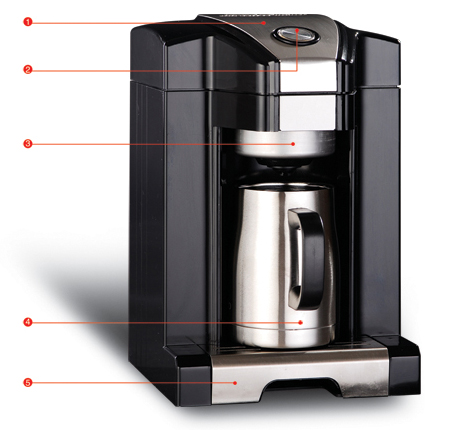
Source commercial coffee making equipment directly from vetted manufacturers and wholesale suppliers. Designed for importers, distributors, and brands seeking reliable OEM and private-label production, our network delivers high-performance machinery built for demanding hospitality and restaurant environments.
Sourcing commercial coffee making equipment requires balancing thermal stability, extraction precision, and heavy-duty durability. For buyers outfitting restaurant chains, hotel groups, or developing private-label equipment lines, navigating supplier capabilities means looking past cosmetic finishes. The true measure of a factory in primary production hubs like Guangdong and Zhejiang lies in their internal component sourcing, boiler welding standards, and rigorous electrical safety protocols.
Core Specifications and Component Selection
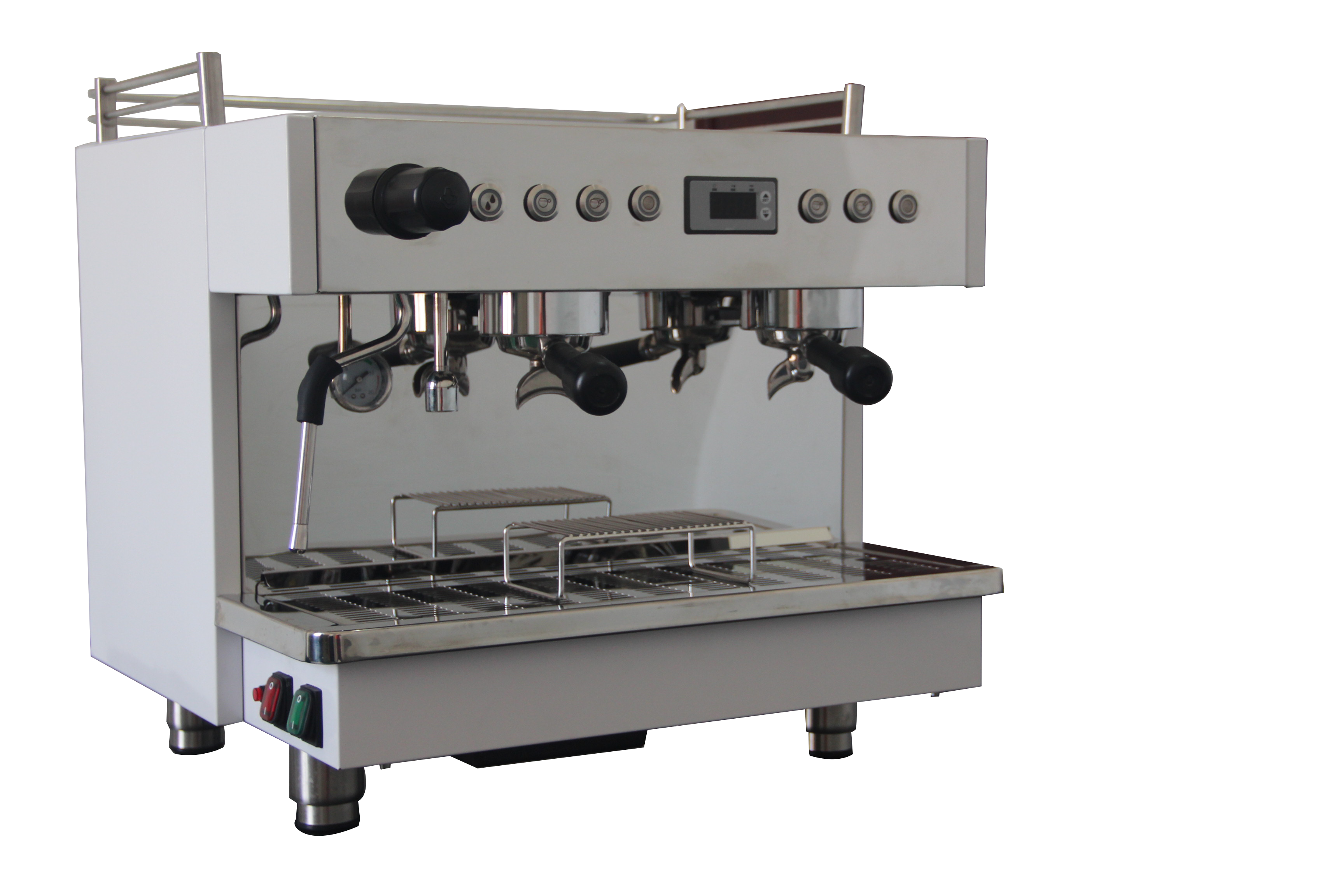
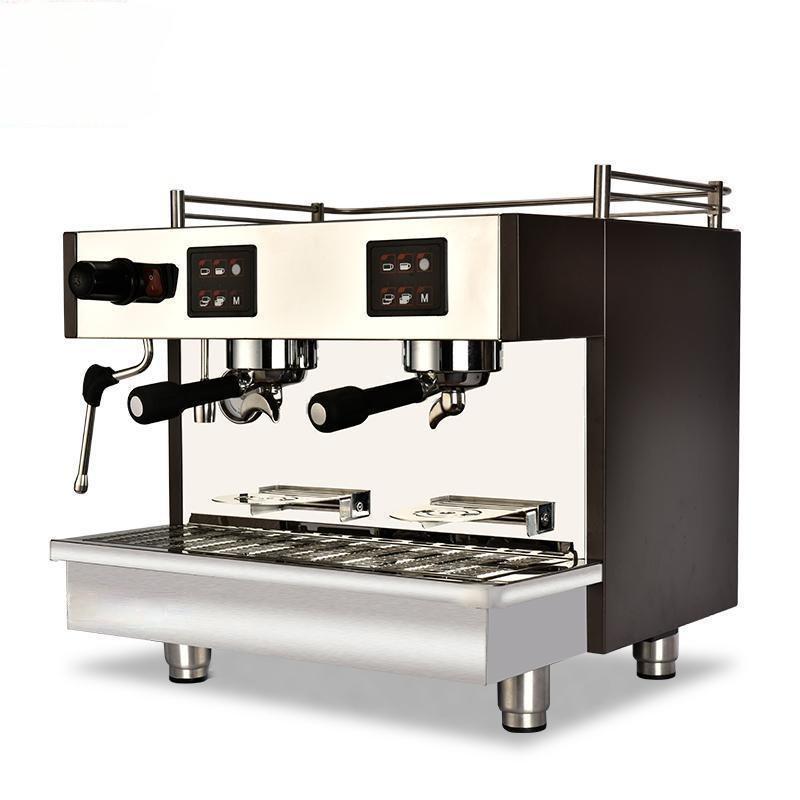
When negotiating with manufacturers, the internal architecture of the machine dictates its commercial viability. Buyers must clearly specify component origins and system designs, as these directly impact the machine's lifespan and performance in high-volume settings.
| Architecture | Thermal Stability | Ideal Commercial Application |
|---|---|---|
| Heat Exchanger (HX) | Moderate | Low-to-medium volume restaurants |
| Dual Boiler | High | High-volume specialty cafes |
| Multi-Boiler (Independent) | Exceptional | Precision-focused coffee franchises |
Beyond the boiler system, the pump is the heart of the equipment. Commercial applications demand rotary vane pumps over vibratory pumps due to their durability, quieter operation, and ability to maintain consistent 9-bar pressure. Many top-tier Chinese manufacturers will import specialized components—such as Italian-made rotary pumps or commercial-grade pressure stats—to assemble high-performance machines locally.
Need help verifying a manufacturer's engineering capabilities and component supply chain?
Talk to our teamManufacturing Tolerances and Quality Control
The primary failure points in commercial coffee machinery occur at the pressurized joints and electrical relays. Factories must utilize precise TIG welding for copper or stainless steel boilers to prevent micro-fractures under constant thermal expansion.
Implementing strict Quality Control & Inspection is non-negotiable. Pre-shipment inspections should focus on:
- Hydrostatic Pressure Testing: Ensuring boilers and internal piping can withstand pressures well above standard operating limits without leaking.
- Thermal Consistency Checks: Verifying that PID controllers maintain water temperature within a 1-degree Celsius variance during continuous extraction cycles.
- Electrical Safety: Conducting hi-pot (high potential) testing to ensure wiring insulation can handle commercial voltage requirements safely.
Furthermore, equipment bound for international markets must pass rigorous Compliance & Testing. Standard requirements include CE and RoHS for the European market, and UL and NSF certifications for the North American market. Factories claiming these certifications must provide verifiable test reports for the specific models you are purchasing.
Customization and OEM/ODM Strategies
For brands looking to establish their own line of equipment, manufacturers offer varying degrees of customization.
White-Label vs. Full Custom Development
Advantages
- White-Label: Faster time to market utilizing existing factory molds.
- White-Label: Lower initial tooling costs and lower MOQs.
- Full Custom (ODM): Complete control over internal layout and exterior chassis design.
- Full Custom (ODM): Unique market positioning and proprietary feature integration.
Disadvantages
- White-Label: Limited to cosmetic changes (color, logo, interface panels).
- White-Label: Higher risk of identical products under competing brands.
- Full Custom (ODM): High upfront costs for custom tooling and R&D.
- Full Custom (ODM): Extended lead times for prototyping and testing.
When utilizing OEM/ODM Services, ensure that the factory has an in-house R&D team capable of translating your industrial design into a manufacturable, compliant product.
Pricing, MOQs, and Production Realities
Cost structures in this category are heavily influenced by raw material prices (copper, stainless steel) and the origin of critical electronic components.
Note: MOQs can often be negotiated down for initial trial orders, though this usually incurs a slight per-unit price premium.
Compare baseline production costs and lead times for your next equipment order.
Get a free consultationFrequently Asked Questions
Successfully sourcing commercial coffee making equipment requires a deep understanding of thermal engineering and strict oversight of factory assembly practices. By partnering with manufacturers who prioritize component quality and rigorous testing, you can secure equipment that performs reliably in the most demanding commercial environments.
Get Sourcing Help for Coffee Making Equipment
Tell us your requirements and our experts will connect you with verified manufacturers.