Coffee Maker Parts
Source commercial-grade and consumer coffee maker parts from vetted suppliers and manufacturers across Asia. Designed for importers, appliance brands, and wholesale distributors looking for bulk procurement or OEM/ODM production. Secure reliable, high-volume supply chains with competitive wholesale pricing.
Sourcing replacement components or assembly parts for coffee machines requires balancing precise thermal dynamics, fluid pressure management, and strict food-safety compliance. Whether you are procuring thermoblocks for domestic espresso machines or commercial rotary pumps for café equipment, variations in material density, machining tolerances, and electronic calibration directly impact the final appliance's performance and lifespan.
Critical Specifications for Coffee Machine Components
When procuring parts for assembly or aftermarket distribution, the technical specifications must align exactly with the target machine's hydraulic and thermal architecture.
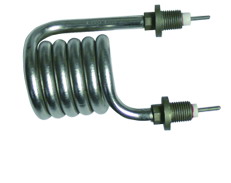
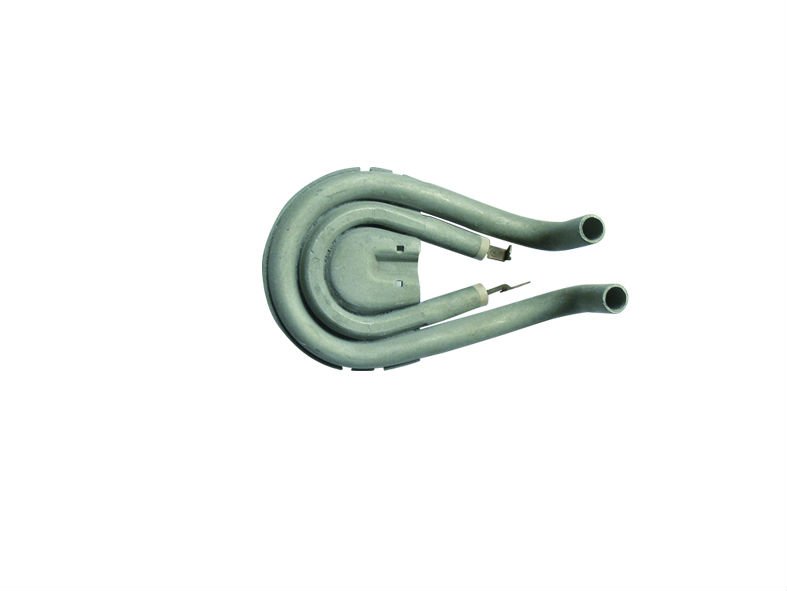
- Heating Elements (Thermoblocks & Boilers): The choice of material dictates thermal stability and scale resistance. Copper offers superior thermal conductivity but requires heavy plating to prevent oxidation. Aluminum thermoblocks are cost-effective and heat rapidly, though they require integrated stainless steel water channels to meet modern food safety standards.
- Water Pumps: Vibratory pumps (typically 15 to 19 bar) are standard for domestic units, relying on an oscillating armature. Commercial applications demand rotary vane pumps, which provide consistent volumetric flow at 9 bar regardless of the restriction in the puck.
- Solenoid Valves: 2-way and 3-way valves must be specified by their pressure rating (often up to 15 bar for espresso applications) and coil voltage. Standard materials include brass and stainless steel, with synthetic ruby or FKM seals for high-temperature resilience.
| Component Type | Typical Application | Key Sourcing Metric |
|---|---|---|
| Aluminum Thermoblocks | Domestic Espresso | Wattage density, internal channel lining |
| Vibratory Pumps | Consumer Machines | Max bar pressure, duty cycle rating |
| 3-Way Solenoid Valves | Prosumer / Commercial | Orifice size, maximum operating pressure |
Material Compliance
Any component contacting water or steam must comply with regional food contact material (FCM) regulations. Ensure your supplier can provide valid test reports for FDA (US) or LFGB (Europe) standards, particularly for silicone seals, PTFE tubing, and plated brass fittings. Navigating these requirements often requires dedicated Compliance & Testing oversight.
Manufacturing Tolerances and Quality Control
The primary failure points in coffee maker manufacturing occur at the intersection of high pressure, high heat, and water. A supplier's machining capabilities directly influence the longevity of valves and group heads. Poorly machined threads on a boiler fitting will inevitably lead to micro-leaks under thermal expansion.
Need to source complex, high-tolerance appliance components? Let our engineering and sourcing teams match you with vetted manufacturers capable of meeting your exact specifications.
Discuss your technical requirementsWhen auditing a factory's production line, pay close attention to their end-of-line testing protocols. Relying on a robust Quality Control & Inspection protocol is non-negotiable for pressurized hot-water systems.
Factory-Level QC Inspection Points
- Dielectric strength (hi-pot) testing for all heating elements and PCB assemblies.
- Hydrostatic pressure testing for boilers and thermoblocks (typically tested at 1.5x working pressure).
- Flow rate consistency checks for vibratory and rotary pumps.
- Visual inspection of internal water channels for machining burrs or plating defects.
- RoHS compliance verification for all electronic components and solders.
Wholesale Pricing, MOQs, and Lead Times
Pricing for coffee maker parts is heavily influenced by raw material commodity markets—specifically copper, brass, and stainless steel. Tooling costs also play a major role if you are developing custom components through OEM/ODM Services.
For custom injection-molded plastics (like water reservoirs or drip trays) or custom-cast group heads, expect MOQs to start higher, often around 5,000 units, to justify the production setup. Before committing to a large production run, verifying the manufacturer's financial stability and production capacity through rigorous Factory Audits is highly recommended to prevent supply chain disruptions.
Struggling with inconsistent component quality or high defect rates? We can help you transition to more capable, vetted manufacturers.
Get a sourcing assessmentFrequently Asked Questions
Procuring coffee maker parts at scale requires a deep understanding of thermal mechanics, fluid dynamics, and international safety standards. By partnering with manufacturers who possess the right machining capabilities and strict internal testing protocols, you can ensure your final product delivers consistent performance and reliability.
Get Sourcing Help for Coffee Maker Parts
Tell us your requirements and our experts will connect you with verified manufacturers.