Coffee Grinder Parts
Source premium coffee grinder parts from vetted Chinese and Asian manufacturers. Designed for importers, appliance brands, and wholesale distributors, this catalog features components ready for OEM/ODM integration or aftermarket distribution, ranging from precision-machined burrs to high-torque motors and food-grade hoppers.
Sourcing components for coffee grinders—whether for new OEM appliance assembly, commercial equipment repair, or aftermarket wholesale—requires strict control over precision machining and food-grade material compliance. A grinder’s performance is entirely dependent on component tolerances; misaligned burrs or underpowered motors immediately degrade the final product's grind consistency and lifespan.
Critical Component Specifications
When defining your bill of materials (BOM) or wholesale purchasing requirements, component specifications must align with the target tier of the final appliance (entry-level home, prosumer, or commercial).
Precision Burrs (Flat and Conical)
The burr set is the most critical and heavily scrutinized component. Buyers must specify the outer diameter (typically 38mm to 83mm), cutting geometry, and material hardness. High-carbon steel and martensitic stainless steel (like 420 or 440C) are standard, requiring a Rockwell Hardness (HRC) of 55 to 65 for longevity.
| Material | Typical Application | Key Characteristics |
|---|---|---|
| Ceramic | Entry-level home, manual grinders | Low heat transfer, rust-proof, but prone to chipping |
| Stainless Steel (420/440C) | Prosumer, commercial | High sharpness, durable, HRC 58-62 standard |
| Titanium-Coated Steel | High-volume commercial | Extended lifespan (often over 1,000kg throughput), low friction |
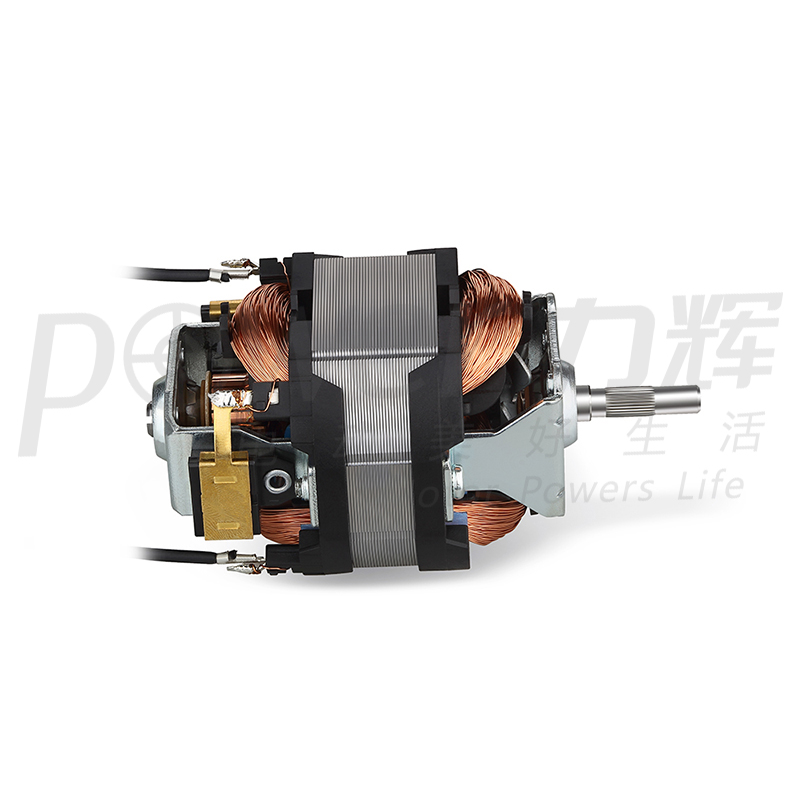
Motors and Drivetrains
For electric grinder components, motor selection dictates the torque, RPM, and heat generation.
- DC Motors: Common in home and prosumer models for their compact size and variable speed capabilities.
- AC Induction Motors: Required for commercial units where continuous duty cycles and high torque at lower RPMs are necessary to prevent the beans from overheating.
- Gearboxes: For low-RPM conical grinders, planetary gear reduction systems must utilize hardened steel gears rather than POM (polyoxymethylene) plastics to avoid premature stripping under load.
Hoppers and Dosing Chambers
Plastics in direct contact with coffee beans must meet stringent food safety regulations. While standard Polycarbonate (PC) is durable and cost-effective, premium brands increasingly specify Tritan or AS (Acrylonitrile Styrene) to guarantee BPA-free compliance for North American and European markets.
Struggling to find a manufacturer capable of meeting strict CNC tolerances for custom burr geometries? Let us connect you with vetted precision machining facilities.
Talk to our teamManufacturing Tolerances and Quality Control
The primary failure point in grinder manufacturing is the lack of concentricity between the motor shaft, the burr carrier, and the burrs themselves. A deviation of even 0.05mm can result in an inconsistent grind distribution, rendering the grinder useless for espresso applications.
Implementing rigorous Quality Control & Inspection protocols at the factory level is non-negotiable.
Essential In-Line Inspection Checks
- Burr alignment and shaft runout testing (must be under 0.05mm deviation).
- Motor load and thermal cutoff testing under simulated grinding resistance.
- Material composition verification (spectrometer testing for steel grades).
- Drop and stress testing for injection-molded hoppers and adjustment collars.
- Verification of food-contact certifications (LFGB, FDA) for all plastics.
If you are developing proprietary burr geometries or custom adjustment mechanisms, working with a partner experienced in OEM/ODM Services ensures your intellectual property is protected and that the factory has the multi-axis CNC capabilities required for your designs.
MOQs, Lead Times, and Pricing Dynamics
Component pricing is highly sensitive to raw material costs (particularly stainless steel and copper for motors) and the precision of the manufacturing process.
Suppliers specializing in high-end components often operate out of specialized industrial clusters in Guangdong and Zhejiang provinces. Because grinder parts span multiple manufacturing disciplines (CNC machining, plastic injection molding, electronics assembly), thorough Factory Audits are essential to verify whether a supplier is a true manufacturer of the specific component or merely an assembler outsourcing the critical parts.
Need to consolidate components from multiple specialized factories? We handle supplier coordination, quality verification, and consolidated shipping for your supply chain.
Get a free consultationFrequently Asked Questions
Sourcing reliable coffee grinder parts means balancing tight machining tolerances with strict food-safety compliance. By defining your specifications clearly and enforcing rigorous inspection standards before shipment, you can secure components that elevate the performance of your final product.
Get Sourcing Help for Coffee Grinder Parts
Tell us your requirements and our experts will connect you with verified manufacturers.