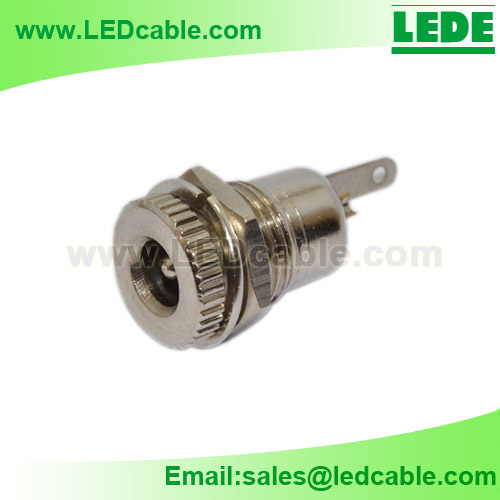
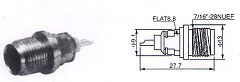
Coaxial Connectors (RF)
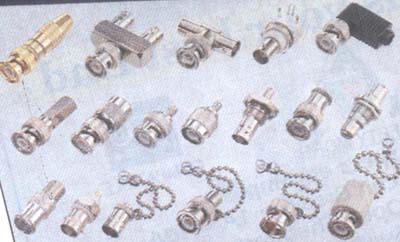
Source high-performance Coaxial Connectors (RF) directly from vetted manufacturers and wholesale suppliers in Asia. Designed for electronics importers, telecommunications distributors, and brands requiring OEM production, our network delivers reliable, bulk-volume RF components built to precise impedance and frequency specifications.
Sourcing RF coaxial connectors at scale requires balancing unit cost with uncompromising signal integrity. A microscopic deviation in the center pin machining, an inconsistent plating bath, or a compromised PTFE dielectric can ruin the Voltage Standing Wave Ratio (VSWR) across an entire production batch, leading to catastrophic signal loss in the final application.
Specifying RF Connectors for Volume Production
When moving from a prototype to a bulk purchase, the bill of materials must be locked down with absolute precision. Relying on a supplier's "standard" specification often leads to substituting premium materials with cheaper alternatives that perform poorly at higher frequencies.
Material Selection and Signal Integrity
The mechanical and electrical performance of an RF connector is dictated by its base metals, plating, and dielectric material. For frequencies under 6 GHz, brass bodies are standard. As you push past 18 GHz into millimeter-wave applications, passivated stainless steel becomes mandatory for mechanical stability and tight tolerances.
| Component | Standard Commercial (Under 6 GHz) | High-Frequency (Over 18 GHz) |
|---|---|---|
| Body Material | Brass (Nickel or Tri-metal plated) | Passivated Stainless Steel |
| Center Contact | Brass or Phosphor Bronze | Beryllium Copper (BeCu) |
| Dielectric | Standard PTFE (Teflon) | High-grade PTFE, PEEK, or Air |
| Contact Plating | Flash Gold (1-3 micro-inches) | Hard Gold (15-50 micro-inches) |
The center contact material is particularly critical. Beryllium Copper (BeCu) offers superior spring properties and fatigue resistance compared to standard brass, ensuring reliable mating cycles without permanently deforming the female socket.
Where Factories Cut Costs: Plating and Machining
The most common point of failure in imported coaxial connectors is the plating. Gold plating provides excellent conductivity and corrosion resistance, but it is expensive. Less scrupulous factories will use "flash gold"—a microscopic layer that looks correct but wears off after a handful of mating cycles, exposing the nickel underplate and degrading RF performance through passive intermodulation (PIM).
The Nickel Underplate Issue
While nickel is a common underplate for gold, it is magnetic. In sensitive RF applications, magnetic materials can introduce passive intermodulation (PIM). For low-PIM requirements, specify a non-magnetic underplate like White Bronze (Tri-metal) or silver.
Machining tolerances are equally vital. The characteristic impedance (50 ohm or 75 ohm) is determined by the ratio of the inner conductor's outer diameter to the outer conductor's inner diameter, alongside the dielectric constant. A CNC machining error of just 0.02mm can cause a significant impedance mismatch. This is why conducting rigorous factory audits to verify a supplier's CNC capabilities and tool calibration routines is essential before placing volume orders.
Avoid costly signal integrity issues. We vet RF connector manufacturers for precision CNC machining, verified plating thickness, and strict quality management.
Talk to our teamQuality Assurance in Mass Production
You cannot verify an RF connector's performance visually. Proper quality control requires specialized testing equipment on the factory floor.
Essential Factory QC Checks for RF Connectors
- Vector Network Analyzer (VNA) testing for VSWR and Insertion Loss across the specified frequency band.
- X-ray Fluorescence (XRF) testing to verify gold plating thickness in micro-inches.
- Contact resistance testing (inner and outer conductors).
- Dielectric Withstanding Voltage (DWV) testing to ensure proper insulation.
- Salt spray testing (typically 48 to 96 hours) to verify corrosion resistance.
If you are developing custom enclosures or proprietary interfaces, utilizing OEM/ODM services allows you to dictate these exact testing parameters and tolerances directly into the manufacturing agreement.
Pricing Drivers, MOQs, and Lead Times
Pricing for coaxial connectors fluctuates heavily based on the spot price of copper and gold, as well as the complexity of the CNC machining required.
Custom tooling for a unique connector body or specialized mounting flange will typically add 15 to 25 days to the initial lead time and require a tooling fee, though this is often amortized or refunded over high-volume orders.
Need to lock in pricing and lead times for a custom RF connector run? Let our sourcing experts negotiate the right terms with capable manufacturers.
Get a free consultationFrequently Asked Questions
Securing reliable RF coaxial connectors requires technical vigilance at every stage of the supply chain, from verifying CNC tolerances to auditing plating baths. Partnering with experienced sourcing professionals ensures your specifications translate into consistent, high-yield production runs.
Get Sourcing Help for Coaxial Connectors (RF)
Tell us your requirements and our experts will connect you with verified manufacturers.