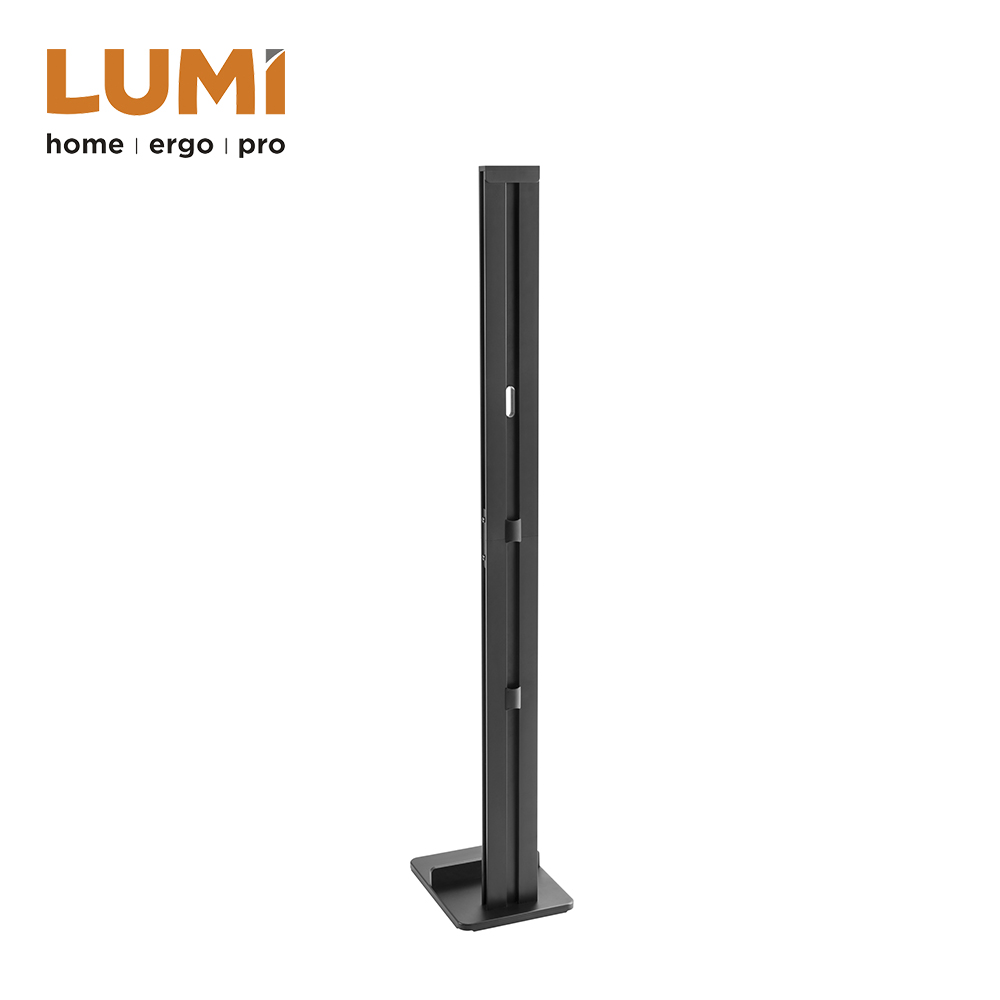
Coat Stands
Source premium Coat Stands from vetted manufacturers and suppliers across Asia. Designed for importers, wholesalers, and furniture brands seeking reliable OEM and private-label production, our network delivers high-volume orders with strict quality control and optimized flat-pack logistics.
Sourcing coat stands at volume requires balancing aesthetic finish with structural stability and flat-pack shipping efficiency. While they appear to be simple furniture items, a poorly designed base, inadequate material thickness, or substandard joint threading quickly leads to tip-overs, high return rates, and damaged brand reputation. Success in this category demands precise specifications and rigorous oversight on the factory floor.
Key Specifications and Material Tolerances
Whether you are sourcing solid wood, metal, or hybrid designs, specifying the correct material grades is the foundation of a durable product. Do not rely on a factory's default "standard" materials without verification.
- Metal Tube Thickness: For steel or aluminum stands, wall thickness dictates load-bearing capacity. Budget consumer grades often use 0.6mm to 0.8mm tubing, which is prone to bending. Commercial or premium retail stands require 1.0mm to 1.2mm thickness for rigidity under heavy winter coats.
- Wood Moisture Content: For solid wood components (ash, beech, rubberwood), moisture content must be strictly controlled between 8% and 12%. Anything higher risks cracking, warping, or mold development during ocean transit.
- Base Weighting: The base is the most critical engineering point. Weighted bases often utilize internal concrete or cast iron hidden beneath a decorative cover. The weight must be proportionate to the height and hook extension to prevent tipping.
| Material Profile | Common Applications | Key Sourcing Considerations |
|---|---|---|
| Powder-Coated Steel | Modern, industrial, office environments | Check weld clean-up, tube thickness, and powder coat adhesion (cross-cut test). |
| Solid Wood (Turned) | Premium retail, residential, hospitality | Verify FSC certification if required, strict moisture control, and joint hardware quality. |
| Hybrid (Metal & Marble/Wood) | High-end contemporary design | Base-to-pole connection strength, packaging protection for fragile marble bases. |
Ensure your manufacturer is using the right material grades and structural designs before production begins.
Talk to our teamManufacturing and Quality Control Checkpoints
The manufacturing process involves tube bending, welding, and surface finishing for metal, or CNC turning and varnishing for wood. Quality is typically won or lost in the finishing stages and the hardware used for assembly.
Implementing strict pre-shipment inspection is non-negotiable. Inspectors should focus on structural integrity and cosmetic consistency.
Critical QC Checkpoints for Coat Stands
- Incline Stability Test: The fully assembled stand must not tip over when placed on a 10-degree incline, even with simulated uneven loading.
- Hardware and Threading: Verify that threaded inserts are brass or steel, not plastic. Cross-threading during consumer assembly is a primary cause of returns.
- Coating Adhesion: Perform a cross-cut test on painted or powder-coated metal parts to ensure the finish will not flake off under daily use.
- Joint Tolerances: Ensure seamless alignment where multi-part central poles screw together. Gaps or wobbles indicate poor machining.
- Packaging Drop Test: Essential for items with heavy bases (like marble or concrete) to ensure EPS foam or honeycomb cardboard provides adequate transit protection.
OEM/ODM and Flat-Pack Optimization
For brands developing custom lines, utilizing OEM/ODM services allows for unique hook configurations, proprietary finishes, and custom base designs. When developing a new model, packaging engineering is just as important as the product design.
Coat stands are inherently bulky if fully assembled. A Knock-Down (KD) flat-pack design is mandatory for freight efficiency. The challenge is ensuring that the KD design does not compromise the final assembled rigidity. Work with the factory to optimize the carton dimensions to maximize container utilization, which directly impacts your landed cost per unit.
Typical MOQs, Pricing, and Lead Times
Pricing in this category fluctuates based on raw material costs (steel, solid wood) and the complexity of the base. Before committing to a high-volume order, conducting thorough factory audits ensures the supplier has the actual capacity, metalworking machinery, and finishing equipment they claim.
Navigate pricing negotiations and supplier vetting with experienced sourcing professionals on the ground.
Get a free consultationFrequently Asked Questions
Successfully sourcing coat stands means looking past the initial aesthetic design and scrutinizing the engineering of the joints, the weight distribution of the base, and the durability of the finish. By locking down material tolerances and packaging dimensions early in the sourcing process, you protect your margins and ensure a high-quality product for your end users.
Get Sourcing Help for Coat Stands
Tell us your requirements and our experts will connect you with verified manufacturers.