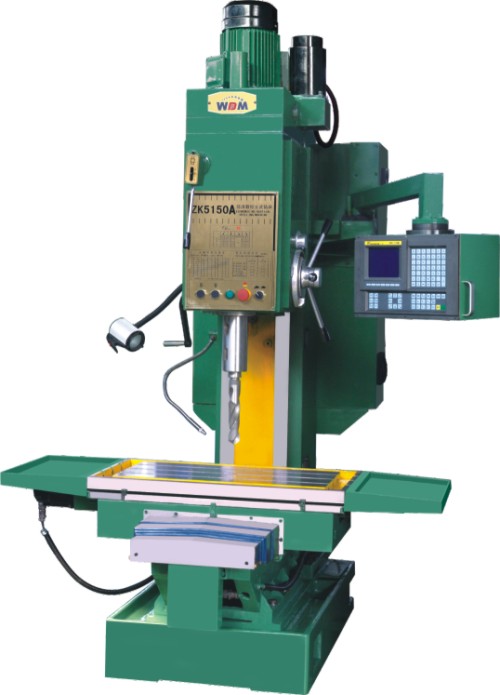
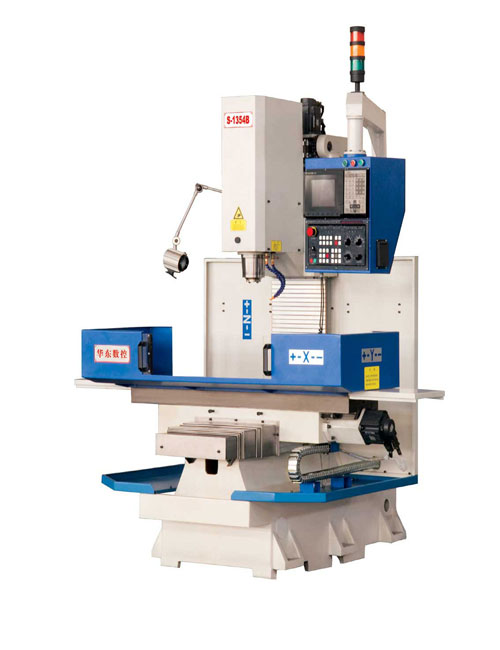
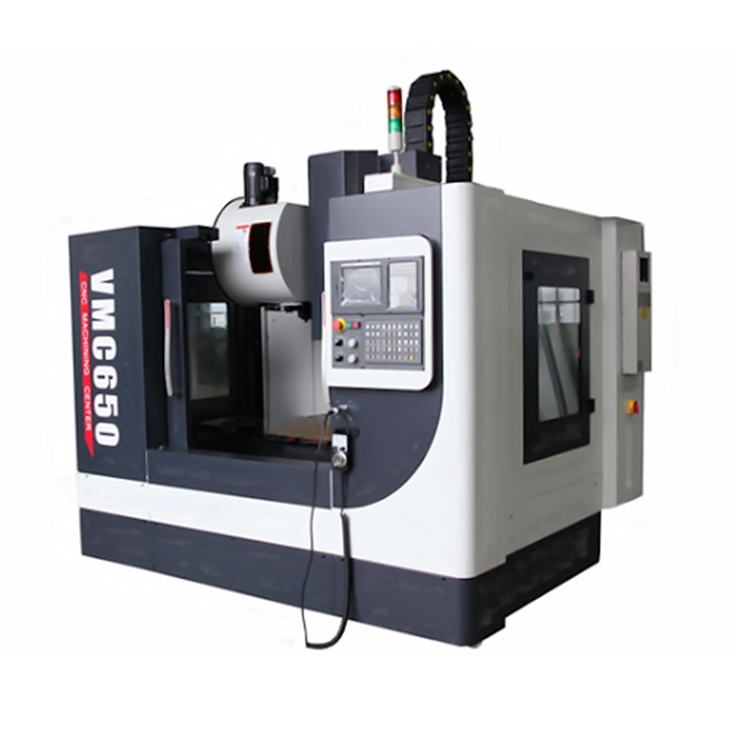
CNC Milling Machines
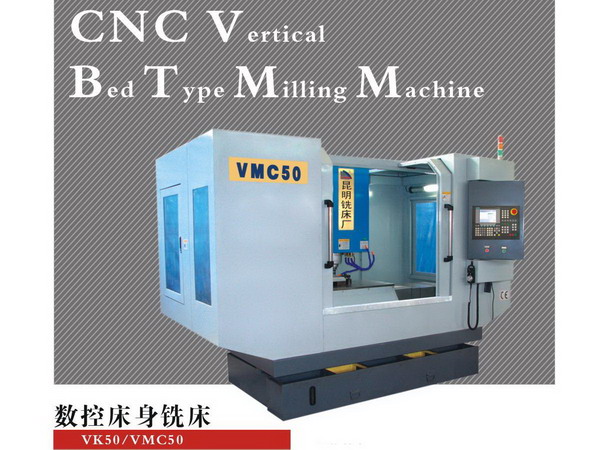
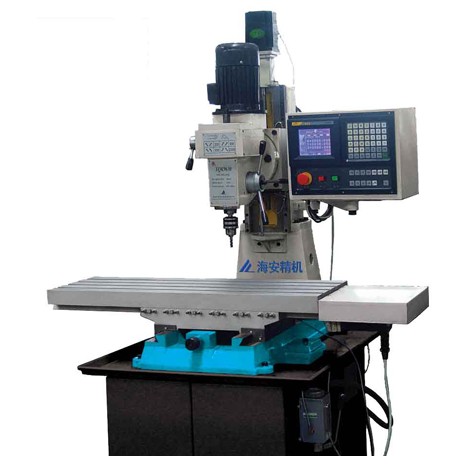
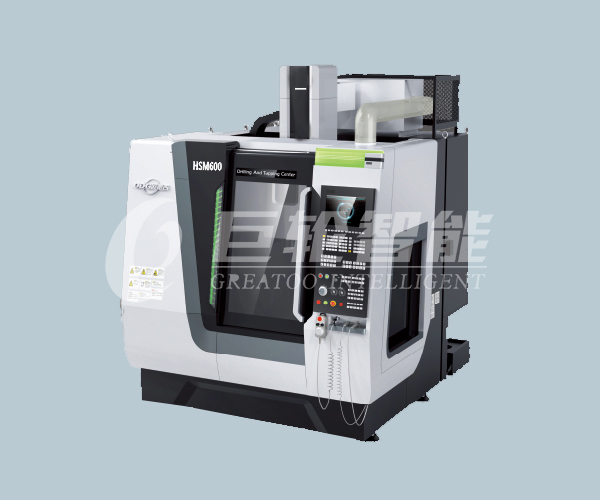
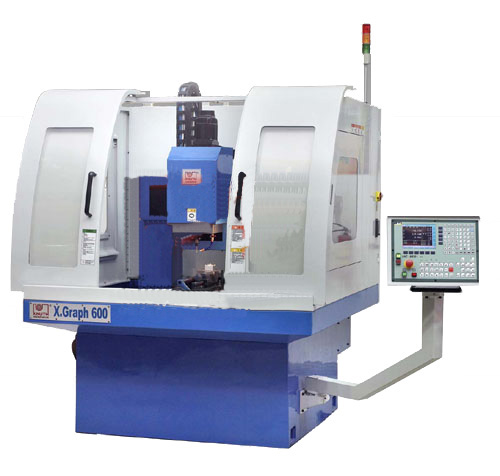
Source high-performance CNC milling machines from vetted manufacturers and suppliers across Asia. Designed for industrial distributors, machine tool wholesalers, and procurement managers, our network provides precision 3-axis to 5-axis equipment for bulk import, custom OEM configurations, and reliable high-volume industrial supply.
Sourcing CNC milling machines requires navigating a complex landscape of component integrators and true primary manufacturers. The difference between a machine that holds tight tolerances over a decade and one that suffers from premature spindle wear lies in the structural casting, the tier of internal components, and the rigor of the factory's assembly and alignment processes. For importers and distributors, verifying these factors at the source is critical to ensuring reliable performance and minimizing post-sale support liabilities.
Specifying the Core Architecture
When negotiating with overseas manufacturers, clear technical specifications prevent costly misunderstandings. Chinese and Taiwanese factories typically offer modular builds, allowing buyers to customize the control unit, spindle type, and guideway systems on a standard machine frame.
Guideway Selection: Speed vs. Rigidity
The choice of guideway dictates the machine's primary application.
| Guideway Type | Primary Characteristic | Typical Application | Maintenance |
|---|---|---|---|
| Linear Guide | High rapid traverse speeds | Light to medium milling, aluminum | Easier to replace |
| Box Way | Superior vibration dampening | Heavy cutting, titanium, hard steel | Requires precise hand-scraping |
| Hybrid | Balanced speed and rigidity | General purpose job shops | Moderate complexity |
Control Systems and Electronics
The CNC controller represents a significant portion of the machine's cost. While top-tier brands like Fanuc, Siemens, and Heidenhain offer global familiarity and support, they command a premium. For cost-sensitive markets or standard 3-axis applications, regional brands like Syntec (Taiwan), LNC, or GSK (China) provide highly capable alternatives at a fraction of the cost. Ensure the factory has certified integration experience with your chosen controller to avoid macro-programming errors and servo mismatch.
Component Tiers and Factory Integration
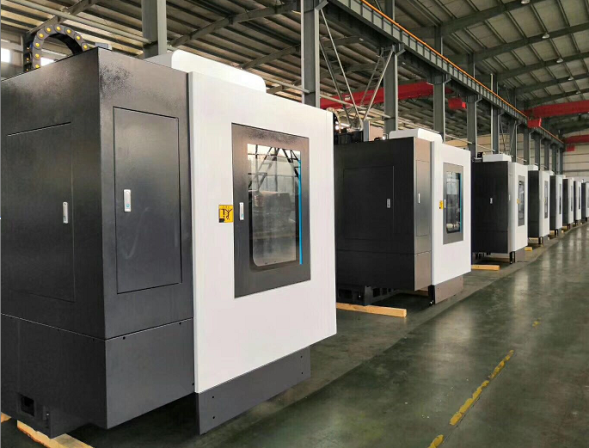
Many machine tool "manufacturers" are essentially assembly houses. They purchase cast iron bases, spindles, ball screws, and electronics from sub-suppliers and integrate them. The quality of the final machine depends entirely on their sourcing standards and assembly environment.
Conducting rigorous factory audits is essential to verify whether a supplier machines their own castings in a temperature-controlled facility or merely bolts together outsourced parts in an open-air shed. Look for suppliers who use premium sub-components, such as THK, HIWIN, or PMI linear ways and ball screws, and NSK or FAG spindle bearings.
Need to verify a machine tool factory's true capabilities? We evaluate assembly conditions, component sourcing, and testing protocols on the ground.
Talk to our teamQuality Control and Factory Acceptance Testing (FAT)
Precision cannot be inspected into a machine; it must be built in. However, rigorous testing proves the build quality. Before releasing final payment, buyers must demand comprehensive documentation of geometric and positioning accuracy. Relying on standard quality control and inspection protocols ensures the machine meets ISO 230-2 standards before it is crated.
Critical Pre-Shipment Inspection Points
- Laser Interferometer Testing: Verifies positioning accuracy and repeatability across the full travel of all axes.
- Ballbar Testing (Renishaw): Checks for servo mismatch, backlash, and circularity errors.
- Spindle Runout: Measured at the taper and at a specified distance using a test arbor to ensure minimal deflection.
- Geometry Checks: Verification of squareness, parallelism, and flatness of the worktable and axes using granite squares and dial indicators.
- Continuous Run Test: A 48-hour to 72-hour dry run to stress-test electronics, cooling systems, and check for thermal distortion.
Pricing, MOQs, and Lead Times
Purchasing heavy machinery in bulk requires careful capital and logistical planning. While the Minimum Order Quantity (MOQ) for industrial CNC milling machines is typically one unit, bulk importers usually order in multiples to optimize container space.
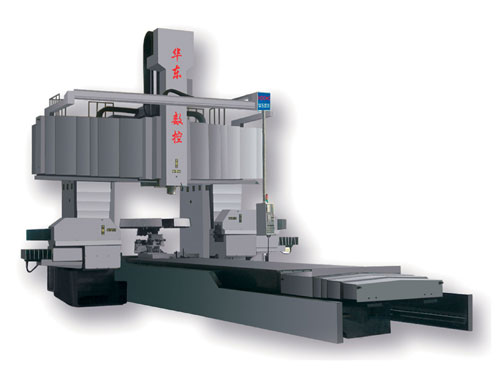
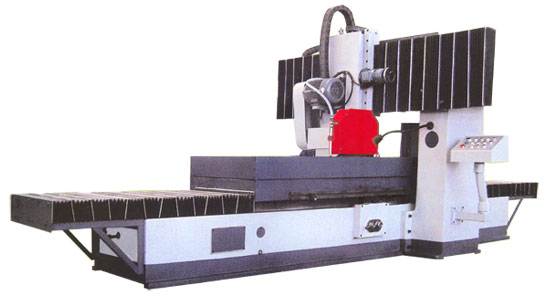
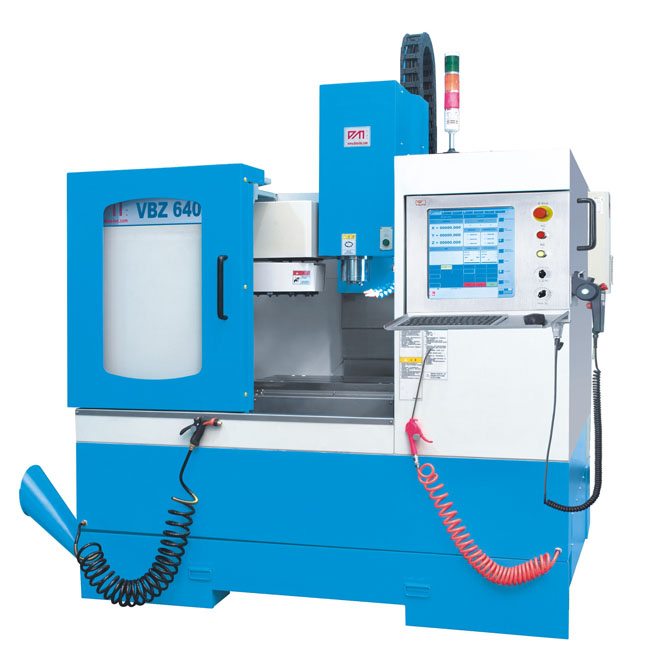
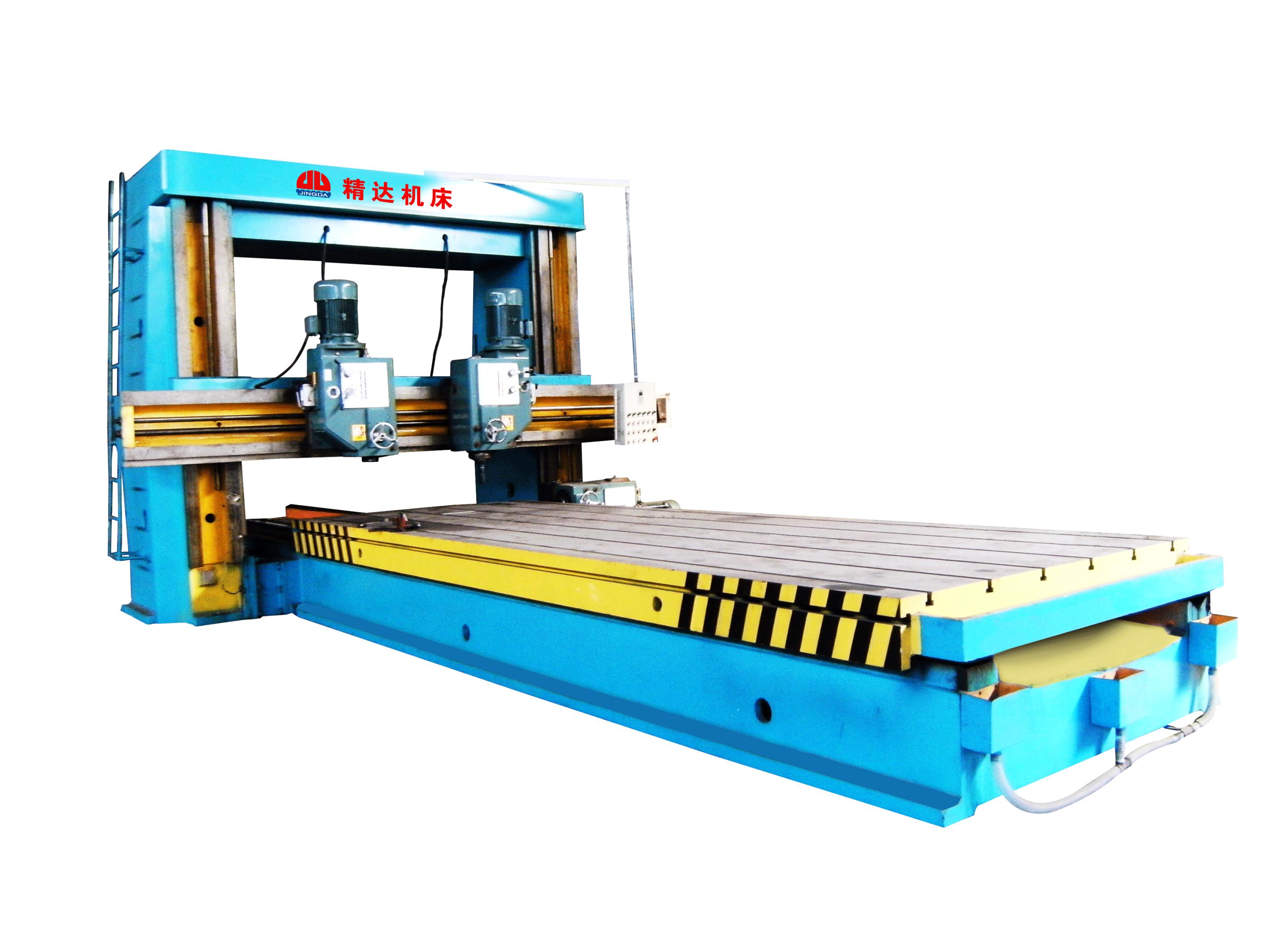
Heavy machinery requires specialized shipping and freight handling, including flat rack containers for oversized 5-axis gantry mills or careful blocking and bracing within standard 40HQ containers for standard vertical machining centers (VMCs). Anti-rust packaging (VCI film and desiccant) is mandatory for ocean freight.
Managing heavy machinery logistics and landed costs is complex. Let us help you structure your supply chain from factory floor to final delivery.
Get a free consultationFrequently Asked Questions
Successful procurement of CNC milling machines hinges on looking past the external sheet metal and scrutinizing the structural iron, component pedigree, and the factory's alignment expertise. By enforcing strict technical specifications and on-site verification, distributors can secure reliable, high-margin equipment that performs consistently in demanding industrial environments.
Get Sourcing Help for CNC Milling Machines
Tell us your requirements and our experts will connect you with verified manufacturers.