Clotheslines
Source premium clotheslines from vetted manufacturers and wholesale suppliers across Asia. Designed for importers, distributors, and brands seeking reliable OEM/private-label production, our network delivers durable, high-capacity laundry drying solutions engineered for indoor and outdoor environments.
Sourcing clotheslines at scale requires balancing tensile strength, environmental resistance, and cost-efficiency. Whether you are procuring heavy-duty outdoor rotary lines, retractable indoor units, or simple PVC-coated steel wire, success depends on specifying the right core materials and validating the factory's assembly tolerances.
Core Specifications and Material Selection
The functional lifespan of a clothesline is dictated by its core strength and its outer sheathing. Buyers must clearly define the operating environment (indoor versus high-UV outdoor) to avoid rapid degradation or line sagging.
| Material Type | Typical Core | Primary Application | Key Sourcing Consideration |
|---|---|---|---|
| PVC-Coated Steel | Galvanized Steel Wire | Heavy-duty outdoor | Ensure zinc coating thickness prevents rust under the PVC |
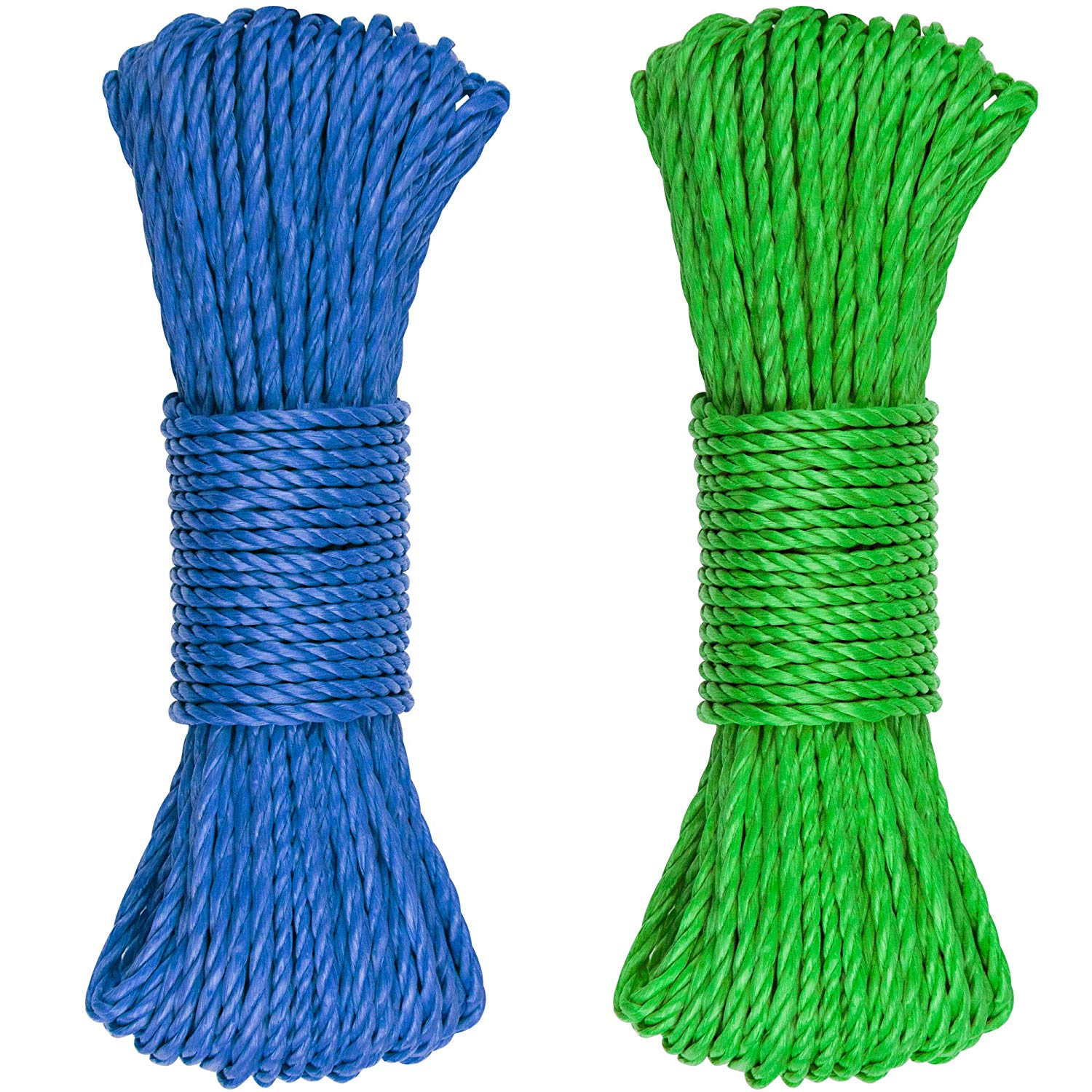
| Synthetic Rope | Nylon or Polypropylene | Indoor / Light outdoor | Specify UV stabilizers if intended for exterior use |
| Retractable Lines | Braided Fibers or Steel | Space-saving indoor/outdoor | Internal spring cycle-life and ABS housing durability |
Developing a custom retractable or heavy-duty clothesline? We can help validate your BOM and match you with capable manufacturers.
Talk to our teamManufacturing Tolerances and Quality Control
For basic line production, the critical phase is the extrusion coating process. If the PVC or PP coating is applied unevenly, the line will strip or crack under tension. For mechanical units like rotary or retractable clotheslines, the complexity shifts to injection molding and spring assembly.
When auditing prospective suppliers, verify their in-house testing capabilities. Relying on a standard Factory Audit is essential to confirm the manufacturer actually produces the internal mechanisms rather than just assembling purchased components, which can lead to inconsistent batch quality.
Critical QC Checkpoints for Clothesline Production
- Tensile Strength Testing: Verify the breaking strain exceeds your specified weight capacity (typically 100kg to 150kg for heavy-duty lines).
- UV Resistance: Check for accelerated weathering test reports to ensure plastic housings and line coatings will not become brittle.
- Spring Cycle Testing: For retractable units, require a minimum of 10,000 retraction cycles without tension loss.
- Salt Spray Testing: Mandate 48-hour to 72-hour salt spray tests for all exposed metal hardware and galvanized cores.
Partnering with a sourcing team for rigorous Quality Control & Inspection before shipment prevents defective batches from reaching your distribution centers.
MOQs, Pricing, and Lead Times
The clothesline market is heavily bifurcated between high-volume, low-margin consumables (bulk wire/rope) and higher-margin mechanical units (retractable and rotary systems).
Pricing is highly sensitive to raw material costs, particularly steel and petroleum-based plastics. When engaging in OEM/ODM Services for custom housings or proprietary tensioning systems, expect tooling costs for injection molds to range from a few thousand to over ten thousand dollars, depending on cavitation and complexity.
Need to consolidate your laundry storage manufacturing or negotiate better MOQs with top-tier factories?
Get a free consultationBuyer FAQ
Procuring reliable clotheslines requires moving beyond unit price and focusing on material integrity—specifically UV resistance, core tensile strength, and mechanical reliability. By establishing strict testing protocols and vetting factory capabilities early, buyers can secure a resilient supply chain that protects their brand reputation.
Get Sourcing Help for Clotheslines
Tell us your requirements and our experts will connect you with verified manufacturers.