Clothes Dryers
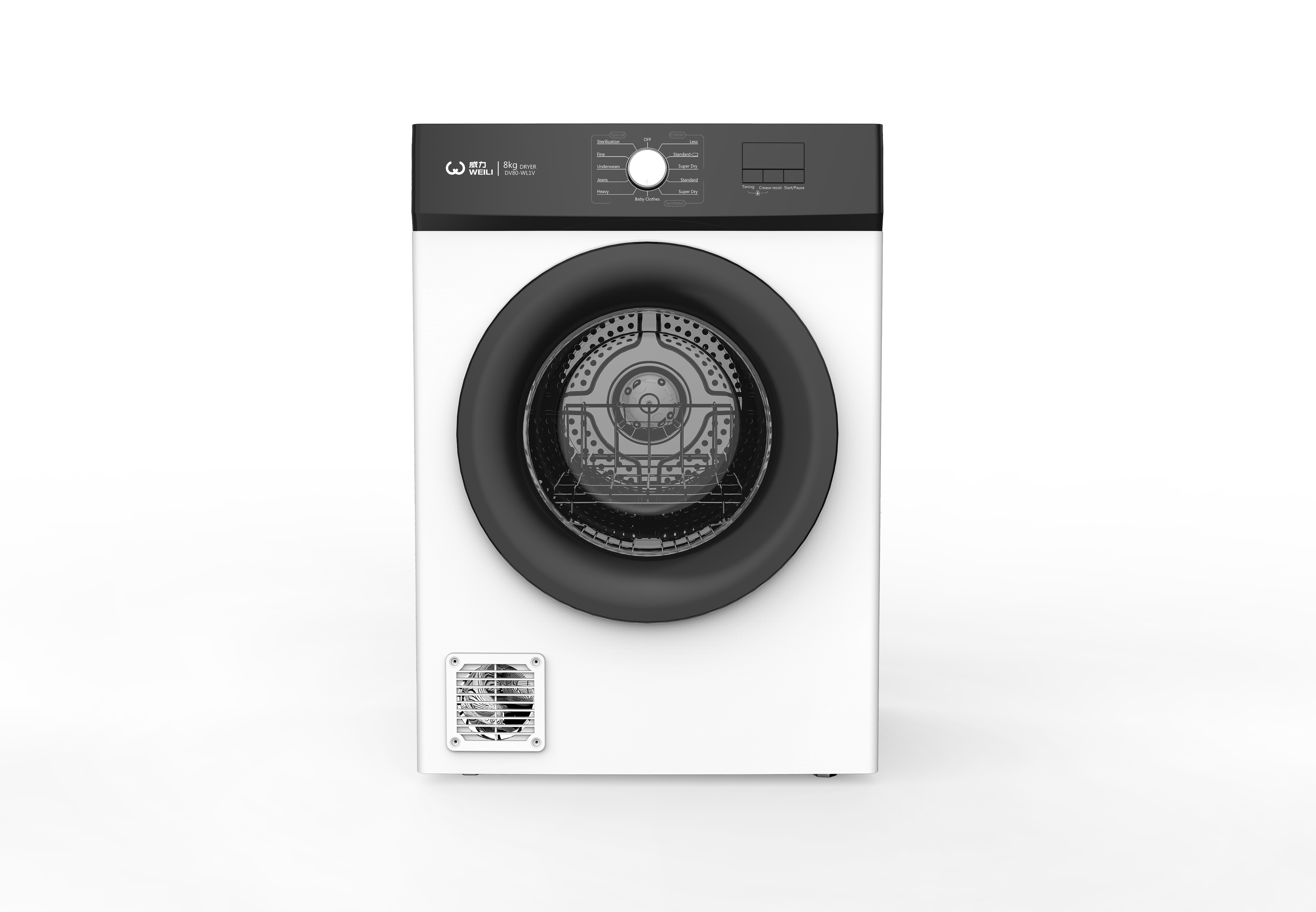
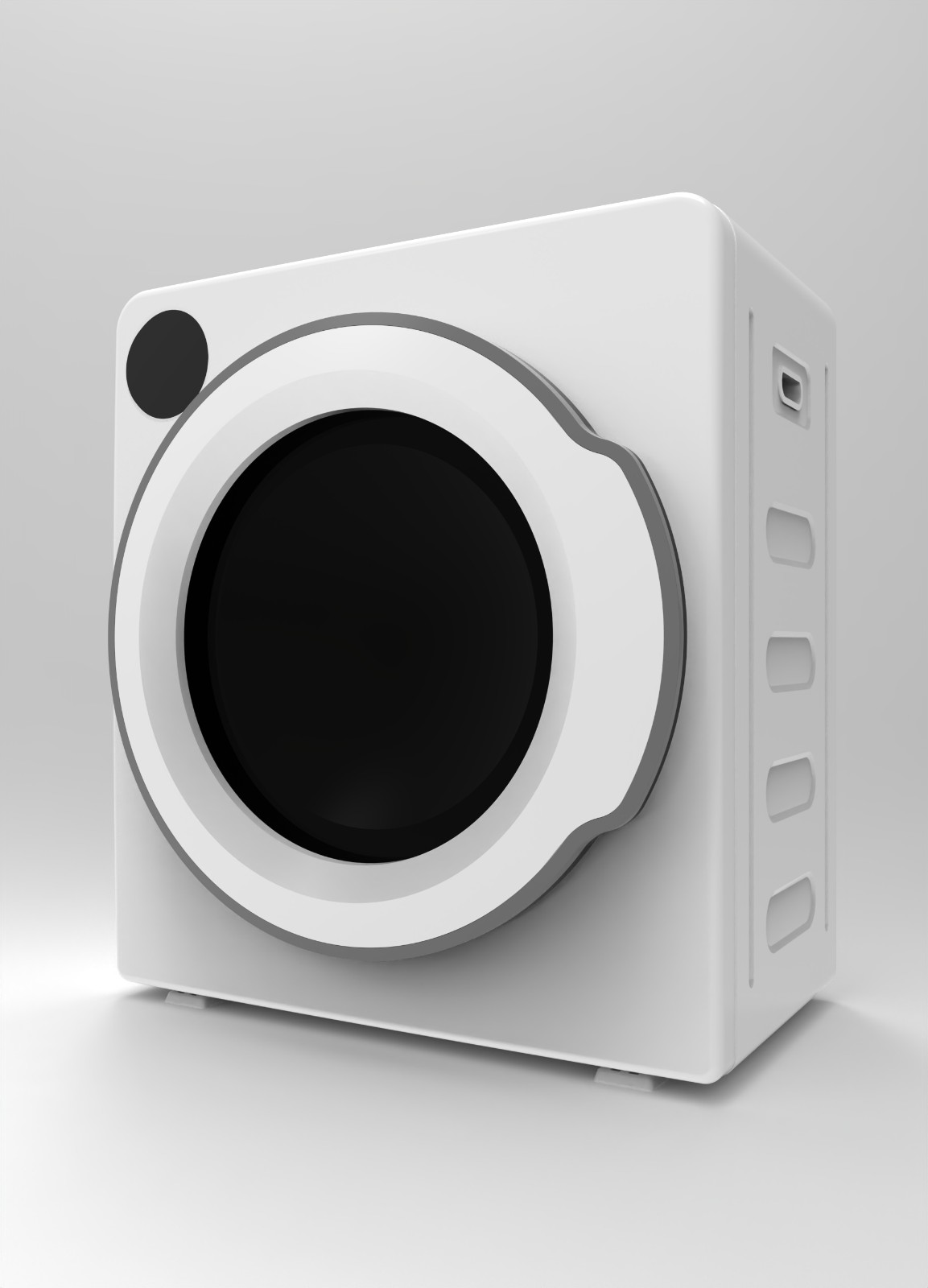
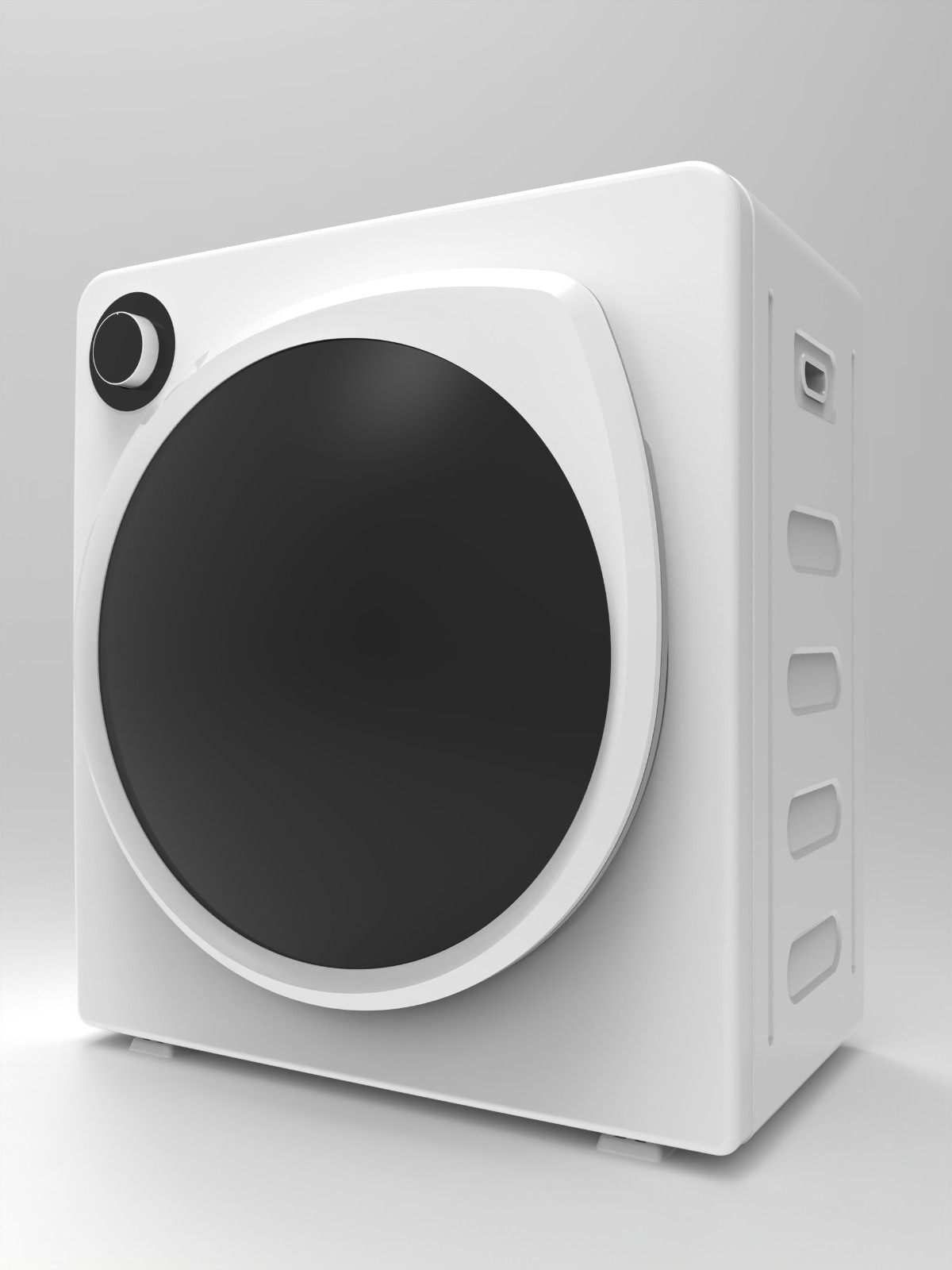
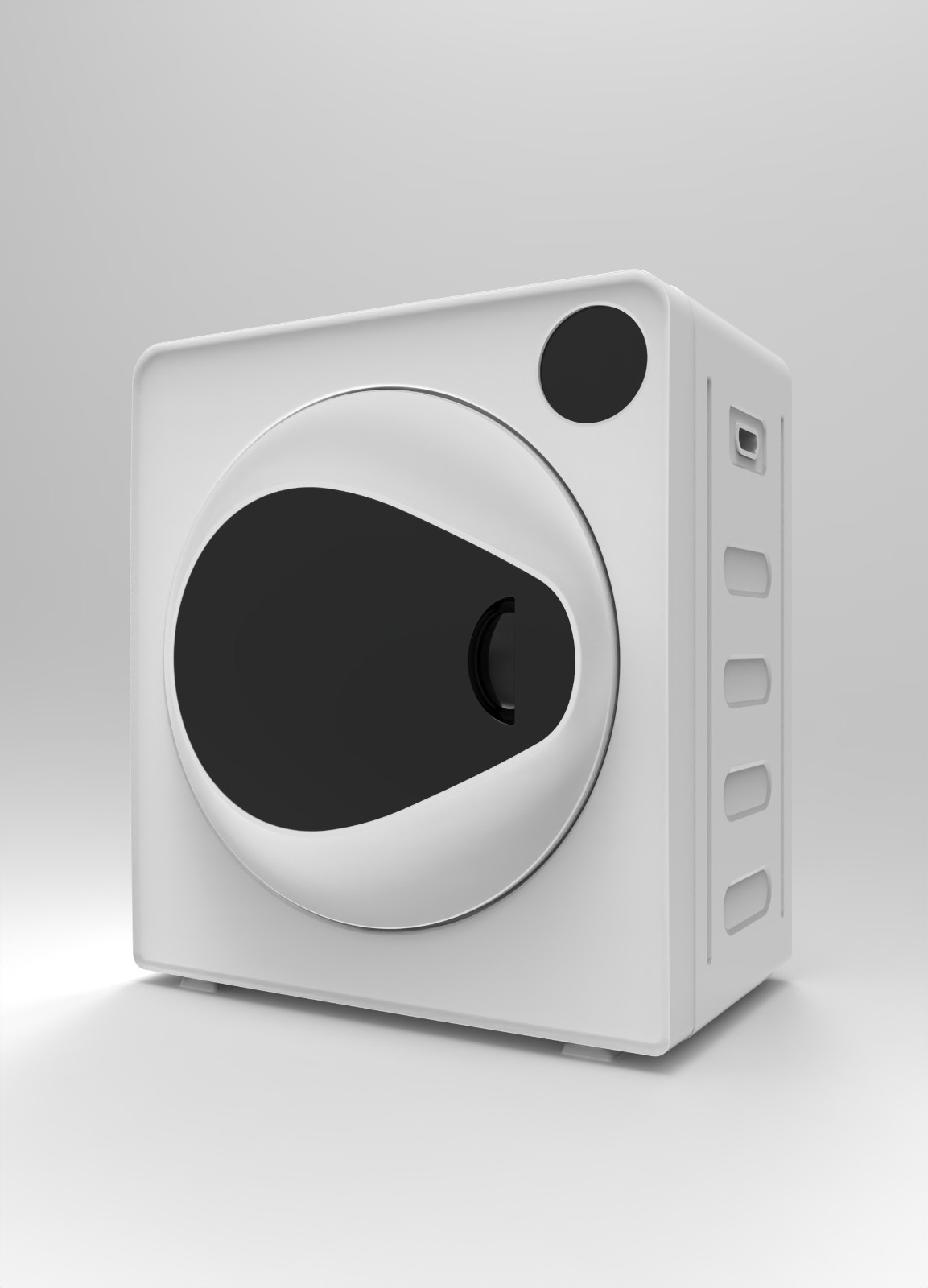
Source high-quality clothes dryers from vetted manufacturers and wholesale suppliers across Asia. This catalog is built for importers, distributors, and appliance brands seeking reliable OEM and private-label production. Compare bulk pricing, factory capabilities, and custom manufacturing options for your supply chain.
Sourcing clothes dryers at scale requires navigating complex electrical safety standards, energy efficiency mandates, and varied regional market preferences. Whether you are expanding an established white-goods portfolio or developing a custom smart-appliance line, selecting a manufacturing partner with the right technical infrastructure and testing capabilities is the foundation of a profitable import program.
Core Drying Technologies and Market Fit
The appliance market is heavily segmented by drying technology. The factory you choose must have proven experience in the specific system your target market demands, as the internal components, sealed systems, and assembly lines differ vastly between types.
| Technology | Energy Efficiency | Manufacturing Complexity | Ideal Market Fit |
|---|---|---|---|
| Vented | Low to Moderate | Low (Simple heating element & fan) | Budget tiers and regions with outdoor venting access |
| Condenser | Moderate | Medium (Requires heat exchanger & pump) | Mid-range urban markets and apartments |
| Heat Pump | High (Closed-loop system) | High (Compressor & refrigerant handling) | Premium tiers and strict energy-regulated markets |
When sourcing heat pump models, pay strict attention to the factory's refrigerant handling capabilities. Improper charging or brazing on the assembly line leads to micro-leaks, resulting in high failure rates after 12 to 18 months of consumer use.
Need to identify factories with proven heat pump assembly lines? We can help you vet technical capabilities before you commit.
Talk to our teamManufacturing Quality Control & Factory Vetting
Not all appliance assemblers are created equal. Many suppliers source standard components (motors, belts, control boards) from the same sub-tier vendors but fail in the final assembly and testing phases. Conducting rigorous factory audits is essential to verify that the supplier has automated testing stations at the end of the line.
Critical Factory-Floor Checks
- Drum Sealing & Alignment: Misaligned felt seals cause heat loss and damage delicate fabrics.
- Vibration & Noise Testing: Factories must have soundproof testing chambers to verify decibel ratings under load.
- Electrical Safety (Hipot Testing): Every unit must pass high-potential and ground continuity tests before packaging.
- Drop Testing & Packaging: Heavy appliances require robust EPS foam and reinforced carton designs to survive international transit.
Implementing comprehensive quality control & inspection protocols before shipment is non-negotiable for large domestic appliances. Catching a faulty batch of control boards or unbalanced drums at the factory saves immense warranty and reverse-logistics costs.
Compliance and Certification
Clothes dryers are heavily regulated. You cannot import these units without strict adherence to destination-market standards.
- North America: Requires UL or ETL certification for electrical safety, plus adherence to DOE (Department of Energy) efficiency standards. Energy Star certification is highly recommended for marketability.
- Europe: Demands CE and CB scheme compliance, RoHS for hazardous substances, and strict adherence to the ErP (Energy-related Products) directive for energy labeling.
- Australia/New Zealand: Requires SAA approval and MEPS (Minimum Energy Performance Standards) registration.
Relying on a factory's existing certificates is risky; always verify that the specific model and components listed match your production run. Utilizing professional compliance and testing services ensures your imports won't be held up by customs or flagged by market surveillance authorities.
Pricing, MOQs, and Lead Times
Appliance manufacturing is capital-intensive, and production schedules are heavily influenced by the procurement of major components like BLDC (Brushless DC) motors and compressors.
Pricing fluctuates based on raw material costs (steel for drums and cabinets, copper for motors) and the complexity of the control interface (mechanical dials vs. capacitive touch screens with Wi-Fi connectivity). If you are utilizing OEM/ODM services to customize the user interface or exterior design, expect higher initial NRE (Non-Recurring Engineering) costs and longer initial lead times.
Struggling to negotiate favorable terms or manage complex appliance supply chains? Let our sourcing experts streamline your procurement.
Get a free consultationBuyer FAQ
Successfully importing clothes dryers requires balancing unit costs with strict quality and safety thresholds. By partnering with technically capable manufacturers and enforcing rigorous pre-shipment inspections, you can build a reliable appliance brand that minimizes warranty claims and maximizes margin.
Get Sourcing Help for Clothes Dryers
Tell us your requirements and our experts will connect you with verified manufacturers.