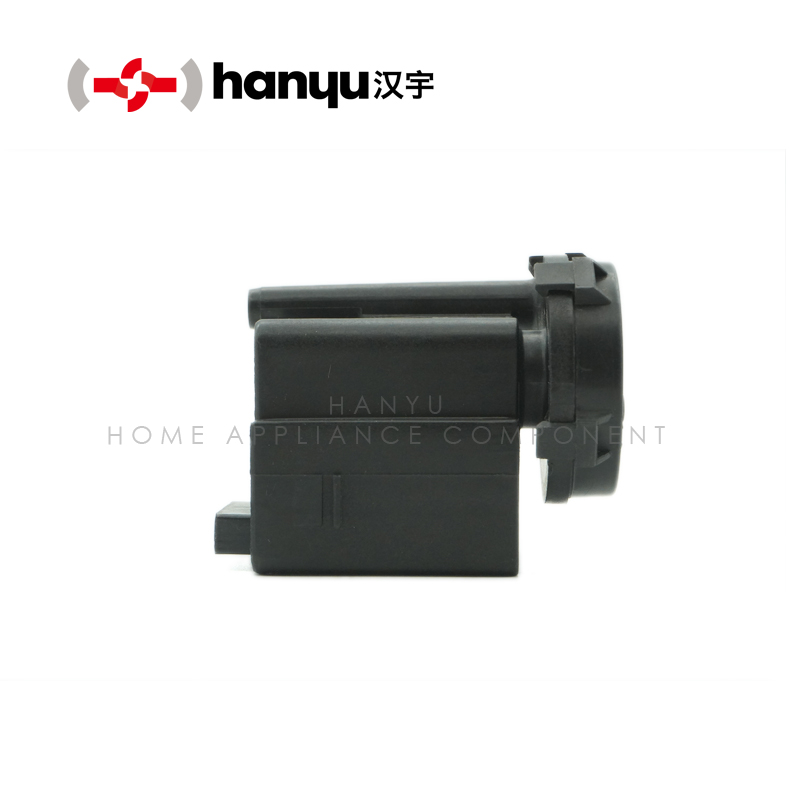
Clothes Dryer Parts
Source high-quality Clothes Dryer Parts from vetted suppliers and manufacturers across Asia. Designed for importers, appliance wholesalers, and brands seeking reliable OEM production, our network delivers bulk components engineered for durability, thermal efficiency, and strict regulatory compliance.
Sourcing clothes dryer parts at scale requires navigating a complex matrix of thermal tolerances, electrical safety standards, and mechanical durability. Whether you are procuring replacement components for aftermarket distribution or specifying custom parts for new appliance lines, the reliability of heating elements, drive belts, and thermal fuses directly impacts product lifespan and brand reputation.
Critical Specifications for Core Dryer Components
When evaluating suppliers, the technical specifications must align with the target market's voltage, wattage, and dimensional requirements. Minor deviations in material science can lead to catastrophic failures in high-heat environments.
- Heating Elements: The grade of the resistance wire is paramount. Nichrome 80/20 (80 percent nickel, 20 percent chromium) offers superior oxidation resistance at high temperatures compared to cheaper 60/15 alloys. Coil winding pitch must be highly consistent to prevent localized hot spots and premature burnout.
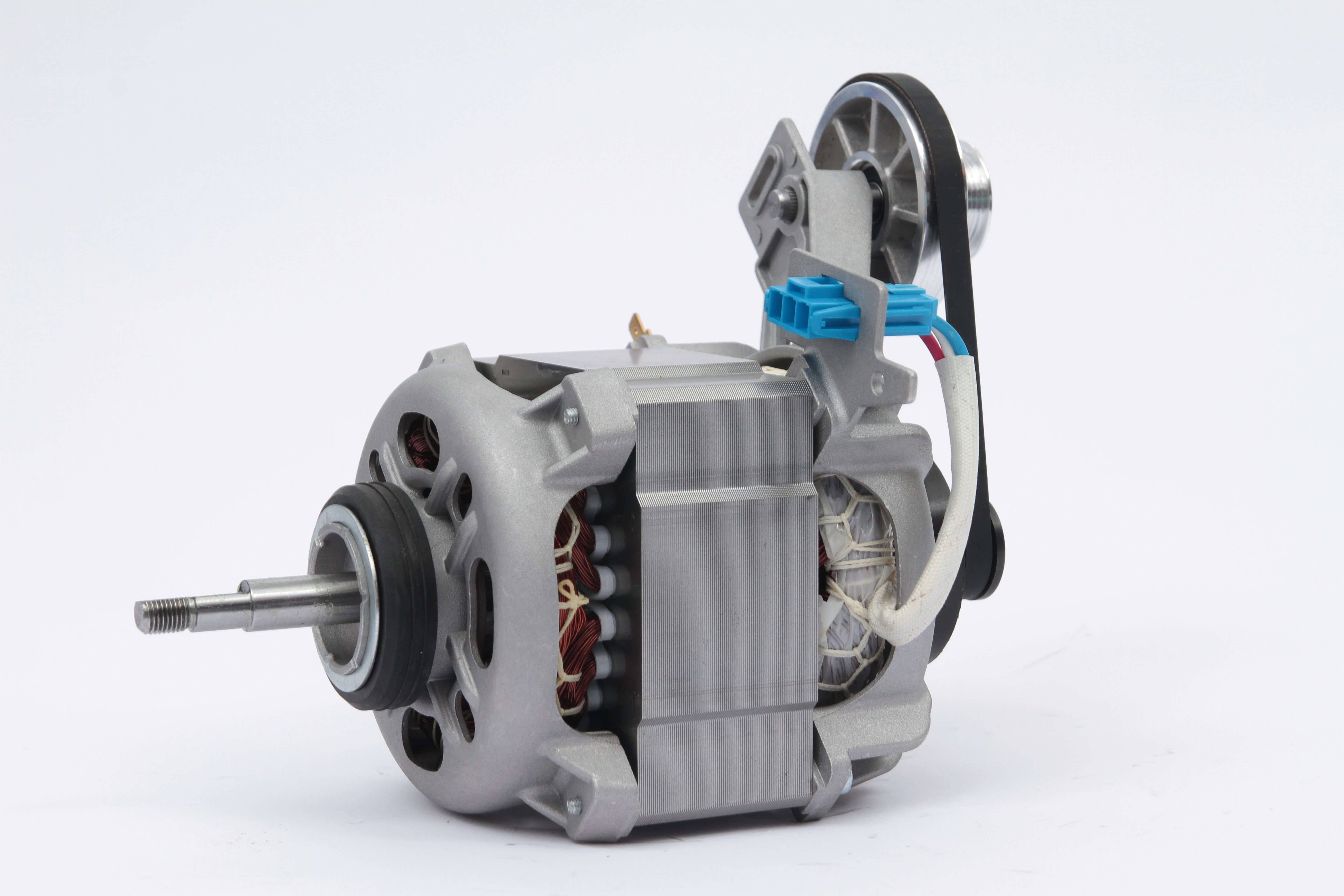
- Drive Belts: Standard poly-V belts require high-grade EPDM or chloroprene rubber to withstand constant tension and ambient heat. Buyers must specify the exact rib count (e.g., 4-rib or 5-rib), effective length, and cord material (typically polyester or aramid for low stretch).
- Thermostats and Thermal Fuses: Cut-off temperatures must be precise. Bimetallic thermostats require accurate calibration, typically within a tolerance of plus or minus 3 degrees Celsius, to ensure safe cycling without nuisance tripping.
Need help verifying technical specifications with Asian manufacturers? Our engineering team can evaluate factory capabilities against your exact requirements.
Talk to our teamManufacturing Variances and Quality Control
The difference between a reliable component and a fire hazard is often decided on the factory floor. For heating assemblies, automated winding machines are essential; manual winding inevitably leads to inconsistent resistance.
Key Quality Control Checkpoints
- Resistance testing on 100 percent of heating elements before final assembly.
- High-pot (dielectric withstand) testing to ensure electrical insulation integrity.
- Tensile strength and elongation testing for rubber drive belts.
- Calibration verification for cycling thermostats across multiple thermal cycles.
- Visual inspection of crimps and terminal connections for secure seating.
Relying solely on final inspection is risky. Implementing robust Quality Control & Inspection during the production process ensures that defects—like poor crimping on terminal connections or compromised ceramic insulators—are caught before the parts are sealed or shipped. Furthermore, verifying a supplier's ISO 9001 certification and actual production capacity through rigorous Factory Audits is critical before committing to high-volume orders.
Customization and Regulatory Compliance
For brands developing proprietary appliances, leveraging OEM/ODM Services allows for custom control board logic, unique heating housing designs, and specific wire harness configurations. However, custom parts require strict adherence to international safety standards.
Components must meet UL 2158 (for North America) or IEC 60335-2-11 (for Europe). Ensuring your factory has access to proper Compliance & Testing facilities for flame retardancy (UL 94 ratings on plastics) and electrical safety is non-negotiable. If a factory cannot provide legitimate, verifiable test reports for their base components, they are not suitable for high-compliance markets.
MOQs, Lead Times, and Pricing Dynamics
Procurement economics in this category depend heavily on the specific component, raw material fluctuations, and the level of customization required.
Pricing is heavily influenced by raw material costs, particularly nickel, copper, and specialized rubber compounds. When raw material markets fluctuate, expect proportional adjustments in heating element and motor pricing. Tooling costs for custom plastic components—such as lint filter housings or blower wheels—typically range from $2,000 to $8,000, depending on mold complexity, cavitation, and the required resin.
Struggling with inconsistent pricing or high defect rates? Let us audit your supply chain and negotiate better terms with vetted manufacturers.
Get a free consultationFrequently Asked Questions
Securing a reliable supply of clothes dryer parts means looking beyond the unit price and scrutinizing the factory's engineering capabilities, raw material sourcing, and quality management systems. A proactive approach to supplier vetting and in-production quality control minimizes failure rates and protects your bottom line. If you need experienced boots on the ground to manage your appliance parts supply chain, our team is ready to assist.
Get Sourcing Help for Clothes Dryer Parts
Tell us your requirements and our experts will connect you with verified manufacturers.