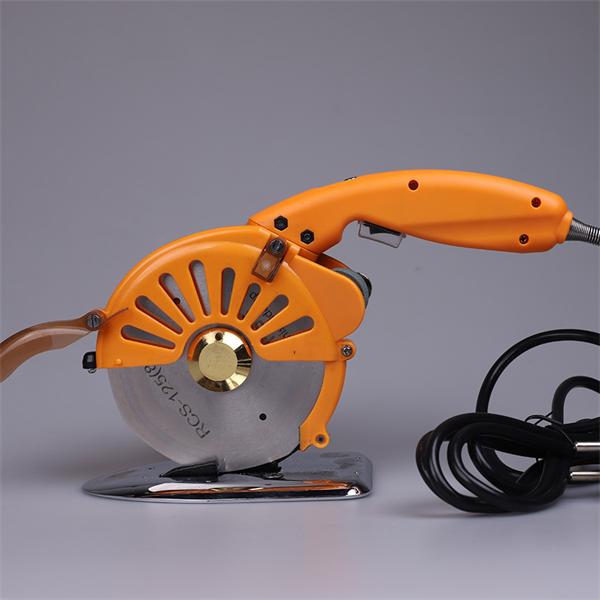
Cloth Spreading & Cutting Equipment
Source industrial cloth spreading & cutting equipment from vetted manufacturers and suppliers in China and Asia. Designed for textile machinery wholesalers, distributors, and apparel brands seeking reliable OEM production in bulk. Secure competitive wholesale pricing on heavy-duty cutting room machinery direct from the factory.
Sourcing cloth spreading and cutting equipment requires balancing mechanical durability with electronic precision. For high-volume cutting rooms, the cost of equipment failure is not just repair downtime—it is wasted fabric, misaligned patterns, and stalled production lines. When importing automated spreading machines, straight knife cutters, or CNC fabric cutters from overseas manufacturers, validating component origins, software compatibility, and assembly tolerances is critical to ensuring long-term reliability.
Key Technical Specifications to Define
When negotiating with suppliers, vague specifications lead to substandard component substitution. You must clearly define the mechanical and electrical requirements based on the end-user's fabric types (wovens, knits, composites) and production volume.
| Specification | Standard Equipment | Advanced/CNC Systems |
|---|---|---|
| Max Cutting Height | Up to 50mm (compressed) | Up to 90mm (compressed) |
| Cutting Speed | Up to 40 meters/min | Up to 60 meters/min |
| Motor System | Domestic Stepper Motors | Imported AC Servo Motors (e.g., Panasonic, Yaskawa) |
| Control System (PLC) | Proprietary Domestic | Open Architecture / Internationally supported |
Navigating complex machinery specifications? Let us help you match your technical requirements with capable, vetted manufacturers.
Talk to our teamManufacturing Quality & Component Verification
The difference between a machine that lasts ten years and one that fails in ten months lies in the internal components and the factory's assembly standards. Many suppliers act as assemblers rather than true manufacturers, sourcing parts from various sub-tier suppliers.
To ensure stability, pay close attention to the linear guide rails and drive systems. High-end equipment typically utilizes branded guide rails (such as THK or Hiwin) to maintain blade alignment over thousands of operating hours. Similarly, the vacuum turbine systems in automated cutters must deliver consistent suction to hold fabric plies firmly in place without overheating.
Critical Factory Verification Points
- Verify the origin of servo motors, PLCs, and inverters.
- Check the precision of the CNC machining used for the machine bed and gantry.
- Assess the factory's software integration capabilities (CAD/CAM compatibility).
- Confirm the availability of spare parts (blades, sharpening belts, bristle blocks) for long-term support.
Conducting thorough Factory Audits before placing an order is essential to verify that the supplier has the actual engineering capability to support complex machinery, rather than just basic assembly operations.
Quality Control & Pre-Shipment Inspection
Industrial machinery is difficult and expensive to return or rework once it leaves the country of origin. Rigorous inspection at the factory is mandatory.
Mechanical Calibration
Verify that the cutting head and spreading carriage move smoothly along the rails with zero play or binding.
Software & Sensor Testing
Test edge-alignment sensors, tension control systems, and emergency stop protocols under simulated load.
Continuous Operation Run
Require a continuous run test (e.g., 4 to 8 hours) to monitor motor temperatures and vacuum pump stability.
Packaging Verification
Ensure the machine is properly vacuum-sealed, coated in anti-rust agents, and secured in heavy-duty export crating.
Implementing professional Quality Control & Inspection prior to container loading ensures that voltage standards match the destination country and that all proprietary software is functioning correctly.
Pricing, MOQs, and Lead Times
Because cloth spreading and cutting equipment falls under heavy industrial machinery, the purchasing dynamics differ significantly from consumer goods.
Freight forwarding for these items requires specialized handling. Large CNC cutters often require Flat Rack or Open Top containers, or careful dismantling to fit into standard 40HQ containers. Coordinating Shipping & Freight with a partner experienced in oversized industrial cargo prevents costly delays and transit damage.
Need reliable logistics and quality assurance for heavy textile machinery? We coordinate the entire supply chain from factory floor to your facility.
Get a free consultationFrequently Asked Questions
When importing cloth spreading and cutting equipment, the initial unit price is only one part of the total cost of ownership. Success depends on rigorous supplier vetting, strict component specification, and airtight pre-shipment quality control to ensure the machinery performs reliably under heavy industrial use.
Get Sourcing Help for Cloth Spreading & Cutting Equipment
Tell us your requirements and our experts will connect you with verified manufacturers.