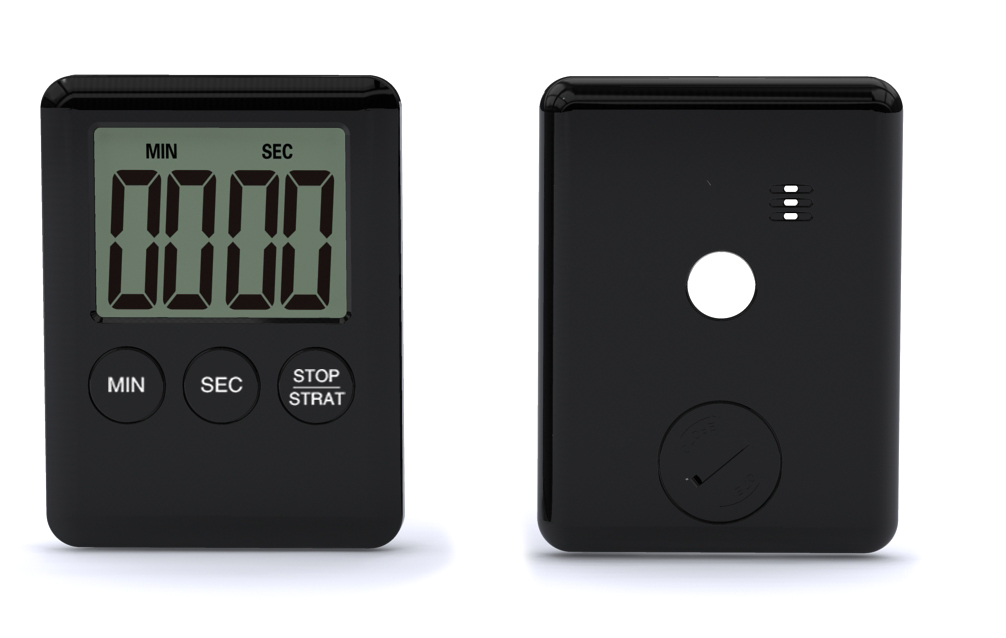
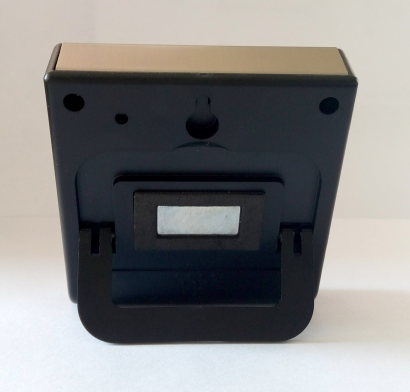
Clock
Source high-quality clocks directly from vetted manufacturers and wholesale suppliers in Asia. Designed for electronics importers, distributors, and retail brands seeking reliable OEM/ODM production, our network covers everything from precision analog movements to advanced digital and smart displays at competitive bulk pricing.
Sourcing clocks at scale requires balancing exterior aesthetic design with the reliability of internal timekeeping components. Whether you are importing standard analog wall clocks or developing custom digital desk clocks with integrated environmental sensors, securing consistent precision, low power consumption, and durable casing finishes from your factory is the primary sourcing challenge.
Core Specifications: Movements and ICs
The heart of any clock dictates its lifespan, accuracy, and cost. For analog clocks, the choice of quartz movement impacts both user experience and battery draw. For digital variants, the Real-Time Clock (RTC) chip and display panel type are the critical cost drivers.
| Movement / Component | Characteristics | Power Draw | Typical Application |
|---|---|---|---|
| Step Quartz (Analog) | Distinct 1Hz tick, standard gear train | Very Low | Promotional, standard wall clocks |
| Sweep Quartz (Analog) | Continuous motion, silent operation | Moderate | Premium home decor, bedroom clocks |
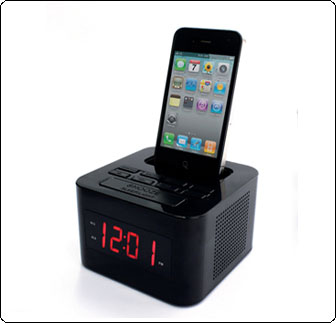
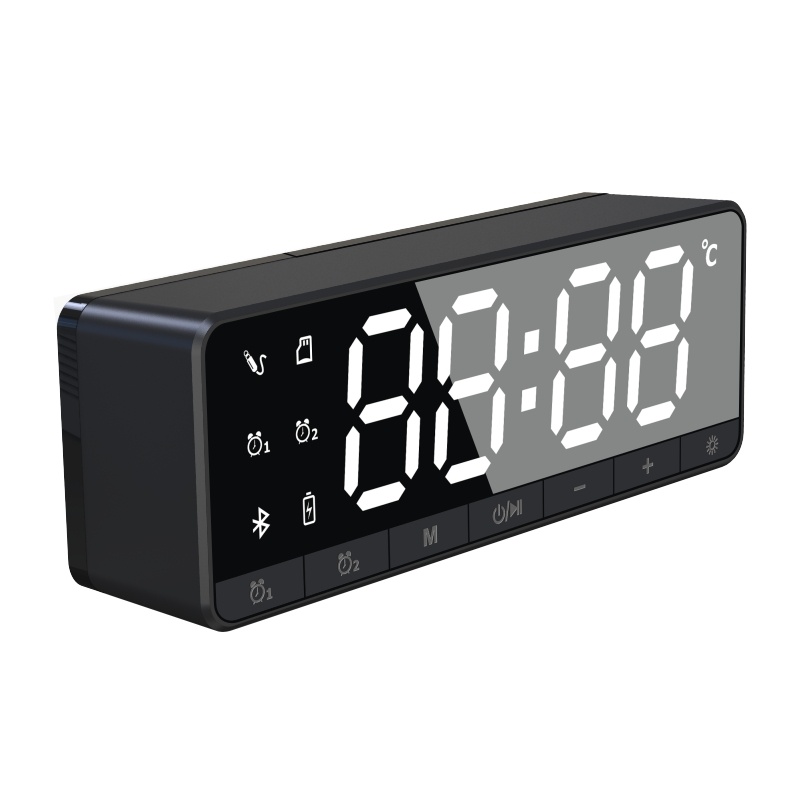
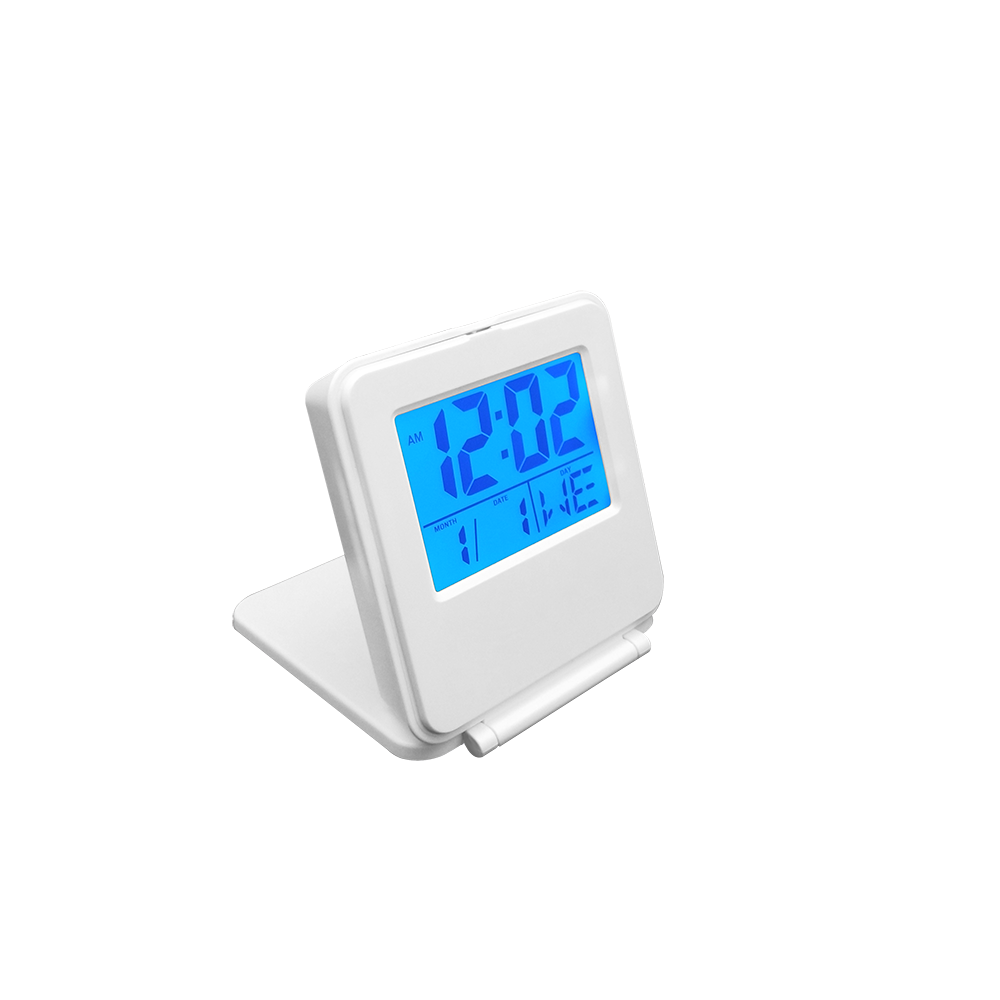
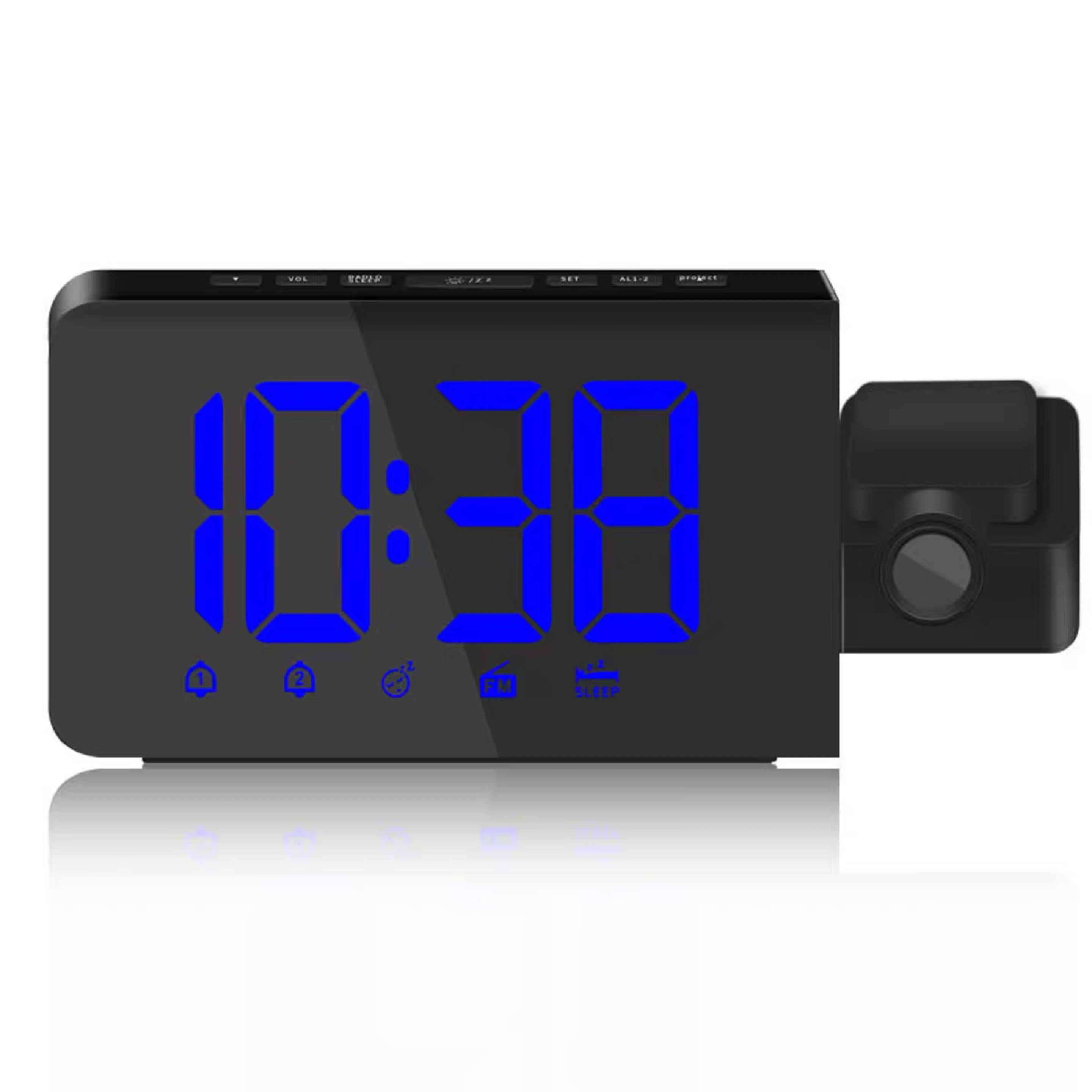
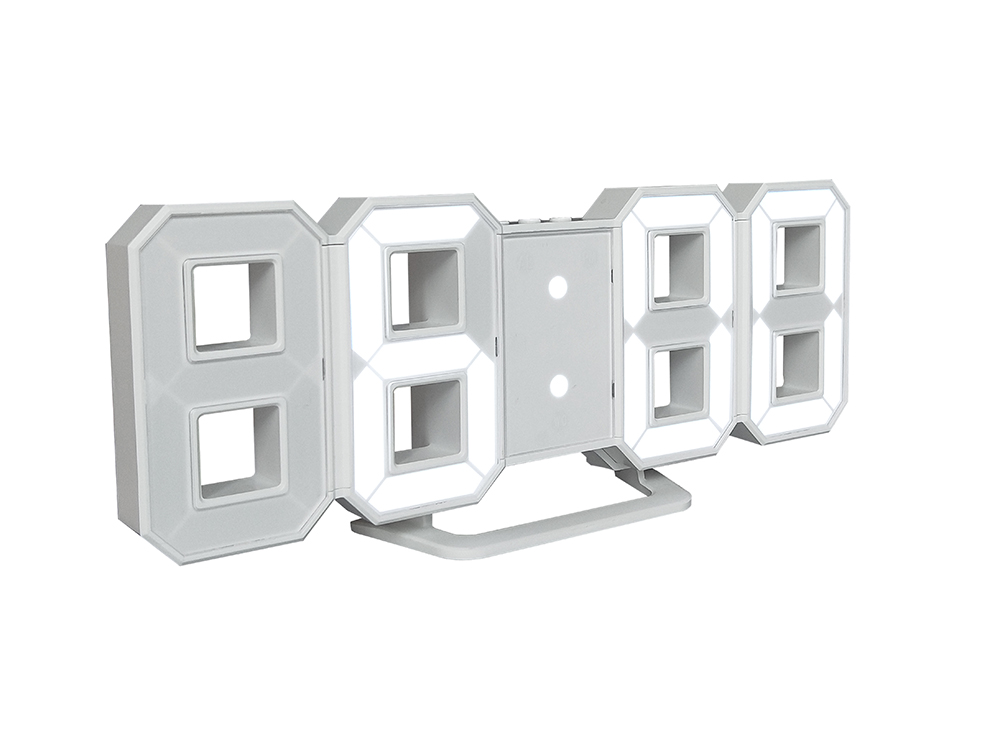
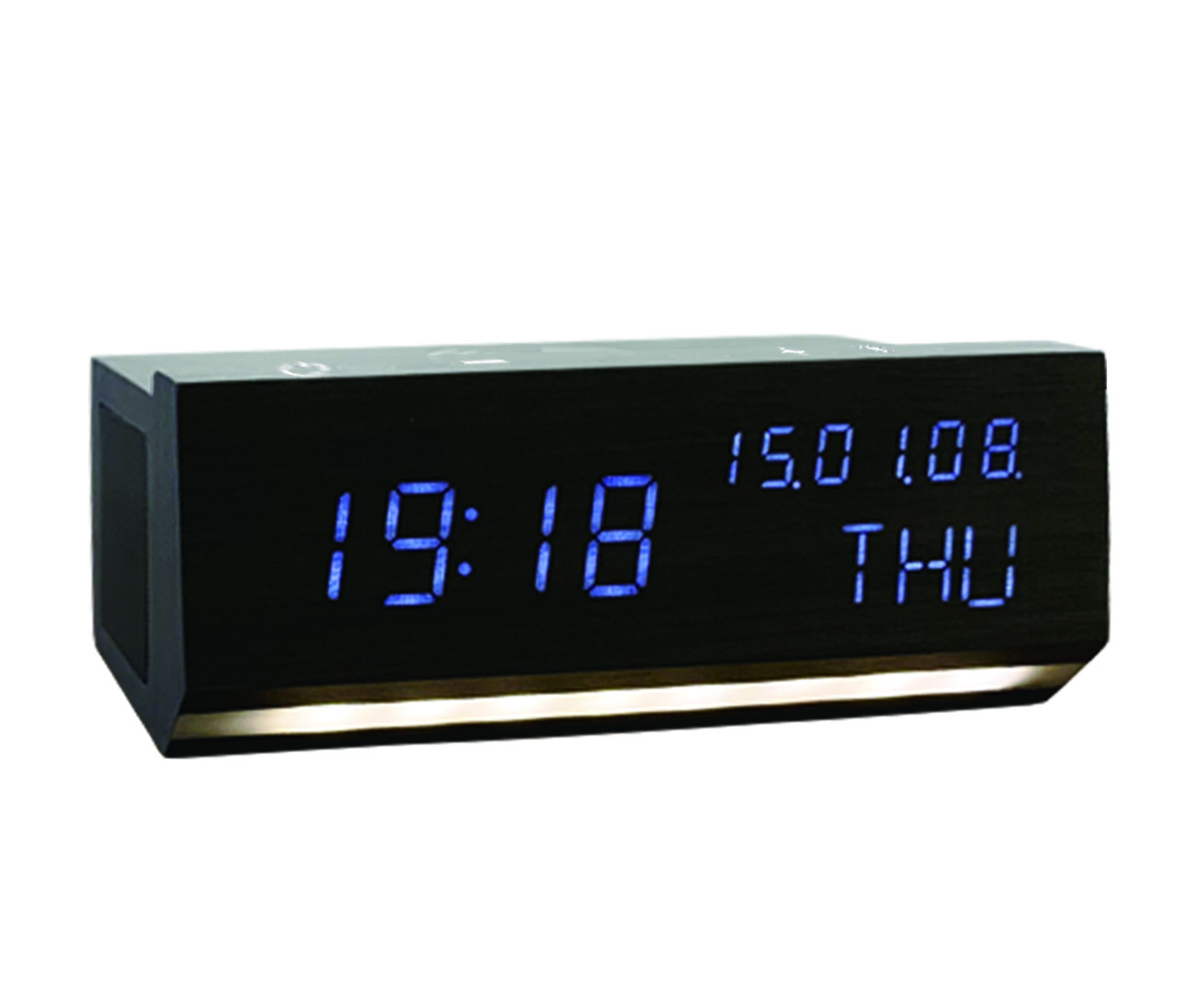
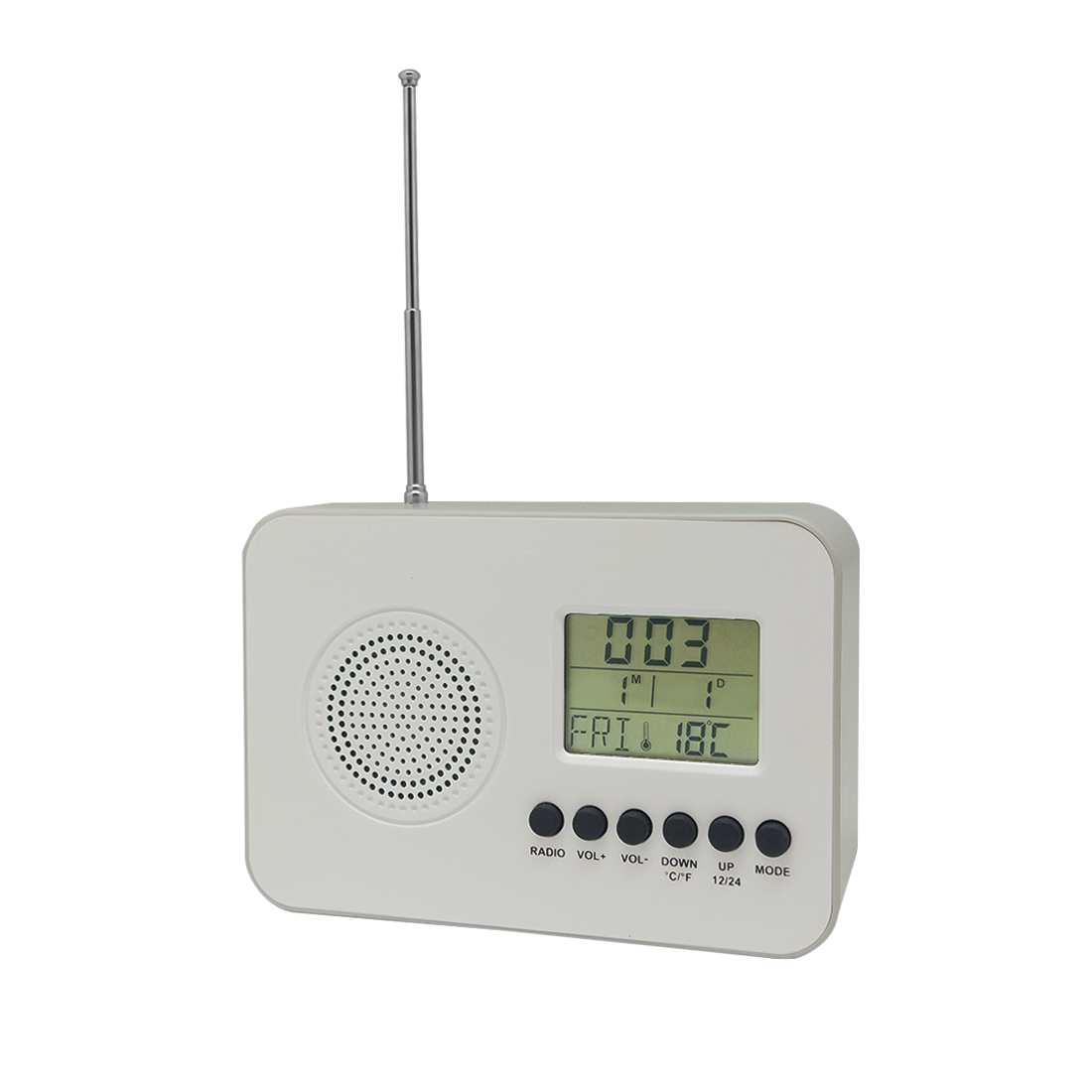
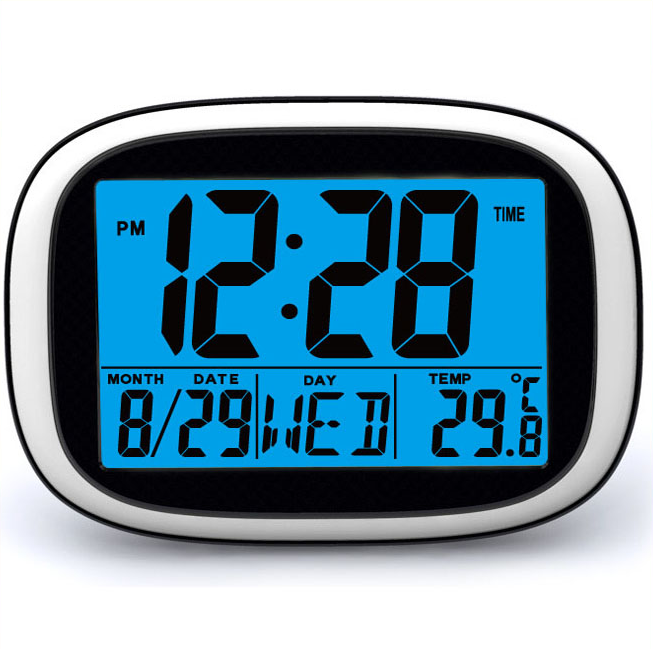
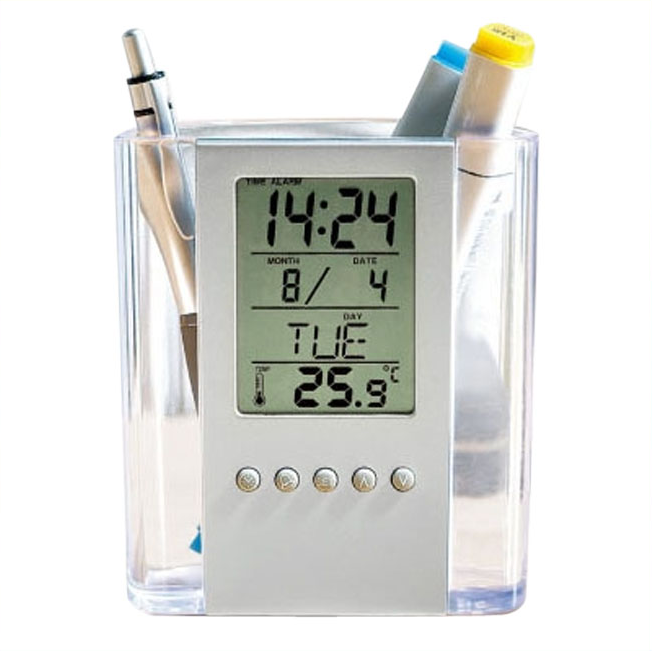
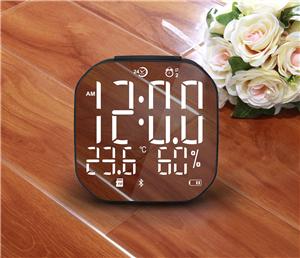
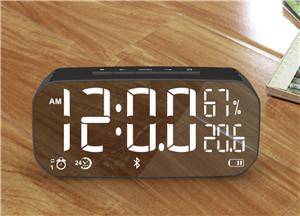
| Standard Digital (LCD/LED) | Basic RTC IC, fixed segment display | Low to Moderate | Desk clocks, alarm clocks |
| Smart / Multi-function | Wi-Fi sync, embedded sensors (temp/humidity) | High (often requires mains power) | Modern consumer electronics |
When specifying analog movements, buyers must define the spindle length based on the thickness of the clock dial and casing. Using a standard spindle on a thick wooden or metallic dial will result in loose hands and immediate assembly failures.
Struggling to find factories that use genuine Taiwan or Japan-origin movements? We help brands secure reliable component supply chains.
Get a free consultationManufacturing Tolerances and Quality Control
Clock manufacturing involves plastic injection molding or metal stamping for the casing, PCB assembly for digital units, and delicate manual or semi-automated assembly for analog hands. Defects often occur during the final assembly stage where fragile components are handled.
Relying on robust Quality Control & Inspection is essential to catch assembly errors before shipment.
Critical QC Checks for Bulk Clock Orders
- Hand clearance (Analog): Ensure hour, minute, and second hands do not collide or scrape the dial under any orientation.
- Time accuracy testing: Run sample units for 48 to 72 hours to measure deviation against a master clock.
- Solder joint integrity (Digital): Inspect the PCB for cold solder joints, particularly around the battery terminal and RTC chip.
- Casing finish: Check for injection molding flash, sink marks, or uneven paint application on the outer bezel.
- Acoustic testing: For 'silent' sweep movements, measure decibel output in a soundproof environment to verify supplier claims.
Sourcing Mechanics: MOQ, Pricing, and Lead Times
The clock manufacturing hub is heavily concentrated in Guangdong and Fujian provinces in China. Pricing is largely dictated by the casing material (ABS plastic vs. aluminum vs. solid wood) and the origin of the internal movement.
If you are pursuing custom designs, leveraging OEM/ODM Services allows you to own the tooling for the casing while utilizing standard, proven internal movements to keep development costs manageable. Always insist on Factory Audits to verify that the supplier actually assembles the units in-house rather than outsourcing to unverified sub-tier workshops.
Need to consolidate standard clock models from multiple suppliers or develop a custom private-label line? Let us manage the sourcing and production schedule.
Talk to our teamFrequently Asked Questions
Successful clock sourcing relies on locking down component specifications early and strictly monitoring the assembly process. By focusing on movement origin and rigorous pre-shipment accuracy testing, you can avoid the high return rates associated with poorly assembled timepieces.
Get Sourcing Help for Clock
Tell us your requirements and our experts will connect you with verified manufacturers.