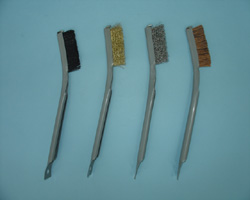
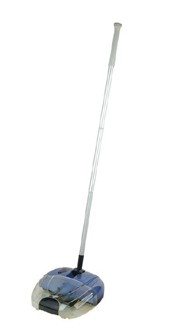
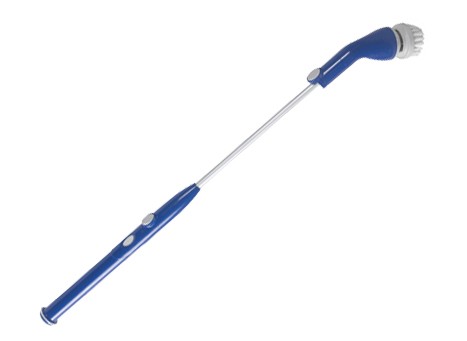
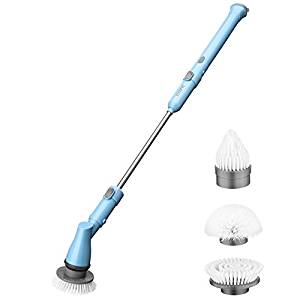
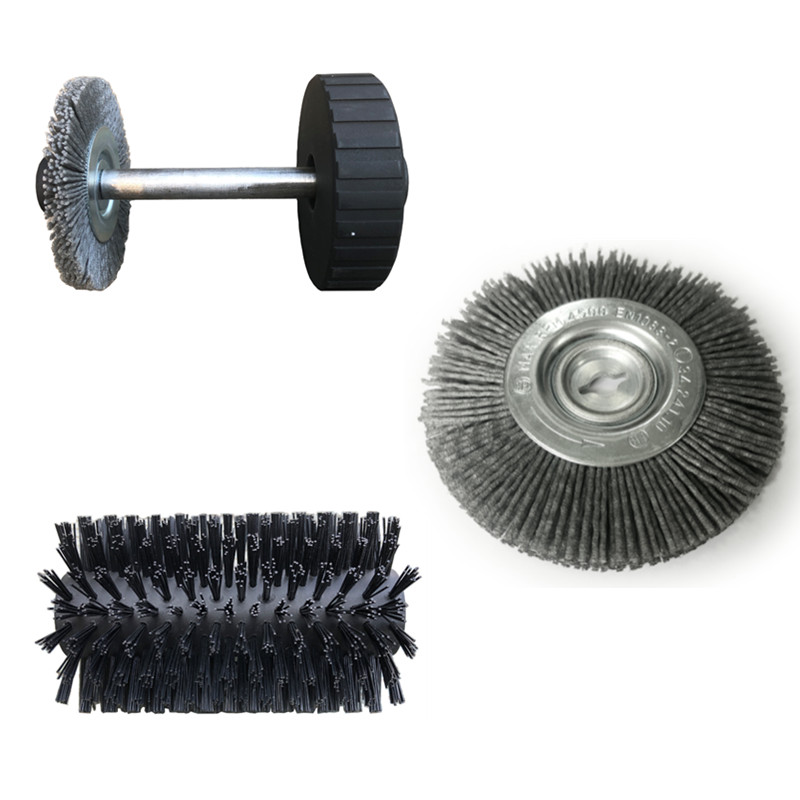
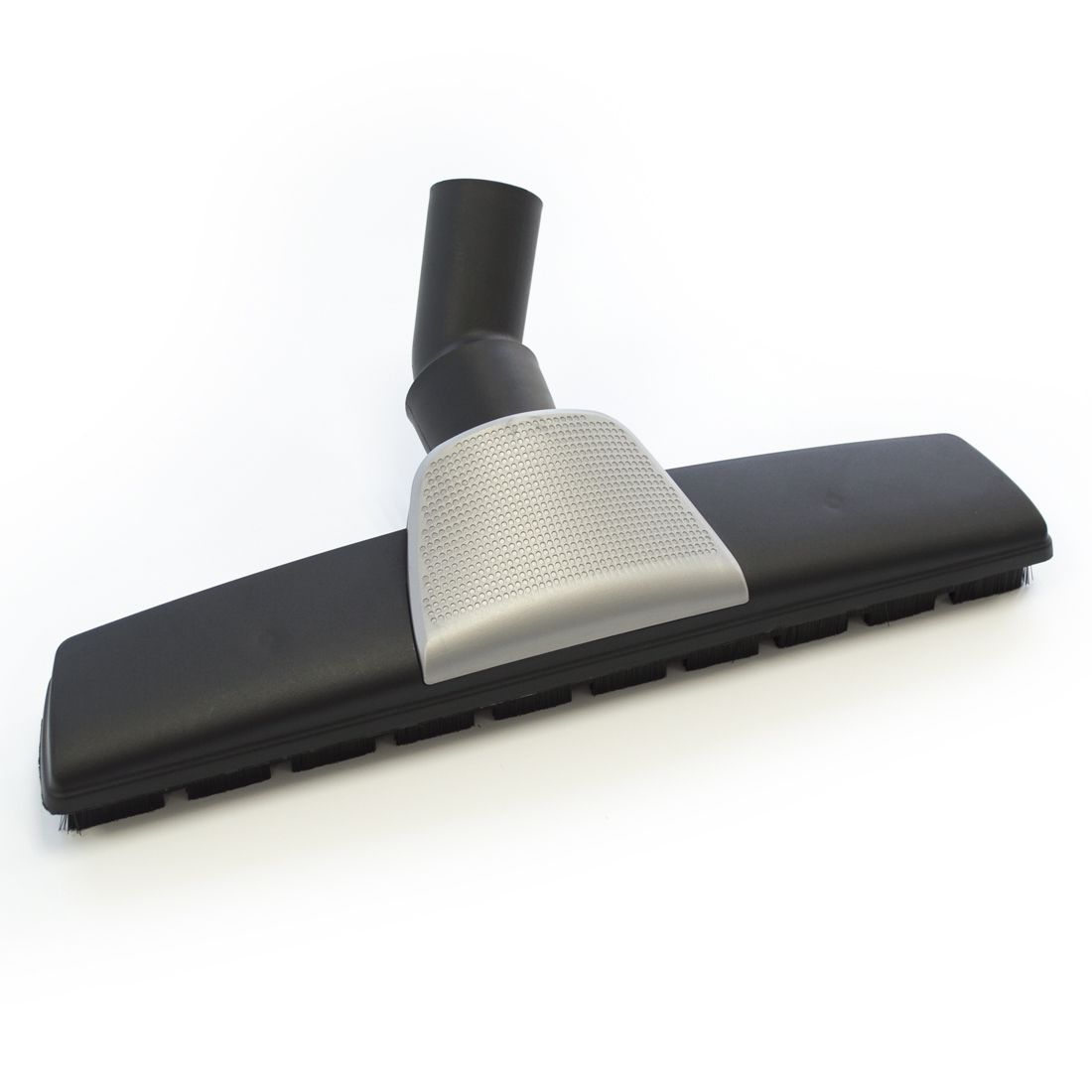
Cleaning Brushes
Source high-quality cleaning brushes in bulk from vetted manufacturers and suppliers. Designed for importers, wholesalers, and brands seeking reliable OEM/ODM production, our network delivers consistent quality, scalable capacity, and competitive pricing for all your household cleaning tool requirements.
Sourcing household cleaning brushes at scale requires balancing unit cost with durability. While the product seems simple, the manufacturing mechanics—specifically tufting density, staple wire material, and handle injection molding—dictate whether a brush will survive daily use or fail prematurely due to bristle shedding and mold. For volume buyers, specifying the right materials and production methods is critical to protecting your brand's reputation and minimizing defect rates.
Core Material Specifications
The performance of a cleaning brush is primarily determined by its bristle filament and handle construction. Specifying the wrong polymer for the intended use case leads to flaring, snapping, or poor chemical resistance.
| Filament Material | Bend Recovery | Chemical Resistance | Typical Application |
|---|---|---|---|
| Polypropylene (PP) | Low to Moderate | Excellent | General utility, budget brushes |
| PET | High (stiff) | Good | Heavy-duty scrubbing, dish brushes |
| Nylon (PA6/PA66) | Excellent (high memory) | Good to Excellent | Premium kitchen, bottle brushes |
| Tampico (Natural) | Moderate | High (heat resistant) | Eco-friendly, abrasive scrubbing |
For handles, Polypropylene (PP) is the industry standard for the rigid core, often combined with Thermoplastic Rubber (TPR) in a double-injection process for an ergonomic, non-slip grip. When sourcing eco-friendly lines, FSC-certified beechwood or bamboo are common, but these require strict moisture content control (typically under 12 percent) during manufacturing to prevent cracking during transit.
Navigating material specs and factory capabilities? We help brands engineer the right brush for their target price point.
Talk to our teamManufacturing and Quality Control Vulnerabilities
The most common failure point in brush manufacturing is the tufting process. Bristles are folded and punched into the handle's pre-drilled holes using a metal staple.
If the factory uses cheap galvanized iron wire for the staples in a brush intended for wet environments (like a dish or bathroom brush), the staples will rust. This rust expands, cracking the plastic handle and causing complete tuft failure. Always specify stainless steel or brass staple wire for wet-use products.
The Tuft Pull Test
A standard quality metric is the tuft retention force. For household cleaning brushes, a single tuft should withstand a minimum pull force of 3kgf (kilogram-force) before dislodging. Substandard factories often use overly large drill holes or thin staples, resulting in shedding.
To ensure these standards are met before your container ships, implementing rigorous Quality Control & Inspection is non-negotiable.
Critical QC Checks for Brush Production
- Tuft retention pull test (minimum 3kgf)
- Staple wire material verification (chemical test for stainless steel)
- TPR overmold adhesion test (checking for peeling or flashing)
- Filament flare resistance (compression recovery testing)
- Wood handle moisture content (must be under 12 percent for natural handles)
OEM/ODM Customization and Tooling
For brands looking to differentiate, custom molds offer complete control over ergonomics and bristle patterns. Developing a custom cleaning tool requires a factory with in-house tooling capabilities and multi-color injection machines.
When engaging in OEM/ODM Services, you must account for mold costs. A standard single-cavity injection mold for a PP handle might cost a few thousand dollars, but a complex double-injection (PP + TPR) mold with intricate tufting hole patterns will significantly increase tooling investment. Ensure the factory's tufting machines (often 3-axis or 5-axis CNC tufting machines) are compatible with your proposed head geometry.
Typical MOQs, Pricing, and Lead Times
The household plastics and brush sector operates on high volume and low margins. Factories optimize for continuous machine runs to amortize setup times.
Pricing is heavily influenced by the weight of the plastic handle, the specific polymer used for the bristles, and the density of the tufting. A brush with dense Nylon bristles will cost significantly more than an identically shaped brush using sparse PP bristles. Conducting comprehensive Factory Audits helps verify that a supplier actually has the automated tufting capacity to meet your volume requirements without subcontracting to lower-tier workshops.
Need to consolidate your supplier base or negotiate better terms for volume orders? Let's review your sourcing strategy.
Get a free consultationFrequently Asked Questions
Successfully sourcing cleaning brushes in bulk comes down to controlling the hidden details: the alloy of the staple wire, the exact polymer grade of the filament, and the precision of the injection mold. By defining these specifications clearly in your purchase orders and verifying them on the factory floor, you can secure durable products that perform reliably in the consumer's hands.
Get Sourcing Help for Cleaning Brushes
Tell us your requirements and our experts will connect you with verified manufacturers.