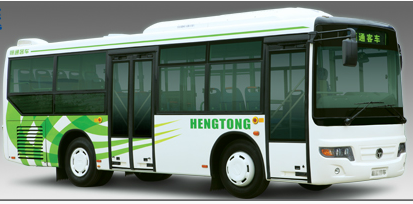
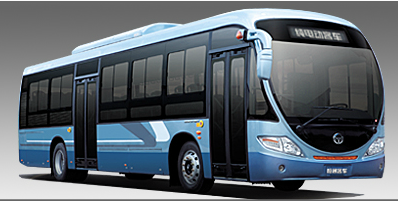
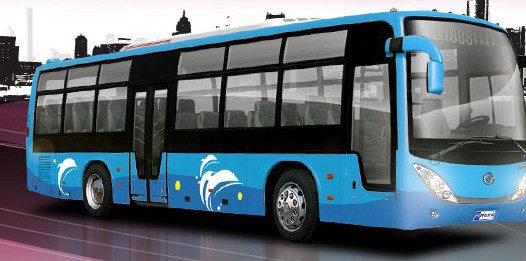
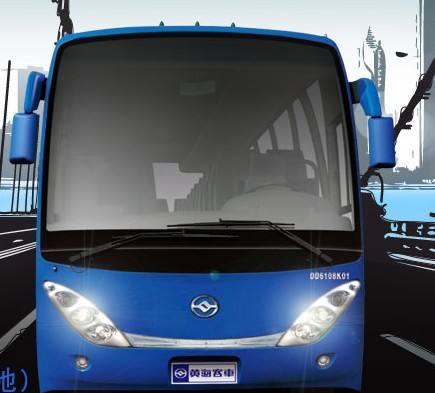
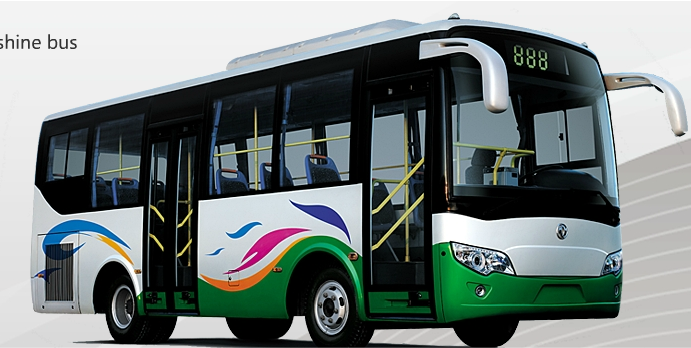
City Buses
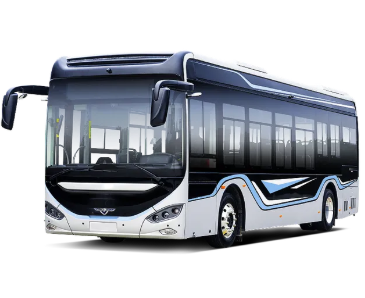
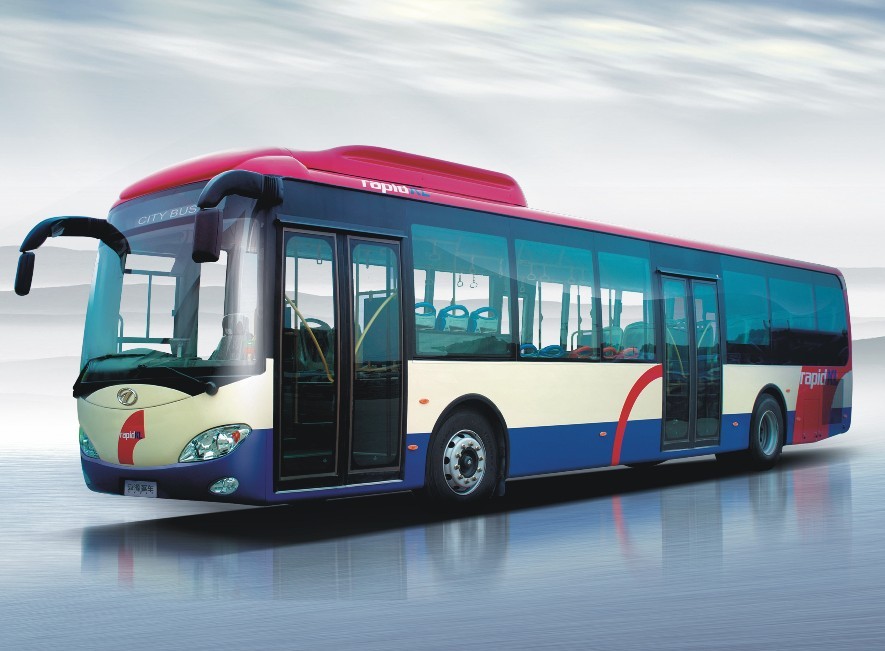
Source commercial City Buses from vetted manufacturers and wholesale suppliers. Designed for transit fleet operators, municipal procurement managers, and heavy-vehicle distributors looking for reliable OEM production. Compare bulk pricing, factory capabilities, and export compliance.
Sourcing city buses directly from overseas manufacturers requires navigating complex homologation standards, chassis engineering requirements, and heavy-vehicle logistics. Whether you are expanding a municipal transit fleet or importing vehicles for regional distribution, success depends on aligning factory capabilities with your target market's regulatory framework and operational demands.
Core Specifications and Drivetrain Selection
The foundation of any commercial transit vehicle is its chassis and drivetrain. Modern city buses are heavily customized based on route topography, passenger density, and local emission regulations. When defining your technical requirements with a manufacturer, you must specify the exact parameters for the Gross Vehicle Weight (GVW), axle load distribution, and turning radius.
The shift toward zero-emission public transport has made Battery Electric Buses (BEV) a primary focus for many importers, though diesel and Compressed Natural Gas (CNG) remain highly relevant in markets with developing infrastructure.
| Drivetrain Type | Initial Capital Expenditure | Maintenance Overhead | Infrastructure Requirement |
|---|---|---|---|
| Battery Electric (BEV) | High | Low | Heavy (Charging Depots) |
| Clean Diesel (Euro VI) | Moderate | Moderate | Light (Standard Fueling) |
| Compressed Natural Gas (CNG) | Moderate | Moderate | Moderate (Gas Stations) |
For electric variants, battery chemistry (typically LFP - Lithium Iron Phosphate for safety and longevity) and capacity (measured in kWh) dictate the operational range and charging cycles. Ensure the factory provides clear documentation on battery degradation curves and thermal management systems.
Manufacturing Quality and Body Construction
The durability of a city bus is determined on the factory floor, specifically during the welding and anti-corrosion treatment phases. The structural integrity of the monocoque or body-on-frame chassis must withstand constant urban stop-and-go stress.
A critical step in modern bus manufacturing is the cathodic electrodeposition (e-coating) process. The entire welded bus body should be submerged in an electrophoresis bath to prevent rust and corrosion, ensuring a lifespan of 10 to 15 years. Verifying a factory's e-coating facilities and welding automation is a mandatory part of factory audits before finalizing any heavy-vehicle supplier.
Critical Factory Verification Points
- In-house electrophoresis (e-coating) capabilities for full-size bodies
- Automated or robotic welding for critical chassis joints
- Water shower testing facilities for leak detection
- Chassis dynamometer testing for drivetrain validation
- ISO/TS 16949 certification for automotive quality management
Need to verify a heavy-vehicle manufacturer? Let our on-the-ground engineering team audit their production lines and quality systems.
Talk to our teamImport Formats: CBU, SKD, and CKD
City buses are rarely shipped in standard containers when fully assembled. To navigate high import tariffs and reduce freight costs, experienced buyers often import buses in various states of assembly. The format you choose dictates the level of local assembly infrastructure you need.
Completely Built Up (CBU)
The bus is fully assembled at the origin factory and shipped via Roll-on/Roll-off (RoRo) vessels. Highest freight cost, zero local assembly required.
Semi-Knocked Down (SKD)
The chassis and painted body are shipped partially assembled, with interior fittings, seats, and glass installed at the destination. Reduces tariffs in many jurisdictions.
Completely Knocked Down (CKD)
All components are shipped loose in standard shipping containers. Requires a full local assembly plant and welding/painting capabilities, but offers the lowest import duties and freight costs.
Compliance, Homologation, and Freight
Importing vehicles for public road use requires strict adherence to local homologation standards—such as WVTA in Europe, FMVSS in the United States, or ADR in Australia. You must ensure the manufacturer has existing type approvals for your region or is capable of modifying their designs to pass local certification. Engaging professional compliance and testing services early in the sourcing phase prevents costly customs rejections.
MOQs and Lead Times
Because city buses are high-value capital assets, Minimum Order Quantities (MOQs) are highly flexible.
- Typical MOQ: 1 to 5 units for CBU orders. CKD/SKD orders generally require higher volumes (10 to 20+ units) to justify the logistical complexity.
- Production Lead Time: 60 to 120 days, depending on the level of customization, drivetrain sourcing (e.g., importing Cummins engines or ZF axles to the assembly plant), and battery availability.
Shipping fully assembled buses requires specialized shipping and freight solutions, typically utilizing RoRo vessels or flat rack containers. Freight rates fluctuate heavily based on vessel availability and route, so securing forward logistics contracts alongside production is highly recommended.
Managing heavy-vehicle logistics and homologation is complex. Partner with us to streamline your bus sourcing from factory floor to final destination.
Get a free consultationFrequently Asked Questions
Sourcing city buses is a capital-intensive process where factory selection and regulatory compliance are inseparable. By defining your assembly strategy (CBU vs. CKD) and enforcing rigorous quality standards at the factory level, you can secure reliable transit vehicles that deliver long-term operational value.
Get Sourcing Help for City Buses
Tell us your requirements and our experts will connect you with verified manufacturers.