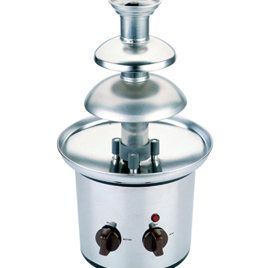
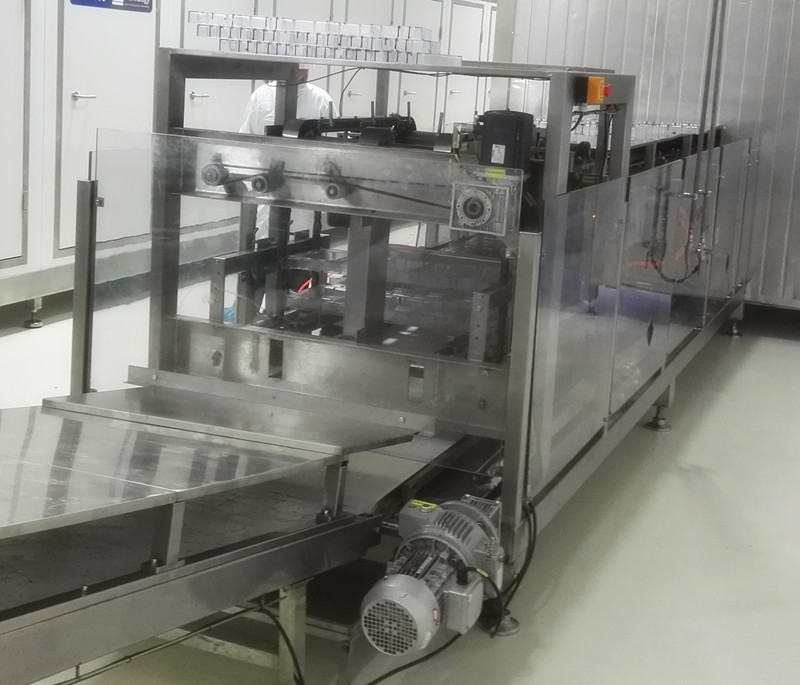
Chocolate Making Machines
Source commercial-grade chocolate making machines from vetted suppliers and manufacturers. Designed for importers, distributors, and brands seeking reliable OEM production, our network delivers high-capacity conching, tempering, and molding equipment built for continuous processing and precision thermal control.
Sourcing commercial chocolate making machinery requires balancing thermal precision with high-volume reliability. Whether you are equipping a regional confectionery plant or distributing processing equipment to mid-sized manufacturers, the core challenge lies in verifying a supplier's capability to deliver consistent temperature control, robust mechanical agitation, and hygienic, food-grade construction.
When importing complete production lines or standalone units from Asia, success depends on moving beyond superficial specifications to interrogate the factory's engineering standards, component sourcing, and quality control systems.
Critical Specifications for Chocolate Processing
Commercial chocolate production is highly sensitive to temperature and shear forces. Buyers must specify exact mechanical and thermal tolerances to ensure the equipment can handle specific recipes, from high-viscosity dark chocolates to milk and white variants.
| Equipment Type | Critical Specification | Primary Function |
|---|---|---|
| Conching Machines | Particle size reduction (under 20 microns) | Friction and aeration for flavor development |
| Tempering Machines | Multi-stage thermal accuracy (±0.1°C) | Crystal structure stabilization (Form V) |
| Molding Lines | Vibration frequency & cooling tunnel speed | Air bubble removal and solidifying |
| Enrobing Machines | Curtain thickness & blower velocity | Uniform coating and excess removal |
When evaluating a manufacturer, pay close attention to the automation architecture. Relying on proprietary or low-tier local PLCs can cause maintenance bottlenecks later. Specify internationally recognized components (such as Siemens, Schneider, or Omron) for PLCs, servos, and variable frequency drives (VFDs) to ensure global parts availability and reliable integration.
Need help verifying technical specifications with Asian equipment manufacturers? We can bridge the engineering gap.
Talk to our teamManufacturing Standards and Quality Control
The physical construction of food processing machinery dictates both its lifespan and its compliance with international food safety standards (such as CE, NSF, or FDA guidelines). Substandard welding or improper material selection can lead to bacterial harboring and rapid wear.
Implementing rigorous Quality Control & Inspection during manufacturing is essential. Do not wait for the equipment to be crated for shipment before verifying its build quality.
Factory Floor Inspection Priorities
- Material Verification: Ensure all product-contact surfaces are genuine SUS304 or SUS316L stainless steel, not lower-grade alloys.
- Weld Quality: Inspect for continuous, polished sanitary welds without pits, crevices, or burn marks.
- Jacketed Piping: Test the integrity of double-jacketed pipes and tanks used for hot water circulation to prevent cross-contamination.
- Component Authenticity: Verify that the installed motors, gearboxes, and PLCs match the brands specified in the contract.
Because machinery manufacturing capabilities vary wildly, conducting comprehensive Factory Audits before placing a deposit is the most effective way to separate genuine manufacturers from trading companies and low-tier assemblers.
Customization and Line Configuration
Most commercial buyers do not purchase off-the-shelf units. Facilities require specific layouts, cooling tunnel lengths, and capacity outputs (measured in kg/h). Manufacturers in industrial hubs like Guangdong and Zhejiang are highly capable of custom configurations, provided the engineering drawings and requirements are clearly communicated.
If you are developing proprietary processing methods or require custom molds, utilizing professional OEM/ODM Services ensures your intellectual property is protected while translating your operational needs into a manufacturable equipment design.
Pricing, Lead Times, and Procurement Realities
Capital equipment sourcing operates on different timelines and financial structures than consumer goods. Pricing is heavily dependent on capacity, automation level, and component brands.
Heavy Freight Considerations
Chocolate production lines are bulky and require specialized packing (often multiple 40HQ containers). Coordinate your Shipping & Freight strategy early to account for flat-rack requirements, heavy-lift surcharges, and destination port handling capabilities.
Planning a new production line? Let us handle the supplier negotiation, quality control, and international logistics.
Get a free consultationFrequently Asked Questions
Procuring commercial chocolate making machines is a capital-intensive process that demands rigorous technical oversight, from initial specification to final factory acceptance. By validating engineering capabilities and enforcing strict quality control, you can secure high-performance equipment that delivers decades of reliable production.
Get Sourcing Help for Chocolate Making Machines
Tell us your requirements and our experts will connect you with verified manufacturers.