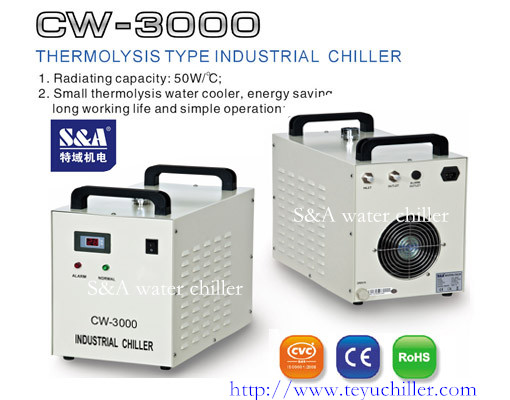
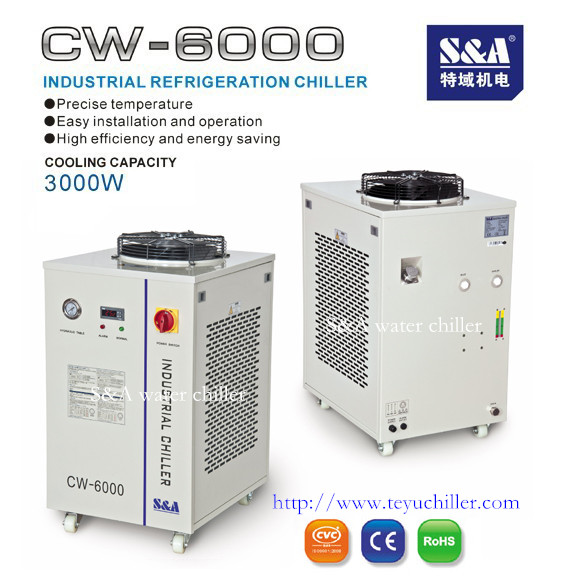
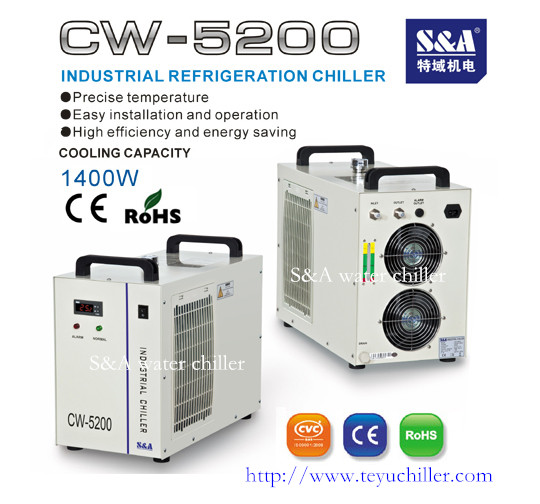
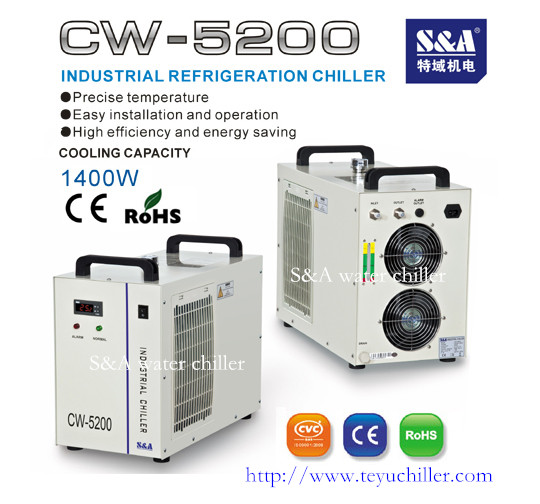
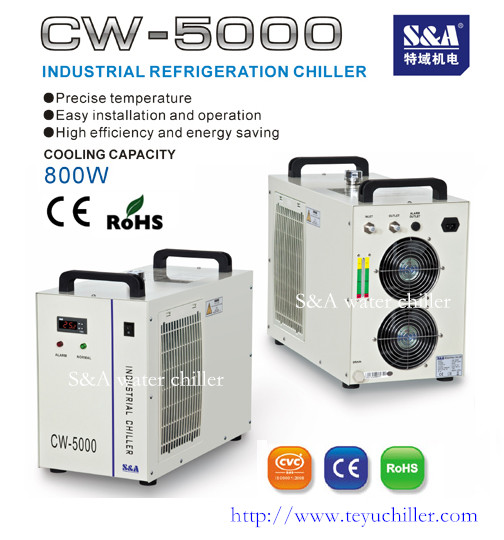
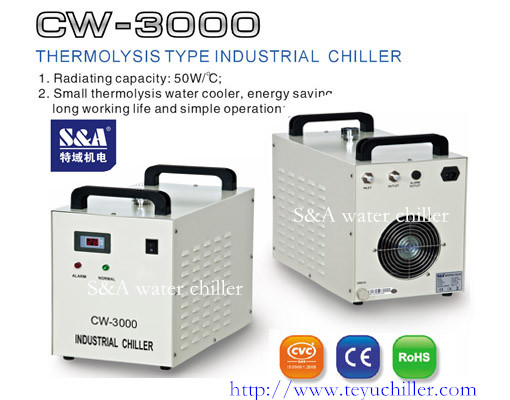
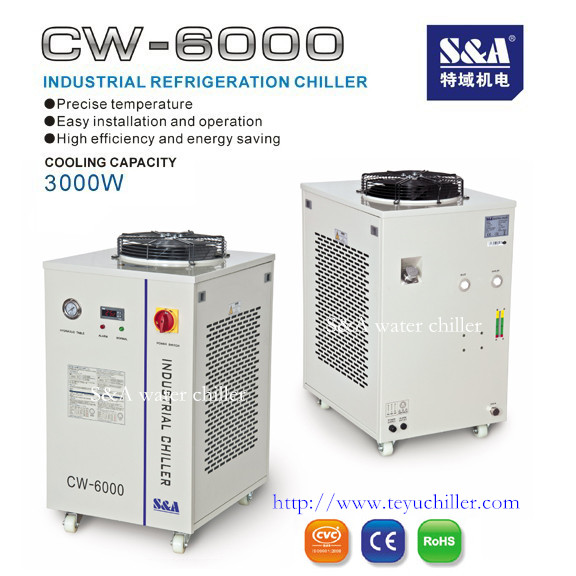
Chilling Equipment
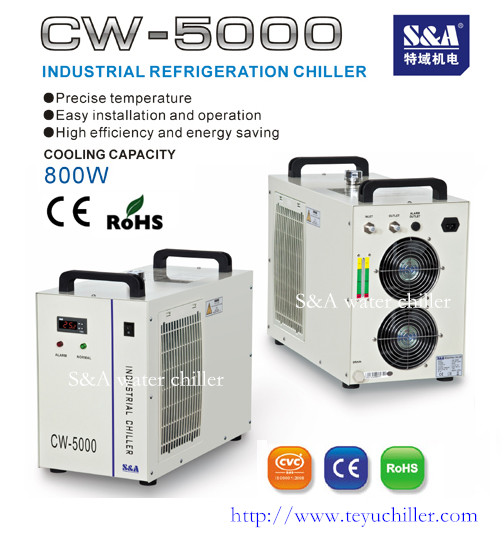
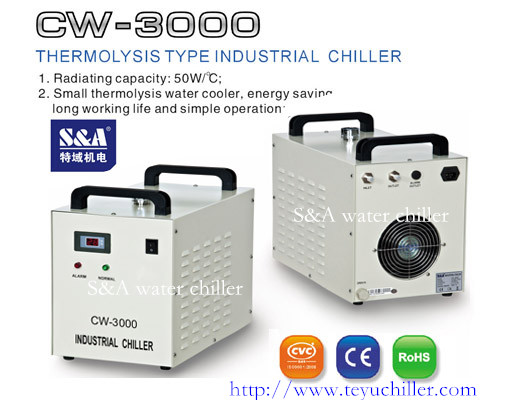
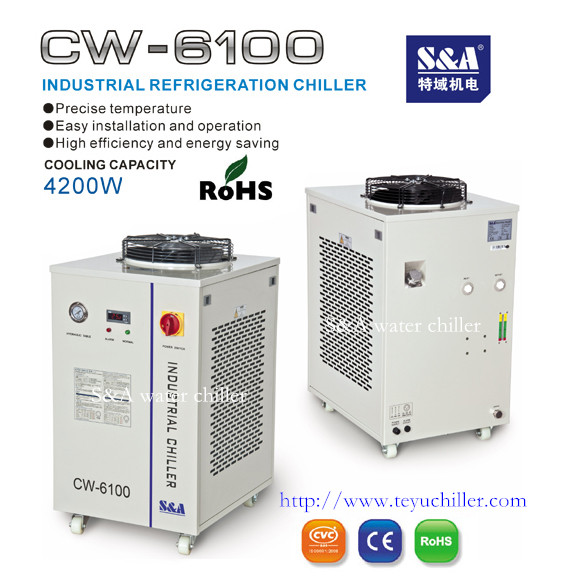
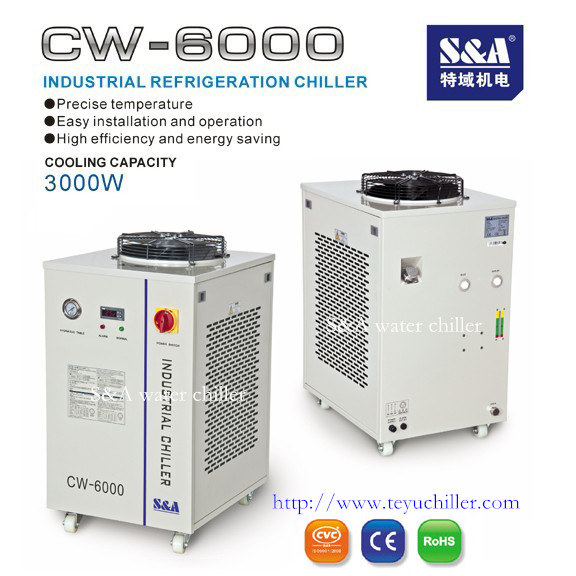
Source industrial Chilling Equipment from vetted suppliers and manufacturers across Asia. Designed for importers, distributors, and brands seeking reliable wholesale or custom OEM production, our network delivers high-performance refrigeration solutions built to exact cooling capacities and international compliance standards.
Procuring industrial chilling equipment at scale requires balancing precise thermal load requirements with long-term reliability. Whether you are sourcing process chillers for manufacturing facilities, HVAC cooling systems, or custom units for specialized industrial applications, the core challenge remains the same: ensuring the factory uses genuine components and validates cooling capacities under realistic stress conditions before the container is sealed.
Specifying Chilling Equipment for Bulk Production
When engaging with manufacturers, vague specifications lead to underperforming units. Factories will naturally optimize for cost unless held to strict technical parameters. You must define the exact operating environment, required cooling capacity (measured in kW, tons, or BTU/h), and the specific type of compressor architecture needed for the application.
| Compressor Type | Typical Capacity Range | Primary Industrial Application |
|---|---|---|
| Scroll Compressor | 5 to 150 kW | Light manufacturing, commercial HVAC, plastic injection molding |
| Screw Compressor | 150 to 1,500 kW | Heavy industrial processing, large-scale chemical cooling |
| Centrifugal Compressor | Over 1,500 kW | District cooling, massive industrial complexes |
Beyond the compressor, you must specify the exact refrigerant required. Global phase-downs of high-GWP (Global Warming Potential) refrigerants mean that defaulting to older standards like R22 or R404A will cause customs rejections in many Western markets. Specify modern alternatives like R32, R410A, or R134a based on your target market's environmental regulations.
The Manufacturing Floor: Where Reliability is Won or Lost
The heart of any chilling unit is its compressor and heat exchanger. The primary risk in sourcing from untested factories is component substitution. A common tactic among lower-tier suppliers is quoting a premium international compressor brand (like Copeland, Danfoss, or Bitzer) but installing a refurbished, counterfeit, or domestic equivalent to increase margins.
Compressor Authenticity Risk
Refurbished compressors often look identical to new ones after a factory repaint. Verifying the serial numbers directly with the OEM brand and conducting thorough Factory Audits before production begins is the only reliable way to ensure you are getting genuine components.
Additionally, pay close attention to the condenser and evaporator materials. For water-cooled chillers, the shell-and-tube heat exchangers must use copper tubes of sufficient wall thickness (typically 0.7mm or thicker) to prevent early corrosion. For air-cooled units, the aluminum fins should feature anti-corrosion coatings (often blue or gold hydrophilic fins) if the units will operate in humid or coastal environments.
Need to verify a factory's component sourcing and assembly standards? Let our engineers handle the vetting process.
Talk to our teamQuality Control & Performance Testing
You cannot verify a chiller's performance by visual inspection alone. Comprehensive testing must occur on the factory floor before shipment. If you are ordering custom units under OEM/ODM Services, your quality control protocol must be written into the manufacturing agreement.
Critical Pre-Shipment Inspection Points
- Nitrogen pressure testing: Hold system at high pressure for 24 hours to detect micro-leaks in brazed joints.
- Cooling capacity validation: Run the unit in a thermal testing chamber to verify it meets the stated kW output at the specified ambient temperature.
- Electrical safety: High-voltage insulation testing and verification of ground continuity.
- Refrigerant charge verification: Weighing the exact volume of refrigerant to ensure optimal thermodynamic efficiency.
If your supplier lacks an automated thermal testing laboratory, you are taking a significant risk. Implementing rigorous Quality Control & Inspection protocols ensures that performance data is captured and verified before the equipment leaves the facility.
Typical Pricing Drivers, MOQs, and Lead Times
Industrial chillers are high-value, capital-intensive products. Consequently, Minimum Order Quantities (MOQs) are generally highly flexible compared to consumer goods.
Pricing is highly volatile and depends entirely on the Bill of Materials (BOM). Upgrading from a standard domestic compressor to a genuine European or Japanese brand can increase the unit cost by 20 to 40 percent. Similarly, integrating smart PLC controls (like Siemens or Schneider Electric) rather than generic microprocessors will impact the bottom line but significantly reduce failure rates in the field.
Ensure your chilling equipment specifications match your budget and compliance requirements. Speak with our sourcing engineers.
Get a free consultationFrequently Asked Questions
Sourcing industrial chilling equipment is an exercise in risk management. By strictly defining your BOM, verifying component authenticity, and demanding empirical performance testing before shipment, you protect your capital and ensure the equipment performs reliably for years. Relying on experienced engineering and procurement support on the ground is the most effective way to secure that reliability.
Get Sourcing Help for Chilling Equipment
Tell us your requirements and our experts will connect you with verified manufacturers.