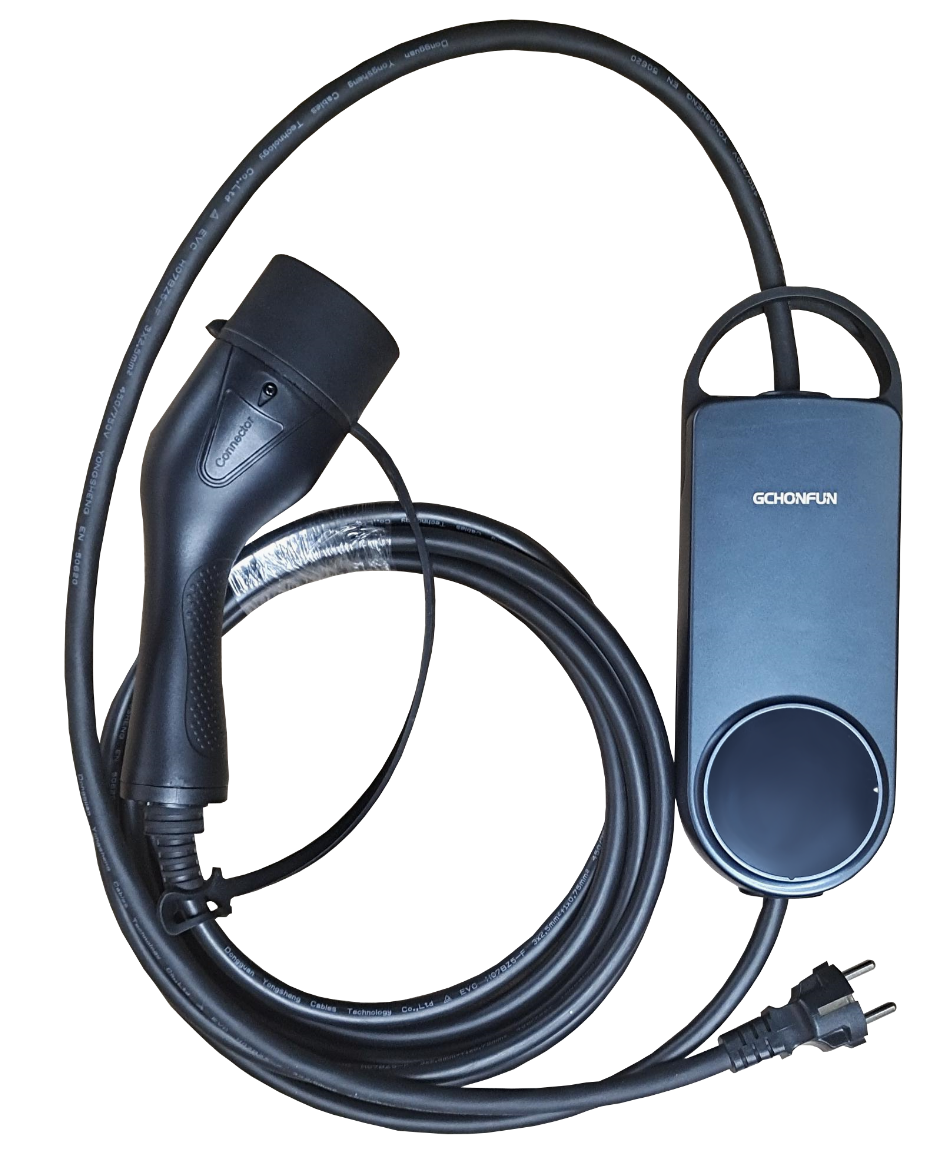
Charging Cables
Source premium EV charging cables directly from vetted manufacturers and wholesale suppliers. Designed for automotive importers, distributors, and brands seeking OEM production, our catalog features reliable, certified components built to meet global charging standards and high-volume procurement needs.
Sourcing electric vehicle (EV) charging cables in bulk requires balancing electrical safety, mechanical durability, and volatile raw material costs. Whether you are supplying regional charging network operators, automotive distributors, or launching a private-label line of portable chargers, procuring these components demands strict adherence to regional safety standards and precise material specifications.
Core Specifications for EV Charging Cables
Selecting the right specifications dictates both the market compatibility and the manufacturing cost of your cables. Buyers must specify regional connector standards, power ratings, and jacket materials before engaging a factory.
- Connector Standards: Match the target market. Type 1 (J1772) for North America and Japan, Type 2 (Mennekes) for Europe and most global markets, and GB/T for China. For DC fast charging, CCS1, CCS2, and CHAdeMO are the standards.
- Power Ratings & Phasing: AC cables are typically configured for 16A or 32A. A 32A three-phase Type 2 cable can deliver up to 22kW, requiring thicker copper cores (typically 5x6mm² + 1x0.5mm²) compared to a 16A single-phase cable (3x2.5mm² + 1x0.5mm²).
- Cable Jacket Material: The outer jacket must withstand UV exposure, vehicle drive-overs, and extreme temperatures. The two standard options are TPU (Thermoplastic Polyurethane) and TPE (Thermoplastic Elastomer).
| Material | Cold Weather Flexibility | Abrasion & Oil Resistance | Cost Profile |
|---|---|---|---|
| TPU (Thermoplastic Polyurethane) | Excellent (remains flexible at -40°C) | Superior | Premium |
| TPE (Thermoplastic Elastomer) | Good (stiffens below -30°C) | Moderate | Economical |
Need help matching regional standards with the right factory capabilities? Talk to our sourcing engineers.
Discuss your specsManufacturing Tolerances and Quality Control
The reliability of a charging cable is won or lost in the assembly and termination processes. Poor crimping or inadequate sealing can lead to thermal events, water ingress, or premature mechanical failure. When evaluating a supplier, their internal Quality Control & Inspection processes must be rigorous.
Look for factories utilizing automated wire stripping and crimping machines, which ensure consistent terminal contact resistance. Ultrasonic welding is often preferred for internal connections to minimize heat generation during high-amperage loads. Furthermore, robust Factory Audits should verify that the manufacturer possesses the necessary in-house testing equipment.
Critical Factory-Level Tests for EV Cables
- Temperature Rise Testing: Ensuring terminal heat remains under 50K at maximum load.
- Mating Cycle Testing: Mechanical rigs verifying durability for 10,000+ plug/unplug cycles.
- Ingress Protection (IP) Verification: Water and dust testing to confirm IP54, IP55, or IP67 ratings when mated.
- Drive-Over Testing: Applying 2-ton crush loads to the connector housing and cable jacket.
- Dielectric Voltage Withstand: High-voltage testing to ensure insulation integrity and prevent arcing.
Certifications and Market Compliance
EV charging cables are highly regulated electrical products. Importing non-compliant cables can result in customs seizures or severe liability. Your manufacturer must hold valid, verifiable certifications for your specific destination market.
For Europe, CE and TUV Rheinland certifications are standard. In North America, UL (specifically UL 2251 for plugs/receptacles and UL 62 for the flexible cord) is mandatory. Engaging expert Compliance & Testing services ensures that the factory's certificates are authentic, current, and applicable to the exact bill of materials used in your production run.
Pricing Drivers, MOQs, and Lead Times
Pricing for EV charging cables is highly sensitive to raw material markets, primarily copper and petrochemicals (for the jacket). A 7-meter 32A three-phase cable contains significantly more copper than a 5-meter 16A single-phase cable, directly impacting the unit cost.
If you are developing a custom product line, utilizing OEM/ODM Services allows you to customize the ergonomic design of the plug housing, integrate temperature sensors, or print your branding directly onto the cable jacket. Note that custom molds for connector housings will require upfront tooling costs and extend initial lead times.
Ready to price out your next bulk order? Connect with our team for transparent pricing and production timelines.
Get a volume quoteFrequently Asked Questions
Successfully sourcing EV charging cables requires more than just finding a low unit price; it requires rigorous oversight of material grades, copper purity, and assembly tolerances. By partnering with experienced sourcing professionals, you can secure reliable production lines that protect your brand's reputation and ensure flawless performance in the field.
Get Sourcing Help for Charging Cables
Tell us your requirements and our experts will connect you with verified manufacturers.