Chains
Source industrial, commercial, and decorative chains from vetted suppliers and manufacturers in China and across Asia. Designed for importers, wholesalers, hardware distributors, and brands requiring reliable high-volume production, custom specifications, and strict quality control for their supply chains.
Sourcing chains in bulk requires precision in material grade, welding integrity, and surface treatment. Whether you are procuring high-tensile lifting chains, commercial-grade link chains, or specialized marine chains, the primary challenge is ensuring consistent mechanical properties across massive production runs without inflating unit costs. A single weak link caused by poor heat treatment or improper welding can compromise an entire shipment and expose your business to significant liability.
Critical Specifications for Chain Production
When engaging a factory for bulk chain production, vague specifications lead to inconsistent batches. Buyers must explicitly define the mechanical requirements, dimensions, and environmental tolerances for their specific application.
The industry categorizes steel link chains by grade, which dictates the material composition, heat treatment, and allowable working load.
| Chain Grade | Typical Material | Primary Application |
|---|---|---|
| Grade 30 (Proof Coil) | Low Carbon Steel | General purpose, light duty, non-lifting |
| Grade 43 (High Test) | Medium Carbon Steel | Towing, tie-downs, logging, agriculture |
| Grade 70 (Transport) | Heat-Treated Carbon Steel | Heavy transport load binding, DOT compliance |
| Grade 80 / 100 | Heat-Treated Alloy Steel | Overhead lifting, critical rigging, hoists |
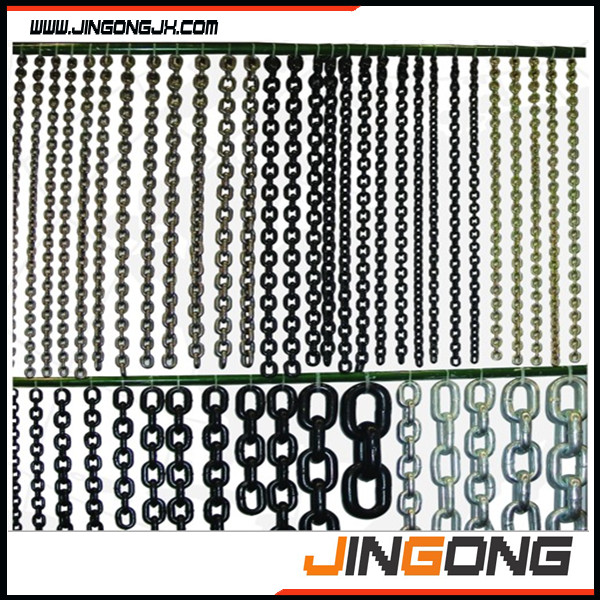
Beyond the grade, you must specify the exact wire diameter, inside length (pitch), and inside width. Surface finish is equally critical for corrosion resistance. Hot-dip galvanizing provides robust outdoor protection but adds thickness that can affect tolerance in hoists or sprockets. Electro-galvanizing offers a smoother, thinner finish for lighter duty, while self-colored or oiled finishes are typical for chains that will be further processed or enclosed.
Manufacturing Vulnerabilities and Quality Control
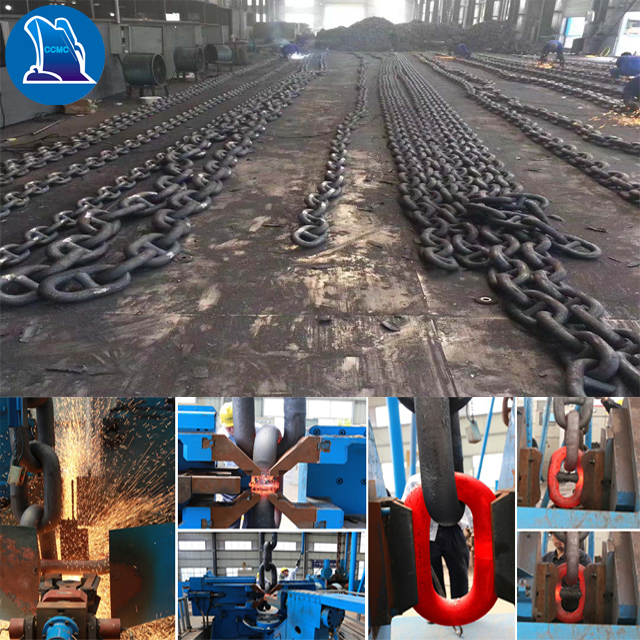
The structural integrity of a chain is won or lost during welding and heat treatment. Most high-volume link chains are manufactured using automatic bending and flash butt welding. If the factory's welding parameters (current, pressure, and time) are not perfectly calibrated for the specific steel heat, the weld will be brittle or incomplete.
Because chain manufacturing is highly automated, equipment maintenance and raw material consistency are the primary indicators of a factory's capability. Relying on thorough Factory Audits before placing an order allows you to verify that a supplier has the correct automated forming machines, in-house tensile testing equipment, and controlled continuous heat-treatment furnaces.
Need to verify a chain manufacturer's technical capabilities? Let's discuss your sourcing requirements.
Talk to our teamPre-Shipment Inspection Checklist
To prevent defective batches from leaving the factory, your Quality Control & Inspection protocol should be rigorous and well-documented.
Key Inspection Points for Bulk Chains
- Visual inspection of welds for excessive flash, pitting, or misalignment.
- Dimensional verification of wire diameter, pitch, and width using calibrated calipers.
- Surface finish thickness measurement (e.g., zinc coating thickness testing).
- Proof load testing to ensure the chain can withstand standard operational stress without permanent deformation.
- Destructive testing (Minimum Breaking Load) on random samples from the production run.
- Verification of embossed grade markings and manufacturer identification codes.
Pricing Dynamics and MOQs
Chain pricing is fundamentally tied to global steel commodity indices (specifically steel wire rod), combined with the cost of energy for heat treatment and raw materials for surface finishing (like zinc). When steel prices fluctuate, expect factory quotes to adjust accordingly.
Minimum Order Quantities (MOQs) for standard commercial chains are typically based on weight or production time. A standard MOQ often ranges from 1 to 3 metric tons per size/grade, which roughly translates to an efficient run for the drawing and forming machines. If you require custom dimensions or specialized OEM/ODM Services for bespoke marine or industrial applications, the MOQ may increase to justify the tooling and setup costs.
Struggling with volatile pricing or inconsistent quality from current suppliers? We can help stabilize your supply chain.
Get a free consultationPackaging and Freight Considerations
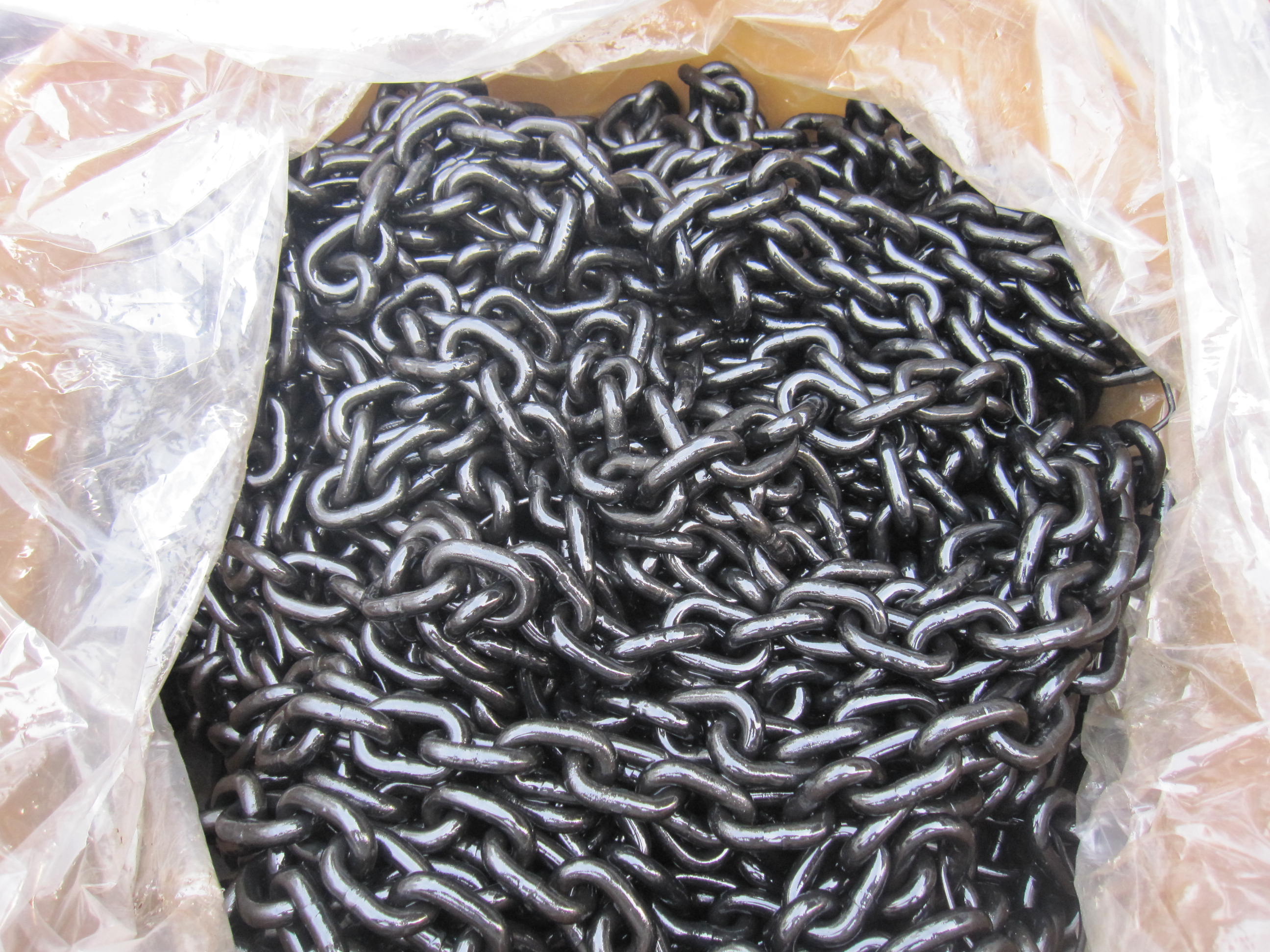
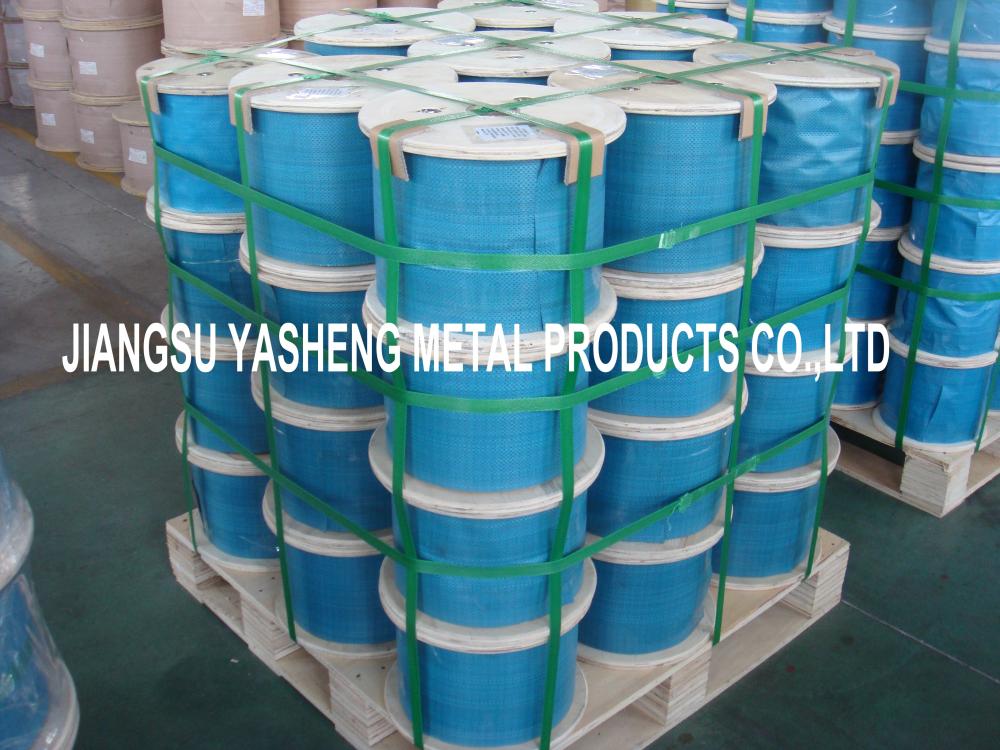
Chains are exceptionally dense and heavy, making logistics a significant factor in your landed cost. Standard packaging includes gunny bags (typically 25kg to 50kg), plastic pails, steel drums, or wooden half-pallets. The choice of packaging depends heavily on how the chain will be distributed or retailed in your destination market. Ensure your supplier uses heavy-duty, export-grade pallets that can withstand the concentrated weight during ocean freight and warehouse handling.
Successfully sourcing chains at scale requires moving beyond unit price and focusing on the factory's process control, raw material sourcing, and testing infrastructure. By establishing clear specifications and enforcing strict quality oversight, you can secure reliable, high-performance hardware that protects your brand and your bottom line.
Get Sourcing Help for Chains
Tell us your requirements and our experts will connect you with verified manufacturers.