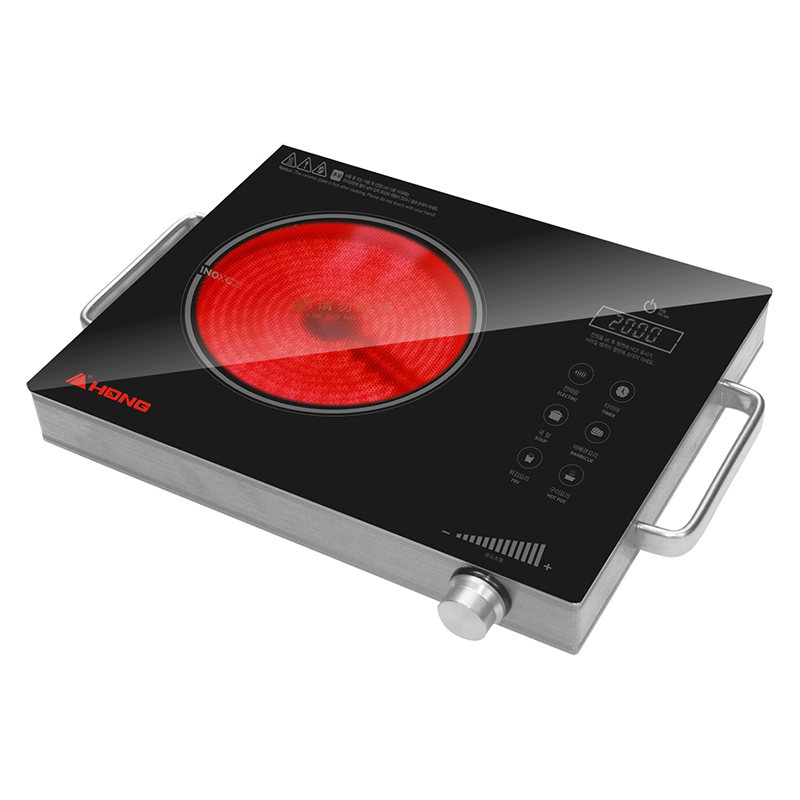
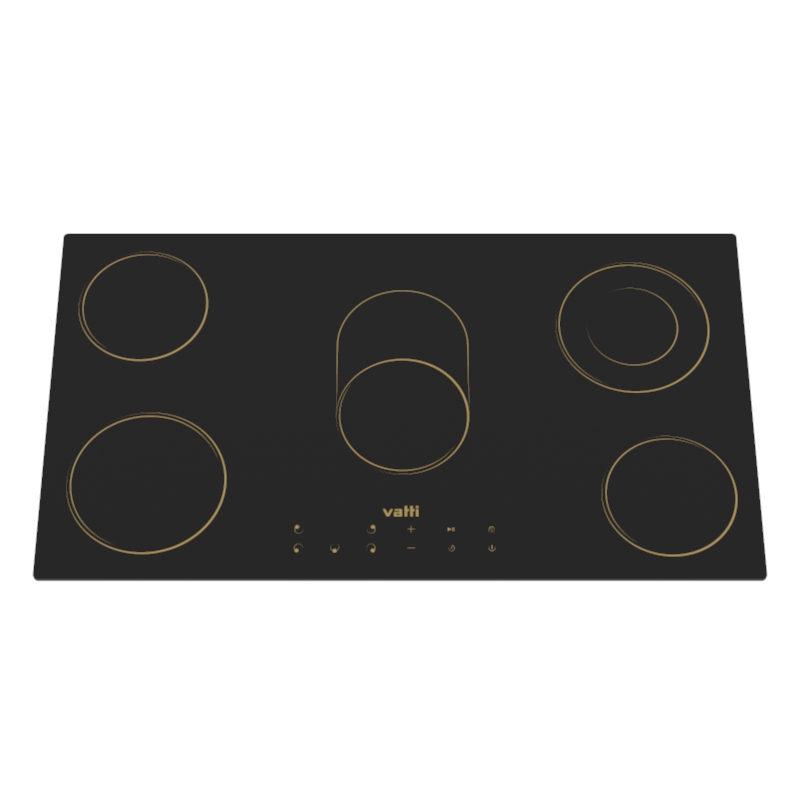
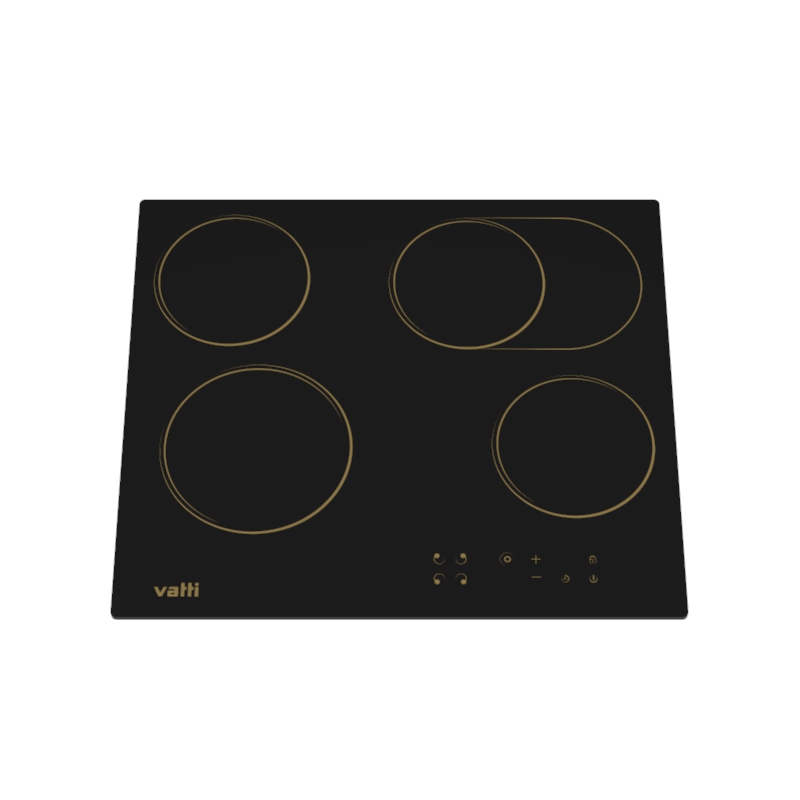
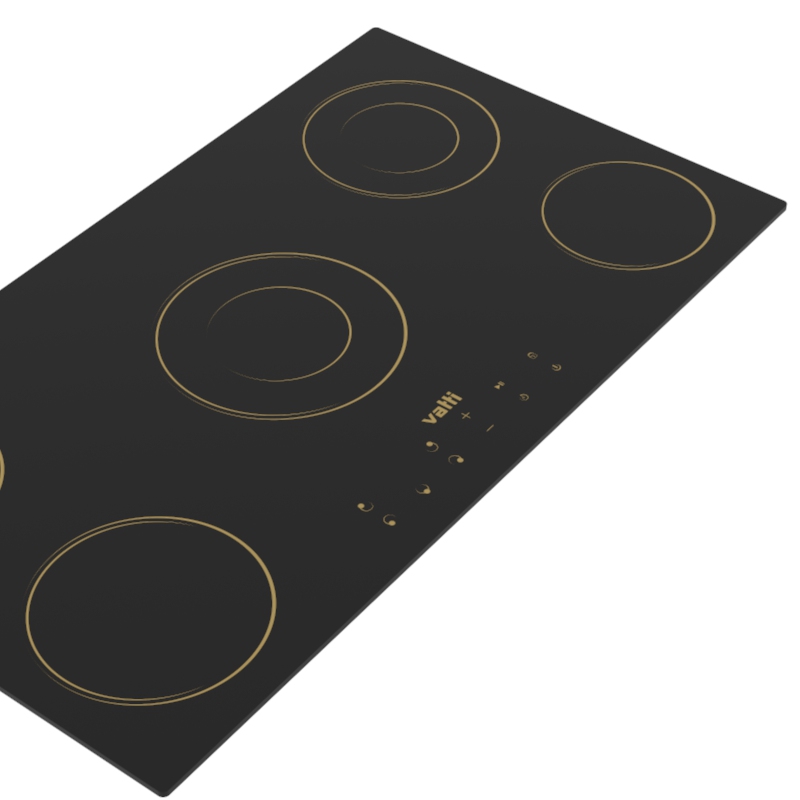
Ceramic Cooktops
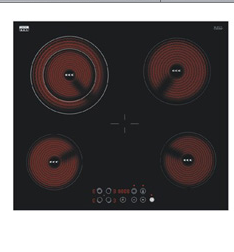
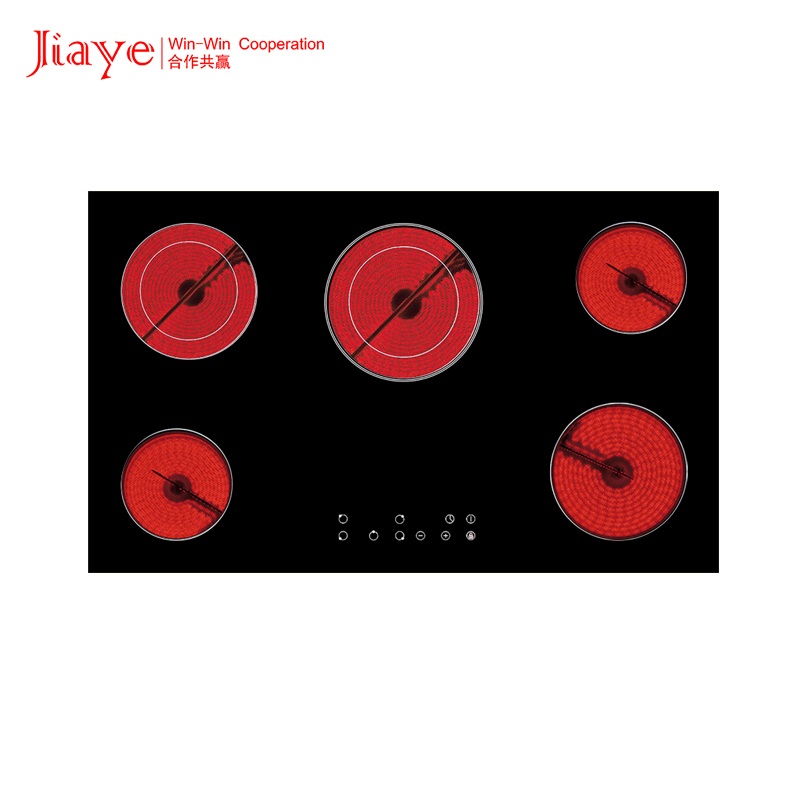
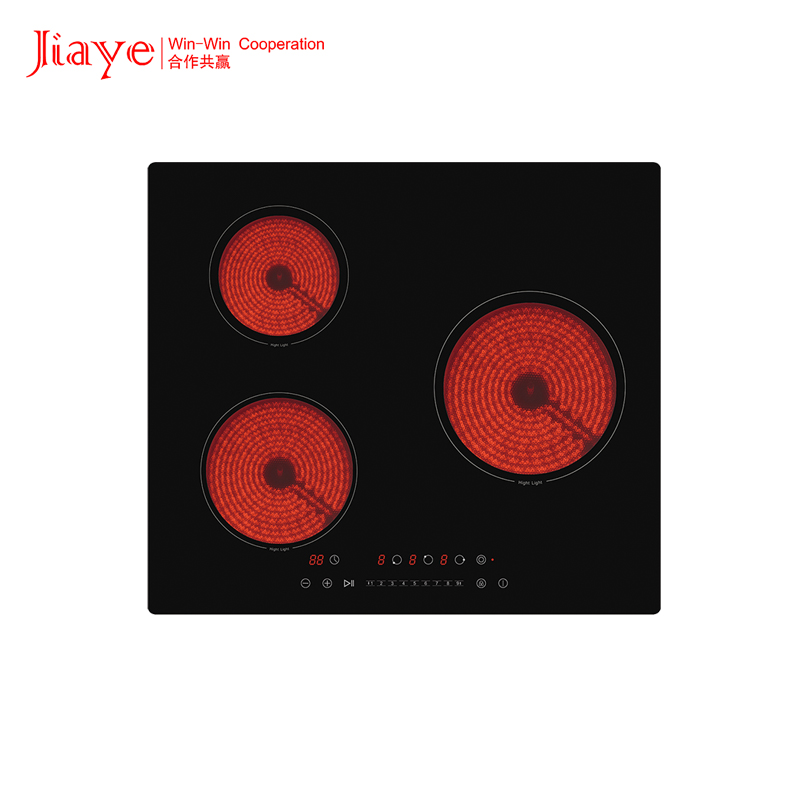
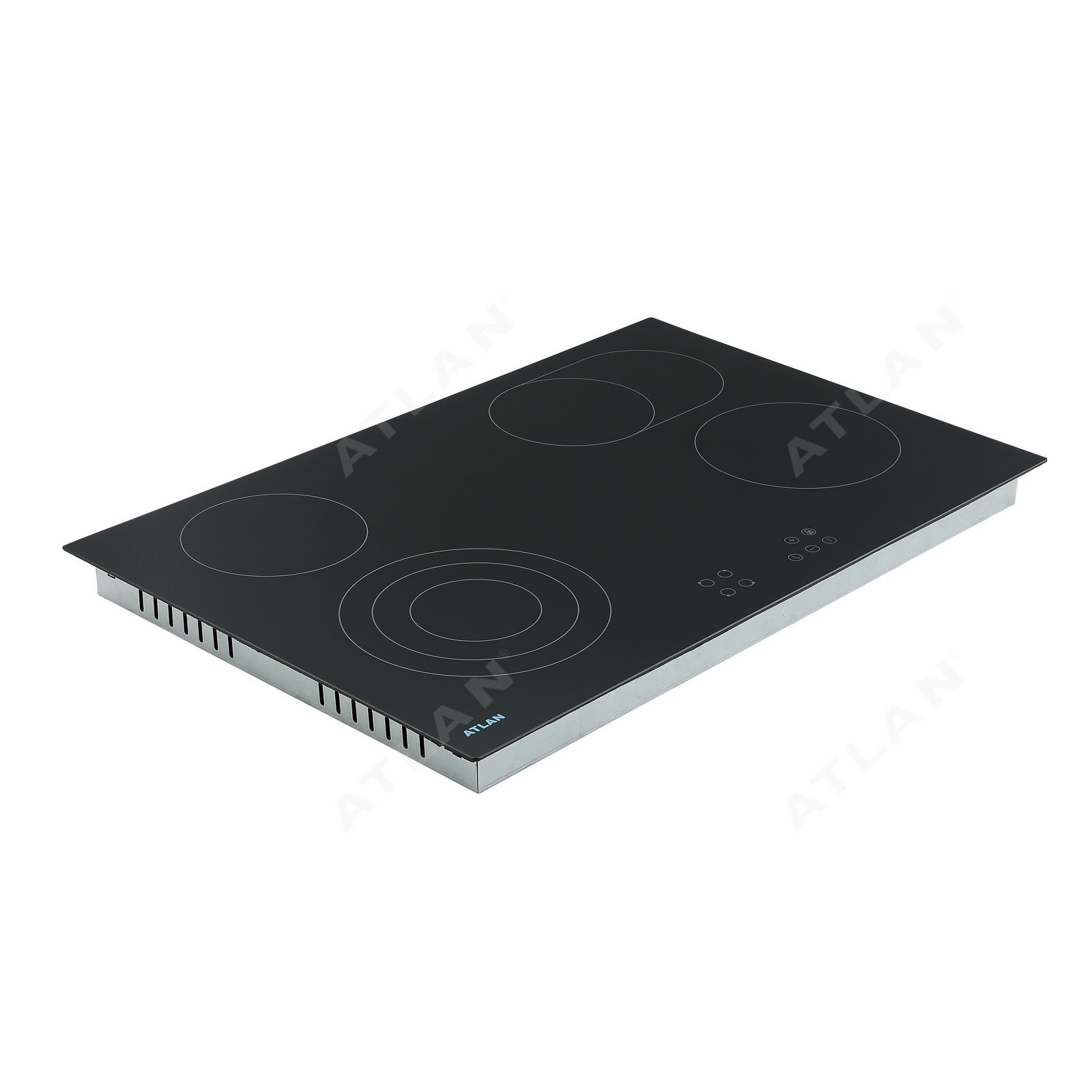
Source premium ceramic cooktops from vetted manufacturers and suppliers across Asia. Designed for importers, appliance wholesalers, and brands seeking reliable OEM and private-label production, our network delivers high-performance units built to strict international safety and energy standards.
Sourcing ceramic cooktops at scale requires balancing aesthetic appeal with rigorous thermal performance and electrical safety. The core challenge in this category lies in component selection—specifically the glass-ceramic substrate and the radiant heating elements—as these dictate both the lifespan of the appliance and its compliance with international market standards.
Component Selection & Technical Specifications
The reliability of a ceramic cooktop is entirely dependent on its bill of materials (BOM). When negotiating with manufacturers, professional buyers must specify the exact origin and grade of the three critical components.
- Glass-Ceramic Panels: The defining feature of the appliance. German (Schott Ceran) and French (EuroKera) glass dominate the premium tier, offering superior thermal shock resistance and scratch durability. For mid-tier markets, top Chinese manufacturers (such as Kanger) provide highly capable alternatives at a significantly lower cost.
- Radiant Heating Elements: These must deliver consistent wattage without degrading over time. European EGO elements are the industry gold standard for longevity, while top-tier domestic Chinese elements offer cost-effective reliability if properly vetted.
- Control Boards (PCBs): High-heat environments are hostile to electronics. Touch controls and slider interfaces require robust heat shielding and high-grade capacitors to prevent premature failure.
| Specification | Premium Build | Standard Build |
|---|---|---|
| Glass Substrate | Schott Ceran / EuroKera | Domestic Chinese (e.g., Kanger) |
| Heating Elements | EGO (Germany) | High-grade Domestic |
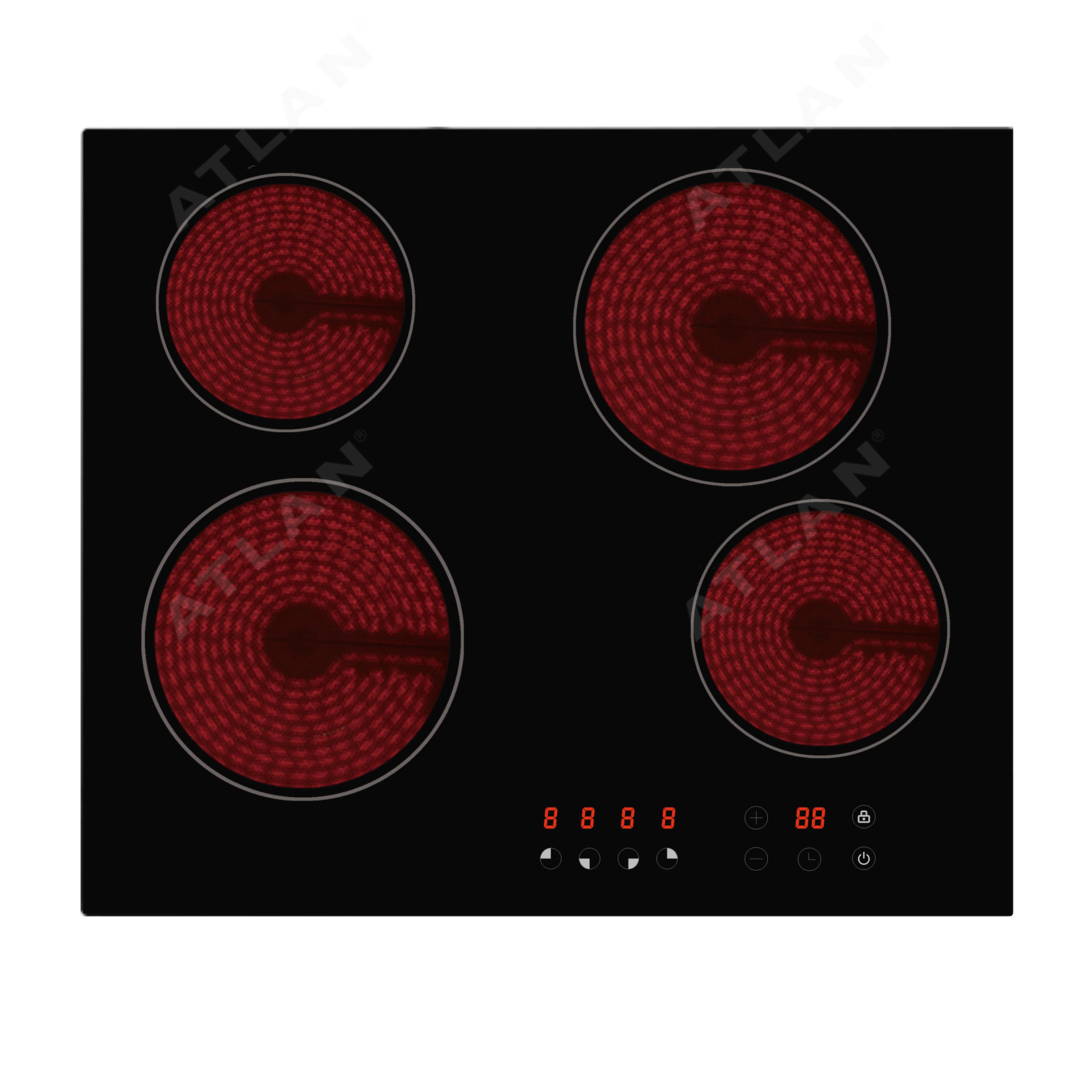
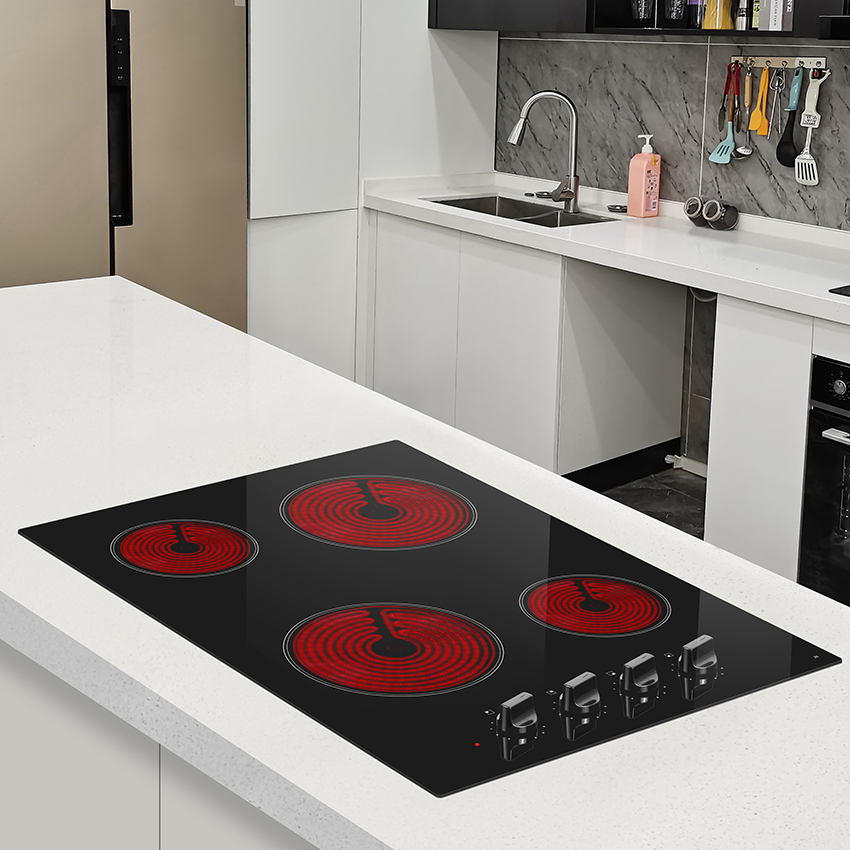
| Control Interface | Slider Touch with dedicated IC | Standard Touch or Rotary Knobs |
| Thermal Protection | Dual independent sensors | Single sensor per zone |
Navigating component trade-offs? Let our sourcing experts help you specify the right build for your target market.
Talk to our teamManufacturing Tolerances & Quality Control
Quality is not just about specifying good components; it is about precision assembly. Poor manufacturing tolerances can lead to moisture ingress, overheating, and electrical faults. Because the risks associated with high-voltage heating appliances are severe, conducting thorough Factory Audits before placing an order is non-negotiable.
During production, strict Quality Control & Inspection protocols must be enforced on the factory floor.
Critical Factory QC Checkpoints
- Silicone Sealing: Ensure uniform application around the glass edge to prevent liquid ingress into the PCB cavity.
- Dielectric Strength (Hi-Pot) Testing: Verify insulation integrity at high voltages to prevent electric shock.
- Thermal Shock Testing: Sample testing by heating the glass to maximum temperature and applying cold water.
- Earth Continuity: Mandatory checking of the grounding circuit on every assembled unit.
- Heat Shielding: Inspect the placement of mica or fiberglass insulation between the heating elements and the control board.
OEM/ODM Customization and Compliance
Most buyers utilize OEM/ODM Services to customize existing factory molds. While creating a completely custom glass shape requires expensive tooling, customizing the serigraphy (the printed design on the glass), the user interface, and the bezel design is standard practice and highly cost-effective.
Compliance is market-specific and strictly enforced. European markets require CE, CB, and RoHS compliance. North American buyers must specify UL or ETL certification, while Australia requires SAA. Never assume a factory's standard model carries the specific certifications required for your region; always verify the test reports against the exact BOM you are purchasing.
Pricing, MOQs, and Lead Times
Ceramic cooktop pricing is highly elastic, driven primarily by the number of heating zones and the origin of the glass and heating elements. Upgrading a standard 4-zone cooktop from domestic glass to Schott Ceran can increase the unit cost by 30 percent or more.
Need accurate pricing and lead times for your next cooktop order? Connect with our procurement team.
Get a free consultationFrequently Asked Questions
Sourcing ceramic cooktops requires strict attention to component origins and assembly tolerances. A well-specified unit built by a verified factory will perform reliably for years, protecting your brand's reputation and minimizing costly warranty returns.
Get Sourcing Help for Ceramic Cooktops
Tell us your requirements and our experts will connect you with verified manufacturers.