Ceramic Ball Bearings
Source high-performance Ceramic Ball Bearings from vetted suppliers and manufacturers. Designed for industrial importers, wholesale distributors, and brands requiring reliable OEM production, our network delivers precision-engineered bearings built to handle demanding high-speed, high-temperature, and corrosive applications at scale.
Sourcing ceramic ball bearings at scale requires strict attention to material purity, machining tolerances, and assembly environments. Whether you are procuring full ceramic units for chemical processing or hybrid bearings for high-speed electric motors, the primary challenge lies in verifying that a factory's output consistently matches the specified ABEC grade and material composition across bulk production runs.
Specifying Ceramic Bearing Materials
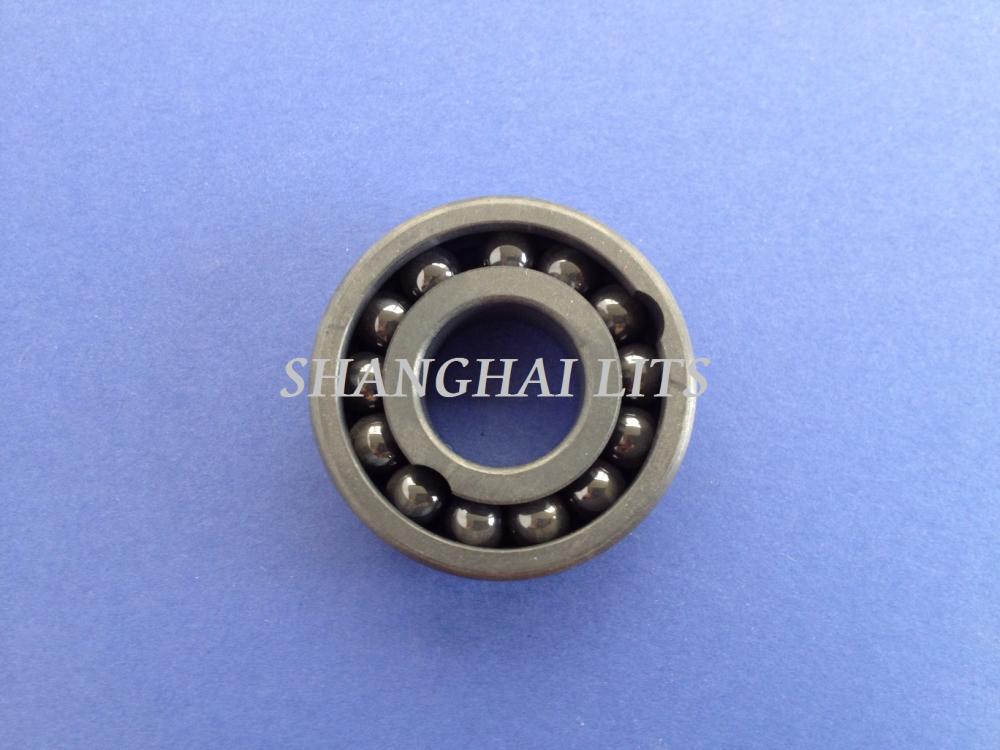
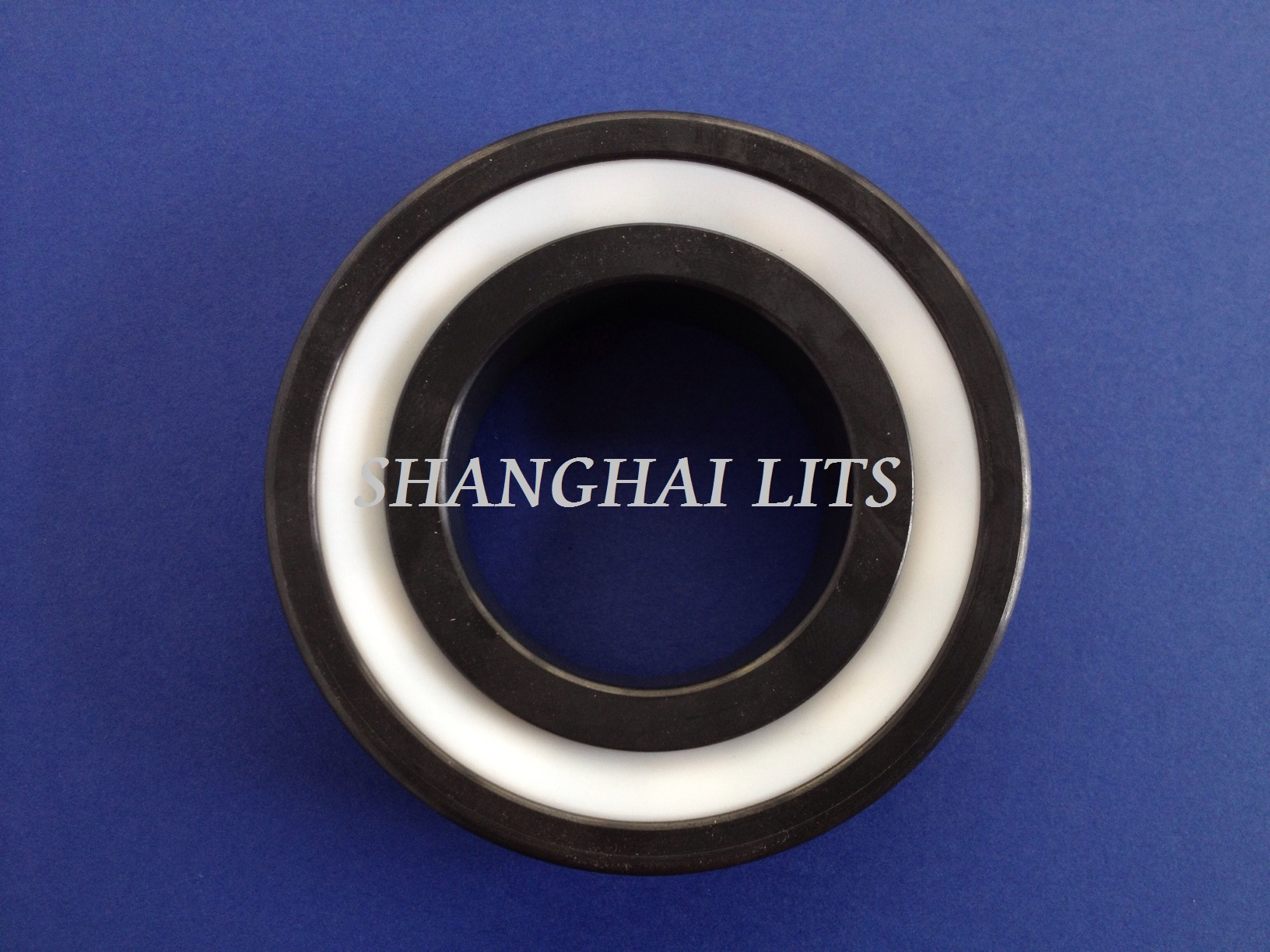
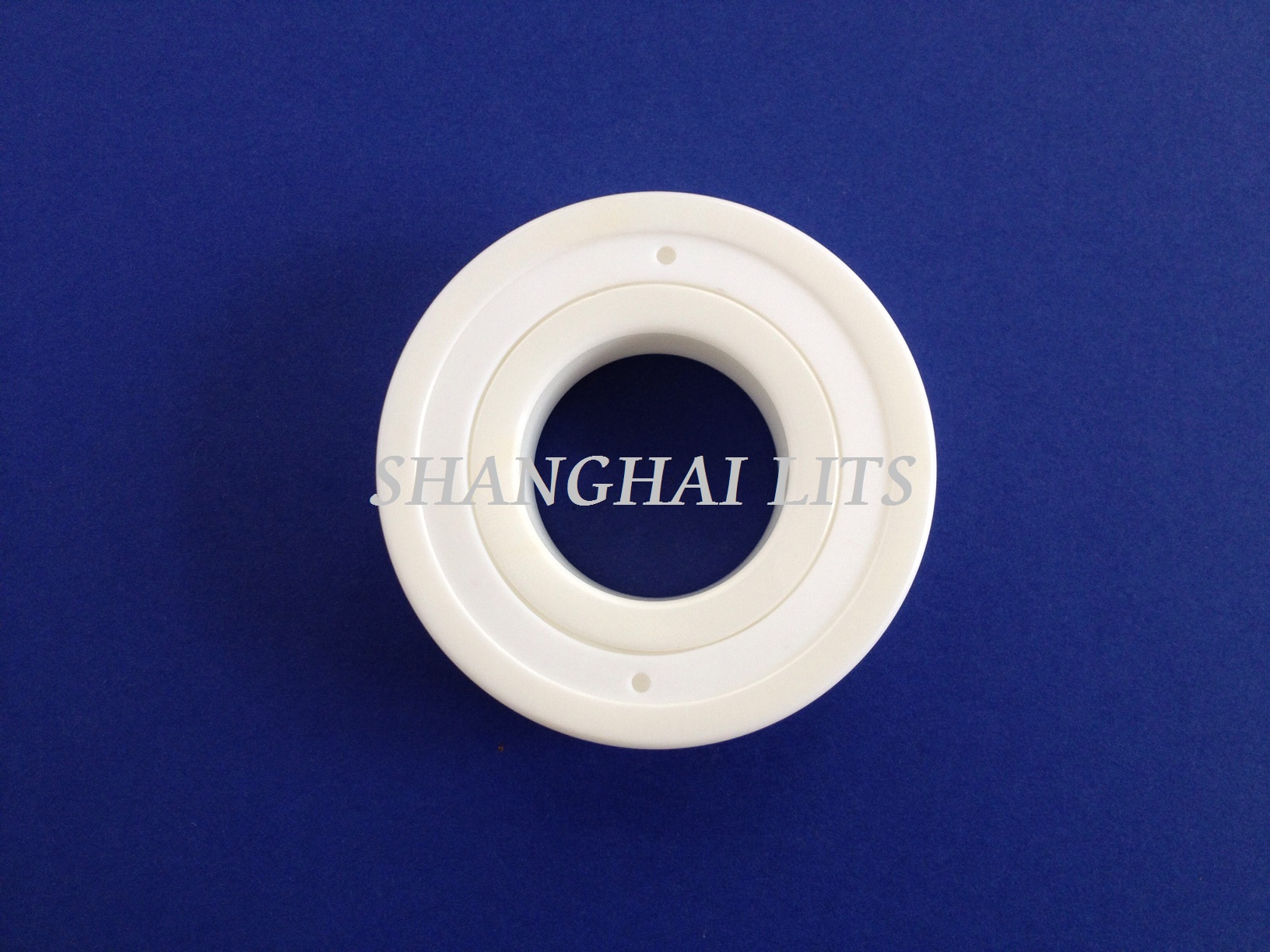
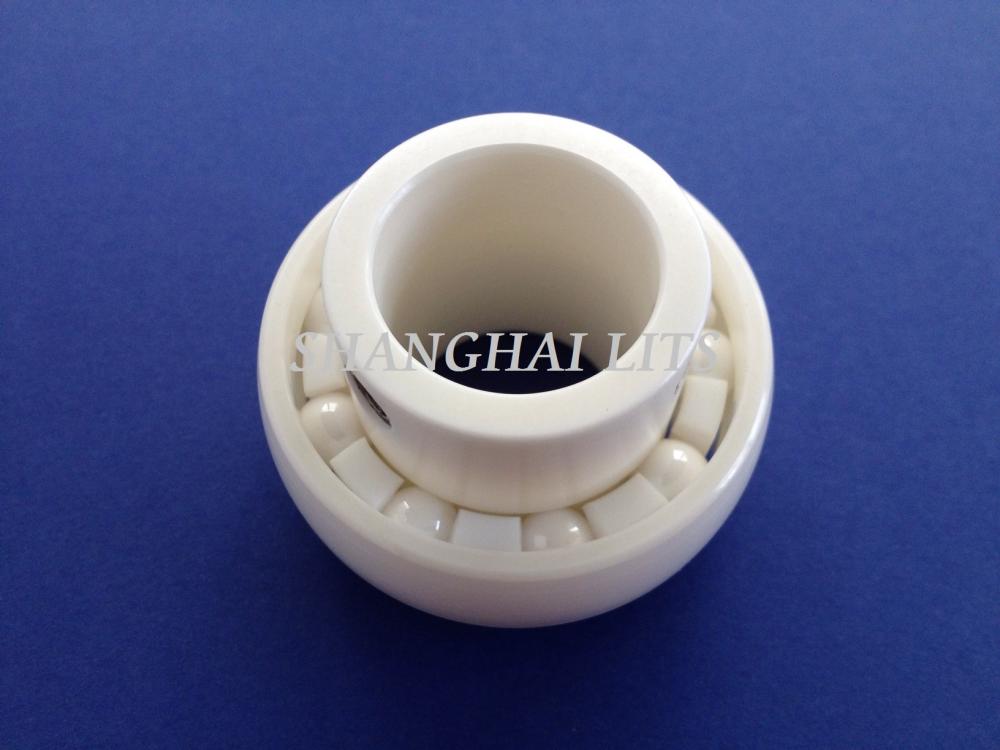
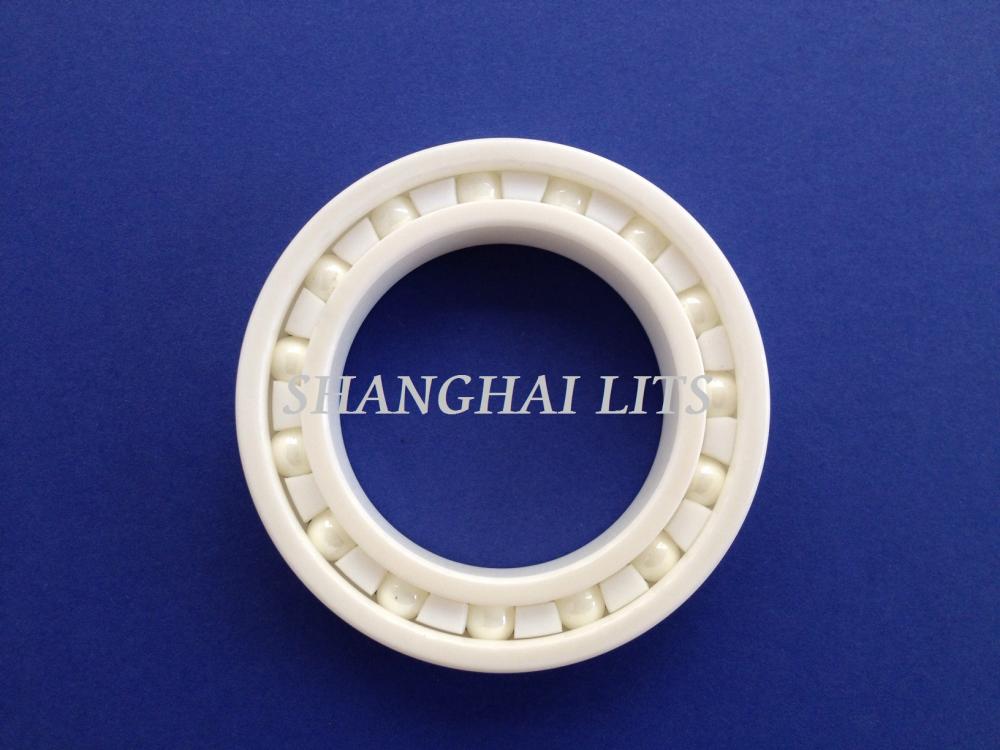
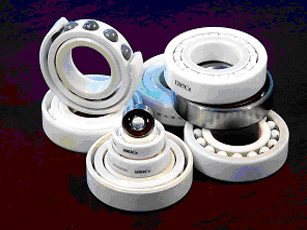
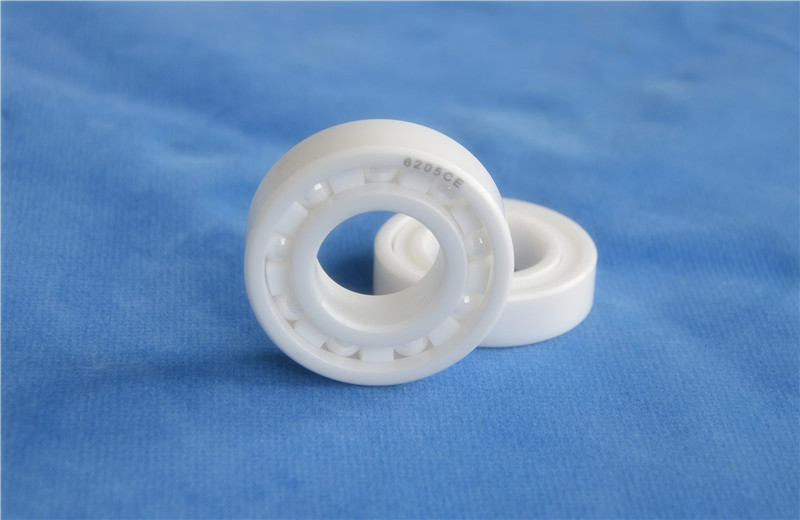
The term "ceramic bearing" encompasses several distinct configurations, each dictating the manufacturing cost and end-use application. Specifying the exact material for both the rolling elements and the races is the first critical step in communicating with manufacturers.
| Bearing Type | Material Characteristics | Primary Applications |
|---|---|---|
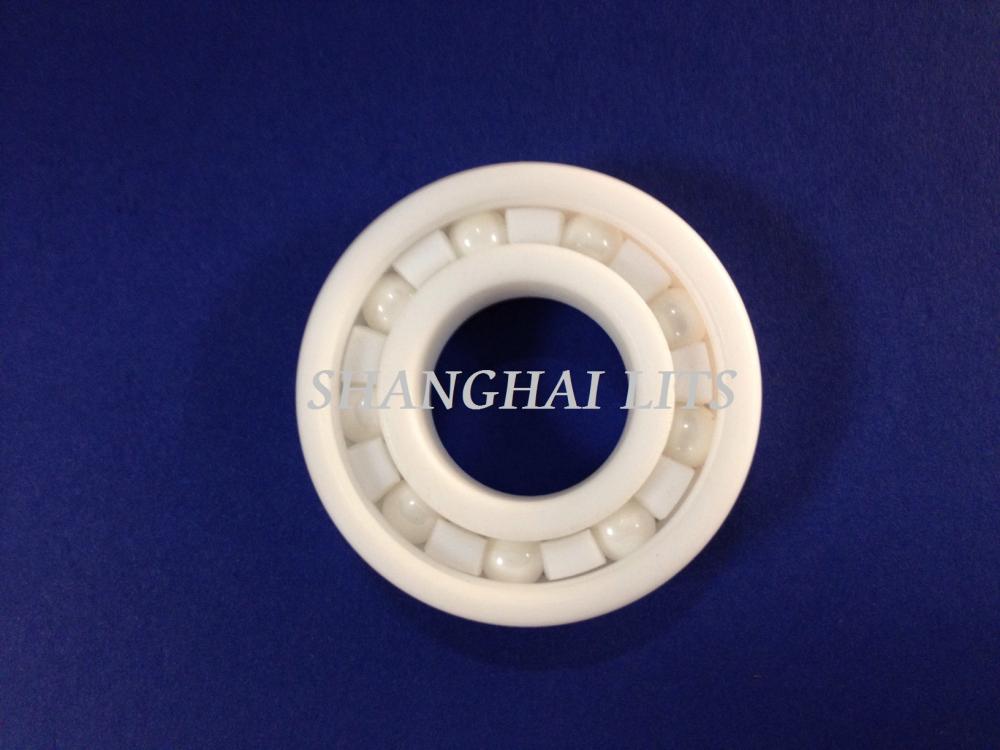
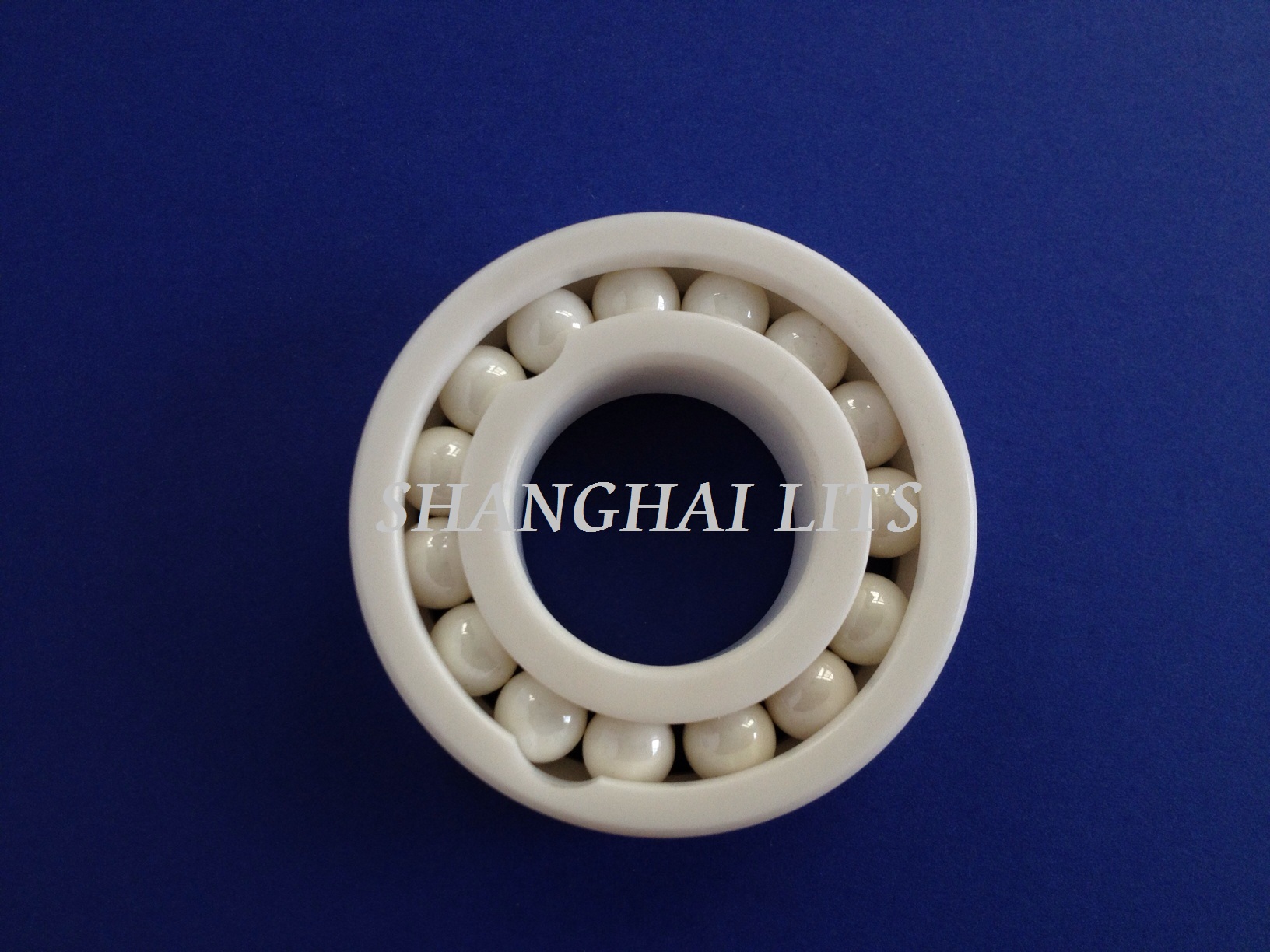
| Full Ceramic (ZrO2) | High fracture toughness, thermal expansion similar to steel, heavier than Si3N4. | High-temperature, highly corrosive, and non-magnetic environments. |
| Full Ceramic (Si3N4) | Lower density, extreme hardness, excellent thermal shock resistance. | Ultra-high-speed spindles, aerospace, and vacuum applications. |
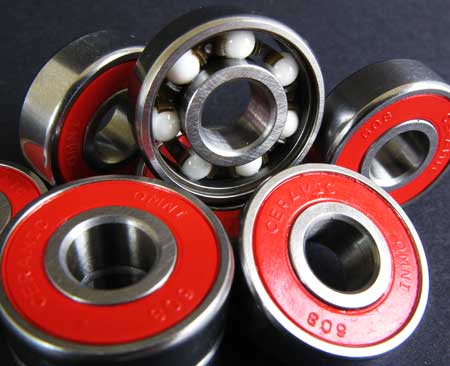
| Hybrid (Steel Rings + Ceramic Balls) | Combines steel load capacity with ceramic low-friction and insulating properties. | Electric motors, machine tools, automotive, and performance cycling. |
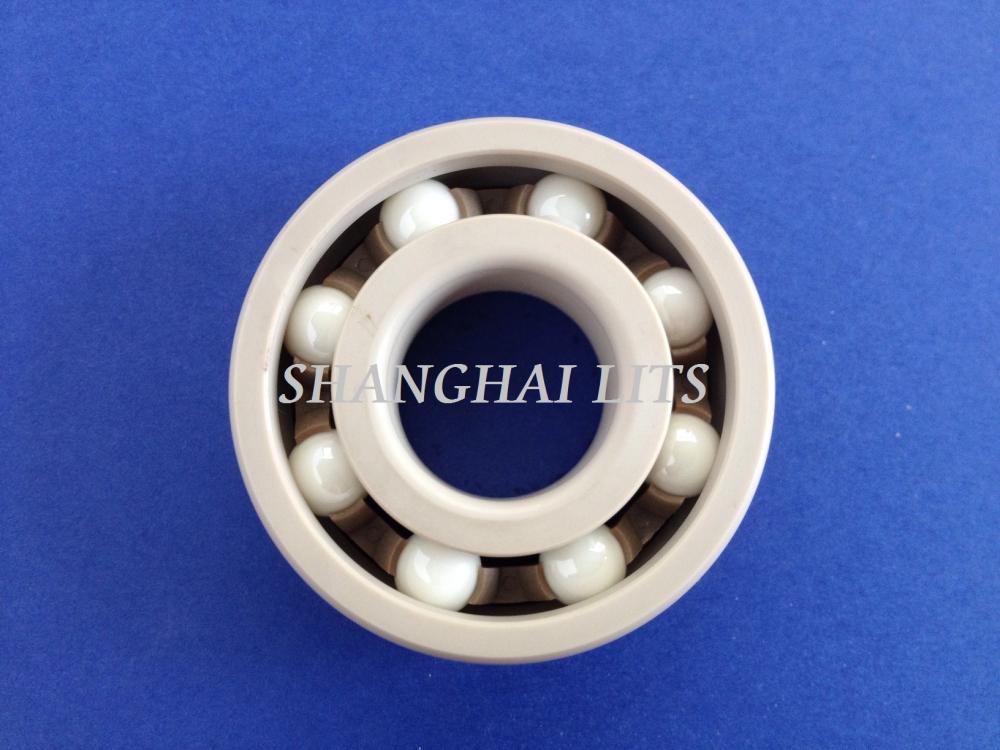
Beyond the rings and balls, the cage (or retainer) material must be specified based on the operating environment. Standard options include PTFE or PEEK for chemical resistance, while high-temperature applications often require full complement designs (no cage) to eliminate melting risks.
Need help verifying supplier material certifications?
Talk to our teamManufacturing Tolerances and Supplier Capabilities
Ceramic materials are notoriously difficult to machine. Achieving high precision—particularly ABEC 5, 7, or 9 grades—requires advanced CNC grinding and lapping equipment. Many lower-tier factories lack the in-house machinery for high-precision ceramic grinding and will outsource this critical step, leading to inconsistent radial clearance and surface finish defects.
Conducting rigorous Factory Audits is essential before placing bulk orders. You must verify that the manufacturer actually owns the necessary metrology equipment (such as roundness testers and profilometers) to guarantee the sphericity of the ceramic balls (typically Grade 3, 5, or 10).
Essential Quality Control Checks
Pre-Shipment Inspection Focus Areas
- Sphericity and surface finish verification of ceramic rolling elements.
- Radial internal clearance (C2, C0, C3, C4, C5) measurement against specifications.
- Vibration and noise testing (Z1V1 to Z4V4 standards) for hybrid bearings.
- Visual inspection for micro-cracks or chipping on ceramic races.
- Cage material integrity and dimensional accuracy.
Implementing a strict Quality Control & Inspection protocol ensures that these parameters are tested prior to container loading, preventing costly failures in your customers' end products.
Buying Mechanics: MOQs, Lead Times, and Pricing
Procuring ceramic bearings differs significantly from standard steel bearings. Raw material costs are higher—Silicon Nitride (Si3N4) is substantially more expensive than Zirconia (ZrO2)—and the extended grinding times limit factory production capacity.
When managing Product Sourcing for custom or OEM requirements, expect factories to request detailed technical drawings specifying load ratings, operating speeds, and lubrication requirements before providing accurate quotations. Standard off-the-shelf sizes (like 608 or 6902 series) will command lower MOQs, while custom dimensions require tooling investments.
Discuss your pricing and MOQ requirements with a sourcing expert.
Get a free consultationFrequently Asked Questions
Sourcing industrial-grade ceramic ball bearings requires moving past superficial supplier claims to verify actual machining capabilities and material authenticity. By establishing clear technical specifications and implementing rigorous on-site quality checks, buyers can secure high-performance components that meet exact engineering standards.
Get Sourcing Help for Ceramic Ball Bearings
Tell us your requirements and our experts will connect you with verified manufacturers.