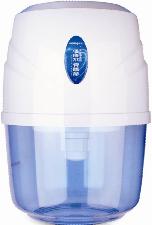
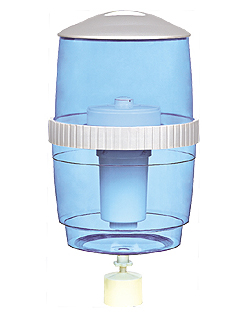
Ceramic Activated Carbon Water Purifiers
Source high-quality ceramic activated carbon water purifiers from vetted manufacturers and wholesale suppliers. Designed for importers, distributors, and brands seeking reliable OEM and private-label production, our network delivers bulk filtration solutions built to exacting international standards.
Sourcing ceramic activated carbon water purifiers requires balancing the precise physical filtration of a diatomaceous ceramic shell with the chemical adsorption of an inner carbon core. For bulk buyers, the primary challenge lies in verifying that a manufacturer can consistently maintain sub-micron pore sizes without introducing micro-cracks during the kiln firing process, all while ensuring the carbon block density meets your specific flow-rate and adsorption requirements.
Critical Specifications for Ceramic Carbon Filters
When evaluating suppliers, the technical specifications of both the ceramic housing and the carbon core dictate the product's market positioning and compliance. Relying on visual inspection is insufficient; you must mandate specific tolerances in your purchasing agreements.
- Ceramic Pore Size: The ceramic shell acts as a physical barrier against cysts (like Giardia and Cryptosporidium) and particulate matter. You must specify whether the micron rating is absolute or nominal. An absolute rating of 0.5 microns is standard for high-performance units, whereas nominal ratings leave room for larger particles to pass through.
- Carbon Core Quality: The inner core is typically a carbon block (CTO) or granular activated carbon (GAC). The adsorption capacity is measured by the iodine value. High-performance filters require coconut shell carbon with an iodine value of 1000 mg/g or higher, ensuring maximum reduction of chlorine, volatile organic compounds (VOCs), and foul odors.
- Flow Rate vs. Pressure Drop: A denser ceramic shell and tighter carbon block improve filtration but increase pressure drop. Your factory must balance porosity to maintain an acceptable flow rate (typically 0.5 to 1.0 gallons per minute at 60 psi for standard 10-inch cartridges) without compromising structural integrity.
| Specification | Standard Grade | Premium Grade |
|---|---|---|
| Ceramic Micron Rating | 0.9 to 1.2 microns (Nominal) | 0.2 to 0.5 microns (Absolute) |
| Carbon Source | Coal-based or blended | 100% Coconut Shell |
| Iodine Value | 800 mg/g | 1000 to 1200 mg/g |
| End Cap Bonding | Standard hot melt | Food-grade epoxy / Ultrasonic |
Need help verifying supplier specifications and carbon core quality? Let our sourcing engineers evaluate your factory options.
Talk to our teamManufacturing Tolerances and Defect Control
The manufacturing process for ceramic filters is notoriously sensitive to temperature fluctuations. The diatomaceous earth must be extruded and fired in kilns at precise temperatures (often exceeding 1000 degrees Celsius). If a factory's thermal control is inconsistent, the resulting ceramic will suffer from micro-cracking or uneven porosity—defects that are invisible to the naked eye but catastrophic for filtration efficacy.
Because these defects occur deep in the production cycle, conducting thorough Factory Audits before placing an order is critical. You need to assess their kiln temperature logs and extrusion machinery maintenance records.
Key Focus Areas for Factory Production
- Kiln Temperature Control: Verify automated thermal logging to prevent micro-cracks during firing.
- Carbon Block Extrusion: Ensure consistent binder-to-carbon ratios to prevent channeling.
- End-Cap Sealing: Check that food-grade, high-temperature adhesives or ultrasonic welding are used to prevent bypass leaks.
- Air Testing: Confirm 100% of ceramic shells undergo compressed air submersion testing to identify structural fractures.
Furthermore, the materials used must meet global safety standards. If you are importing to North America or Europe, integrating rigorous Compliance & Testing for NSF/ANSI 42 (aesthetic effects) and NSF/ANSI 53 (health effects) is non-negotiable.
Volume Purchasing: MOQs, Pricing Drivers, and Lead Times
Procurement economics in the water filtration sector are heavily influenced by the raw materials and the degree of customization required for the filter housings and end caps.
Standard 10-inch drop-in replacement cartridges generally carry lower Minimum Order Quantities (MOQs), often starting around 1,000 to 2,000 units. However, if you are utilizing OEM/ODM Services to develop proprietary end-cap designs that fit exclusively into your brand's filter housings, factories will require tooling investments and higher MOQs, typically ranging from 5,000 to 10,000 units to offset the setup costs.
Pricing is directly correlated with the iodine value of the carbon and the absolute micron rating of the ceramic. A shift from coal-based carbon to premium coconut shell carbon will increase unit costs but drastically improve the product's market viability. To protect your investment, robust Quality Control & Inspection protocols should be implemented, including pre-shipment flow-rate and pressure-drop testing.
Optimize your procurement strategy. We help buyers negotiate favorable MOQs and manage complex OEM tooling projects.
Get a free consultationSuccessfully sourcing ceramic activated carbon water purifiers requires vigilance at every stage—from specifying the correct iodine value to auditing the thermal consistency of a factory's kilns. By enforcing strict tolerances and validating production through rigorous inspections, you can secure reliable, high-performance filtration products that protect both end-users and your brand's reputation.
Get Sourcing Help for Ceramic Activated Carbon Water Purifiers
Tell us your requirements and our experts will connect you with verified manufacturers.