Cemented Carbide
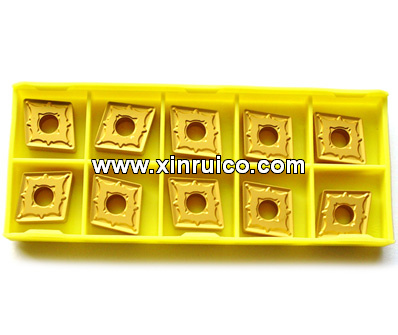
Source premium cemented carbide from vetted suppliers and manufacturers across Asia. Designed for industrial distributors, tooling brands, and procurement managers, our network supports bulk wholesale orders and custom OEM production to meet your exact metallurgical specifications.
Sourcing cemented carbide at scale is an exercise in metallurgical precision. Because it is a powder metallurgy product, the final performance of the material is entirely dependent on the manufacturer's control over grain size, binder distribution, and sintering profiles. A slight deviation in carbon balance or pressing pressure can lead to catastrophic tool failure, making supplier selection the most critical variable in your supply chain.
Defining Your Cemented Carbide Specifications
When communicating with manufacturers, vague requirements lead to inconsistent batches. You must define the exact metallurgical properties required for your application. The balance between hardness (wear resistance) and transverse rupture strength (toughness) is primarily dictated by two factors: the cobalt (Co) binder content and the tungsten carbide (WC) grain size.
| Application Type | Typical Cobalt % | Grain Size | Key Characteristic |
|---|---|---|---|
| Metal Cutting (Finishing) | 3% to 6% | Sub-micron | Maximum hardness, lower toughness |
| Woodworking Tools | 6% to 10% | Fine to Medium | Balanced wear and impact resistance |
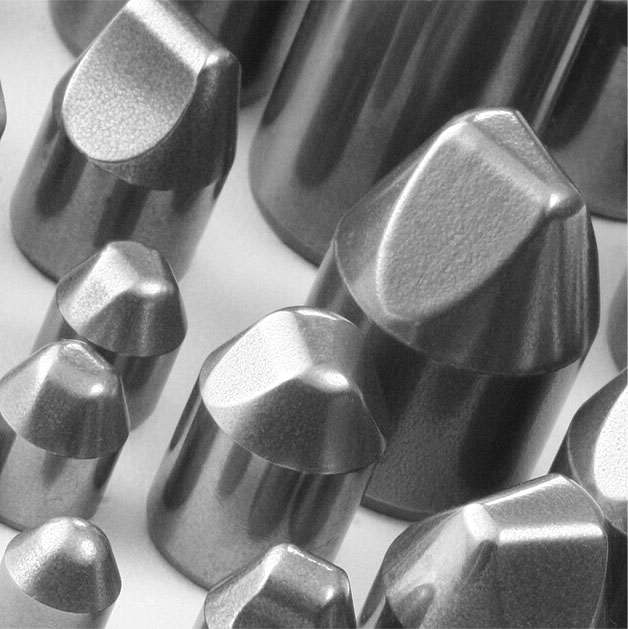
| Mining & Drilling | 11% to 16% | Coarse to Extra Coarse | High impact resistance, thermal stability |
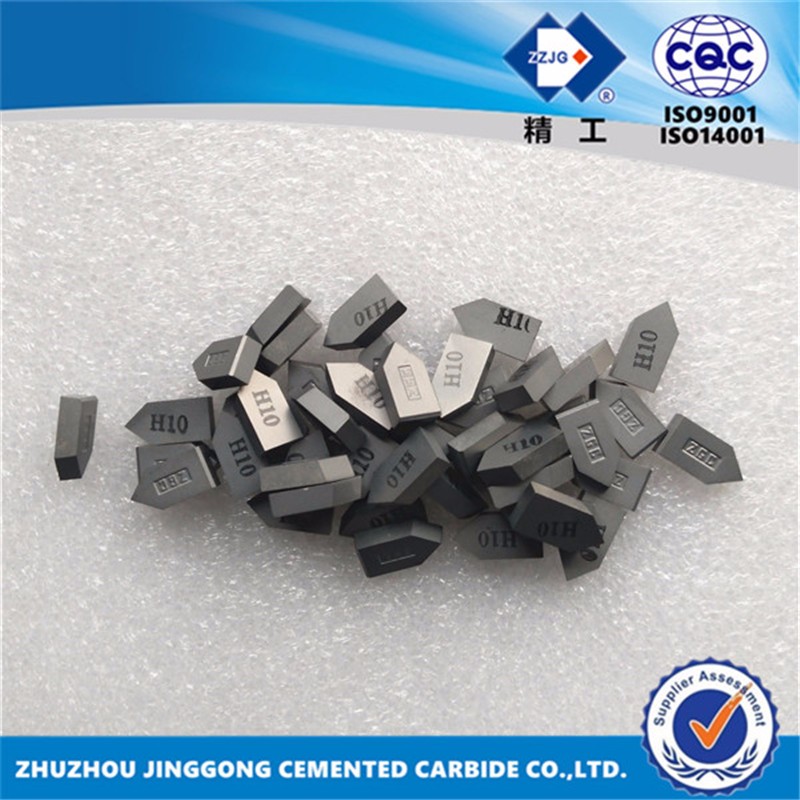
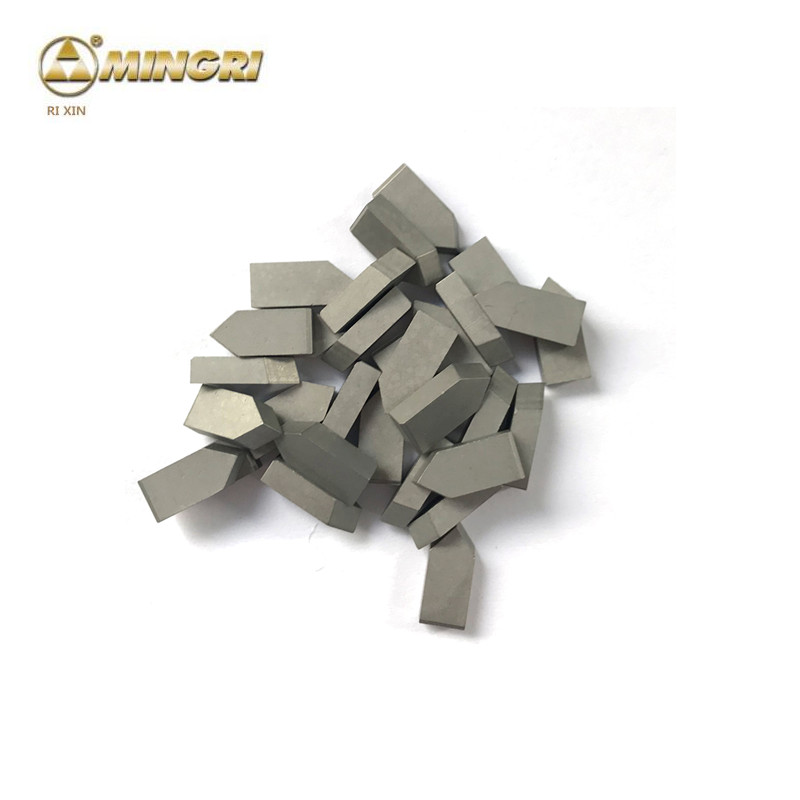
Beyond composition, specify the physical state of the carbide. Are you purchasing standard "as-sintered" blanks, or do you require precision-ground components? Ground components require advanced CNC grinding capabilities at the factory, which limits the pool of qualified suppliers. If you are developing proprietary tooling shapes, engaging OEM/ODM Services is necessary to manage the custom die creation and pressing processes.
Need help finding a factory capable of pressing complex custom carbide shapes?
Discuss Your SpecsCritical Quality Control Checkpoints
The primary risk in sourcing cemented carbide is internal defects that are invisible to the naked eye. Evaluating a factory's quality management system is paramount. Reliable manufacturers will have in-house metallurgical labs to test powder batches before pressing and final parts after sintering.
Essential Factory-Level Quality Checks
- Porosity assessment: Ensure the factory tests to ISO 4505 or ASTM B276 standards (e.g., A02, B00, C00 limits).
- Carbon balance: Verification that there is no 'eta phase' (carbon deficiency causing extreme brittleness) or 'free carbon' (excess carbon causing soft spots).
- Density testing: Measured in g/cm³ to confirm complete densification during the HIP (Hot Isostatic Pressing) process.
- Hardness testing: Typically measured on the Rockwell A (HRA) or Vickers (HV) scale.
Never assume these tests are happening automatically. A robust Quality Control & Inspection protocol should dictate that the supplier provides material test reports (MTRs) with every batch, detailing the specific gravity, hardness, and TRS (Transverse Rupture Strength) of the exact lot shipped.
Sourcing Mechanics: MOQs, Pricing, and Lead Times
Cemented carbide is priced by weight (per kilogram), but the cost fluctuates significantly based on the global spot prices of tungsten and cobalt.
When negotiating, understand that highly complex shapes or ultra-fine grain sizes will incur a premium due to the increased difficulty in pressing and the longer, more controlled sintering cycles required. Furthermore, the cost of custom tooling (dies) is usually borne by the buyer upfront, though many factories will amortize or refund this cost once a certain cumulative order volume is reached. Before investing in custom tooling, executing thorough Factory Audits is highly recommended to verify the supplier's financial stability and equipment maintenance schedules.
Ready to optimize your carbide supply chain and negotiate better factory terms?
Speak with an ExpertFrequently Asked Questions
Procuring cemented carbide successfully requires treating the transaction as a technical partnership rather than a simple commodity purchase. By strictly defining your metallurgical requirements and enforcing rigorous testing protocols, you can secure high-performance materials that keep your production—or your customers' production—running smoothly.
Get Sourcing Help for Cemented Carbide
Tell us your requirements and our experts will connect you with verified manufacturers.