Ceiling Grid Components
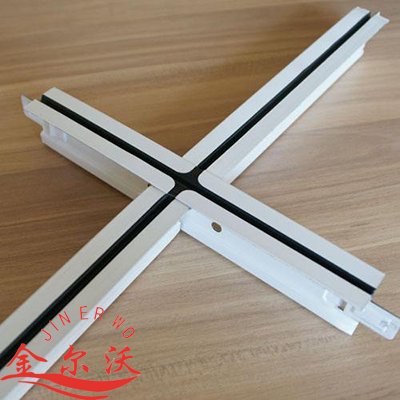
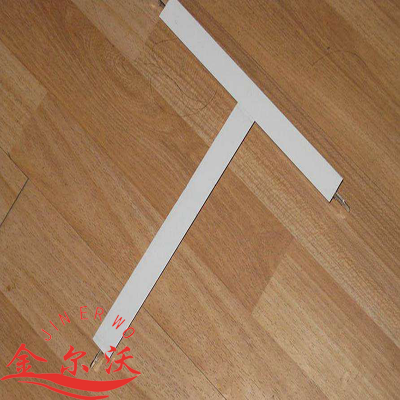
Source commercial-grade ceiling grid components in bulk directly from vetted manufacturers and suppliers. This catalog is designed for importers, distributors, and brands requiring reliable wholesale or OEM production. Secure competitive pricing on T-bars, cross tees, and wall angles built to strict load-bearing standards.
Procuring commercial ceiling grid components in volume requires strict adherence to dimensional tolerances, metallurgical consistency, and load-bearing standards. A minor deviation in roll-forming or inferior steel tempering can lead to grid deflection, compromised interlocking clips, and ultimately, installation failures on the job site.
Essential Specifications for Suspension Grids
The structural integrity of main tees, cross tees, and wall angles relies heavily on the Base Metal Thickness (BMT) and the quality of the galvanized coating. Standard commercial applications typically require a BMT of 0.23mm to 0.30mm, while heavy-duty or seismic-rated grids demand 0.35mm and above.
| Specification | Standard Commercial | Premium / High-Humidity |
|---|---|---|
| Base Metal Thickness | 0.23mm - 0.30mm | 0.35mm - 0.40mm+ |
| Zinc Coating (Galvanized) | Z40 - Z60 | Z80 - Z120+ |
| Surface Finish | Prepainted Polyester | Double-baked Enamel |
| Fire Rating | Class A / Standard | Tested for Fire-Rated Assemblies |
Need to verify a factory's roll-forming precision before placing a bulk order? We can help assess technical capabilities.
Talk to our teamManufacturing Precision and Quality Control
Ceiling grids are manufactured via continuous roll-forming. The critical points of failure during this process are the interlocking clips (which must engage with an audible click and resist lateral pull-out forces) and the straightness of the main runners. Warping or twisting during the roll-forming process renders the grid unusable.
Implementing stringent Quality Control & Inspection directly on the factory floor is essential to catch deflection issues before container loading.
Critical Factory-Level QC Checks
- Dimensional tolerance verification (length, width, and slot spacing).
- Clip engagement force and pull-out resistance testing.
- Coating adhesion tests (cross-hatch testing) to ensure paint does not flake during installation.
- Load-bearing deflection tests (measuring sag under standardized tile weights).
- Salt spray testing for high-humidity or exterior-grade batches.
Conducting comprehensive Factory Audits prior to finalizing your supplier ensures they possess the automated stamping and roll-forming machinery required for consistent output, rather than relying on outdated, manual press lines.
Wholesale Pricing, MOQs, and Lead Times
Because ceiling grids are high-volume, low-margin commodities, production economics are heavily tied to raw material costs—specifically the global steel index and zinc spot prices.
Container utilization is critical. T-bars and angles are dense but long, meaning packing efficiency dictates your landed cost per linear meter. Improper packing can also lead to crushing during transit.
Struggling with freight consolidation or fluctuating steel prices? Let us optimize your procurement strategy.
Get a free consultationBuyer FAQ
Navigating the procurement of ceiling grid components requires balancing raw material volatility with uncompromising structural tolerances. Partnering with experienced professionals ensures your specifications are met, your supply chain remains resilient, and your landed costs remain competitive.
Get Sourcing Help for Ceiling Grid Components
Tell us your requirements and our experts will connect you with verified manufacturers.