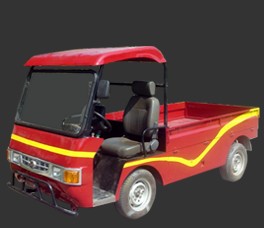
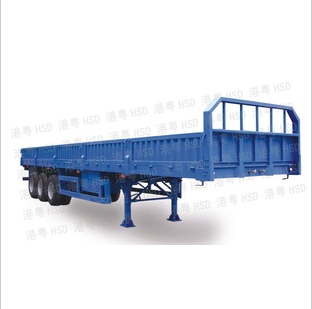
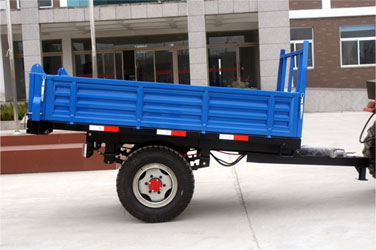
Cargo & Utility Trailers
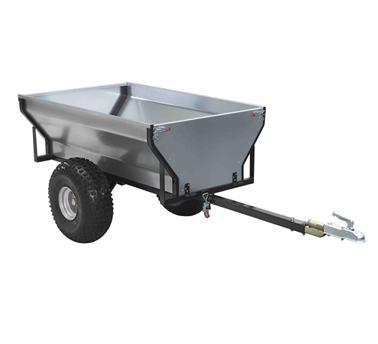
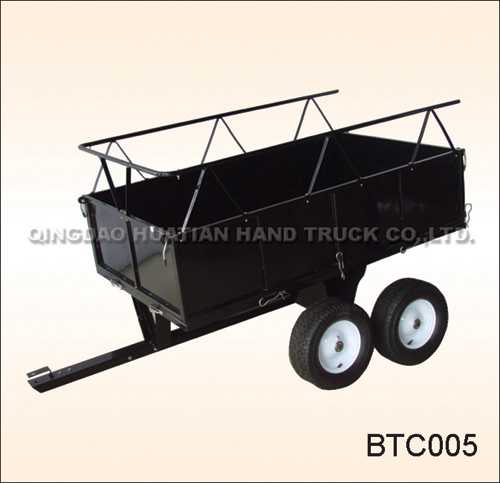
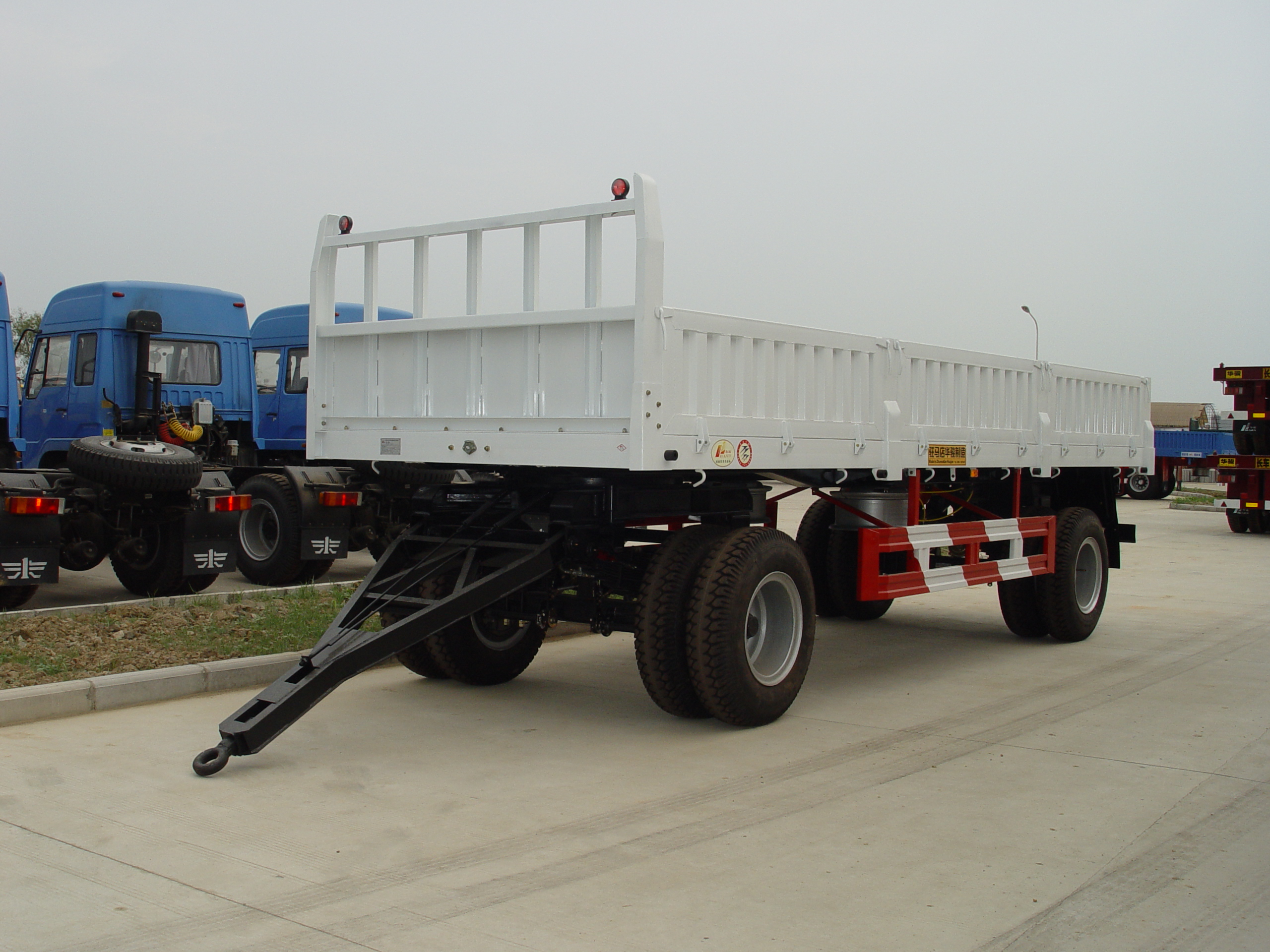
Source premium Cargo & Utility Trailers from vetted suppliers and manufacturers in Asia. Built for importers, wholesalers, and equipment brands looking for reliable OEM or private-label production. Secure competitive bulk pricing on compliant, road-ready units engineered for maximum payload capacity and durability.
Sourcing cargo and utility trailers at scale requires balancing structural integrity with freight efficiency. Unlike compact consumer goods, trailers represent a unique logistical challenge: shipping fully assembled units means paying to ship empty air. Profitable procurement hinges on identifying manufacturers capable of producing high-tolerance Completely Knocked Down (CKD) or Semi-Knocked Down (SKD) kits, ensuring rigorous anti-corrosion treatments, and maintaining compliance with regional road safety standards.
Chassis Engineering & Material Selection
The foundation of any utility trailer dictates its Gross Vehicle Weight Rating (GVWR) and long-term durability in harsh environments. When establishing specifications with an overseas factory, the primary decision revolves around frame material and surface treatment.
| Specification | Hot-Dip Galvanized Steel | Powder-Coated Steel | Extruded Aluminum |
|---|---|---|---|
| Corrosion Resistance | Excellent (sacrificial anode protection) | Moderate (prone to chipping/rust) | Superior (natural oxidation barrier) |
| Payload-to-Weight Ratio | Standard (heavy tare weight) | Standard (heavy tare weight) | High (up to 30% lighter tare weight) |
| Manufacturing Cost | Premium | Economical | Highest |
| Ideal Application | Marine, heavy industrial, harsh winters | General utility, dry climates | Premium enclosed cargo, high-payload transport |
Beyond the frame, axle selection is critical. For trailers with a GVWR under 3,500 lbs, standard leaf spring axles are common and cost-effective. For premium enclosed cargo trailers or heavy-duty flatbeds, independent rubber torsion axles offer a smoother ride and less maintenance, though they require factories with higher engineering tolerances for proper alignment.
Production Quality & Inspection Priorities
A trailer's lifespan is determined on the welding floor. Poor penetration or inconsistent bead quality can lead to catastrophic structural failure under load.
When conducting quality control inspections on utility trailers, focus on these critical failure points:
Critical Trailer Inspection Points
- Weld Penetration: Inspect high-stress junctions (A-frame tongue to chassis, spring hangers) for complete weld penetration and absence of porosity.
- Galvanization Thickness: Use a magnetic coating thickness gauge to ensure zinc layers meet the ISO 1461 standard (typically 85 microns or thicker).
- Wiring Harness Routing: Ensure all electrical wiring is routed through protective conduit or rubber grommets to prevent chafing against raw metal edges.
- Axle Alignment: Verify the axle track is perfectly perpendicular to the trailer centerline to prevent severe tire wear and towing instability.
- Decking Material: For wood decks, verify the use of pressure-treated lumber or marine-grade plywood with appropriate moisture content.
Need reliable eyes on the factory floor? We manage on-site inspections and structural testing before your trailers ship.
Talk to our teamThe Logistics Challenge: CKD vs. SKD Shipping
Because ocean freight is calculated by volume, shipping fully assembled cargo trailers is commercially unviable for standard models. Successful importers rely on manufacturers engineered for flat-pack shipping.
- Semi-Knocked Down (SKD): The chassis is fully welded, but axles, wheels, fenders, and drawbars are removed and packed within the trailer footprint. Multiple chassis are stacked vertically in a container.
- Completely Knocked Down (CKD): The entire trailer is bolted together rather than welded. Every component is flat-packed. This maximizes container density but requires significant assembly infrastructure upon arrival.
Optimizing container loads requires precise 3D load planning. Partnering with a logistics provider experienced in heavy machinery shipping and freight ensures safe stacking, proper lashing, and maximum unit density per 40ft High Cube (HQ) container.
Compliance and Road Registration
Importing vehicles for road use requires strict adherence to regional transportation authorities. Your supplier must be capable of meeting your local standards, or the shipment will be seized at customs or rejected by local motor vehicle departments.
- North America (DOT/NHTSA): The manufacturer must be registered with the National Highway Traffic Safety Administration (NHTSA) to issue valid 17-digit Vehicle Identification Numbers (VINs). Lighting, tires, and safety chains must be DOT-compliant.
- Europe (E-mark/O1 & O2 Categories): Trailers must meet European Whole Vehicle Type Approval (ECWVTA). All lighting, reflectors, and coupling devices must carry the E-mark.
- Australia (ADR): Must comply with Australian Design Rules (VSB1 for trailers under 4.5 tonnes ATM).
Before placing a volume order, it is imperative to verify the factory's certification history. We strongly recommend comprehensive factory audits to confirm their NHTSA registration status or E-mark documentation is current and legitimate. For new designs, compliance testing on prototype units is non-negotiable.
Typical MOQs, Lead Times, and Pricing
Pricing in the utility trailer market is heavily dependent on steel commodity prices and the chosen surface treatment.
Beware of Thin-Wall Steel
If a supplier offers pricing significantly below market average, they are likely using thinner gauge steel tubing for the main chassis rails, which drastically reduces the actual safe payload capacity. Always specify the exact wall thickness (e.g., 3mm or 4mm RHS) in your purchasing contract.
Looking to scale your trailer imports? We negotiate contracts, verify compliance, and manage the end-to-end supply chain.
Get a free consultationFrequently Asked Questions
Sourcing cargo and utility trailers is as much an exercise in logistics and compliance as it is in manufacturing. Success requires a supply chain built around freight-efficient design, verifiable safety certifications, and uncompromising quality control at the welding stage. By focusing on these fundamentals, importers can secure reliable, high-margin inventory for their local markets.
Get Sourcing Help for Cargo & Utility Trailers
Tell us your requirements and our experts will connect you with verified manufacturers.