Cargo Control Accessories
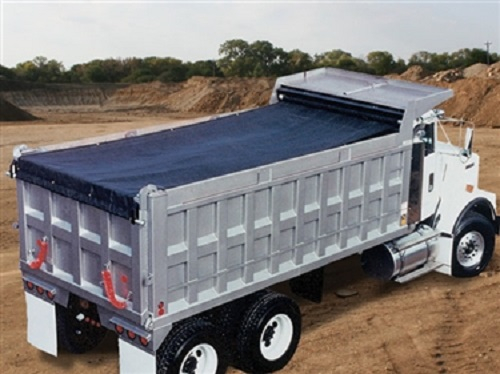
Source high-performance Cargo Control Accessories from vetted manufacturers and suppliers across Asia. Engineered for heavy-duty transport, our wholesale catalog supports importers, distributors, and brands seeking reliable OEM and private-label production for load-securing hardware and tie-down systems.
Securing freight is fundamentally about mitigating catastrophic liability. Sourcing cargo control accessories in bulk requires navigating a supply chain where a single skipped heat-treatment cycle on a ratchet pawl, or a subpar webbing weave, can lead to highway failure. For procurement managers and brands, success depends on partnering with manufacturers who understand that Working Load Limits (WLL) and Breaking Strengths (BS) are non-negotiable safety standards, not just marketing metrics.
Engineering and Material Specifications
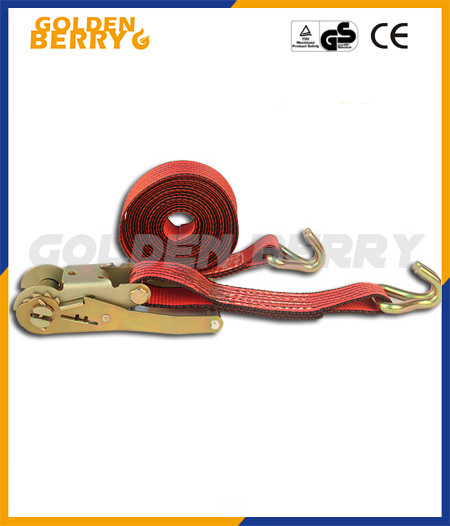
The core of any cargo control system—whether ratchet tie-downs, winch straps, or chain binders—lies in the material integrity of both the textile and the hardware.
Webbing Characteristics
Polyester is the industry standard for load-securing webbing because it exhibits significantly lower elongation (stretch) under tension compared to nylon, and it resists UV degradation and water absorption. High-tenacity polyester yarn is required for heavy-duty applications. When specifying webbing, buyers must define the yarn denier, the picks per inch (PPI), and the specific edge-protection weave, as these dictate the strap's cut resistance and overall lifespan.
Hardware Metallurgy and Treatment
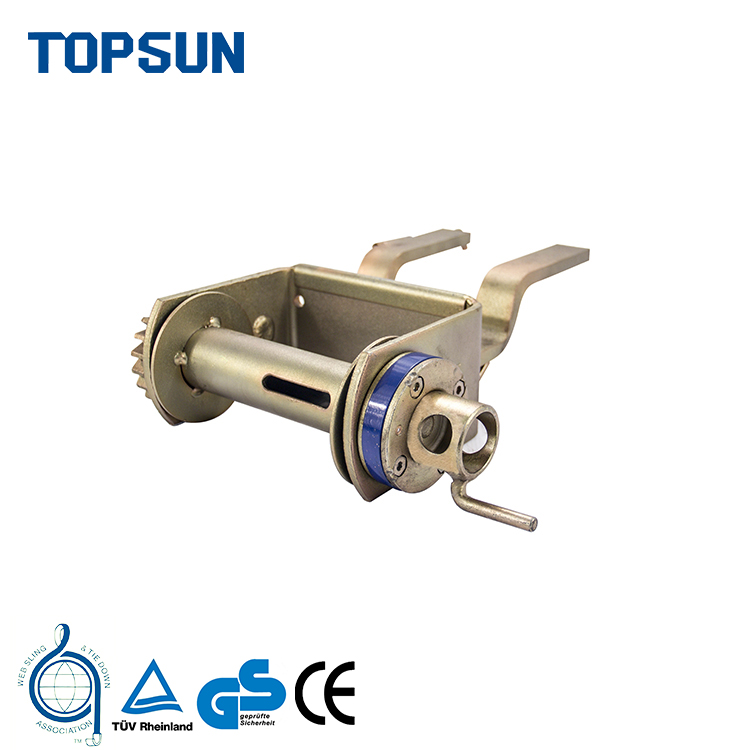
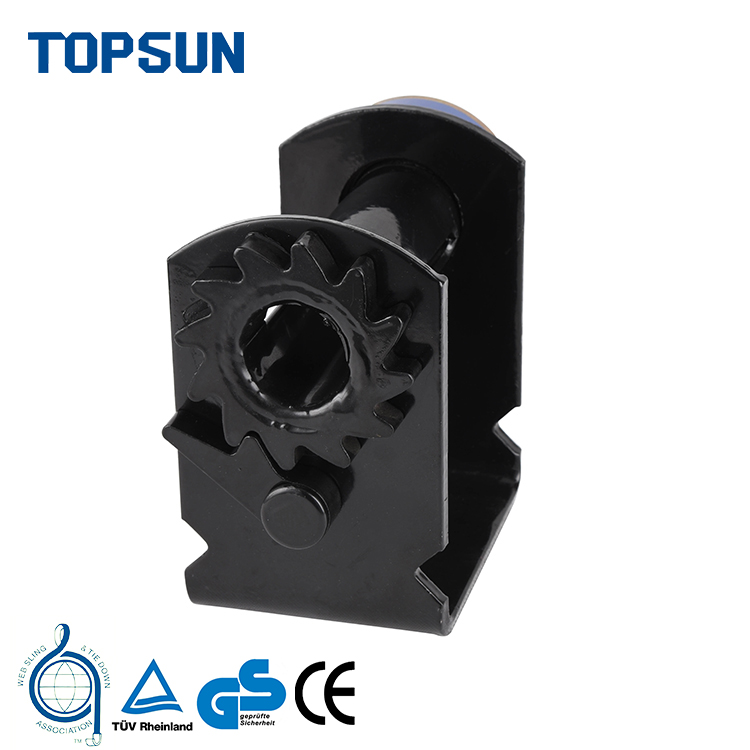
Hardware components (hooks, ratchets, cam buckles, D-rings) must be engineered to withstand immense shear and tensile forces.
| Component Feature | Standard Duty | Heavy Duty / Commercial |
|---|---|---|
| Manufacturing Method | Stamping or Die Casting | Drop Forging or High-Grade Carbon Steel |
| Heat Treatment | Basic annealing | Quenched and tempered for high tensile strength |
| Surface Finish | Commercial Zinc Plating (under 48h salt spray) | Heavy Zinc or Powder Coat (over 96h salt spray) |
Ensure your load-securing equipment meets strict DOT and EN standards before it leaves the factory.
Talk to our teamManufacturing and Quality Control Checkpoints
The difference between a reliable supplier and a risky one is often found in their in-house testing capabilities. A manufacturer producing load-bearing equipment must possess a calibrated tensile testing machine on the factory floor. If they rely entirely on third-party labs for batch testing, they lack the necessary real-time oversight.
When executing Factory Audits, we focus heavily on the assembly and stitching phases. The stitch pattern (often a W-stitch or box-X pattern) must be executed with high-tensile industrial thread. A dropped stitch or incorrect thread tension can reduce a strap's breaking strength by up to 30 percent, even if the webbing and hardware are flawless.
Critical Factory-Level QC Checks
- Destructive tensile testing on random batch samples to verify WLL and Breaking Strength ratios.
- Salt spray testing (ASTM B117) to ensure zinc-plated hardware resists corrosion.
- Thread tension and stitch pattern verification during the sewing process.
- Cycle testing on ratchet mechanisms to ensure springs and pawls do not deform under repeated use.
Implementing rigorous Quality Control & Inspection protocols prior to shipment is the only way to catch these invisible defects before they become liabilities in your supply chain.
Compliance and Global Standards
Cargo control is a heavily regulated product category. Specifications change drastically depending on your target market.
- North America: Products must generally align with WSTDA (Web Sling & Tie Down Association) standards, FMCSA regulations, and DOT requirements. The standard safety factor (ratio of WLL to Breaking Strength) is typically 1:3.
- Europe: The EN 12195-2 standard dictates specific testing methods for web lashing, requiring a safety factor of 1:2, alongside strict labeling requirements detailing lashing capacity (LC) and standard hand force (SHF).
- Oceania: AS/NZS 4380 governs cargo restraint systems, with its own specific testing and labeling mandates.
Navigating these overlapping requirements requires robust Compliance & Testing to ensure your imports are legally viable and insulated against liability claims.
Buying Mechanics: MOQs, Pricing, and Lead Times
Sourcing these accessories in volume involves balancing customization with production efficiency. Webbing requires significant setup time for dyeing and weaving, while hardware is often produced in massive continuous runs.
If you are developing proprietary load-securing systems or require specialized branding, leveraging OEM/ODM Services allows you to dictate exact webbing colors, custom-printed logos, and specialized hardware molds. Keep in mind that custom hardware will require upfront tooling costs and extend the initial lead time by 15 to 25 days.
Streamline your cargo control supply chain from the factory floor to final delivery.
Get a free consultationBuyer FAQ
Sourcing cargo control accessories is an exercise in risk management. By partnering with manufacturers who prioritize metallurgical integrity, strict sewing tolerances, and verifiable destructive testing, you protect your brand's reputation and your customers' safety. When you are ready to upgrade your supply chain with audited, high-capacity manufacturers, expert guidance ensures your specifications translate perfectly to the production line.
Get Sourcing Help for Cargo Control Accessories
Tell us your requirements and our experts will connect you with verified manufacturers.