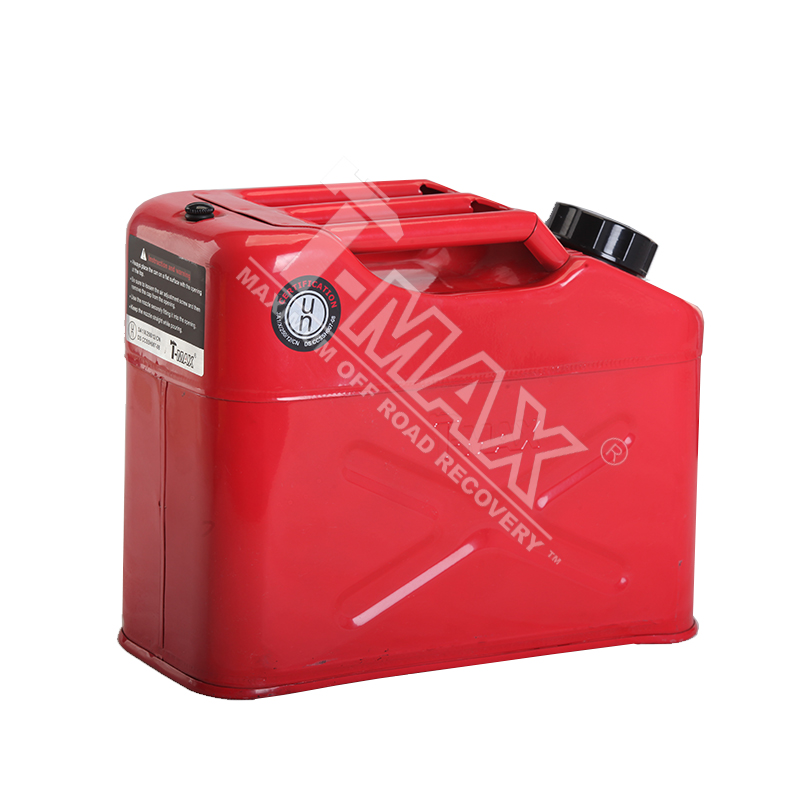
Cargo Carriers & Brackets
Source high-quality Cargo Carriers & Brackets from vetted suppliers and manufacturers. Designed for importers, wholesalers, distributors, and brands seeking reliable OEM and private-label production in bulk. Secure competitive wholesale pricing and consistent manufacturing quality for your off-road and recovery accessory lines.
Sourcing cargo carriers and mounting brackets for off-road and overland applications requires balancing payload capacity, material durability, and precision fitment. Whether you are developing modular roof racks, hitch-mounted cargo baskets, or specialized recovery gear brackets, success depends on identifying manufacturers capable of consistent metal fabrication and robust anti-corrosion treatments.
Material Selection and Structural Integrity
The core of any cargo carrier or mounting bracket is its material composition. Off-road accessories endure severe dynamic loads and harsh environmental conditions, making material selection the most critical specification in your technical data package (TDP).
| Material | Primary Application | Yield Strength | Standard Surface Treatment |
|---|---|---|---|
| Carbon Steel (Q235/Q345) | Hitch carriers, heavy brackets | 235–345 MPa | E-coat + Powder Coat |
| Aluminum Alloy (6061-T6) | Roof racks, modular carriers | 276 MPa | Anodized or Powder Coat |
| Stainless Steel (304/316) | Marine environments, premium brackets | 205–290 MPa | Electropolished or Passivated |
When specifying aluminum, ensure the factory has the capability to perform proper T6 heat treatment if they are extruding in-house. For steel components, insist on a dual-layer coating system. A base electrophoretic deposition (e-coat) followed by a UV-resistant powder coat significantly reduces the risk of rust creeping from microscopic scratches or weld seams.
Need help identifying capable metal fabrication partners in Asia who meet strict automotive standards?
Talk to our teamManufacturing Processes and Quality Control
The physical fabrication of cargo carriers involves CNC laser cutting, CNC press brake forming, and welding. Inconsistent welding is the most common cause of structural failure and aesthetic rejection in this category.
When conducting Quality Control & Inspection, inspectors must verify that welds are continuous, free of porosity, and that all spatter is removed prior to coating. Spatter left on the metal creates high points where powder coating is thin, leading to premature corrosion.
Critical QC Checkpoints for Cargo Carriers
- Weld penetration and visual inspection for undercut or porosity.
- Coating adhesion testing (cross-hatch test per ASTM D3359).
- Coating thickness verification using a mil gauge (typically 60-80 microns).
- Dimensional accuracy of mounting holes and bracket alignment.
- Salt spray test reports (minimum 500 hours for standard, 1000+ hours for premium).
OEM/ODM Customization and Tooling
Many brands utilize OEM/ODM Services to modify existing factory designs or develop proprietary mounting systems. Custom brackets often require stamping dies or specialized welding jigs.
When negotiating tooling costs, clarify who retains ownership of the molds and jigs. High-volume buyers can often negotiate tooling amortization, where the factory rebates the cost of the tooling after a specific volume threshold is met. Ensure your CAD files clearly specify tolerances, especially for modular systems where multiple brackets must align perfectly across a vehicle's roof or chassis.
Pricing, MOQs, and Lead Times
Pricing in this category is heavily dependent on raw material costs (which fluctuate globally) and the complexity of the fabrication.
Factories typically require higher MOQs for custom aluminum extrusions compared to standard steel tube fabrication due to the raw material purchasing minimums imposed by metal mills.
Streamline your supply chain and negotiate better terms with vetted off-road accessory manufacturers.
Get a free consultationFrequently Asked Questions
Sourcing reliable cargo carriers and brackets is fundamentally about managing metal fabrication tolerances and surface treatment quality. Working with a factory that understands automotive-grade finishing and structural integrity is non-negotiable for protecting your brand's reputation. Conducting thorough Factory Audits before placing initial orders is the most effective way to verify a supplier's in-house capabilities and quality management systems.
Get Sourcing Help for Cargo Carriers & Brackets
Tell us your requirements and our experts will connect you with verified manufacturers.