Carding Machines
Source industrial Carding Machines from vetted manufacturers and suppliers. Designed for textile mills, wholesale distributors, and importers, our network offers high-capacity equipment for spinning preparation and non-woven production. Secure competitive wholesale pricing and reliable machinery for your textile operations.
Sourcing industrial carding machines requires balancing high-volume production speeds with strict fiber quality requirements. The core challenge lies in specifying equipment that achieves optimal fiber separation and parallelization without generating neps, increasing short fiber content, or causing excessive waste. For capital equipment of this scale, identifying manufacturers with the precision engineering capabilities to deliver dynamically balanced cylinders and robust drive systems is critical to minimizing long-term downtime.
Key Technical Specifications to Define
When negotiating with manufacturers, vague specifications lead to subpar machinery. Carding equipment must be customized to the specific fiber type—whether cotton, wool, or synthetic blends—as this dictates the wire clothing profile and cylinder speeds.
Beyond basic dimensions, buyers must specify the type of autoleveling systems required (short-term, long-term, or mixed) and the preferred brands for critical electrical components like PLCs and inverter drives, as these significantly impact reliability and maintenance.
Manufacturing Quality and Factory Verification
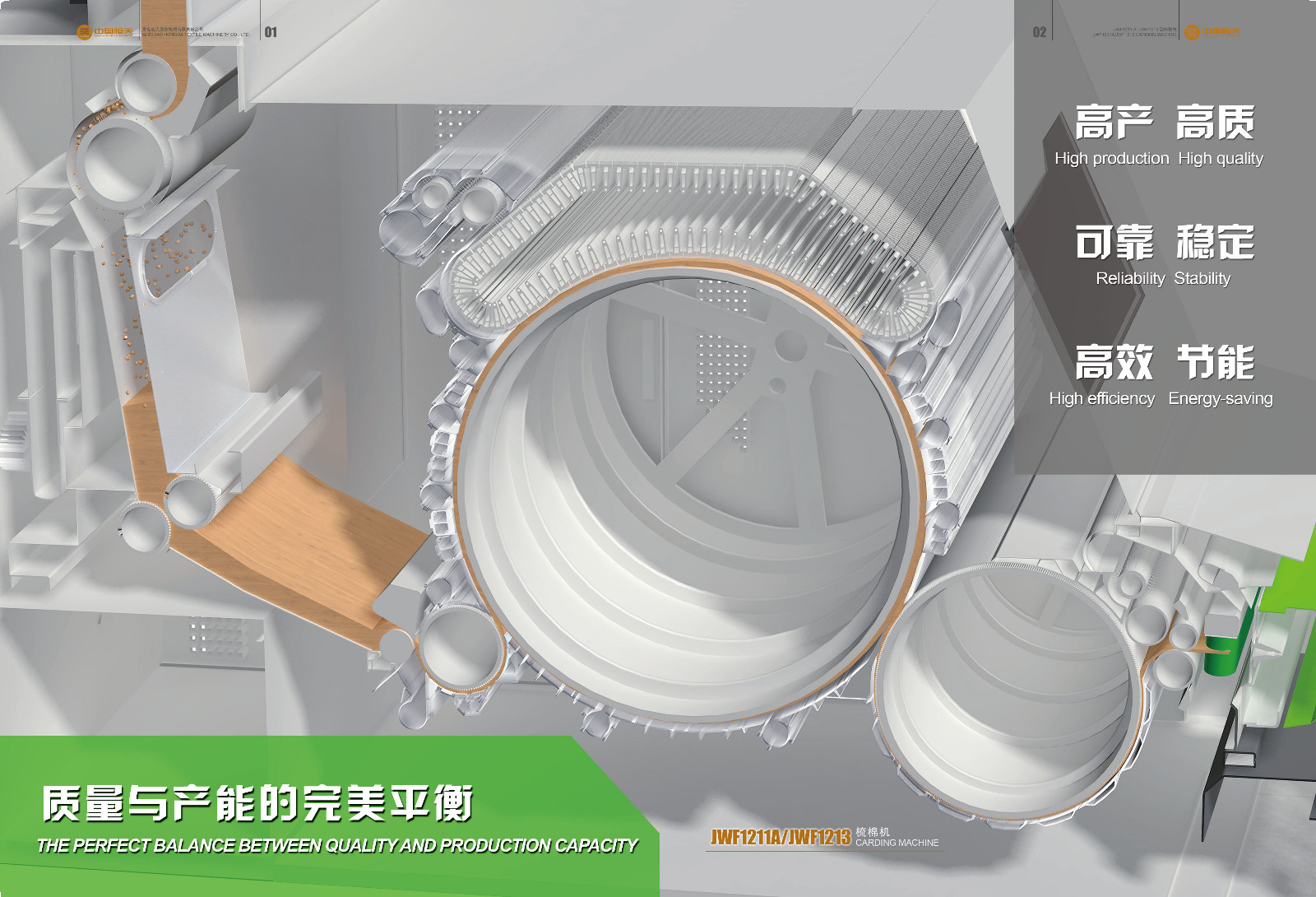
The performance of a carding machine is largely determined by the machining tolerances achieved on the factory floor. A cylinder that is even slightly out of round will cause uneven carding action and rapid wear of the metallic wire clothing.
Critical Factory Capabilities to Verify
- CNC Machining: Ensure the factory uses heavy-duty CNC lathes for cylinder and doffer fabrication to guarantee strict concentricity.
- Dynamic Balancing: Cylinders must be dynamically balanced at operating speeds to eliminate vibration that could disrupt the carding gap.
- Wire Clothing Quality: Verify the source and metallurgical quality of the metallic wire clothing, as this is the primary wear part.
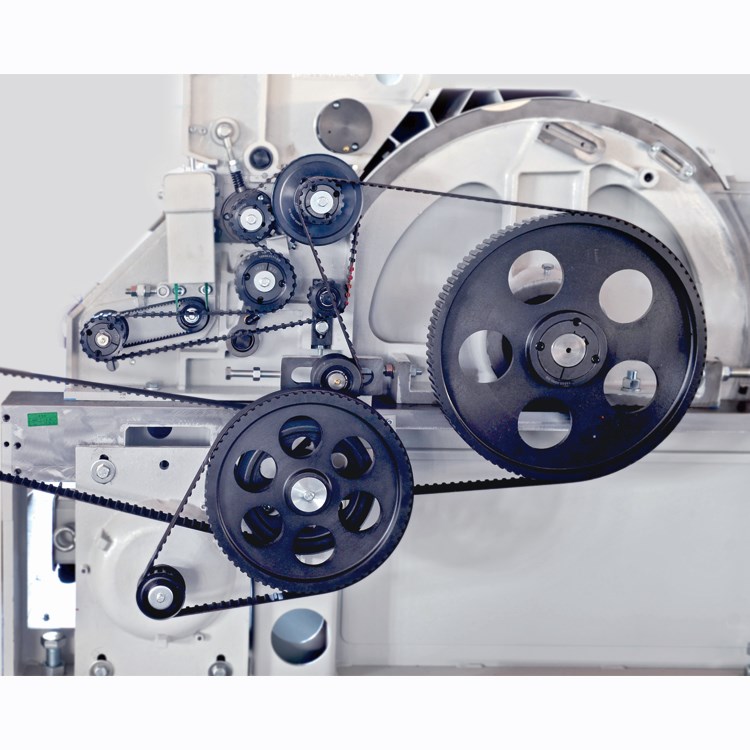
- Drive Synchronization: Check the implementation of multi-motor drive systems and their synchronization protocols.
Verifying these heavy engineering capabilities cannot be done through a catalog. Conducting rigorous factory audits is essential to confirm that a supplier has the actual machining infrastructure and quality management systems in place to produce high-tolerance textile machinery, rather than just assembling outsourced components.
Need help verifying technical capabilities and sourcing reliable textile machinery manufacturers?
Talk to our teamProcurement Mechanics: Lead Times, MOQs, and Pricing
Industrial carding machines are high-value capital assets, and the procurement mechanics reflect this.
- Minimum Order Quantities (MOQs): The standard MOQ is typically 1 unit. However, purchasing a complete blow room and carding line together often yields better pricing and ensures seamless system integration.
- Pricing Drivers: FOB prices are heavily influenced by the working width, the sophistication of the autoleveling system, and the origin of key components. Machines utilizing premium European or Japanese PLCs and bearings will command a higher price but generally offer lower total cost of ownership.
- Lead Times: Expect production lead times of 45 to 90 days. Custom configurations for specialized non-woven applications may take up to 120 days.
Because these machines are heavy and dimensionally large, they require specialized logistics. Coordinating the shipping and freight often involves flat racks or open-top containers, requiring precise lashing and securing to prevent alignment damage during transit. Furthermore, comprehensive quality control and inspection should include a documented Factory Acceptance Test (FAT) before the equipment is disassembled for shipping.
Streamline your capital equipment procurement with end-to-end sourcing, inspection, and logistics support.
Get a free consultationFrequently Asked Questions
When sourcing carding machines, the initial FOB price is only one part of the equation. Success depends on partnering with a manufacturer capable of holding strict engineering tolerances, ensuring the machinery delivers consistent sliver quality and operates reliably over a decades-long lifespan.
Get Sourcing Help for Carding Machines
Tell us your requirements and our experts will connect you with verified manufacturers.