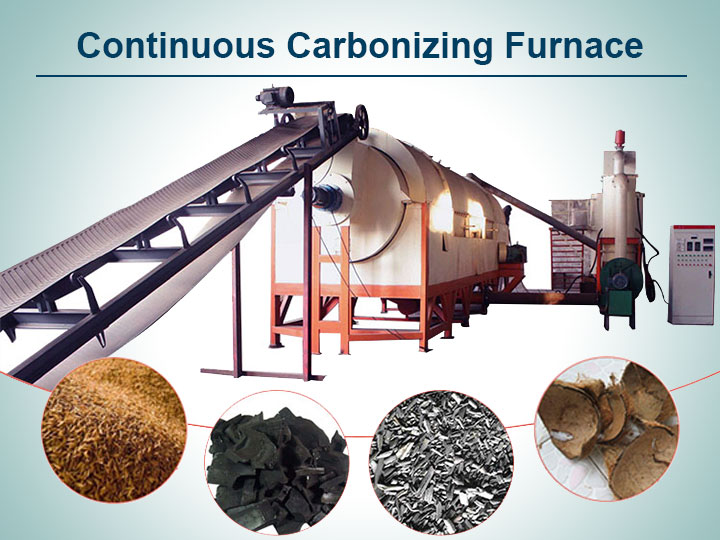
Carbonization Stoves
Source industrial carbonization stoves from vetted manufacturers and wholesale suppliers. Designed for importers, distributors, and agricultural machinery brands, our network offers reliable batch and continuous pyrolysis equipment. Secure factory-direct pricing and verified OEM production for your bulk procurement needs.
Sourcing industrial carbonization stoves requires balancing thermal efficiency, emission compliance, and long-term durability under extreme heat. Because these machines operate via pyrolysis—baking biomass in an oxygen-starved environment at temperatures often exceeding 600°C—subpar materials or poor weld integrity can lead to dangerous gas leaks, rapid equipment degradation, and failed environmental inspections. For procurement managers and importers, identifying a manufacturer capable of delivering heavy-duty, compliant machinery is critical to the success of any charcoal production line.
Core Specifications for Carbonization Equipment
Selecting the right equipment architecture depends entirely on your target feedstock and required daily output. Manufacturers generally categorize their equipment into two primary systems, each requiring different factory capabilities to produce reliably.
| System Type | Ideal Feedstock | Production Volume | Cooling Process |
|---|---|---|---|
| Airflow Batch Hoist | Large wood logs, bamboo, briquettes | 1 to 3 tons per day | External (inner pot hoisted out) |
| Continuous Rotary | Sawdust, rice husks, coconut shells | Over 5 tons per day | Integrated water cooling jacket |
When specifying continuous rotary kilns, pay close attention to the sealing mechanisms at the feed and discharge ends. Graphite packing or mechanical seals must be robust enough to prevent oxygen ingress, which would cause the biomass to combust rather than carbonize.
Need help verifying the true processing capacity and sealing mechanisms of a shortlisted manufacturer? Let our engineering team review their technical specifications.
Talk to our teamManufacturing Quality: Where Factories Cut Corners
The primary failure point in budget carbonization stoves is the degradation of the inner furnace liner. Under sustained high temperatures and exposure to corrosive wood vinegar (pyroligneous acid), standard carbon steel will warp and corrode rapidly.
Quality manufacturers utilize boiler-grade steel (such as Q245R or Q345R) or specific stainless steel alloys (like 304 or 316L) for the inner retort, ensuring a minimum thickness of 8mm to 12mm. Verifying these material claims is a common challenge for overseas buyers, which is why conducting rigorous Factory Audits before placing a deposit is highly recommended to inspect raw material inventory and welding certifications.
Critical Factory-Floor Checks
- X-ray or ultrasonic testing reports for all pressure-bearing and gas-containment welds.
- Thickness and grade verification of the inner furnace liner and cooling jackets.
- Presence of high-alumina refractory bricks to insulate the outer shell and retain heat.
- Integration of a combustible gas recovery system to route syngas back to the burners.
Emission Control and Syngas Management
Modern environmental regulations make emission control a non-negotiable aspect of carbonization stove procurement. The pyrolysis process generates heavy smoke, tar, and wood vinegar. High-end equipment captures these byproducts, separating the wood tar and vinegar through a water-cooling condenser system, and routing the purified combustible gas (syngas) back to heat the furnace.
If your target market has strict environmental protection laws, ensure the manufacturer includes multi-stage flue gas purification systems (spray towers, electrostatic precipitators). Ensuring these systems meet local regulatory standards often requires dedicated Compliance & Testing during the production phase.
Pricing, MOQ, and Lead Times
Because carbonization stoves are heavy, capital-intensive industrial machinery, Minimum Order Quantities (MOQs) are highly flexible. Most manufacturers will accept orders for a single unit or a single complete production line.
Pricing is driven primarily by the steel grade, the thickness of the retort, and the sophistication of the gas recovery system. A budget batch stove might seem cost-effective initially but will consume significantly more fuel if it lacks proper syngas recycling. Due to the oversized nature of rotary kilns and hoist stoves, coordinating Shipping & Freight requires careful planning to manage heavy-lift requirements and optimize container space.
Planning a complete charcoal production line? We can coordinate multi-supplier sourcing, quality control, and heavy-freight logistics.
Get a free consultationFrequently Asked Questions
Sourcing carbonization equipment requires looking past the glossy brochures to evaluate the raw steel tonnage, weld quality, and thermal engineering of the machinery. Prioritizing robust materials and verified emission controls over rock-bottom pricing is the only way to ensure a profitable, compliant charcoal production operation.
Get Sourcing Help for Carbonization Stoves
Tell us your requirements and our experts will connect you with verified manufacturers.