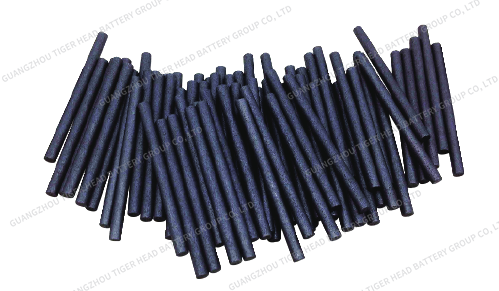
Carbon
Source industrial carbon in bulk directly from vetted manufacturers and wholesale suppliers. Designed for chemical importers, industrial distributors, and procurement managers requiring strict purity, precise mesh sizes, and consistent batch quality for manufacturing and filtration applications.
Sourcing industrial-grade carbon requires strict adherence to technical specifications. Whether you are procuring material for metallurgy, water and air filtration, or chemical compounding, a percentage point of excess ash or a slight deviation in particle size distribution can severely disrupt downstream manufacturing. Securing a reliable supply chain means vetting facilities not just for their pricing, but for their raw material consistency, kiln technology, and packaging integrity.
Key Technical Specifications for Carbon Procurement
When negotiating with carbon manufacturers, your purchase orders and technical data sheets (TDS) must clearly define acceptable tolerances. Vague specifications lead to inconsistent batches.
- Fixed Carbon Content: The primary indicator of purity and performance. Depending on the application, this typically ranges from 85 percent to over 99 percent.
- Ash Content: Represents the inorganic impurities remaining after combustion. High ash content can interfere with chemical reactions and reduce the efficiency of activated grades. Specify a maximum allowable percentage (often under 5 percent for high-grade applications).
- Moisture Content: Carbon products are inherently hygroscopic. Excessive moisture adds useless weight to your shipment and degrades performance. Standard specifications demand moisture levels below 3 to 5 percent at the time of packing.
- Particle Size Distribution (Mesh Size): Whether you require granular, powdered, or pelletized carbon, the sieve analysis must match your application. Specify the exact mesh range and the maximum allowable percentage of undersized "fines."
- Surface Area & Adsorption (If Applicable): For filtration applications, metrics like the Iodine Number (mg/g) and BET surface area (m2/g) are critical indicators of porosity and adsorption capacity.
Raw Material Variability
The origin of the carbon (e.g., coal-based, wood-based, coconut shell, or petroleum-derived) dictates its microscopic structure and macroscopic performance. Always specify the base material in your contract, as substituting raw materials is a common shortcut that drastically alters the final product's physical properties.
Manufacturing Tolerances and Quality Control
The carbon manufacturing process—involving carbonization and often high-temperature activation—is energy-intensive. Due to tightening environmental regulations across major production hubs in Asia, the supplier landscape has consolidated. It is vital to confirm that your supplier operates a compliant, modern facility rather than acting as a broker for outdated, highly polluting kilns. Conducting thorough factory audits ensures your supplier has the legal permits, stable energy access, and quality management systems to deliver long-term.
Quality is won or lost in the testing lab and the packing line.
Essential Pre-Shipment QC Checks for Carbon
- Sieve analysis to confirm particle size distribution and fines content.
- Moisture content analysis immediately prior to sealing the packaging.
- Ash content and fixed carbon verification via independent lab testing.
- Inspection of FIBC (jumbo bag) inner liners for moisture barrier integrity.
- Drop testing on 25kg bags to ensure durability during transit.
Relying solely on the factory's internal test reports carries risk. Implementing independent quality control & inspection prior to container loading ensures that the batch meets your TDS before it leaves the origin port.
Struggling with inconsistent carbon batches? Our team can help you establish strict testing protocols and manage factory-level inspections to ensure your specifications are met every time.
Discuss your QC requirementsBuying Mechanics: MOQs, Pricing, and Lead Times
Because carbon is a high-volume, relatively low-margin industrial commodity, sourcing mechanics are heavily influenced by freight and economies of scale.
Pricing Drivers
Carbon pricing fluctuates based on three main factors:
- Raw Material Costs: The spot prices of coal, petroleum residues, or agricultural biomass directly impact the baseline cost.
- Energy Prices: High-temperature kilns require massive amounts of energy; local power rate hikes will be passed on to the buyer.
- Logistics and Volumetric Weight: Certain carbon forms, particularly highly porous or powdered variants, can "cube out" a container before reaching the maximum weight limit. Optimizing pallet configurations and packaging is essential to keep per-kilogram landed costs down.
Need to optimize your landed costs? We manage supplier negotiations, packaging optimization, and international freight to secure the best possible margins for your bulk chemical imports.
Talk to our teamFrequently Asked Questions
Securing Your Carbon Supply Chain
Successful carbon procurement requires moving beyond transactional buying. It demands rigorous specification management, continuous factory oversight, and a deep understanding of the raw material inputs. By treating your supply chain as an integrated system—from raw material verification through to final container loading—you can eliminate the batch-to-batch variability that plagues reactive sourcing strategies.
Get Sourcing Help for Carbon
Tell us your requirements and our experts will connect you with verified manufacturers.