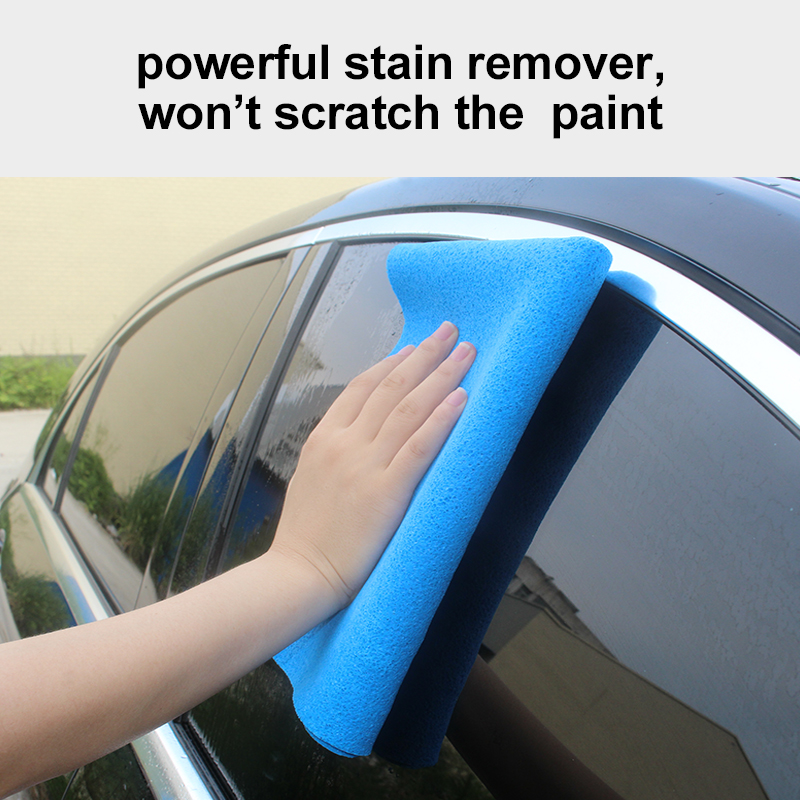
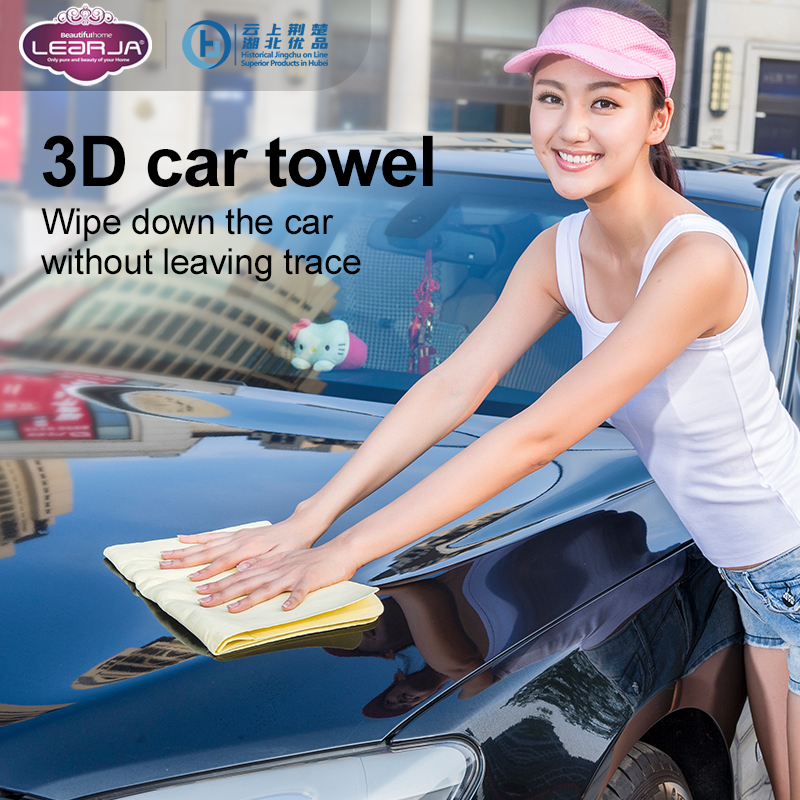
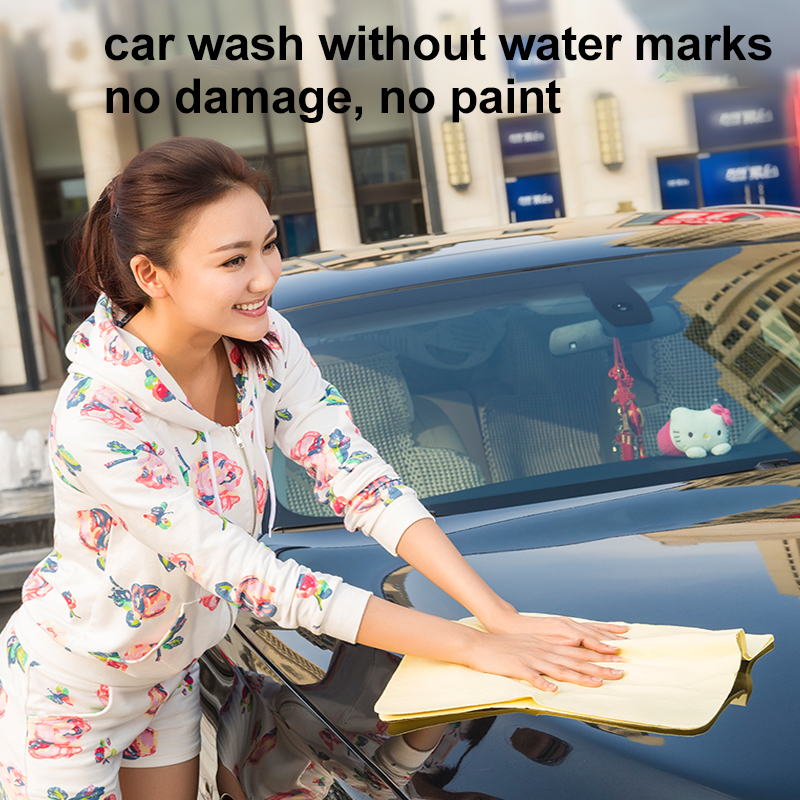
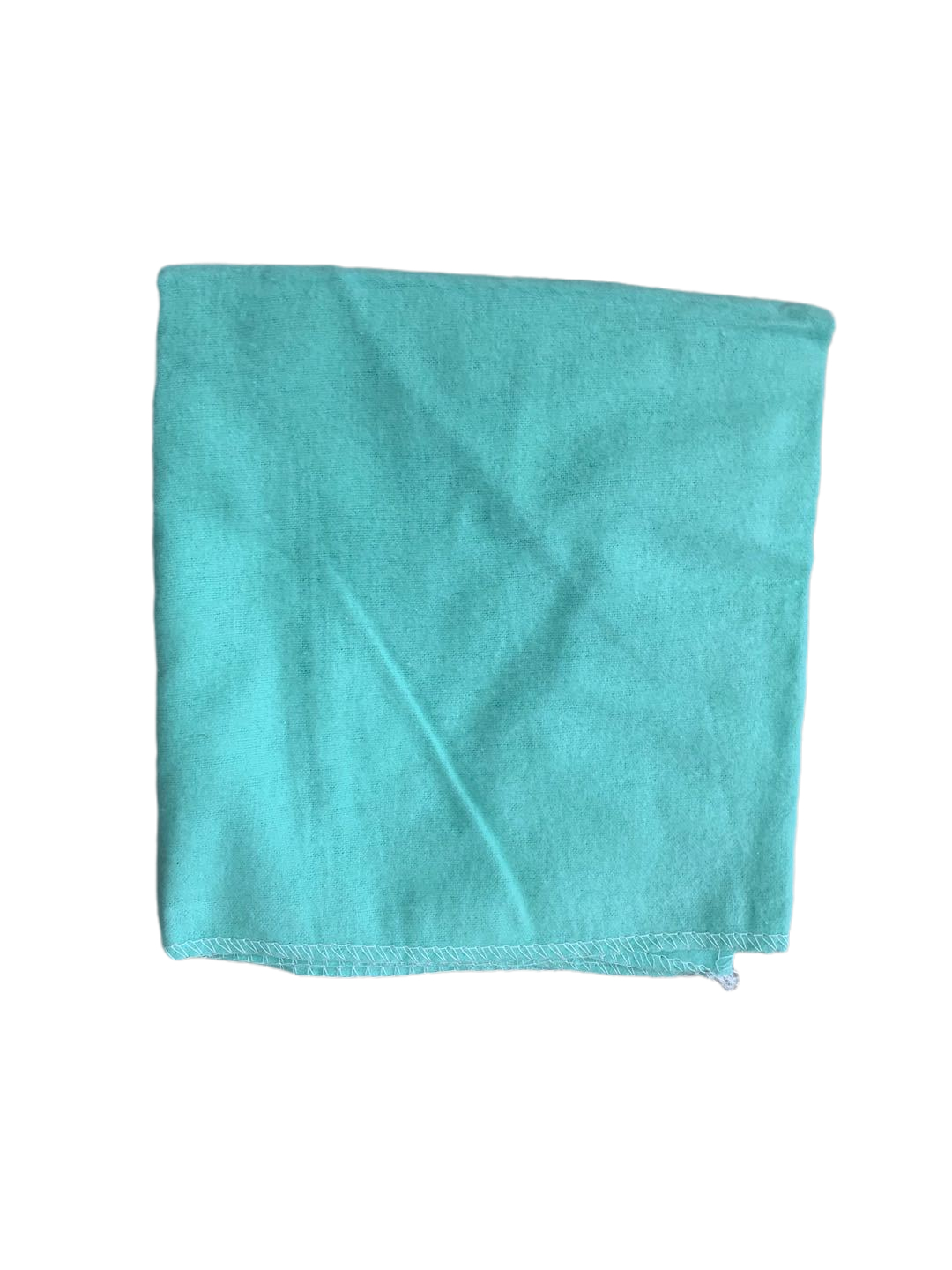
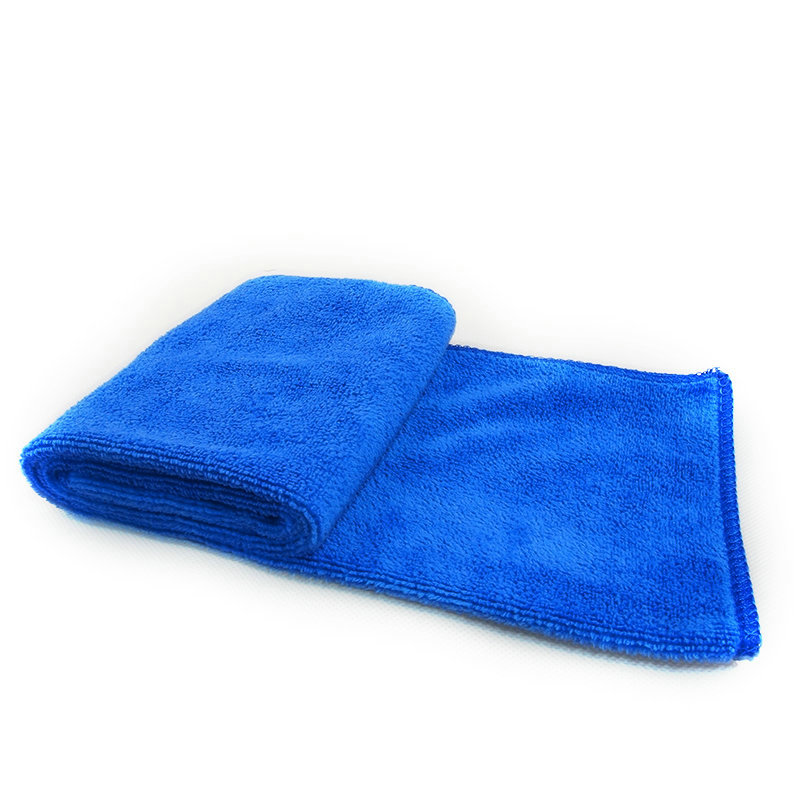
Car Wash Towels
Source premium Car Wash Towels directly from vetted manufacturers and wholesale suppliers. Designed for importers, distributors, and auto care brands seeking bulk purchasing and OEM private-label production. Secure reliable quality and competitive pricing for your supply chain.
Sourcing professional-grade car wash towels requires moving past generic textile descriptions and defining strict technical parameters. The difference between a premium detailing towel and a standard cleaning cloth lies entirely in the yarn blend, the fiber splitting process, and the consistency of the weave. For bulk buyers, specifying these variables accurately is the only way to prevent scratching, linting, and dye bleeding on the end user's vehicle.
Core Microfiber Specifications
When negotiating with textile manufacturers, you must specify the exact physical properties of the towel. Vague requests for "high absorbency" will result in inconsistent batches.
- Blend Ratio: Microfiber is a blend of Polyester (providing structure and scrubbing power) and Polyamide (providing absorbency and softness). Polyamide is the more expensive raw material. A standard blend is 80/20 (Polyester/Polyamide), while premium detailing towels often use a 70/30 blend for superior softness and water retention.
- GSM (Grams per Square Meter): This dictates the density and weight of the towel. Glass cleaning towels typically sit around 300 GSM, general-purpose towels range from 350 to 400 GSM, and heavy-duty drying towels (like twisted loop designs) can exceed 1000 GSM.
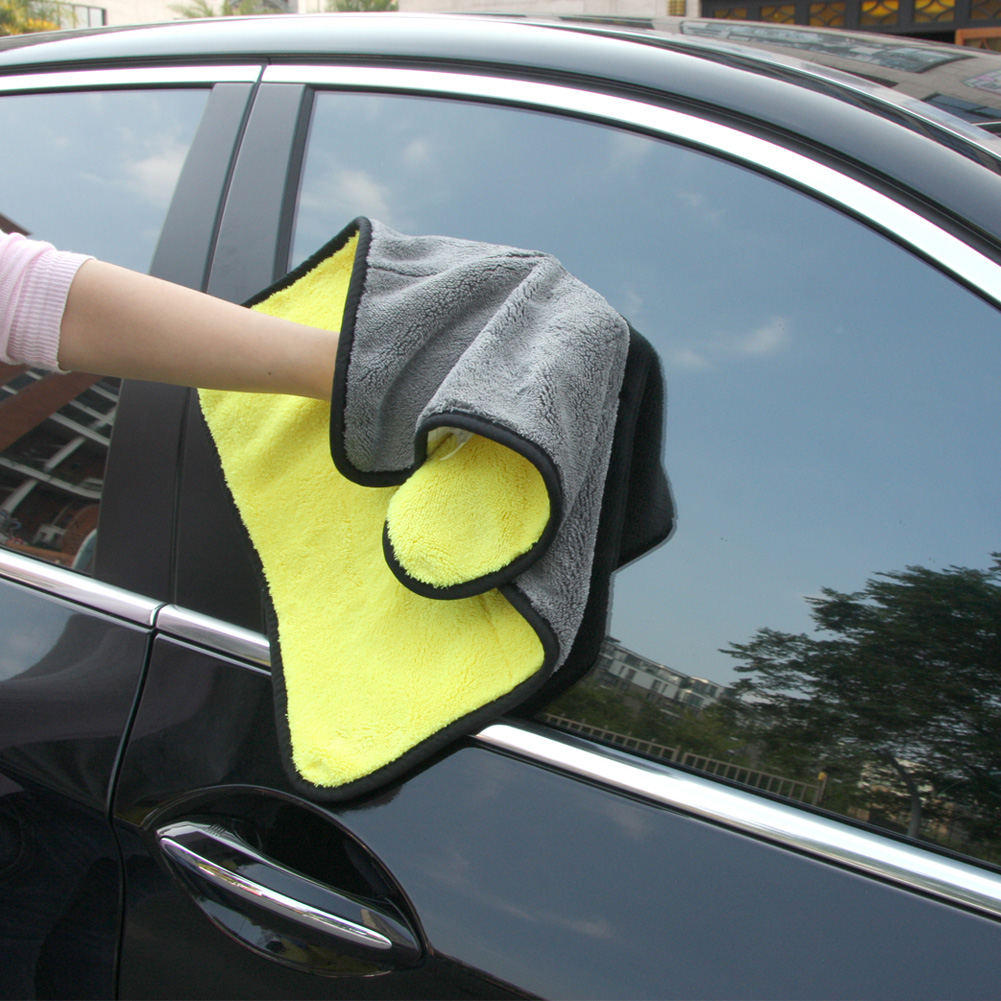
- Pile Type: The weaving technique determines the towel's function. Terry weaves are standard, waffle weaves are engineered for streak-free glass cleaning, coral fleece offers a plush feel for buffing, and twisted loop maximizes water absorption for drying.
| Blend Ratio | Performance Characteristics | Typical Auto Care Application |
|---|---|---|
| 80% Polyester / 20% Polyamide | Standard absorbency, highly durable, cost-effective | Interior cleaning, wheel wiping, general purpose |
| 70% Polyester / 30% Polyamide | Maximum absorbency, exceptionally soft, higher cost | Paint buffing, clear-coat finishing, premium drying |
Struggling to align factory capabilities with your required towel specifications? Let our sourcing experts manage the technical dialogue.
Talk to our teamManufacturing Tolerances and Quality Control
The most critical step in microfiber manufacturing happens out of sight: fiber splitting. During production, the yarn undergoes a chemical and mechanical process to split the fibers, creating the microscopic hooks that trap dirt and absorb water. If a factory rushes this process or uses substandard chemical baths, the towel will repel water rather than absorb it, regardless of its GSM or blend.
Edge finishing is another common failure point. Standard overlock stitching uses polyester thread, which can easily scratch automotive clear coats. Professional towels require either ultrasonic cutting (edgeless) or soft silk/microfiber banding.
To ensure consistency, robust Quality Control & Inspection protocols must be implemented before shipment.
Pre-Shipment Inspection Focus Areas
- Water absorption testing (verifying proper fiber splitting)
- GSM tolerance checks (ensuring batch weight is within 5 percent of spec)
- Colorfastness testing (preventing dye bleeding during washing)
- Edge inspection (checking for hard threads or frayed ultrasonic cuts)
- Linting tests (tape tests to verify loose fiber removal)
For brands developing custom detailing lines, utilizing professional OEM/ODM Services allows you to specify custom Pantone colors, embossed logos, and specialized packaging that differentiates your product in the market.
Pricing Drivers, MOQs, and Lead Times
Towel pricing is driven by raw material costs (specifically the Polyamide index), fabric weight (GSM), and dyeing requirements. Because textile mills dye yarn in large vats, custom colors significantly increase minimum order quantities.
If you are purchasing standard factory colors (usually blue, yellow, green, or black), MOQs are based on the cutting and sewing lines. If you require a custom brand color, the MOQ shifts to the minimum weight of the dye vat.
Conducting thorough Factory Audits is highly recommended to verify that a supplier actually owns their weaving and splitting machinery, rather than just acting as a cut-and-sew assembly workshop purchasing stock fabric from open markets.
Need to establish reliable production lines with verified textile manufacturers? Connect with us to streamline your supply chain.
Get a free consultationFrequently Asked Questions
Sourcing car wash towels in bulk requires strict attention to material blends, manufacturing processes, and quality control. By clearly defining your specifications and partnering with vetted textile manufacturers, you can secure reliable, professional-grade products that protect your brand's reputation.
Get Sourcing Help for Car Wash Towels
Tell us your requirements and our experts will connect you with verified manufacturers.