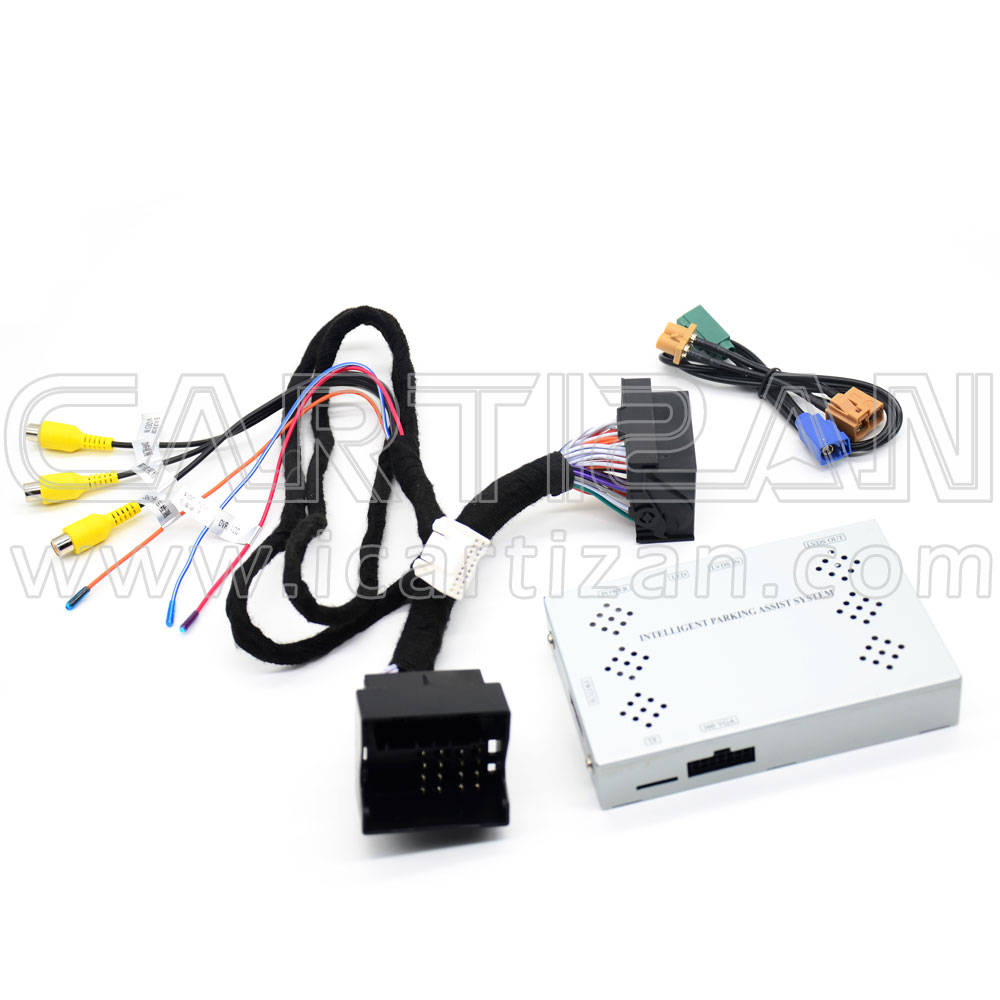
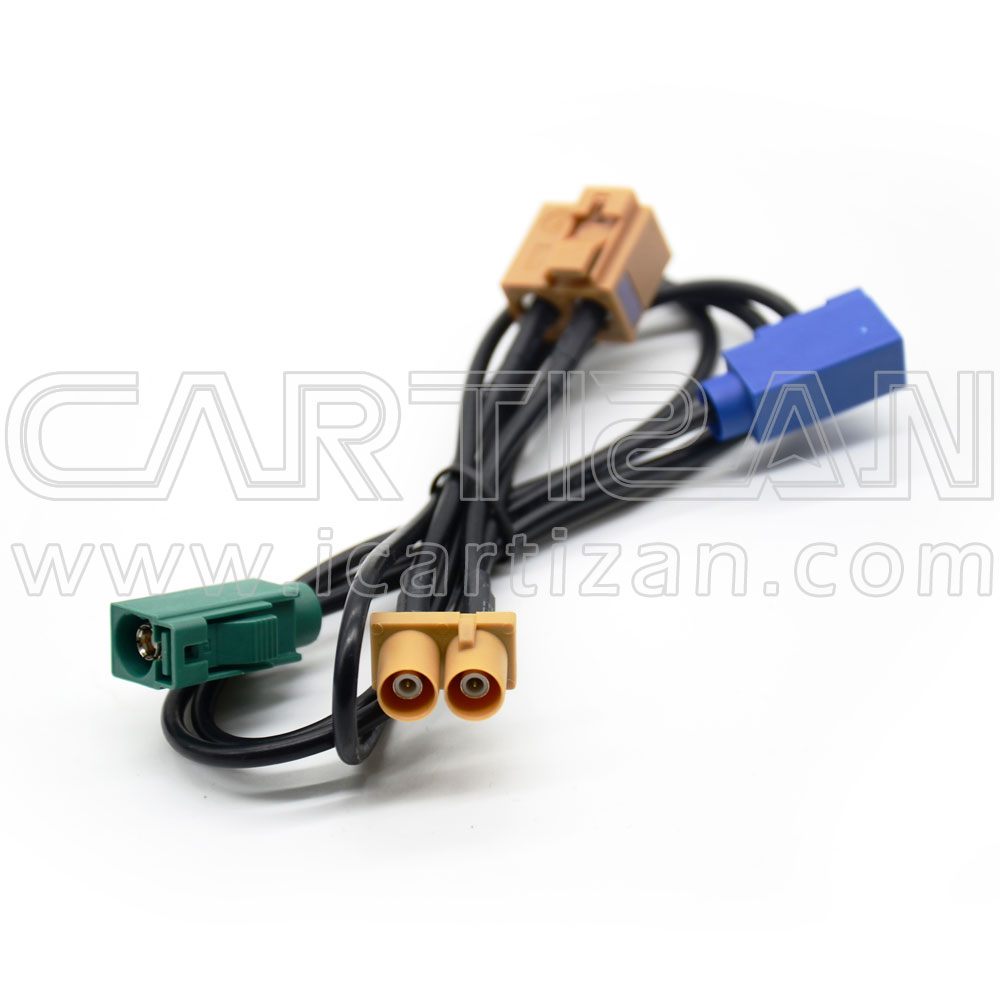
Car Reversing Aids
Source high-quality Car Reversing Aids directly from vetted manufacturers and wholesale suppliers. Designed for automotive importers, distributors, and brands seeking OEM or private-label production, this catalog features reliable parking sensors and backup cameras built for rigorous daily use.
Sourcing reliable car reversing aids—whether standalone ultrasonic parking sensors, AHD backup cameras, or integrated radar systems—requires a strict focus on environmental durability and component consistency. The primary challenge for bulk buyers is filtering out suppliers who cut costs on critical internal components, leading to false alarms, water ingress, and high return rates. Success in this category depends on specifying the right sensor frequencies, demanding rigorous potting processes, and verifying IP ratings.
Core Specifications for Reversing Systems
To avoid performance degradation in extreme automotive environments, your technical specifications must be precise. Avoid generic "waterproof" claims; specify the exact ingress protection and processing hardware required for your target market.
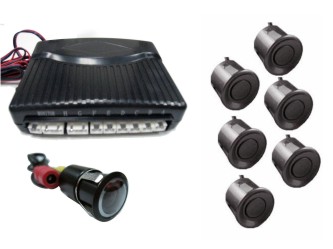
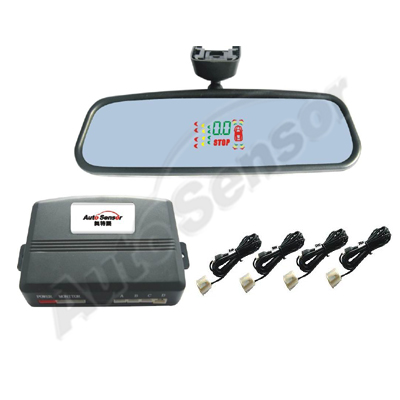
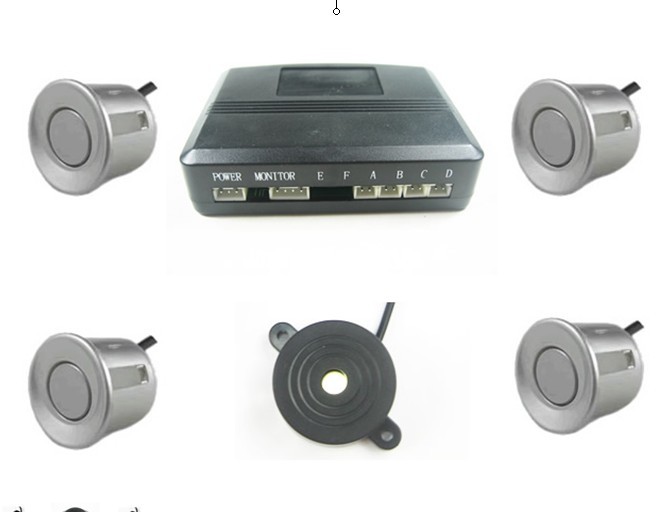
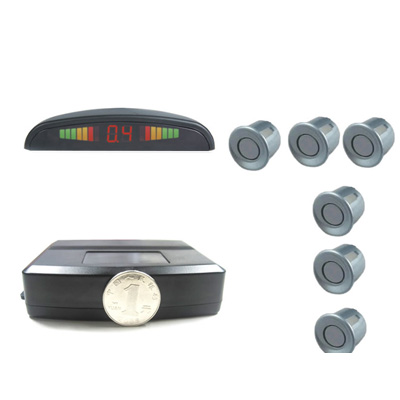
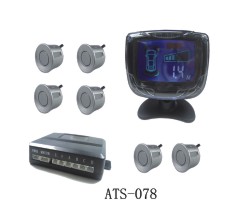
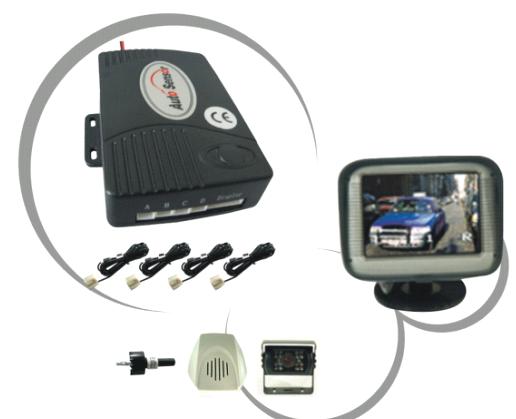
Ultrasonic Parking Sensors
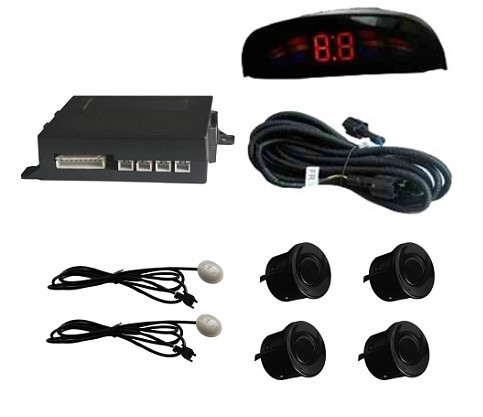
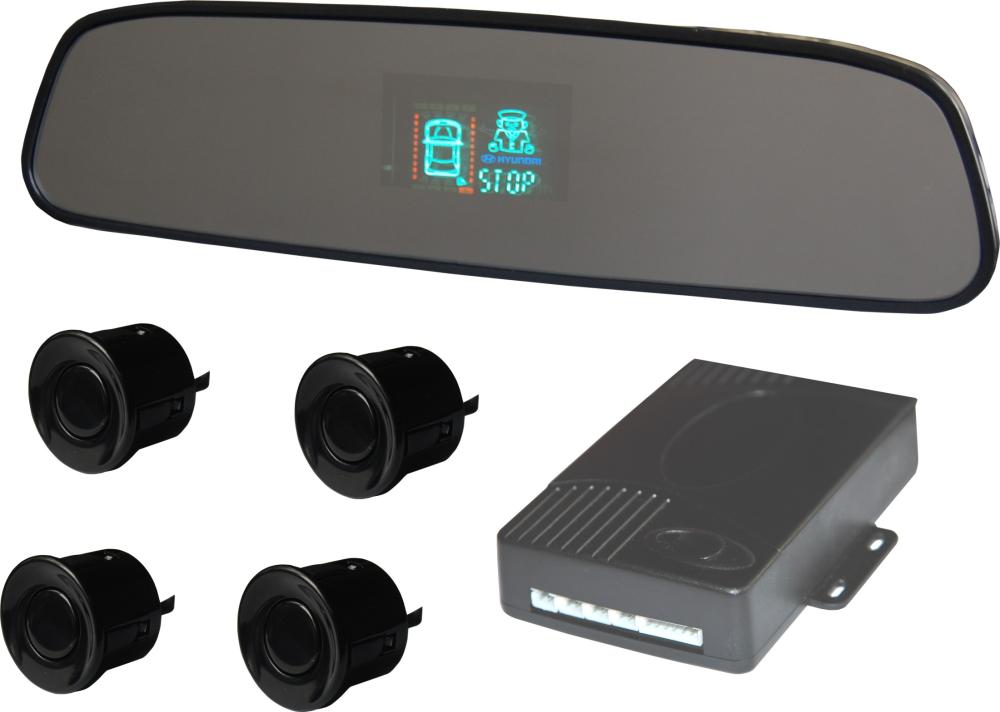
- Operating Frequency: Standard sensors operate at 40kHz. Ensure the control box uses a high-quality DSP (Digital Signal Processing) chip to filter out environmental noise (like heavy rain or exhaust rumble) and prevent false positives.
- Detection Range: A standard reliable detection range is 0.3 meters to 2.5 meters. Blind spot minimization depends heavily on the sensor beam angle, which should typically be between 90 and 110 degrees horizontally.
- Potting and Sealing: The internal piezoelectric transducer must be fully encapsulated. Poor silicone potting leads to moisture buildup, which alters the resonance frequency and causes the sensor to fail or trigger constantly.
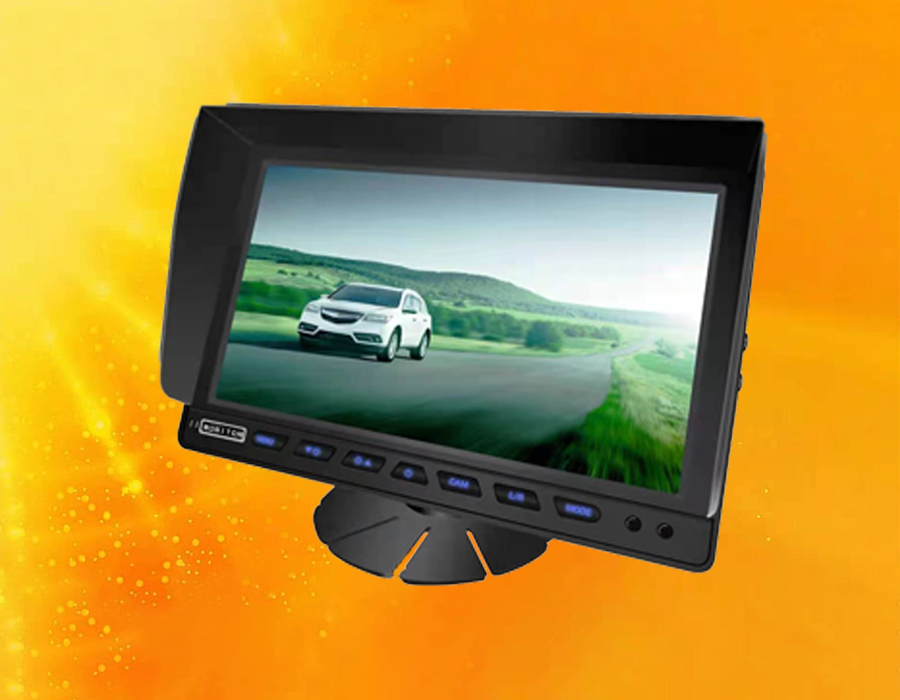
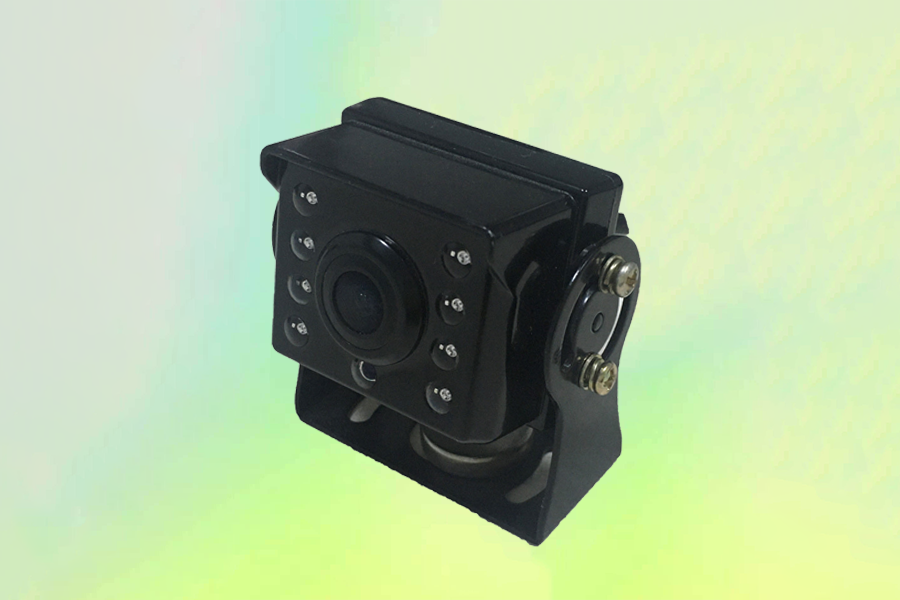
Backup Cameras
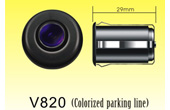
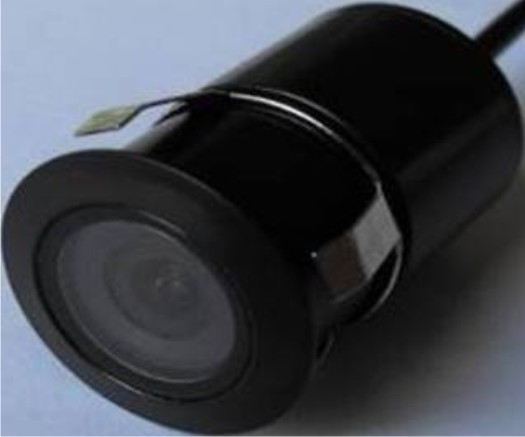
The shift from analog CVBS to AHD (Analog High Definition) is standard for modern aftermarket and OEM systems.
| Specification | Standard CVBS | AHD (720p/1080p) |
|---|---|---|
| Resolution | 480 TVL | 1280x720 or 1920x1080 |
| Low Light Performance | Poor to average | Excellent (often with Starlight sensors) |
| Signal Latency | Zero latency | Near-zero latency |
| Cost Bracket | Entry-level | Mid to Premium |
For exterior mounting, cameras must be rated at least IP67, though IP68 or IP69K (high-pressure wash resistant) is strongly recommended for commercial or off-road vehicle applications.
Need to source reversing aids that meet strict automotive standards? We can match your technical requirements with capable, vetted manufacturers.
Talk to our teamManufacturing Tolerances and Quality Control
The gap between a sample that works on a desk and a production run that survives five years on a vehicle bumper is bridged by strict factory floor processes. When evaluating a supplier, or conducting Factory Audits, focus on their testing infrastructure.
Critical Factory QC Checkpoints
- High/Low Temperature Aging: Control boxes and sensors must run continuously for 48 to 72 hours at extremes (-40°C to +85°C).
- Vibration Testing: Simulating prolonged road vibration to ensure internal solder joints and potting hold up.
- Water Submersion & Pressure: IP68/IP69K claims must be backed by actual submersion tanks and high-pressure water jets on the assembly line.
- Acoustic Calibration: Each ultrasonic sensor must be tested against a sound-absorbing and sound-reflecting target to verify distance accuracy.
If you are importing under your own brand, consistent quality is non-negotiable. Implementing robust Quality Control & Inspection before shipment ensures that defective batches are caught before they leave the factory, protecting your brand's reputation.
Pricing Drivers, MOQs, and Lead Times
Pricing in auto electronics fluctuates based on the cost of DSP chips, camera image sensors (e.g., Sony vs. generic CMOS), and the complexity of the wiring harnesses.
If you are developing a custom system—such as integrating parking sensors with a proprietary camera interface—utilizing structured OEM/ODM Services is highly recommended. Tooling for custom sensor bezels or camera housings usually requires an upfront mold fee, which is often refunded after a certain order volume is reached.
Looking to negotiate better pricing or establish a reliable private-label production line? Let our sourcing experts streamline the process.
Get a free consultationRegulatory Compliance
Automotive electronics must comply with regional electromagnetic compatibility (EMC) standards. In Europe, the E-Mark is mandatory for vehicle-integrated electronics. In North America, FCC compliance ensures the reversing aid's control box does not interfere with other vehicle systems. Partnering with experts for Compliance & Testing ensures your imports won't be held up at customs or recalled due to regulatory failures.
Sourcing car reversing aids effectively means looking past the spec sheet and verifying the manufacturer's engineering and testing capabilities. By insisting on rigorous environmental testing and maintaining strict quality control protocols, you can secure reliable products that deliver long-term value to your end-users.
Get Sourcing Help for Car Reversing Aids
Tell us your requirements and our experts will connect you with verified manufacturers.