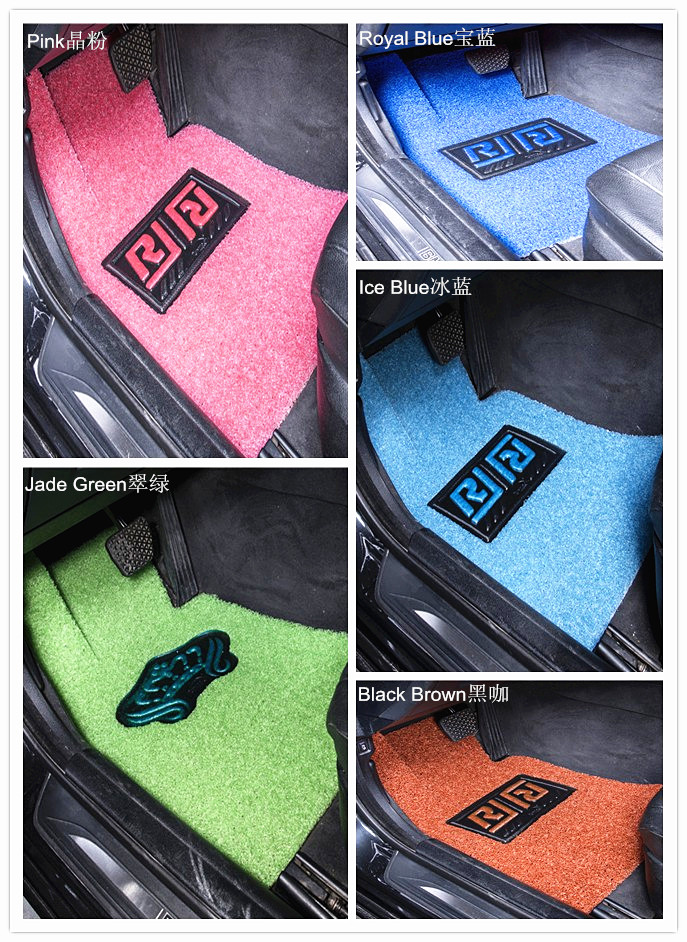
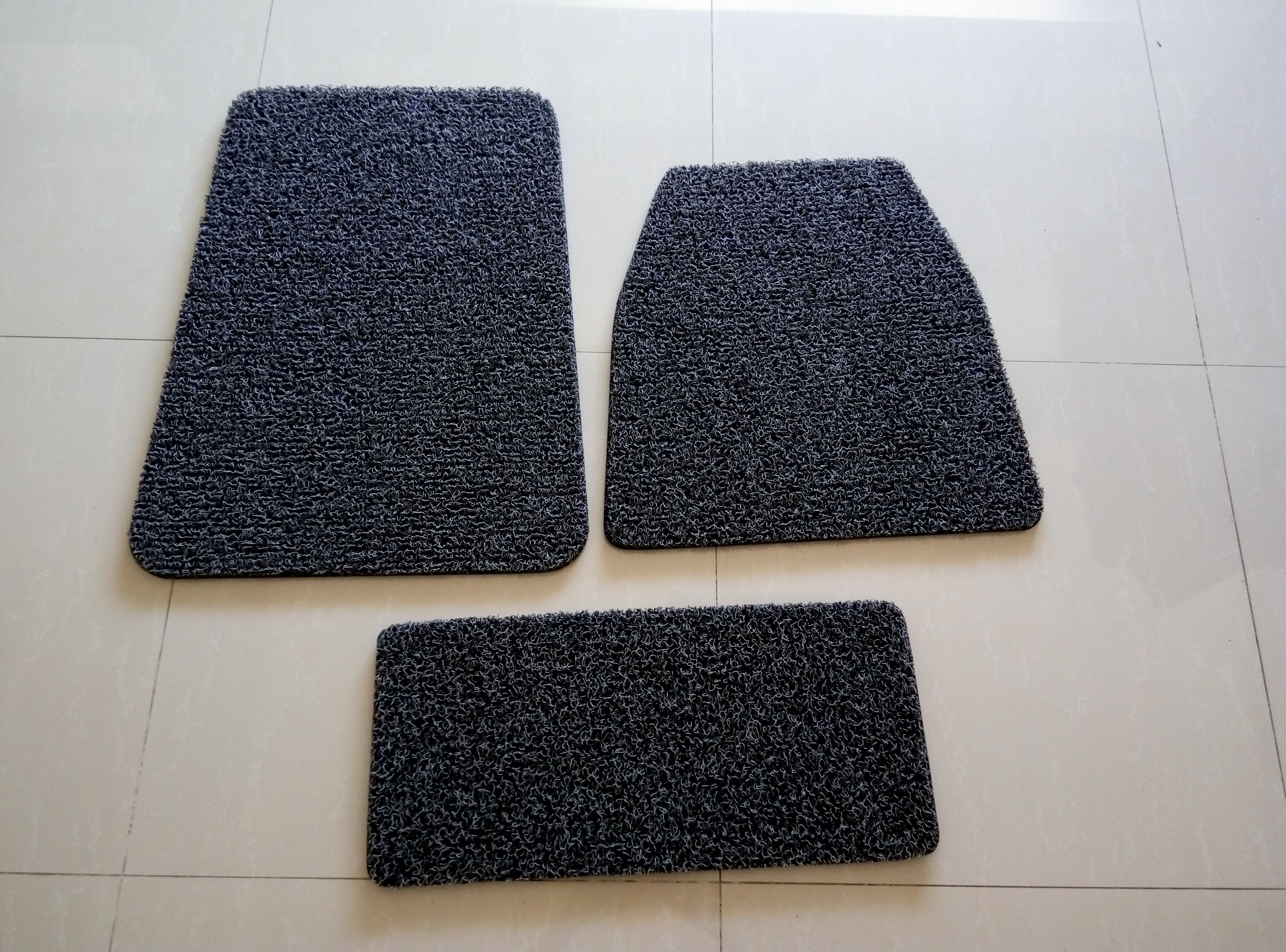
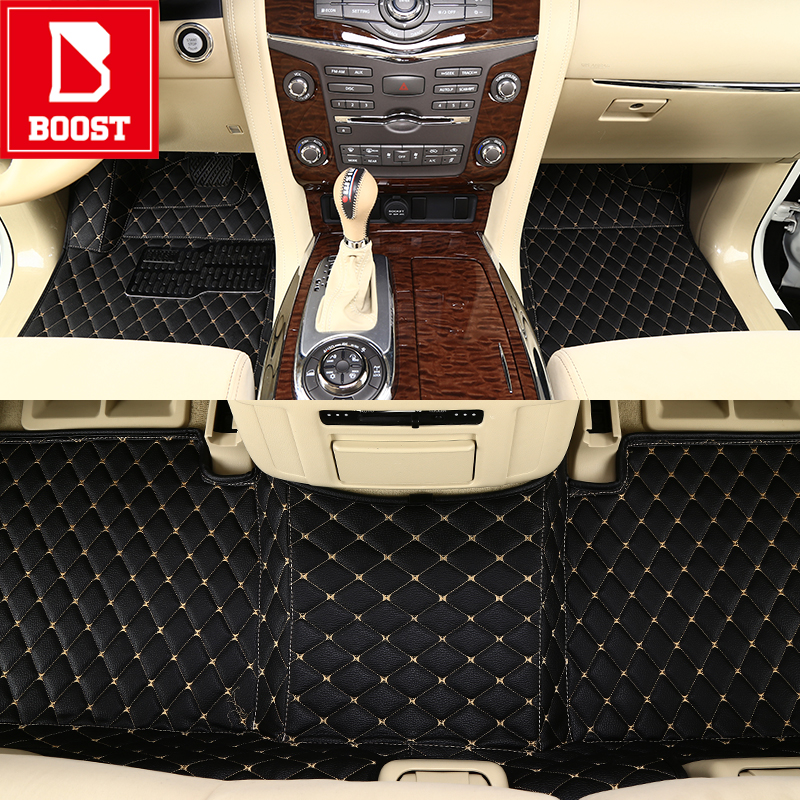
Car Mats
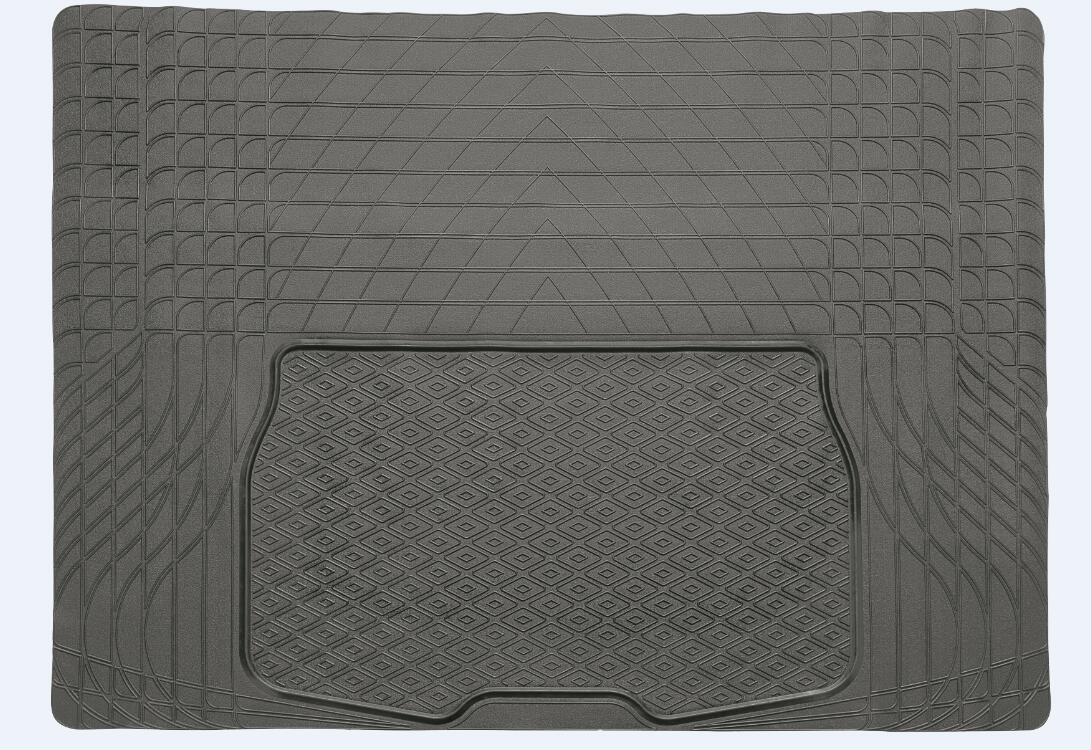
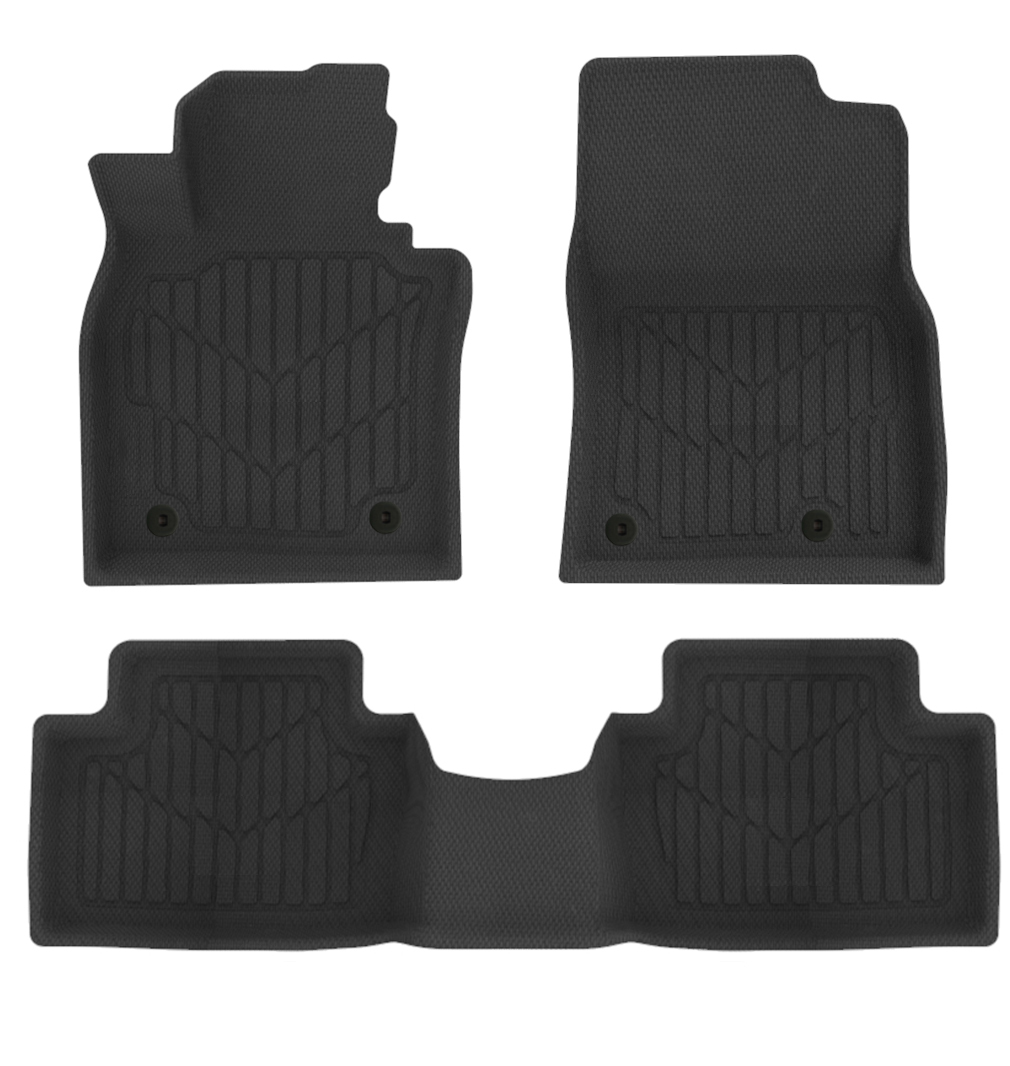
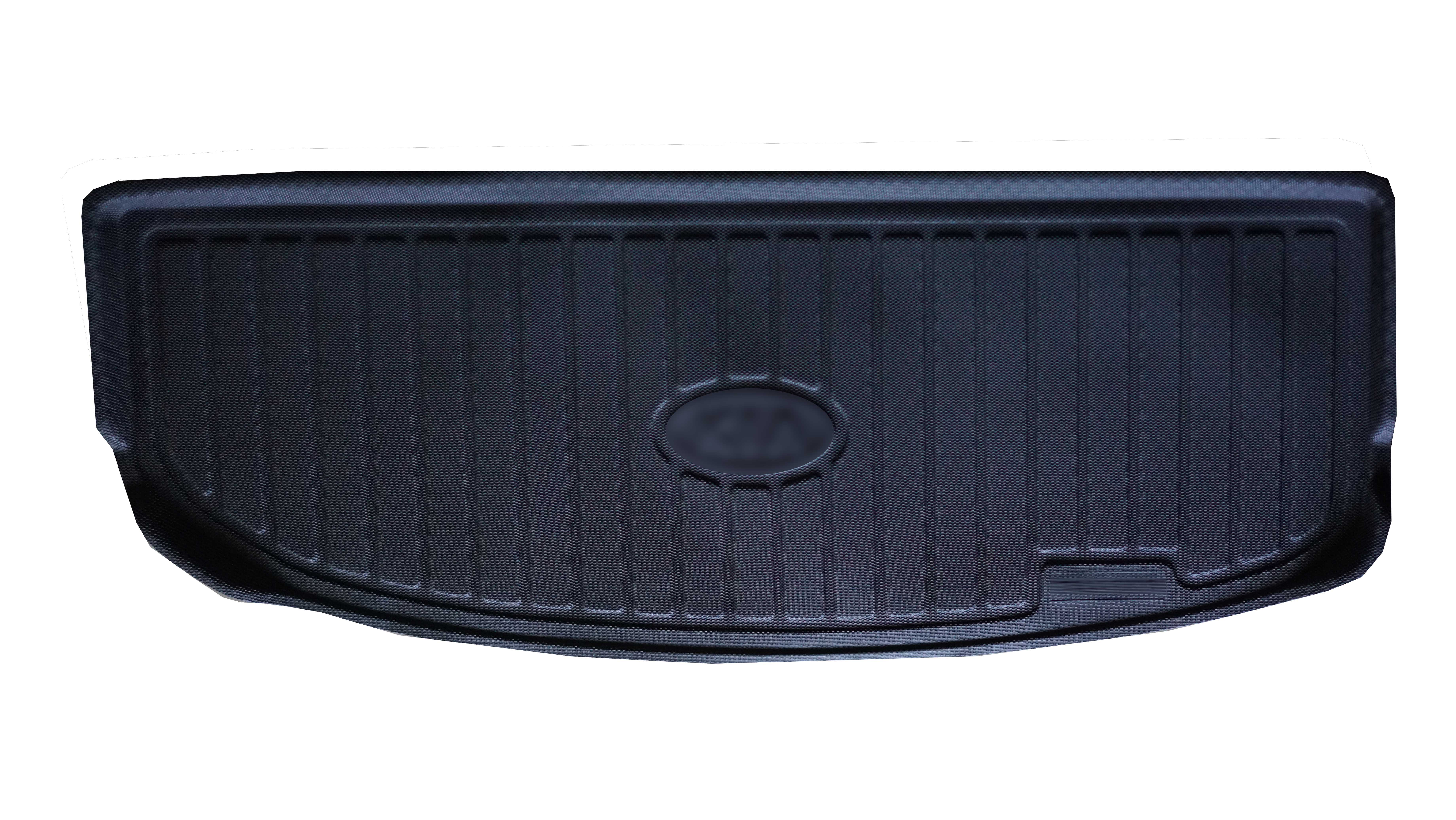
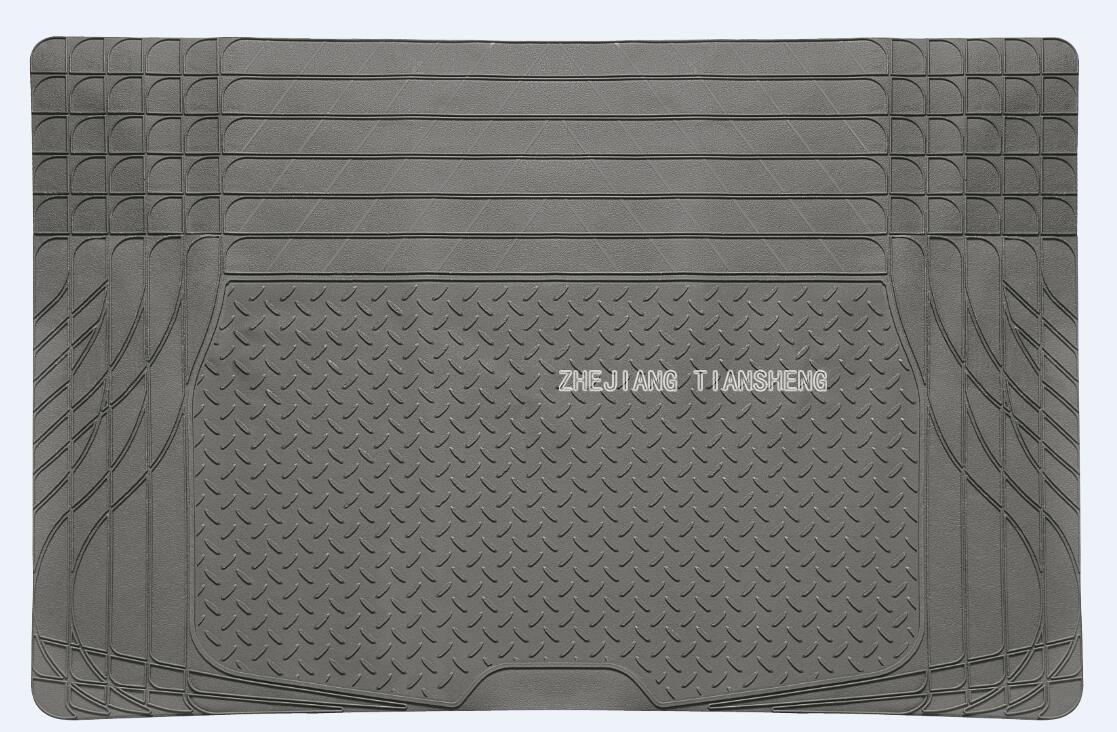
Source premium car mats in bulk from vetted manufacturers and wholesale suppliers across Asia. Built for automotive importers, national distributors, and brands requiring OEM or private-label production, our network delivers custom-fit and universal floor liners engineered for durability, safety, and precise vehicle fitment.
Sourcing automotive floor mats at volume requires balancing material durability, safety compliance, and precise fitment tolerances. Whether you are importing universal PVC mats for aftermarket retail or developing custom-molded TPE liners for specific vehicle chassis, your success hinges on a manufacturer's mold accuracy and material compounding capabilities. A millimeter of deviation in a custom-fit mat can lead to pedal interference, creating severe safety liabilities and unsellable inventory.
Material Specifications and Compounding
The core of your product line is defined by the base material. Buyers must specify exact material grades rather than relying on generic factory descriptions to ensure consistent wear resistance, flexibility in extreme temperatures, and acceptable VOC (Volatile Organic Compound) levels.
| Specification | TPE (Thermoplastic Elastomer) | PVC | Needle Punch Carpet |
|---|---|---|---|
| Durability & Wear | Excellent; highly resistant to cracking and deformation. | Moderate; prone to stiffening in sub-zero temperatures. | Variable; depends heavily on pile weight (oz/sq yd). |
| Tooling & Molding | Requires precise injection or vacuum forming molds. | Easily extruded and die-cut for universal fits. | Die-cut and edge-bound; minimal tooling required. |
| Primary Application | Premium custom-fit all-weather liners. | Budget-friendly universal all-weather mats. | OEM-style replacement and luxury interior styling. |
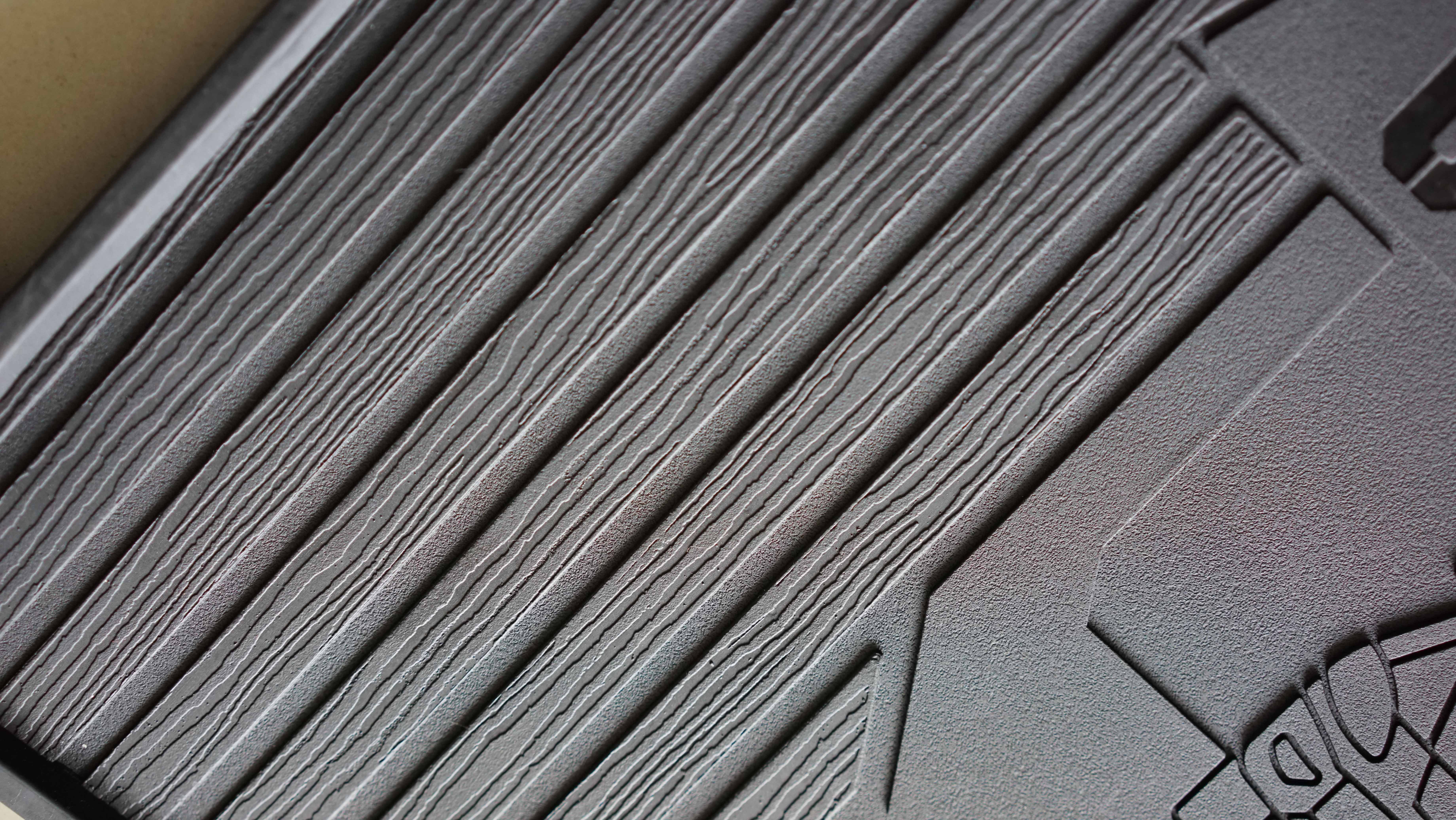
When working with factories on custom formulations, clearly define the Shore A hardness. For TPE liners, a Shore hardness of 65A to 85A is typical, offering the right balance between structural rigidity (to hold the raised edges) and tactile flexibility.
Tooling, 3D Scanning, and Production Methods
For custom-fit mats, the manufacturing process begins with reverse-engineering the vehicle's floor pan. Factories use 3D laser scanners to map the exact contours of the footwell, accounting for seat tracks, pedal placement, and dead pedals.
Vehicle Data Acquisition
The factory scans the specific vehicle model (noting Left-Hand Drive vs. Right-Hand Drive variations) to create a precise CAD model.
Mold Tooling
Aluminum or steel molds are CNC machined. Blister forming (vacuum forming) molds are cheaper and faster to produce, while injection molds are highly capital-intensive but yield sharper details and faster cycle times.
Forming and Trimming
The material is molded to the tool. For vacuum-formed mats, robotic 5-axis CNC routers trim the excess flash to ensure a flawless edge.
Backing and Fastener Integration
Anti-slip backings (like MAXpider fibers or traditional rubber nibs) and OEM-compatible retention clips are ultrasonic-welded or molded directly into the mat.
If you are developing a proprietary line of floor liners, you will need to negotiate mold ownership upfront. Managing the product development phase carefully ensures that the CAD data and physical molds remain your exclusive intellectual property.
Developing a custom-fit mat program? We can help you vet tooling capabilities, negotiate mold ownership, and secure reliable OEM production.
Talk to our teamQuality Control and Safety Compliance
Floor mats are safety-critical interior components. A mat that slips forward can jam the accelerator or brake pedal. When setting up your quality control & inspection protocols, mandate rigorous checks on the retention systems and backing friction.
Critical Factory Inspection Points
- Retention Clip Compatibility: Ensure clips perfectly match the OEM anchor points for the target vehicle chassis.
- Odor and VOC Testing: Conduct off-gassing tests (e.g., REACH or RoHS compliance) to ensure mats do not emit toxic fumes or heavy odors when exposed to high cabin temperatures.
- Dimensional Tolerance: Verify edge-to-edge fitment against the master CAD file; tolerances should be kept under 2mm.
- Abrasion Resistance: Test the heel pad area using a Taber abrader to guarantee longevity under heavy foot traffic.
- Cold Weather Flex: Test TPE/PVC mats at sub-zero temperatures to ensure the compound does not become brittle and crack.
Before committing to a large run of custom liners, it is highly recommended to conduct factory audits to verify that the supplier has in-house 3D scanning, CNC tooling, and material compounding capabilities, rather than outsourcing these critical steps to unvetted sub-tier workshops.
Buying Mechanics: MOQs, Lead Times, and Pricing
The economics of sourcing car mats depend entirely on whether you are buying off-the-shelf universal designs or commissioning custom-tooled liners.
Pricing is driven by petroleum costs (for TPE/PVC), mold amortization, and shipping volume. Car mats are bulky; they "ship air." To optimize freight costs, suppliers must nest custom liners efficiently without permanently deforming the raised edges.
Need to optimize your automotive accessory supply chain? Let us help you negotiate better MOQs, manage tooling, and streamline your freight.
Get a free consultationFrequently Asked Questions
Sourcing car mats successfully means looking past surface-level aesthetics and digging into a manufacturer's tooling precision and material science. By partnering with suppliers who control their compounding and CAD processes in-house, you protect your brand from fitment liabilities and ensure a premium product that performs in all climates.
Get Sourcing Help for Car Mats
Tell us your requirements and our experts will connect you with verified manufacturers.