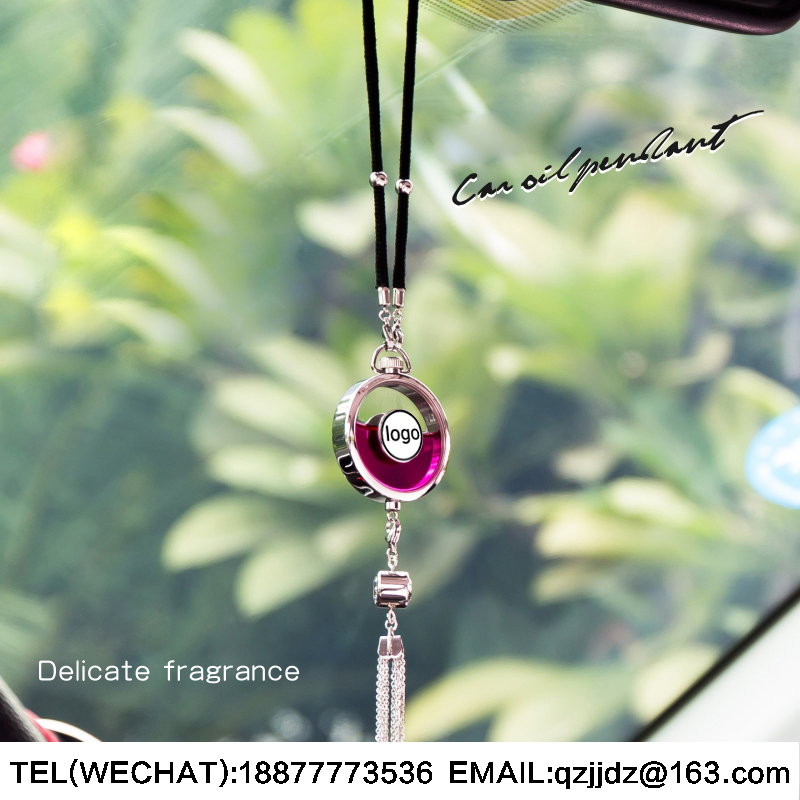
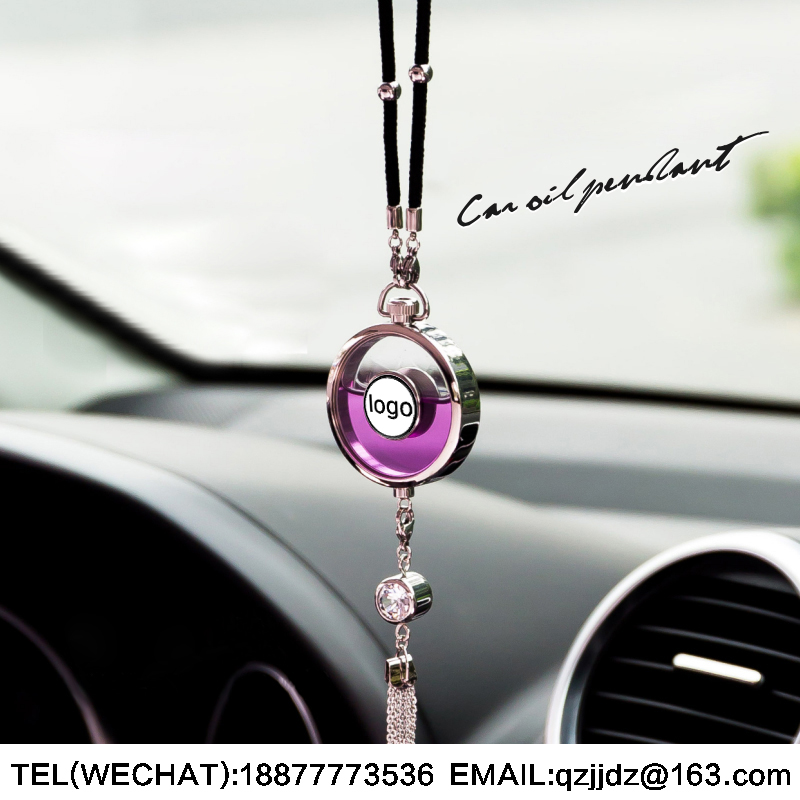
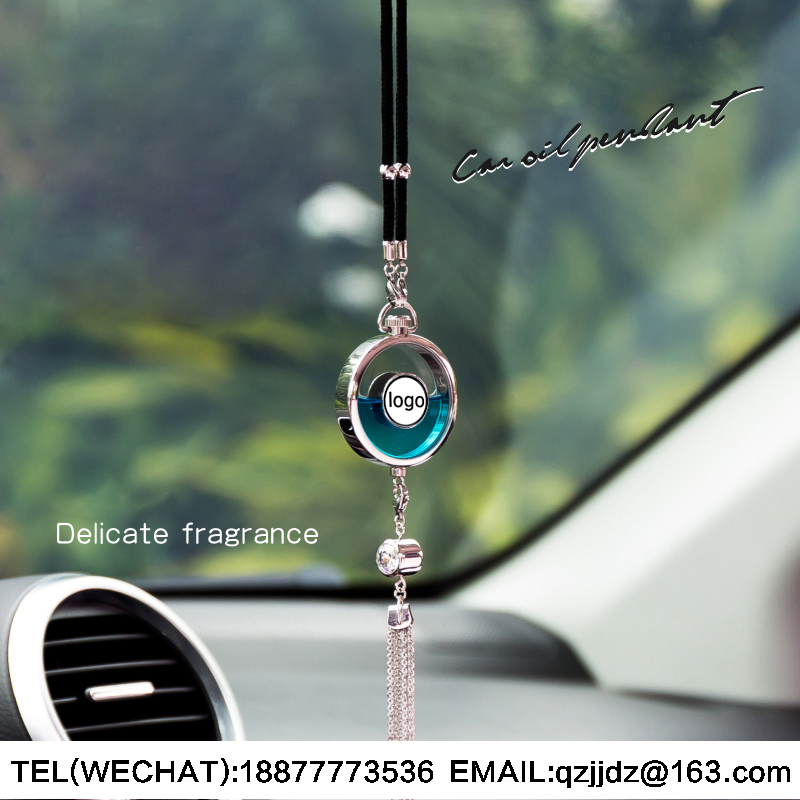
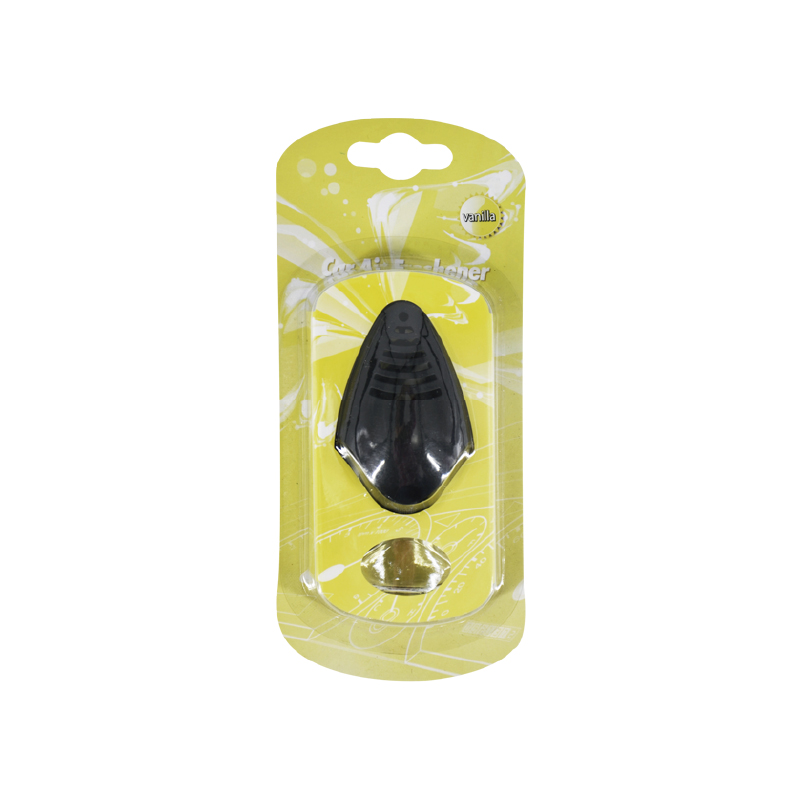
Car Fresheners & Aromatherapy
Source bulk and custom Car Fresheners & Aromatherapy from vetted manufacturers and suppliers. Designed for importers, wholesalers, distributors, and brands seeking reliable OEM and private-label production, our verified network delivers compliant, high-margin vehicle fragrance solutions.
Sourcing automotive air fresheners and aromatherapy products in volume requires balancing fragrance load, carrier material compatibility, and strict chemical safety standards. While the unit cost of these accessories is often low, the technical requirements for preventing leakage, ensuring scent longevity, and meeting international chemical compliance are demanding. A single failure in membrane sealing or a rejected safety data sheet can hold up an entire shipment.
Carrier Materials and Fragrance Loading
The core of any vehicle fragrance product is its carrier material. The choice of carrier dictates the manufacturing process, the maximum fragrance loading capacity, and the product's shelf life.
| Carrier Type | Typical Fragrance Load | Scent Longevity | Manufacturing Focus |
|---|---|---|---|
| Cellulose / Paper | 15% to 20% | 1 to 2 weeks | Die-cutting, vacuum sealing |
| EVA / Polymerized | 20% to 30% | 3 to 4 weeks | Injection molding, scent infusion |
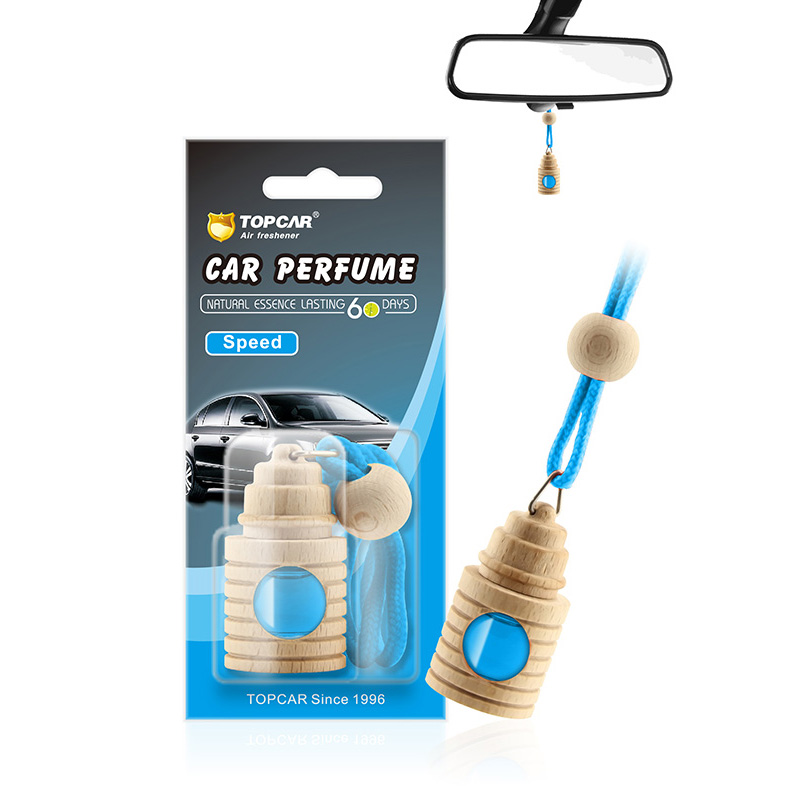
| Liquid / Membrane | 100% (Liquid) | 4 to 6 weeks | Ultrasonic welding, leak testing |
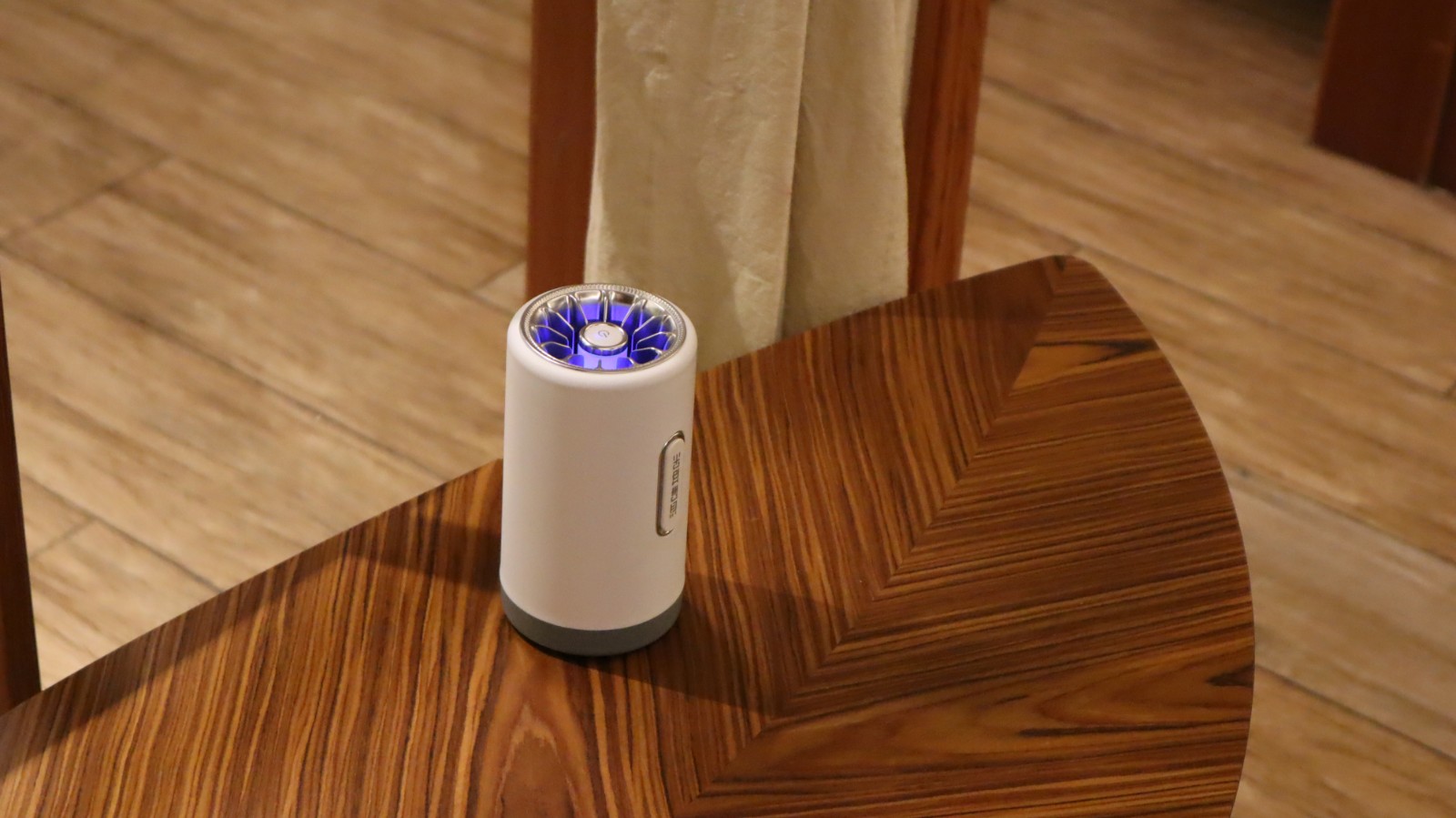
| Electronic Diffusers | Variable | Months (Refillable) | PCBA assembly, battery safety |
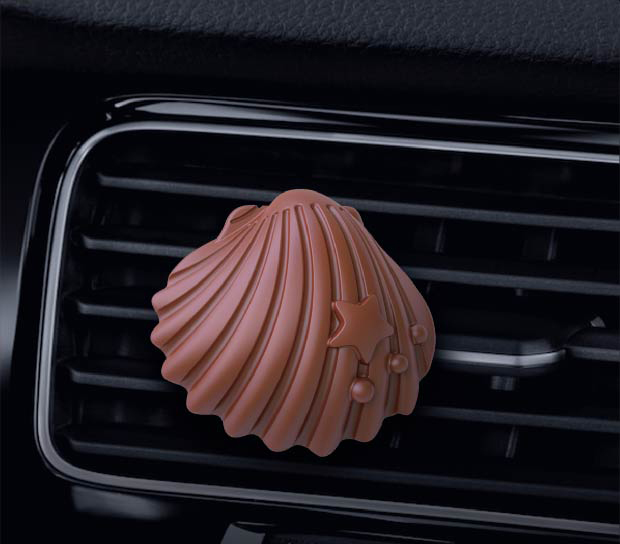
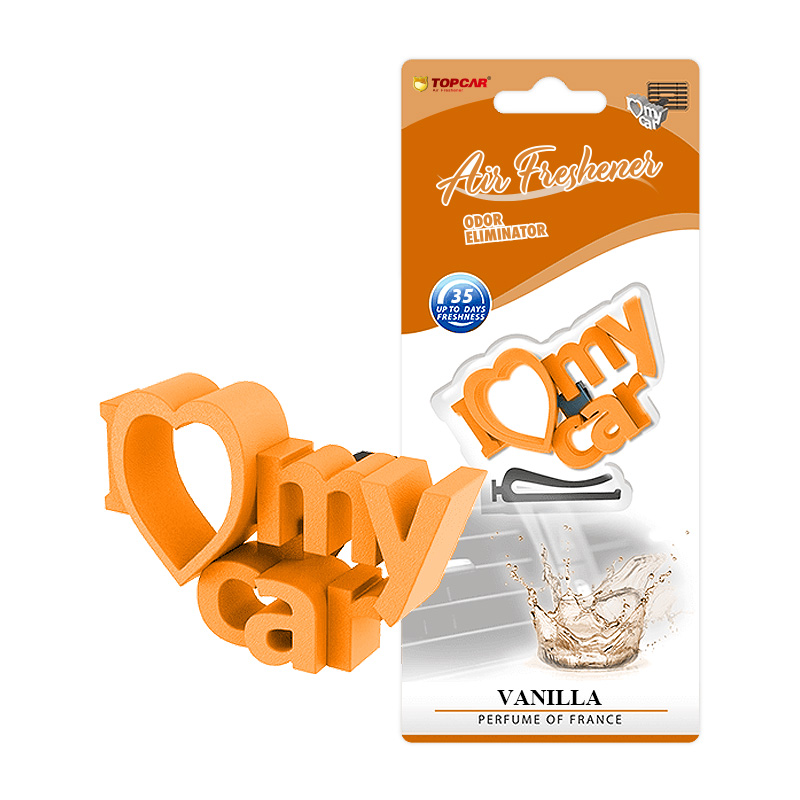
For polymer-based products like EVA vent clips, fragrance is typically infused during the raw material compounding stage or soaked post-molding. Buyers must specify the exact percentage of fragrance oil, as higher loads increase the unit cost but provide the premium longevity consumers expect.
Struggling with inconsistent scent longevity or leaking shipments? Let us help you audit your supplier's manufacturing process.
Talk to our teamChemical Compliance and Safety Standards
Air fresheners are heavily regulated because they release volatile organic compounds (VOCs) into enclosed spaces. Sourcing these products without verifying the chemical profile of the fragrance oils is a major risk.
- IFRA Certification: The International Fragrance Association sets safe usage levels for fragrance compounds. Your manufacturer must provide IFRA certificates for every scent profile.
- MSDS / SDS: Material Safety Data Sheets are mandatory for shipping, particularly for liquids, gels, and infused polymers. Freight forwarders will reject shipments without accurate documentation.
- VOC Regulations: Markets like California (CARB) and the European Union have strict limits on VOC emissions.
Navigating these regulations requires precise documentation from the factory. Engaging proper compliance and testing protocols before mass production ensures your products will not be seized at customs or flagged by retail partners.
Quality Control on the Factory Floor
Defects in car fresheners often manifest after the product has been shipped, making pre-shipment inspections critical. Changes in temperature and pressure during sea freight can cause poorly sealed liquid diffusers to leak, destroying retail packaging.
Critical QC Checks for Car Fresheners
- Vacuum seal integrity on paper and EVA products to prevent premature evaporation.
- Ultrasonic weld strength on liquid membrane diffusers (pressure testing).
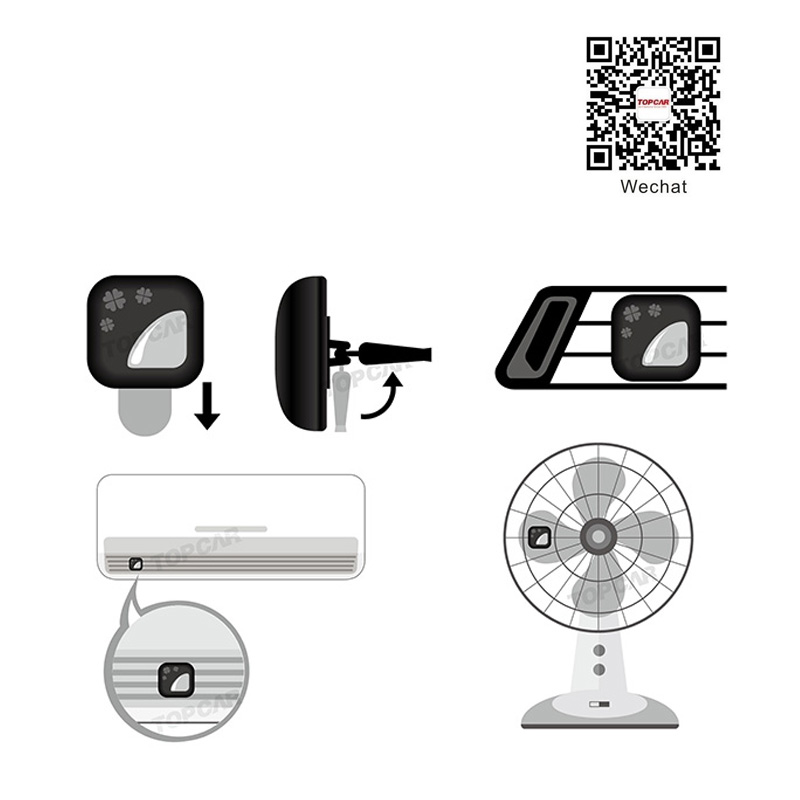
- Dimensional tolerance checks on vent clips to ensure they fit standard AC louvers without snapping.
- Fragrance cross-contamination checks in facilities producing multiple scent profiles.
- Battery and PCBA testing for electronic smart diffusers (RoHS/CE compliance).
Implementing rigorous quality control at the factory level—including vacuum leak tests and high-temperature stress tests—is the only reliable way to catch these issues before the container is loaded.
OEM Customization and Private Labeling
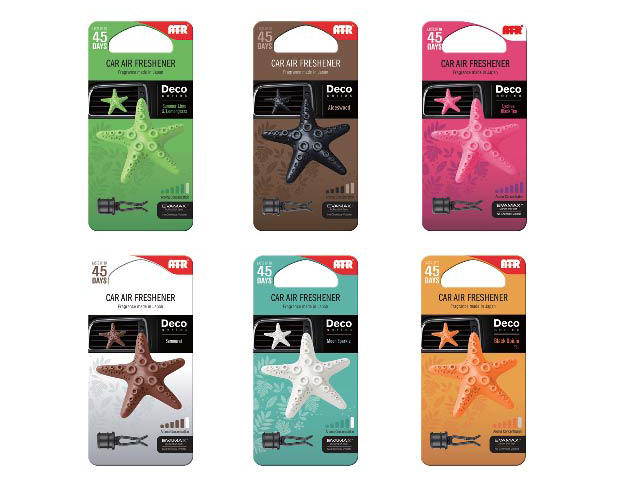
The car aromatherapy market is heavily driven by branding and unique form factors. Moving beyond off-the-shelf designs requires partnering with factories capable of custom tooling.
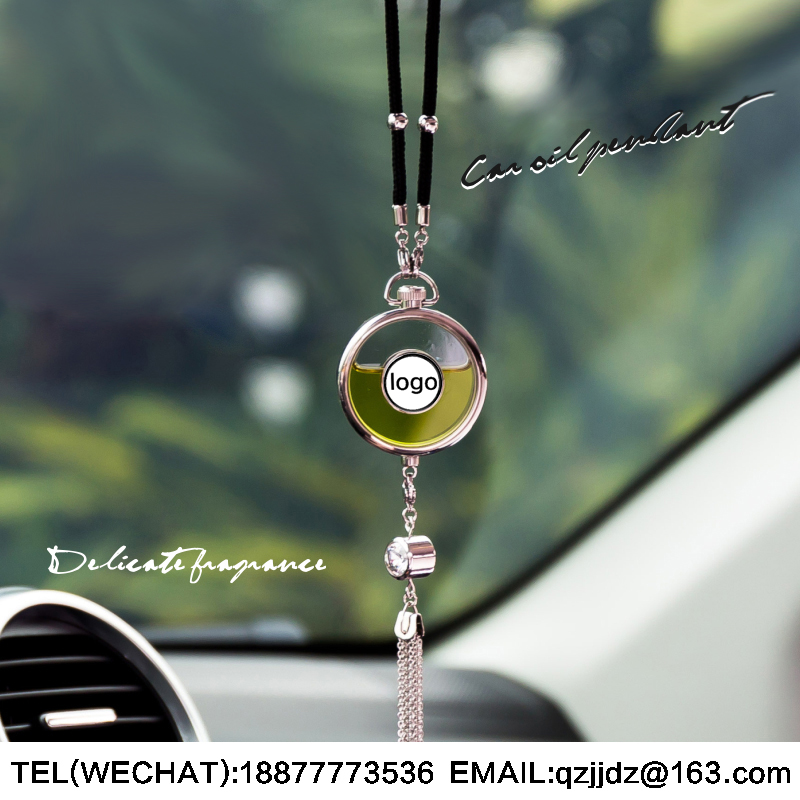
When utilizing OEM/ODM services, the primary costs are the injection molds for custom plastic housings (for vent clips or diffusers) and the die charges for custom paper shapes. Buyers should also consider customizing the fragrance itself; top-tier manufacturers work with major fragrance houses to develop proprietary scent profiles, ensuring your brand stands out from generic factory formulations.
MOQs, Pricing, and Lead Times
Production economics in this category are driven by scale. Printing, die-cutting, and automated filling lines require significant volume to be cost-effective.
Pricing is highly sensitive to the origin and quality of the fragrance oil. Oils imported from France or Switzerland will significantly increase the unit price compared to domestic Chinese synthetic oils. Always specify your target market's quality expectations during the quoting phase.
Ready to scale your private-label automotive fragrance line? We negotiate MOQs and manage production with vetted manufacturers.
Get a free consultationFrequently Asked Questions
Sourcing car fresheners in volume is fundamentally an exercise in chemical management and packaging integrity. By strictly defining fragrance loads, enforcing leak-testing protocols, and verifying compliance documentation, buyers can secure high-margin products that perform reliably in the consumer's vehicle.
Get Sourcing Help for Car Fresheners & Aromatherapy
Tell us your requirements and our experts will connect you with verified manufacturers.