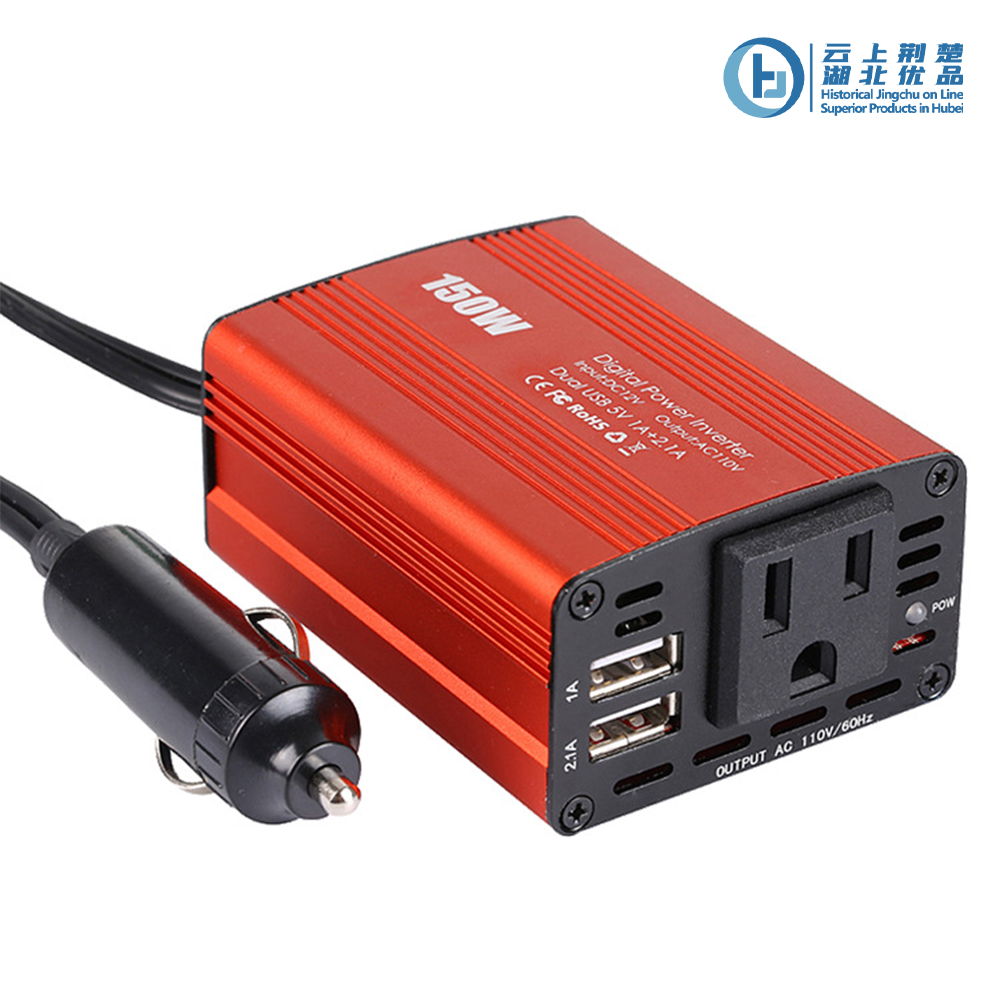
Car Electrical Appliances
Source premium Car Electrical Appliances from vetted manufacturers and wholesale suppliers. Tailored for automotive distributors, importers, and brands seeking reliable OEM/ODM production, our network delivers high-performance 12V/24V devices built to strict safety and compliance standards for global markets.
Sourcing automotive electrical appliances requires balancing power efficiency with rugged durability. Whether you are procuring 12V cabin accessories or 24V heavy-duty commercial appliances, success depends on strict adherence to electrical safety standards, thermal management, and vibration resistance. The automotive environment is harsh; voltage spikes, extreme temperature fluctuations, and constant physical stress mean that consumer-grade electronics will fail quickly if applied to in-vehicle use.
Core Specifications for Automotive Appliances
When evaluating suppliers, the bill of materials (BOM) is your primary indicator of product lifespan and safety. Automotive electrical appliances must handle unstable alternator outputs that can spike well above nominal voltage ratings.
Critical Specs to Verify with Suppliers
- Over-Voltage and Under-Voltage Protection (OVP/UVP) thresholds
- Short-circuit and reverse polarity protection mechanisms
- PCB material grade (FR4 minimum for automotive environments)
- Operating temperature range (typically -20°C to 85°C minimum)
- Housing flammability ratings (UL94 V-0 preferred)
Need help verifying factory technical capabilities and BOM quality?
Talk to our teamComponent Selection: Standard vs. Premium Builds
Factories often offer multiple tiers of the same basic appliance. The difference in unit cost usually comes down to the quality of the internal components, which directly dictates the defect rate and warranty claims you will face.
| Component Area | Standard Market Build | Premium OEM Build |
|---|---|---|
| Circuit Board | Single-layer, standard copper | Double-layer FR4, 2oz copper |
| Thermal Management | Passive air flow, plastic fins | Aluminum heat sinks, thermal potting |
| Power Cables | CCA (Copper Clad Aluminum) | 100% Pure OFC (Oxygen-Free Copper) |
| Voltage Regulation | Basic fuses | Smart ICs with auto-recovery |
Manufacturing Process and Quality Control
The reliability of a car electrical appliance is largely determined on the assembly line. Poor soldering, inadequate wire crimping, or improper housing assembly can lead to catastrophic failures, including vehicle fires. Conducting thorough Factory Audits before placing bulk orders is essential to confirm the supplier has automated SMT (Surface Mount Technology) lines and adequate testing equipment.
A robust factory will implement multiple testing phases during production. If you are arranging independent Quality Control & Inspection, ensure your inspectors are checking for:
- Burn-in testing: Units should be run at maximum load for at least 4 to 8 hours to identify early component failure.
- Vibration testing: Crucial for automotive products. The factory should test against ISO 16750-3 or equivalent standards.
- Thermal shock testing: Ensuring the appliance can survive rapid transitions from freezing to high-heat conditions.
To legally sell these products in major markets, you must also navigate strict regulatory requirements. Utilizing professional Compliance & Testing services ensures your appliances meet CE, FCC, RoHS, and automotive-specific E-mark certifications before they leave Asia.
OEM/ODM Customization Capabilities
Many brands opt to modify existing factory designs rather than paying for ground-up tooling. If you are utilizing OEM/ODM Services, you can typically customize the exterior housing color, integrate custom LCD/LED displays, and modify the PCBA to add specific smart features (like Bluetooth connectivity or app integration) without the heavy upfront costs of full product development.
Typical MOQs, Pricing, and Lead Times
Automotive electronics factories operate on strict minimum order quantities due to component sourcing constraints and SMT setup times.
Pricing is highly sensitive to copper costs (for wiring and PCBs) and the global IC market. Always lock in your BOM specifications before finalizing the price, as suppliers may swap out premium ICs for cheaper alternatives if margins get squeezed during negotiation.
Streamline your supply chain and negotiate better terms with vetted automotive electronics factories.
Get a free consultationFrequently Asked Questions
Successfully importing car electrical appliances requires a clear understanding of automotive electrical environments and stringent factory oversight. By defining your specifications down to the component level and enforcing rigorous testing protocols, you can secure reliable products that protect your brand's reputation.
Get Sourcing Help for Car Electrical Appliances
Tell us your requirements and our experts will connect you with verified manufacturers.