Car Cup Holders
Source premium car cup holders from vetted manufacturers and suppliers across Asia. Designed for importers, distributors, and automotive brands, our network supports high-volume wholesale orders and custom OEM/private-label production. Secure reliable manufacturing partners to scale your interior accessories catalog.
Sourcing aftermarket car cup holders requires balancing material durability with structural precision. The primary challenge lies in identifying factories capable of consistent injection molding and reliable expansion mechanisms, avoiding brittle plastics that fail under automotive temperature extremes.
Material Specifications and Thermal Requirements
Automotive cabins experience severe temperature fluctuations. A cup holder that feels robust at room temperature can warp at 85°C (185°F) or shatter in sub-zero climates. You must specify polymer grades based on your target market's climate and the product's structural demands, rather than relying on a factory's default "standard plastic."
| Material | Thermal Resistance | Typical Application |
|---|---|---|
| ABS (Standard) | Up to 80°C | Budget aftermarket inserts, static holders |
| PC/ABS Blend | Up to 110°C | Premium expandable bases, heavy-duty mounts |
| TPU / Silicone | Excellent | Anti-slip grips, base coasters, vibration dampening |
Manufacturing Tolerances and Quality Control
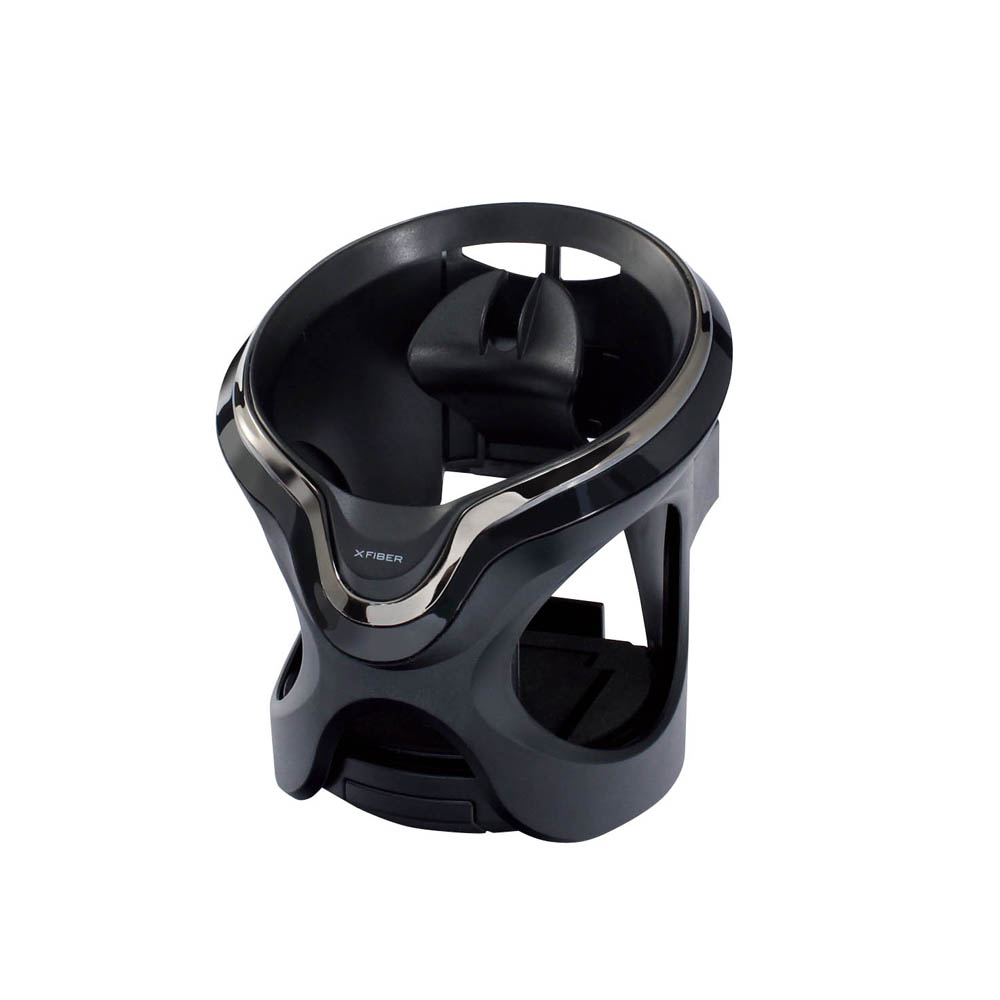
The most common failure points in multi-part cup holders—such as those with adjustable bases, spring-loaded arms, or offset extenders—stem from poor mold maintenance or rushed cooling cycles. Flash (excess plastic) on moving tracks causes jamming, while uneven cooling leads to warping that ruins the universal fit.
Critical QA Checks for Multi-Part Holders
- Verify track smoothness on expandable bases (no flash or burrs).
- Test spring tension in adjustable grip arms for consistent retention.
- Inspect ultrasonic weld lines for structural integrity under load.
- Check silicone/TPU inserts for proper adhesion to the rigid plastic body.
To catch these defects before shipment, implementing rigorous quality control and inspection directly on the factory floor is essential. Focus on thermal cycling tests and mechanical cycle testing (e.g., expanding and retracting the base 5,000 times) to validate the lifespan of moving parts.
Navigating tooling costs and material selection for custom automotive accessories? We can help you identify the right factory and lock in your specifications.
Talk to our teamCustomization: Modifying Molds vs. New Tooling
When developing a private-label product, you must decide between utilizing an open-market mold (ODM) with minor branding modifications or investing in custom tooling (OEM). If you are integrating specialized features like wireless charging coils, ambient LED lighting, or proprietary mounting hardware, custom tooling is unavoidable. Partnering with a supplier experienced in OEM/ODM services ensures your CAD designs translate accurately into steel molds, particularly regarding draft angles for smooth part ejection and precise assembly tolerances.
MOQs, Lead Times, and Pricing Dynamics
Unit costs for car cup holders are heavily influenced by resin prices (which track closely with crude oil) and the complexity of the assembly. Multi-component holders require manual assembly, driving up labor costs compared to single-piece molded inserts.
Always verify a supplier's true production capacity before committing to tooling. Conducting thorough factory audits helps distinguish between specialized plastic injection manufacturers and trading companies that simply assemble parts sourced from disparate workshops.
Need to negotiate better terms, audit a new supplier, or consolidate shipments from multiple automotive accessory factories?
Get a free consultationFrequently Asked Questions
Successfully sourcing car cup holders means looking past the surface finish and scrutinizing the polymer blends, mold precision, and assembly quality. By locking in strict material specifications and validating factory capabilities early, you protect your margins from costly high-return rates.
Get Sourcing Help for Car Cup Holders
Tell us your requirements and our experts will connect you with verified manufacturers.