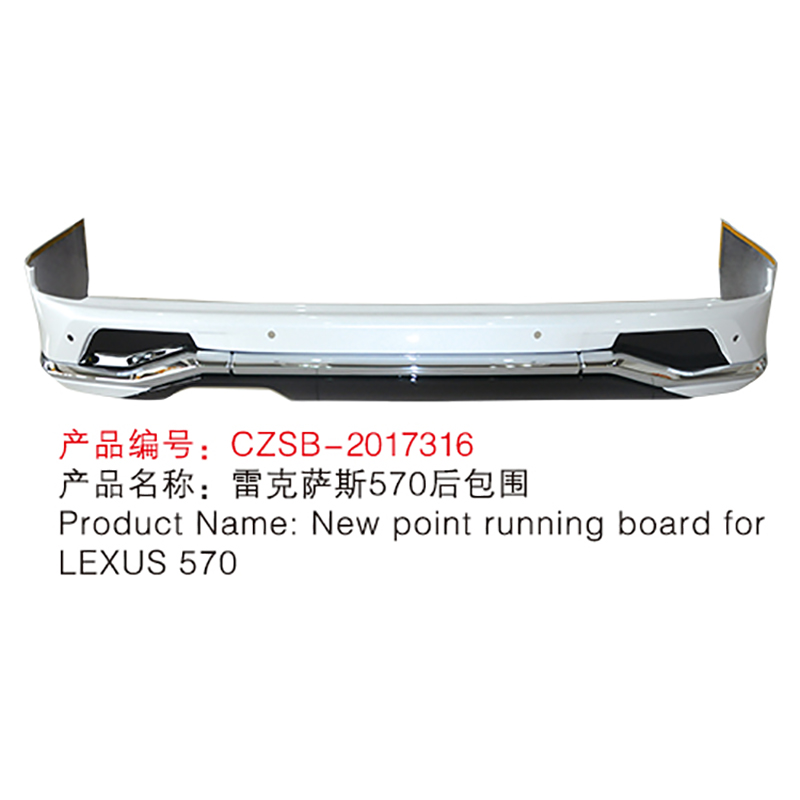
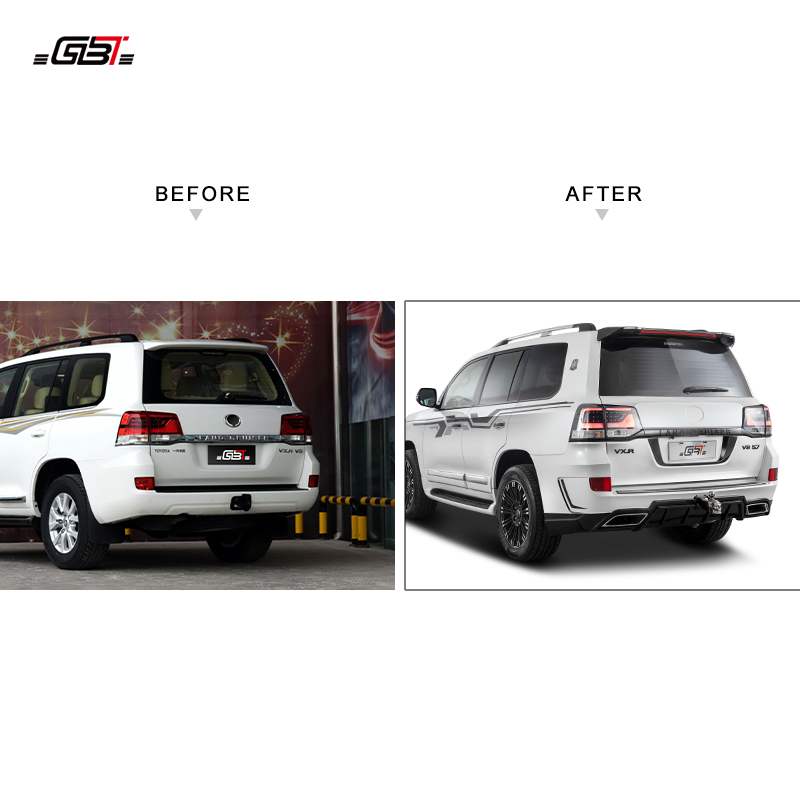
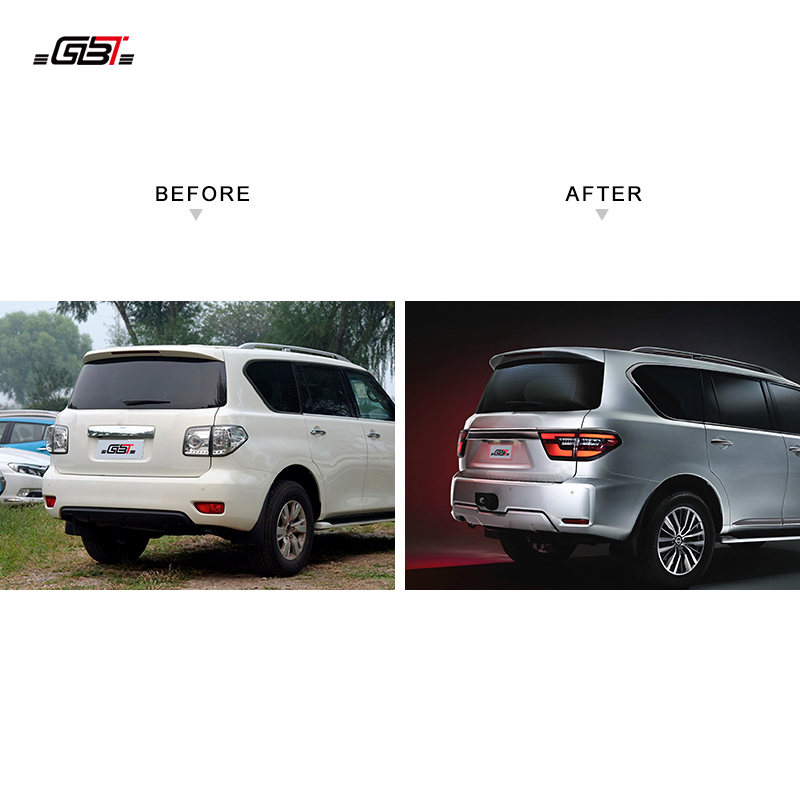
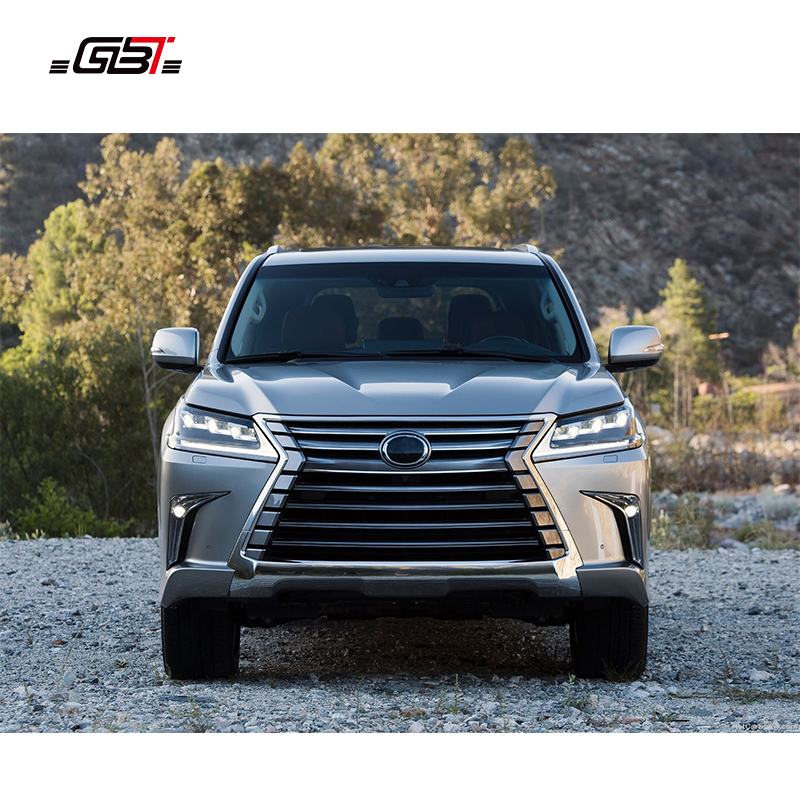
Car Body Kits
Source high-quality car body kits from vetted manufacturers and wholesale suppliers across Asia. Built for importers, distributors, and aftermarket brands, our network supports bulk orders, OEM/ODM custom designs, and strict quality control for precision-molded automotive exterior upgrades.
Sourcing car body kits at scale hinges on two critical factors: material integrity and fitment precision. A millimeter deviation in a bumper cover or side skirt translates to massive return rates, installation complaints, and permanent brand damage. For B2B buyers moving high volumes of exterior aero parts, success requires partnering with factories that possess in-house 3D scanning capabilities, precise mold-making expertise, and strict dimensional tolerances.
Material Selection and Manufacturing Processes
The choice of material dictates the tooling cost, production speed, and the end-user's installation experience. Factories generally specialize in one or two specific materials, as the machinery required for injection molding differs entirely from hand-laid composites.
| Material | Tooling Cost | Flexibility | Primary Application |
|---|---|---|---|
| ABS Plastic | High | Low to Medium | Mass-market OEM replacements |
| Polyurethane (PU) | High | Very High | Durable aftermarket street kits |
| Fiberglass (FRP) | Low | Low (Brittle) | Low-volume custom aero |
| Carbon Fiber | Medium | Rigid | Premium/Track applications |
Injection Molding vs. Hand-Laid Composites
For ABS and PU kits, manufacturers use high-pressure injection molding. This requires expensive steel or aluminum tooling but results in exceptional consistency and low unit costs at high volumes. If you are developing proprietary designs, engaging a partner for Product Development ensures your CAD files are optimized for mold draft angles and shrinkage rates.
Conversely, Fiberglass (FRP) and Carbon Fiber are typically hand-laid or vacuum-infused. These processes require lower upfront tooling investments but rely heavily on skilled factory labor to prevent surface defects like pinholing or uneven resin distribution.
Developing a custom body kit? Let us match you with a manufacturer equipped for exact-tolerance tooling and production.
Talk to our teamFactory Capabilities and Quality Control
Not all suppliers are true manufacturers; many are trading companies aggregating parts from various workshops. When evaluating a factory, you must verify their in-house capabilities. Conducting thorough Factory Audits is essential to confirm whether a supplier owns their own injection machines and testing chassis.
Critical Fitment and Finish Checks
Poor fitment is the leading cause of failure in the body kit import business. Factories must validate dimensional accuracy before mass production begins.
Essential QC Checks for Body Kits
- 3D scan fitment verification against the target vehicle chassis
- Inspection of all mounting tabs for correct thickness and alignment
- Surface finish evaluation for pinholes, waves, or resin pooling
- UV clear coat thickness testing for carbon fiber components
- Flex-testing for PU bumpers to ensure resilience without cracking
Implementing rigorous Quality Control & Inspection prior to container loading catches these defects at the factory, preventing unsellable inventory from reaching your warehouse.
Pricing, MOQs, and Logistics Realities
Procurement parameters vary wildly based on the material and manufacturing method. Because body kits are inherently bulky, they present unique supply chain challenges, particularly regarding freight optimization.
Freight and Packaging Optimization
Body kits have a notoriously poor volume-to-weight ratio. Shipping "air" will destroy your profit margins. Experienced manufacturers design packaging that allows bumpers and side skirts to nest safely without warping. Coordinating with a partner who understands Shipping & Freight ensures your volumetric weight is minimized and container space is maximized.
Struggling with high freight costs on bulky aero parts? We can help optimize your packaging and container loading strategy.
Get a free consultationFrequently Asked Questions
Successfully importing car body kits requires balancing tooling investments with rigorous dimensional quality control. By partnering with vetted manufacturers who understand the strict tolerances of automotive fitment, buyers can scale their aftermarket product lines with confidence and protect their brand reputation.
Get Sourcing Help for Car Body Kits
Tell us your requirements and our experts will connect you with verified manufacturers.