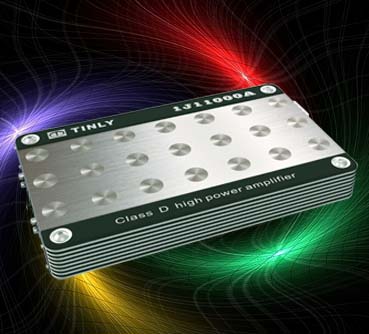
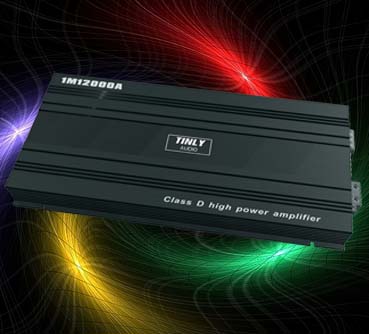
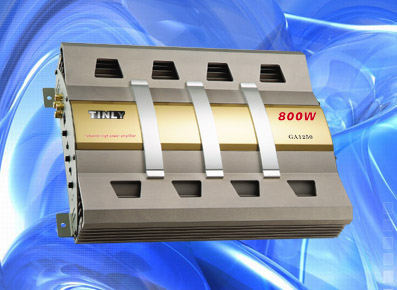
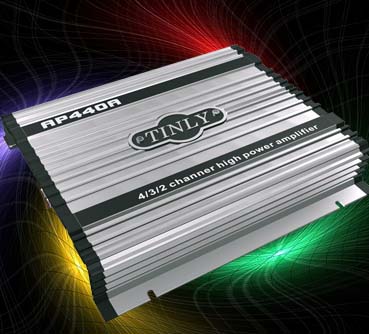
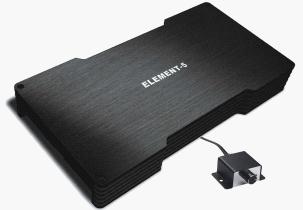
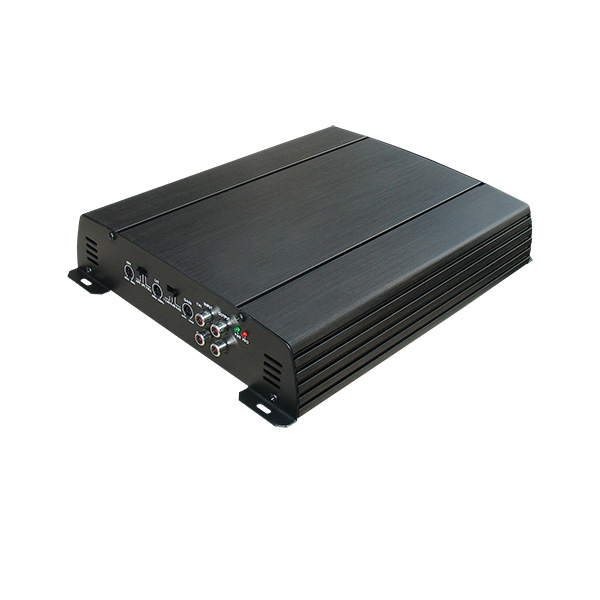
Car Amplifiers
Source wholesale car amplifiers from vetted manufacturers and suppliers across Asia. Designed for importers, auto electronics distributors, and brands seeking reliable OEM/ODM production, our factory-direct network ensures you get the right balance of power output, thermal efficiency, and pricing for your bulk orders.
Sourcing car amplifiers requires navigating a landscape where printed specifications often diverge from actual performance. For bulk buyers, the core challenge lies in finding manufacturing partners who use genuine internal components, maintain strict thermal management standards, and deliver consistent continuous power (RMS) without excessive failure rates. Success in this category depends on moving past cosmetic designs and auditing the factory's engineering capabilities.
Amplifier Topologies and Production Realities
When working with Asian manufacturers, understanding the cost and performance implications of different amplifier architectures is essential for aligning your product line with your target market.
| Architecture | Power Efficiency | Thermal Output | Typical Sourcing Application |
|---|---|---|---|
| Class A/B | 50% to 60% | High (requires heavy heatsinks) | Entry-level to mid-tier multi-channel audio |
| Class D | Over 85% | Low (compact footprint) | High-power subwoofers & modern full-range setups |
Historically, Class A/B dominated the budget and mid-range markets due to lower component costs. However, Class D amplifiers have become the standard for new OEM projects. While the Integrated Circuits (ICs) for Class D are more expensive, the savings in aluminum heatsink extrusion and PCB footprint often offset the component premium, resulting in lower shipping weights and a more competitive landed cost.
Need help identifying factories capable of true CEA-2006 compliant amplifier production? We can match you with vetted suppliers.
Talk to our teamComponent Quality and Factory-Level Vulnerabilities
The visual appearance of a car amplifier tells you very little about its longevity. Profit margins in low-end factories are often padded by substituting inferior internal components. When defining your Bill of Materials (BOM) or selecting an off-the-shelf white-label design, specific attention must be paid to the board level.
Critical Component Checks for Car Amplifiers
- MOSFET Origin: Specify genuine IR (International Rectifier) or equivalent tier-1 power supply and output MOSFETs. Counterfeit or recycled transistors are a primary cause of thermal runaway.
- Capacitor Tolerances: Ensure primary power supply capacitors are rated for 105 degrees Celsius, not the cheaper 85-degree variants, to survive harsh automotive environments.
- PCB Thickness & Copper Weight: Demand at least 1.6mm FR4 fiberglass boards with heavy copper traces (e.g., 2oz or 3oz) for high-current pathways.
- Heatsink Mass: Verify the actual weight of the aluminum extrusion. Hollowed-out or artificially lightened heatsinks will fail to dissipate heat under heavy load.
Because these substitutions are invisible from the outside, rigorous Quality Control & Inspection during the assembly phase is non-negotiable. Pre-shipment inspections should include burn-in testing at maximum RMS output for extended periods to expose weak power supplies or inadequate thermal coupling.
Sourcing Hubs and Vetting Suppliers
The vast majority of automotive audio electronics manufacturing is concentrated in Guangdong province, China—specifically in Guangzhou, Shenzhen, and Dongguan.
While the concentration of the supply chain makes sourcing easier, it also creates an environment where trading companies masquerade as manufacturers. A trading company will struggle to provide customized PCB layouts or specific component upgrades. Conducting comprehensive Factory Audits is the most effective way to verify that a supplier has in-house SMT (Surface Mount Technology) lines, proper audio testing equipment (like Audio Precision analyzers), and the engineering staff required to support your order.
MOQs, Lead Times, and Pricing Dynamics
Pricing for car amplifiers is highly sensitive to the cost of raw materials—specifically aluminum for the chassis and copper for the transformers and inductors.
If you are developing a unique product line, engaging in OEM/ODM Services allows you to dictate the exact aesthetic and performance parameters. However, keep in mind that custom heatsink tooling will require an upfront investment (typically ranging from a few hundred to over a thousand dollars, depending on complexity), which is often amortized or refunded after a certain volume threshold is met.
Looking to develop a custom private-label amplifier line? We handle factory negotiation, tooling management, and quality assurance.
Get a free consultationFrequently Asked Questions
Sourcing car amplifiers at scale is fundamentally an exercise in risk management. By establishing strict technical specifications upfront and verifying production through rigorous auditing and inspection, you can secure reliable products that protect your brand's reputation in the competitive 12-volt audio market.
Get Sourcing Help for Car Amplifiers
Tell us your requirements and our experts will connect you with verified manufacturers.