Capacitor
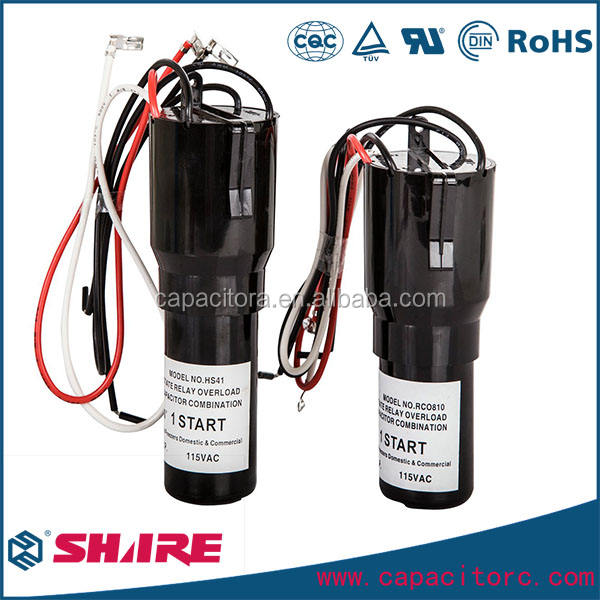
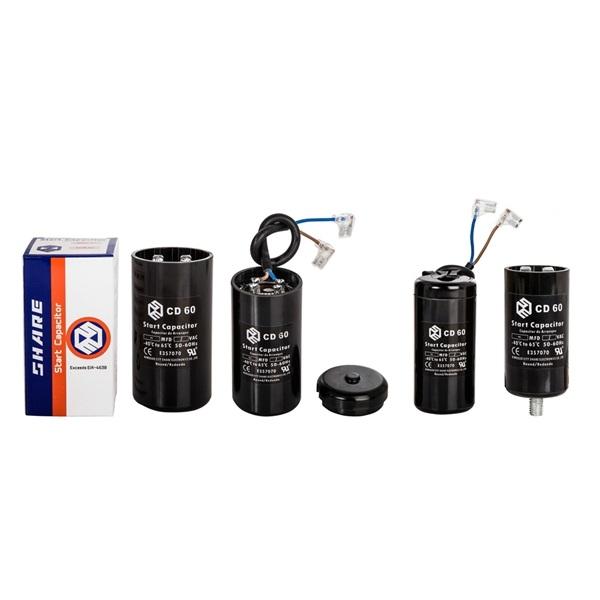
Source reliable HVAC&R capacitors from vetted manufacturers and suppliers. Designed for importers, distributors, and OEM brands buying in bulk, our network offers high-performance motor run and start capacitors. Ensure your refrigeration systems operate efficiently with certified, factory-direct components.
HVAC and refrigeration systems rely heavily on motor run and start capacitors to power heavy-duty compressors and condenser fans. Because a failed capacitor is the single most common cause of AC and refrigeration service calls, component reliability is non-negotiable. For distributors and OEM brands sourcing in volume, securing consistent quality from overseas manufacturers requires strict attention to raw materials, internal safety mechanisms, and rigorous batch testing.
Critical Specifications for Bulk Buyers
When issuing a Request for Quotation (RFQ) to a factory, incomplete specifications will result in wildly varying quotes, often based on inferior materials. You must define the exact operational parameters.
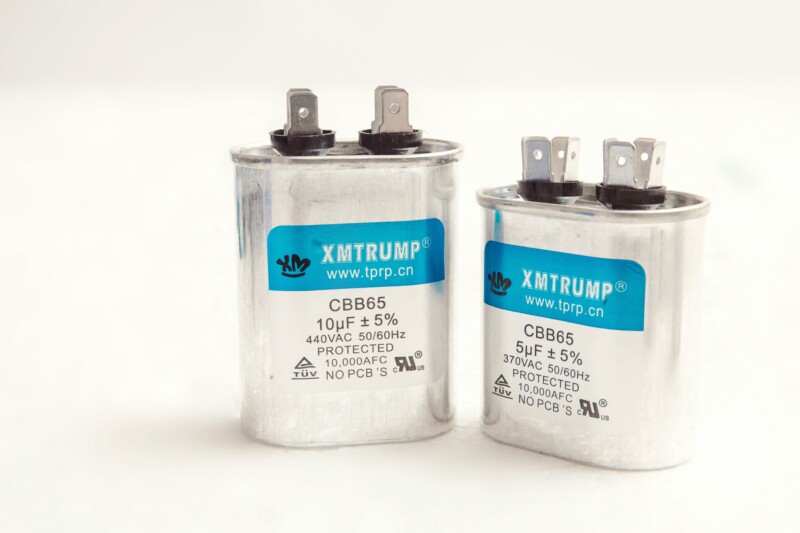
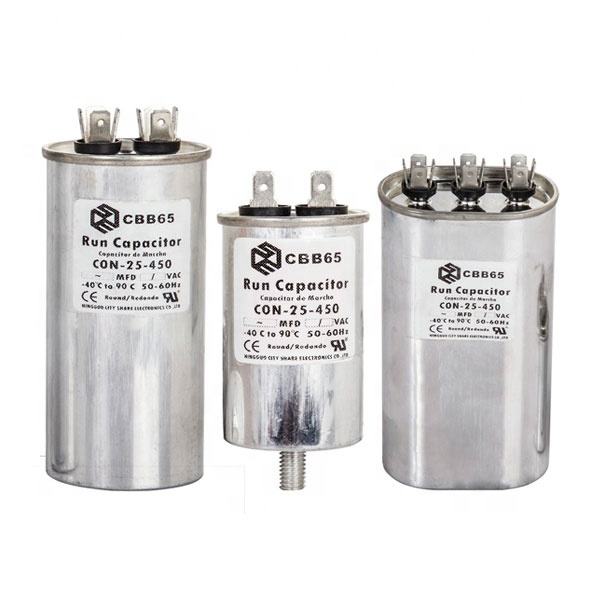
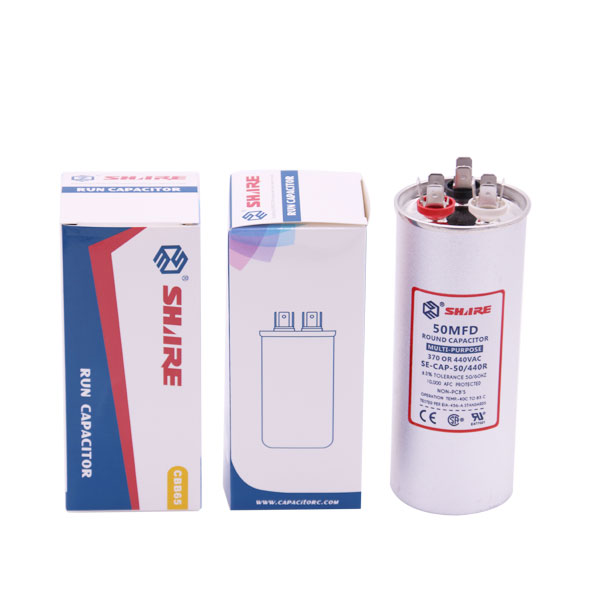
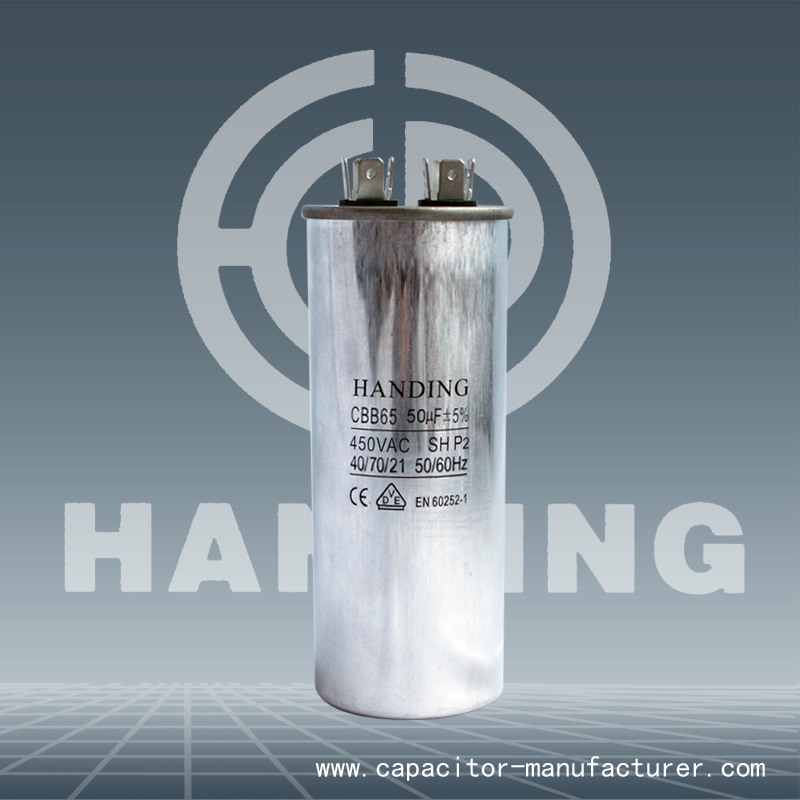
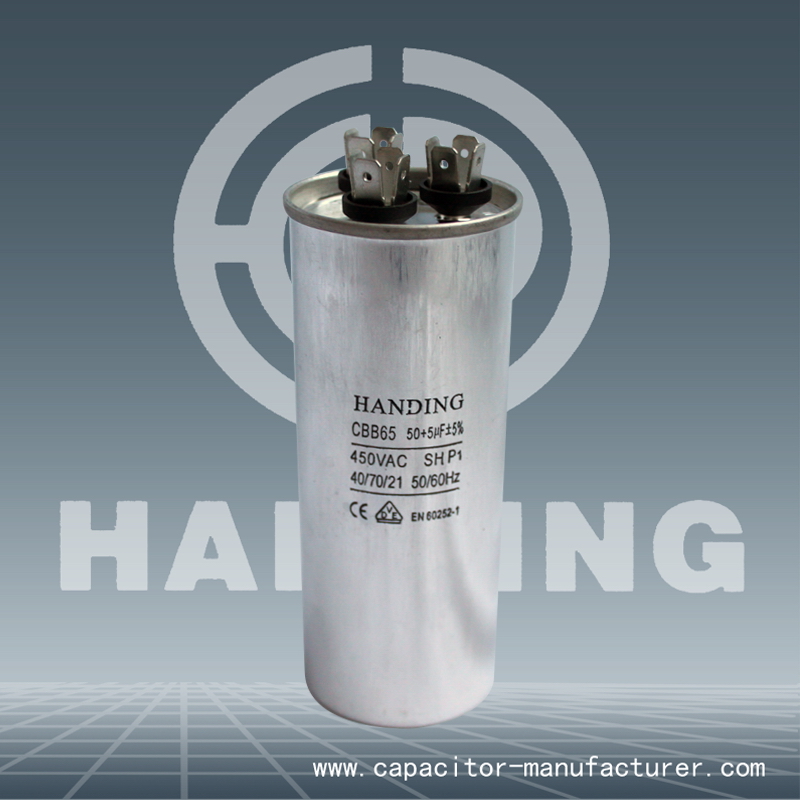
- Capacitance (µF) & Tolerance: Standard motor run capacitors typically range from 2 to 80 µF. Specify whether you need single or dual-run capacitors (e.g., 35/5 µF for a compressor and fan). A tolerance of plus or minus 5 percent is the industry standard.
- Voltage Rating (VAC): Common ratings are 370V and 440V. A 440V capacitor can safely replace a 370V unit, but not vice versa. Standardizing on 440V can simplify inventory for wholesalers, though it carries a slight cost premium.
- Temperature Range: Refrigeration capacitors operate in harsh environments. Specify an operating temperature of minus 40 to 70 degrees Celsius, or up to 85 degrees Celsius for heavy-duty applications.
- Dielectric Material: The core of a run capacitor is metallized polypropylene film. The thickness and quality of this film directly dictate the component's lifespan and ability to self-heal after micro-punctures.
Need to standardize your capacitor specifications across multiple suppliers? Let's review your technical requirements.
Talk to our teamManufacturing Quality and Lifespan Classes
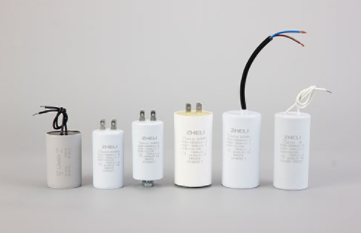
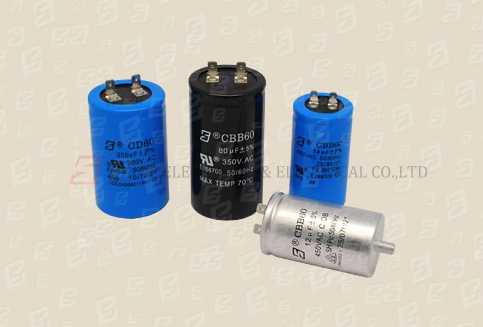
Not all capacitors that look identical on the outside perform identically in the field. The difference lies in the winding process, the potting or filling material, and the internal safety mechanisms.
Most HVAC run capacitors use an aluminum casing filled with either epoxy resin or a dielectric fluid (often soybean oil or synthetic oil) to dissipate heat. Oil-filled designs generally offer better thermal management for high-capacitance units, provided the factory's sealing process is flawless.
A critical safety feature is the internal pressure-sensitive interrupter. If the capacitor overheats and builds internal gas pressure, the top of the casing expands, physically breaking the internal connection and preventing an explosion. Verifying that a factory consistently implements and tests this mechanism is a primary focus during our Factory Audits.
| Life Class (EIA-456-A) | Expected Lifespan | Typical Application | Cost Profile |
|---|---|---|---|
| Class A | 60,000 hours | Premium OEM / Severe Duty | Highest |
| Class B | 10,000 hours | Standard HVAC / Aftermarket | Moderate |
| Class C | 3,000 hours | Budget / Light Duty | Lowest |
Essential Quality Control Checks
Catching defects before shipment is critical, as a faulty batch can lead to massive warranty claims. A robust Quality Control & Inspection protocol should include:
Pre-Shipment Capacitor Inspection Points
- Capacitance drift testing (verifying values remain within the 5 percent tolerance)
- Dissipation factor (tangent delta) measurement to check internal energy loss
- High-voltage withstand testing between terminals and the aluminum case
- Vacuum leak testing for oil-filled units to ensure seal integrity
- Visual inspection of terminal pins (spades) for oxidation or poor spot welding
Sourcing Mechanics: Pricing, MOQs, and Lead Times
Capacitor pricing is highly sensitive to the cost of raw materials—specifically aluminum for the casing and high-grade polypropylene film. Prices fluctuate with global commodities.
When negotiating with factories, be wary of prices that fall significantly below the market average. Budget manufacturers often achieve these prices by using thinner dielectric film, reducing the amount of internal oil, or substituting the aluminum case for a thinner gauge. This inevitably drops the component from a Class B lifespan down to a Class C (or worse), drastically increasing premature field failures.
If you are a brand looking to private-label your components, custom printing on the casing (your logo, specific part numbers, and QR codes) is standard, though it may push the MOQ toward the higher end of the typical range. Engaging a reliable partner for Product Sourcing ensures you are matched with factories capable of meeting both your volume needs and strict technical tolerances.
Tired of inconsistent quality across your capacitor shipments? We can help stabilize your supply chain.
Get a free consultationFrequently Asked Questions
Sourcing refrigeration capacitors at scale is an exercise in risk management. The initial unit cost is only a fraction of the total cost of ownership when you factor in the labor and reputation damage associated with field replacements. By defining strict material specifications, verifying factory testing capabilities, and maintaining rigorous pre-shipment inspections, buyers can secure reliable components that keep systems running year after year.
Get Sourcing Help for Capacitor
Tell us your requirements and our experts will connect you with verified manufacturers.