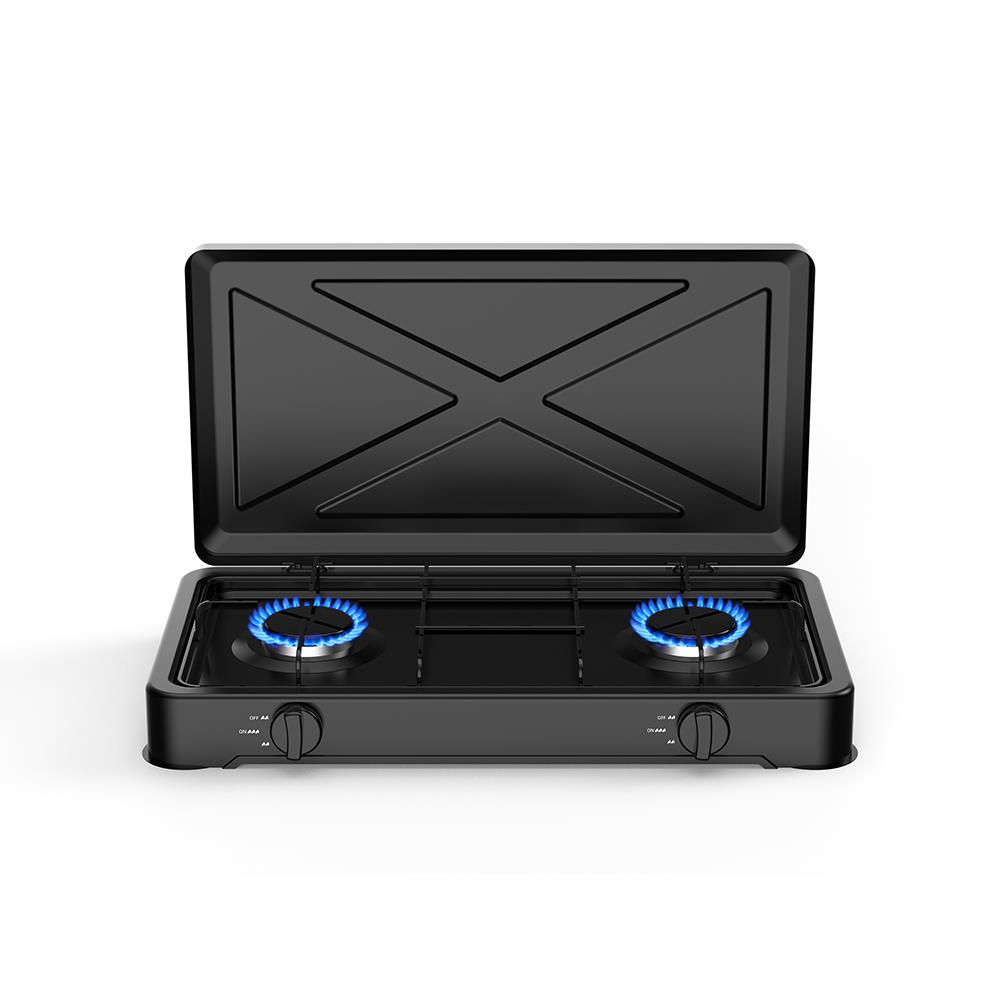
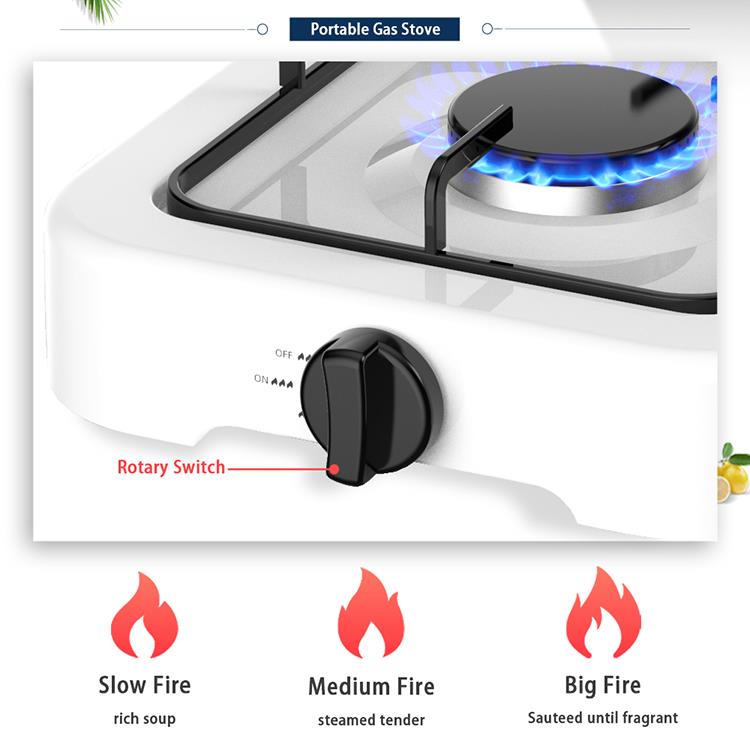
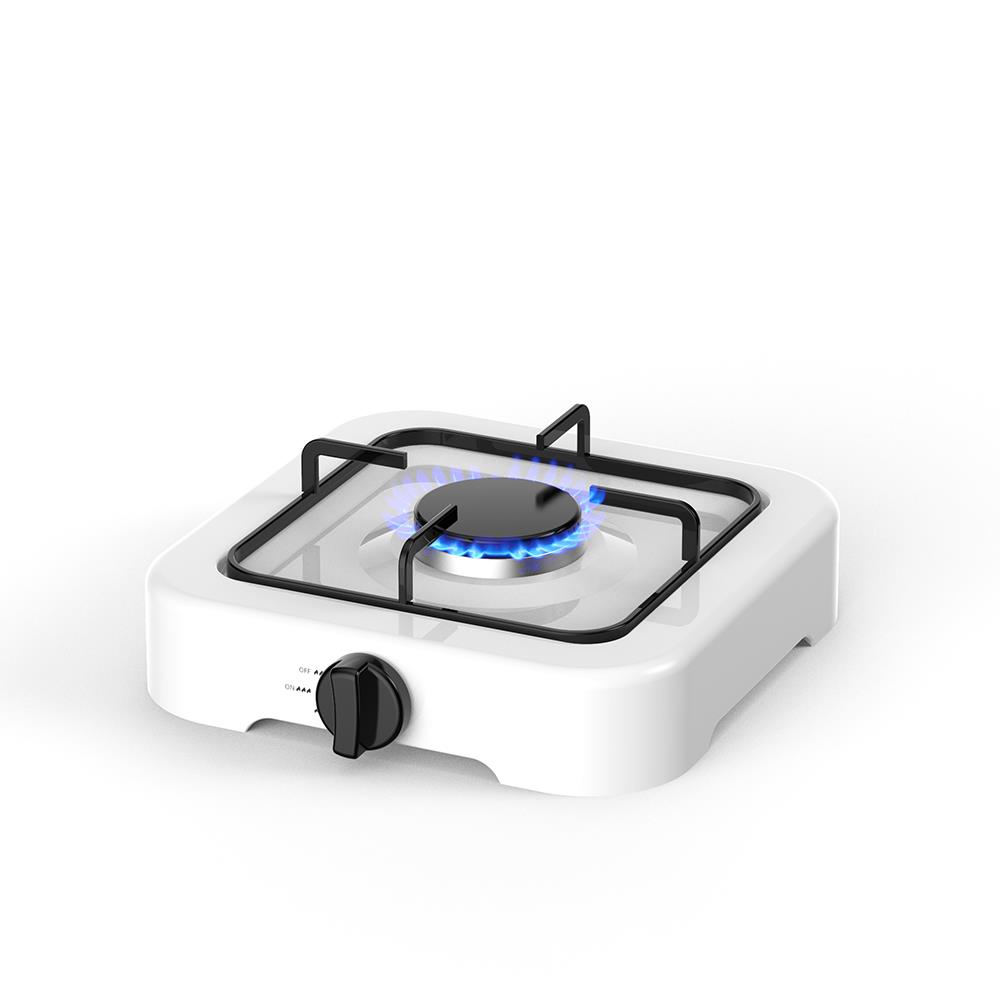
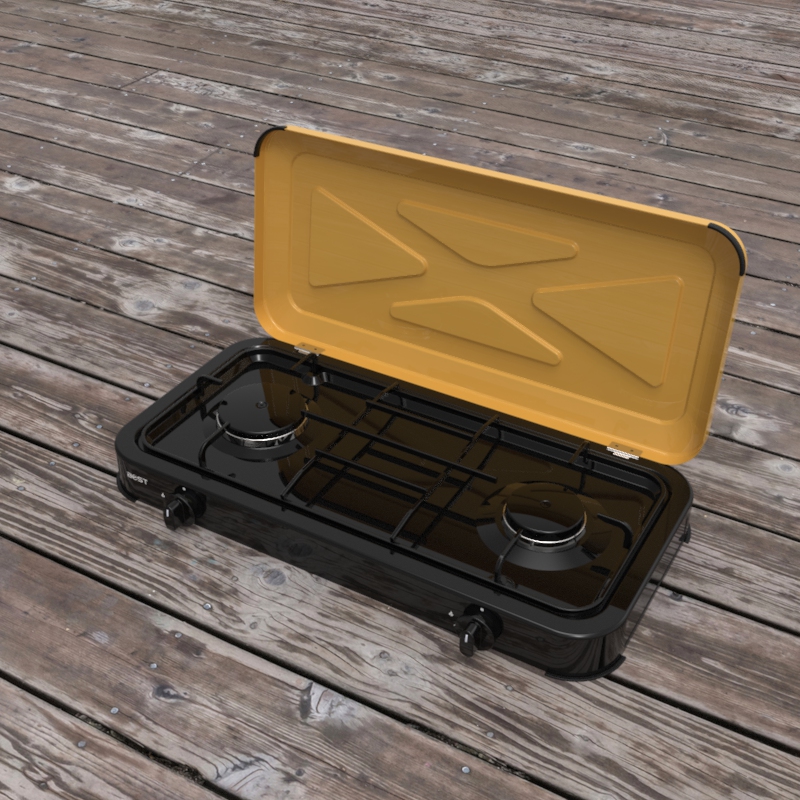
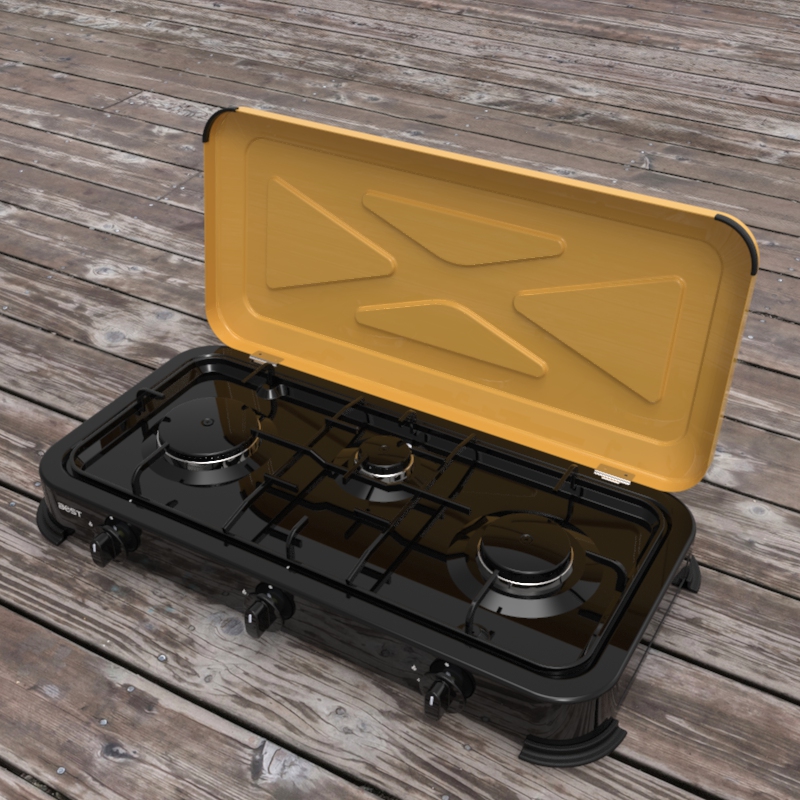
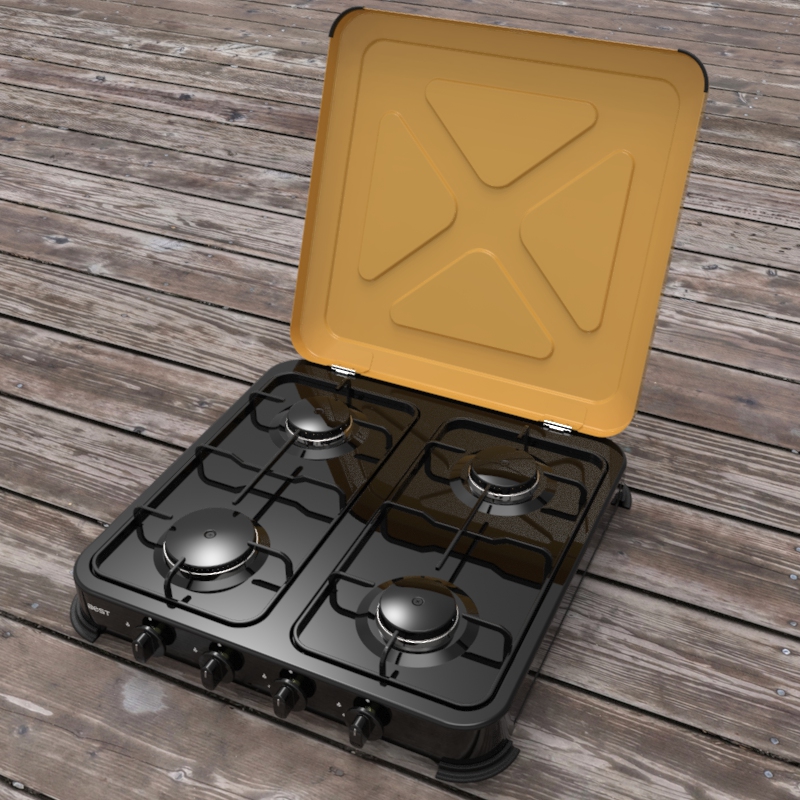
Camping Stoves & Accessories
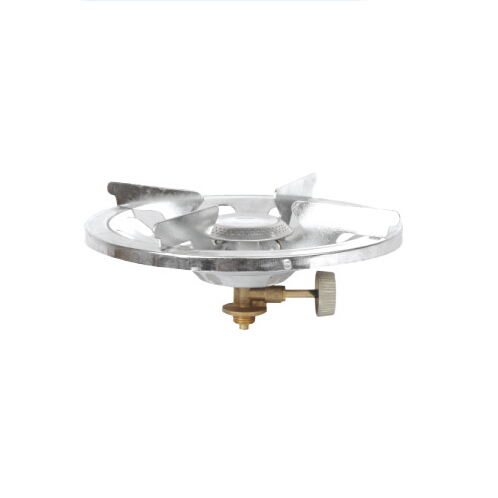
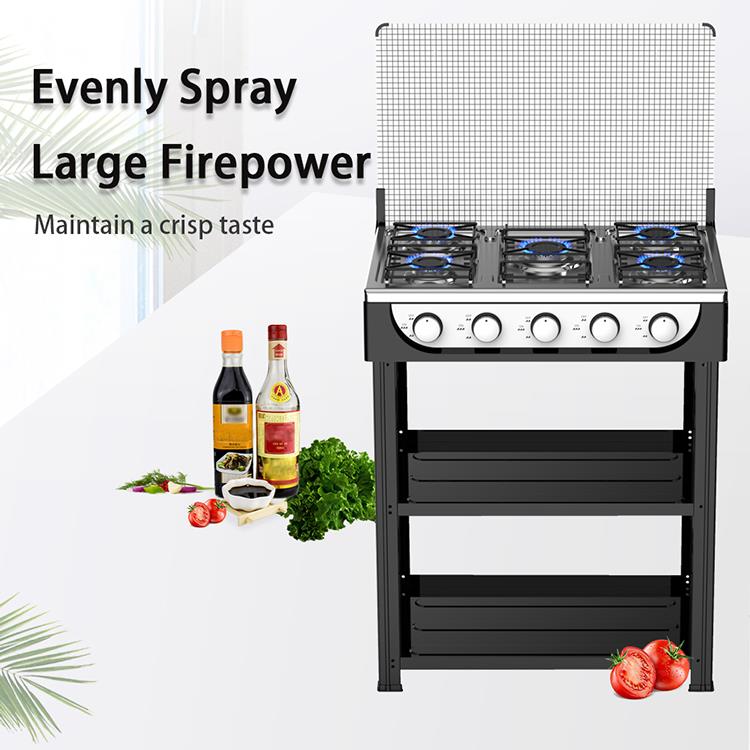
Source reliable Camping Stoves & Accessories from vetted manufacturers and wholesale suppliers across Asia. Designed for importers, distributors, and outdoor brands looking for scalable OEM and private-label production, our network delivers high-performance cooking gear built to strict international safety standards.
Sourcing camping stoves and outdoor cooking accessories requires balancing thermal efficiency, lightweight portability, and absolute safety. When buying in bulk, the primary risk lies in the gas delivery system—specifically valve machining, regulator consistency, and seal integrity. A failure in any of these areas results in product recalls, regulatory blocks, or worse. Successfully importing this category means partnering with factories that treat these items as precision gas appliances rather than simple metal hardware.
Engineering and Material Specifications
The core performance of a camping stove is dictated by its burner head design, BTU (British Thermal Unit) output, and the materials used in its construction. Buyers must specify exactly what tier of performance they expect, as this dictates the manufacturing techniques required.
| Material | Key Characteristics | Typical Application |
|---|---|---|
| Titanium | Ultralight, high heat tolerance, difficult to machine | Premium backpacking and alpinist stoves |
| 304 Stainless Steel | Excellent durability, rust resistant, heavier | Standard camping and expedition stoves |
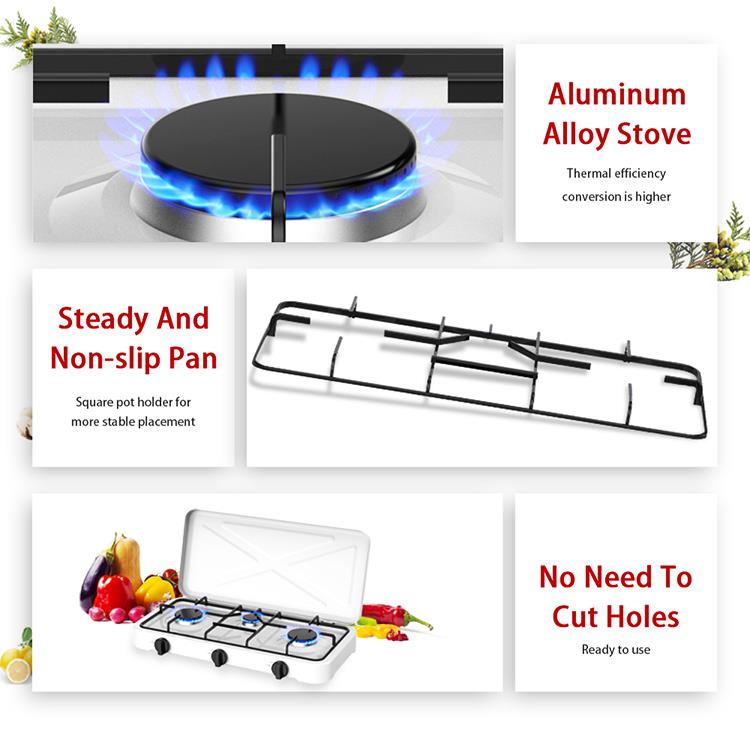
| Aluminum Alloy | Good heat dissipation, lightweight, cost-effective | Basecamp stoves and accessory cookware |
| Brass | Superior machining tolerances, corrosion resistant | Critical valve components and gas regulators |
Beyond the structural metals, the materials used for O-rings and seals are non-negotiable. Specify high-grade Nitrile or Viton seals for any component interacting with isobutane, propane, or liquid fuels to prevent degradation over time.
Manufacturing Precision and Safety Compliance
Camping stoves are highly regulated. In the European Union, gas appliances must comply with the CE Gas Appliances Regulation (GAR) and standards like EN 521. In North America, CSA and ANSI Z21.72 standards apply. Achieving these certifications requires rigorous factory-level testing.
If you are developing a custom product, integrating Compliance & Testing early in the prototyping phase is critical to avoid costly redesigns.
Critical Factory-Level Quality Checks
- 100 percent water-bath leak testing for all assembled gas valves.
- Pressure tolerance testing for regulators (ensuring consistent output in cold weather).
- Ignition cycle testing for piezo-electric igniters (minimum 10,000 successful strikes).
- Flame stability and carbon monoxide (CO) emission testing under variable wind conditions.
- Load-bearing tests for pot supports at maximum operating temperatures.
Need help verifying a factory's testing capabilities and regulatory compliance? Let our sourcing experts audit your supply chain.
Talk to our teamCustomization and OEM Development
For brands looking to differentiate, off-the-shelf models often fall short. Modifying burner geometry to improve boil times or adding micro-regulators for high-altitude performance requires advanced tooling. Engaging in OEM/ODM Services allows you to tweak wind baffle designs, customize folding leg mechanisms, and apply proprietary surface treatments (like hard anodizing).
Ensure your supplier has strong in-house CNC machining capabilities. Subcontracted valve machining is a common source of batch-to-batch quality fade. A robust Quality Control & Inspection protocol must include unannounced in-line inspections to verify that raw material grades and machining tolerances match the approved golden sample.
Pricing, MOQs, and Production Lead Times
Unit costs in this category fluctuate based on raw material indexes (especially titanium and brass) and the complexity of the gas regulation system. Standardized models with basic needle valves will be significantly cheaper than pressure-regulated systems designed for sub-zero temperatures.
Planning a bulk order? We can negotiate favorable MOQs and manage the entire production schedule to keep your inventory flowing.
Get a free consultationFrequently Asked Questions
Importing camping stoves is a high-stakes category where safety and reliability are paramount. Success requires looking past the glossy catalog photos and digging into the supplier's machining tolerances, testing protocols, and regulatory track record. Partnering with experienced sourcing professionals ensures your products perform flawlessly in the backcountry and sail smoothly through customs.
Get Sourcing Help for Camping Stoves & Accessories
Tell us your requirements and our experts will connect you with verified manufacturers.