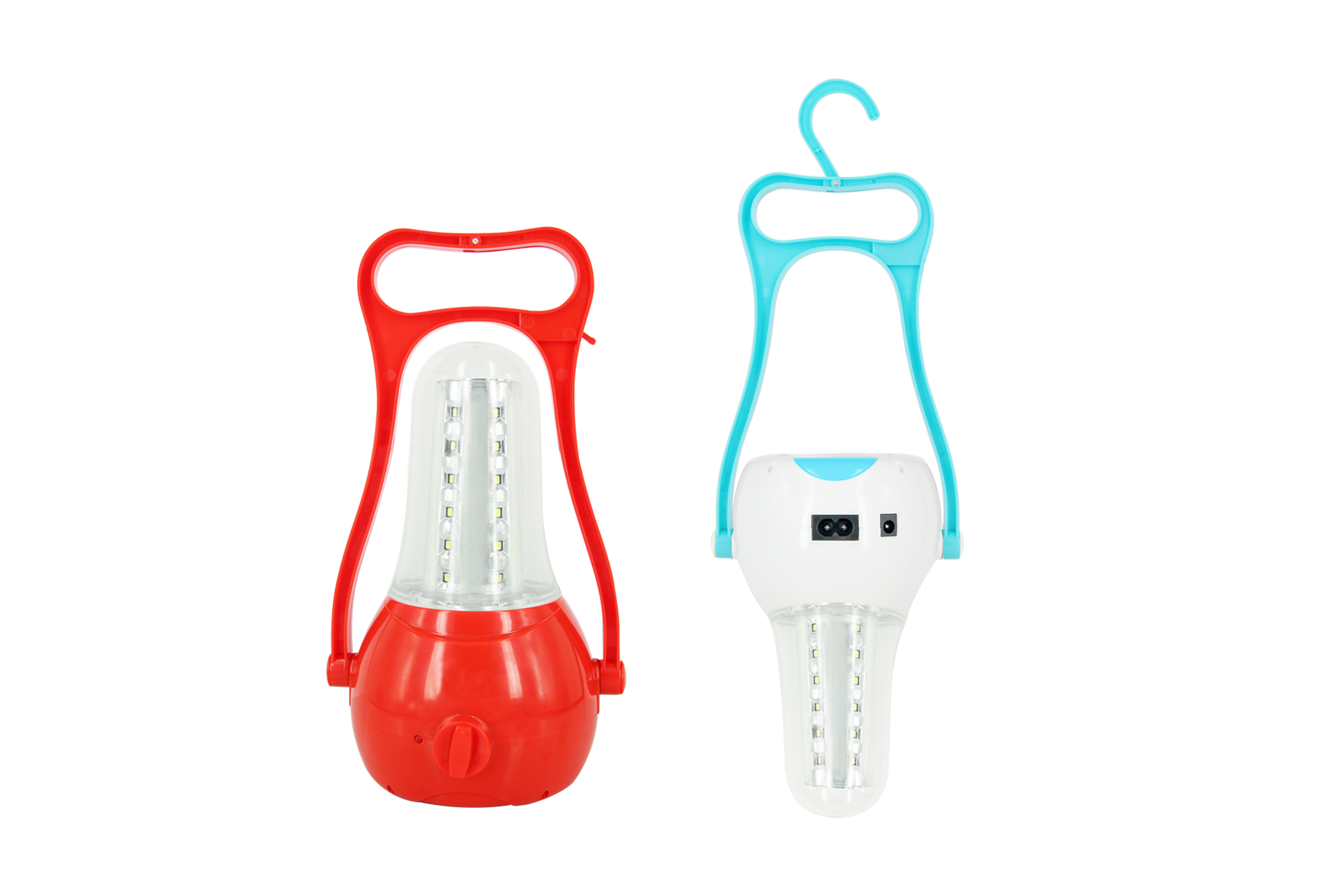
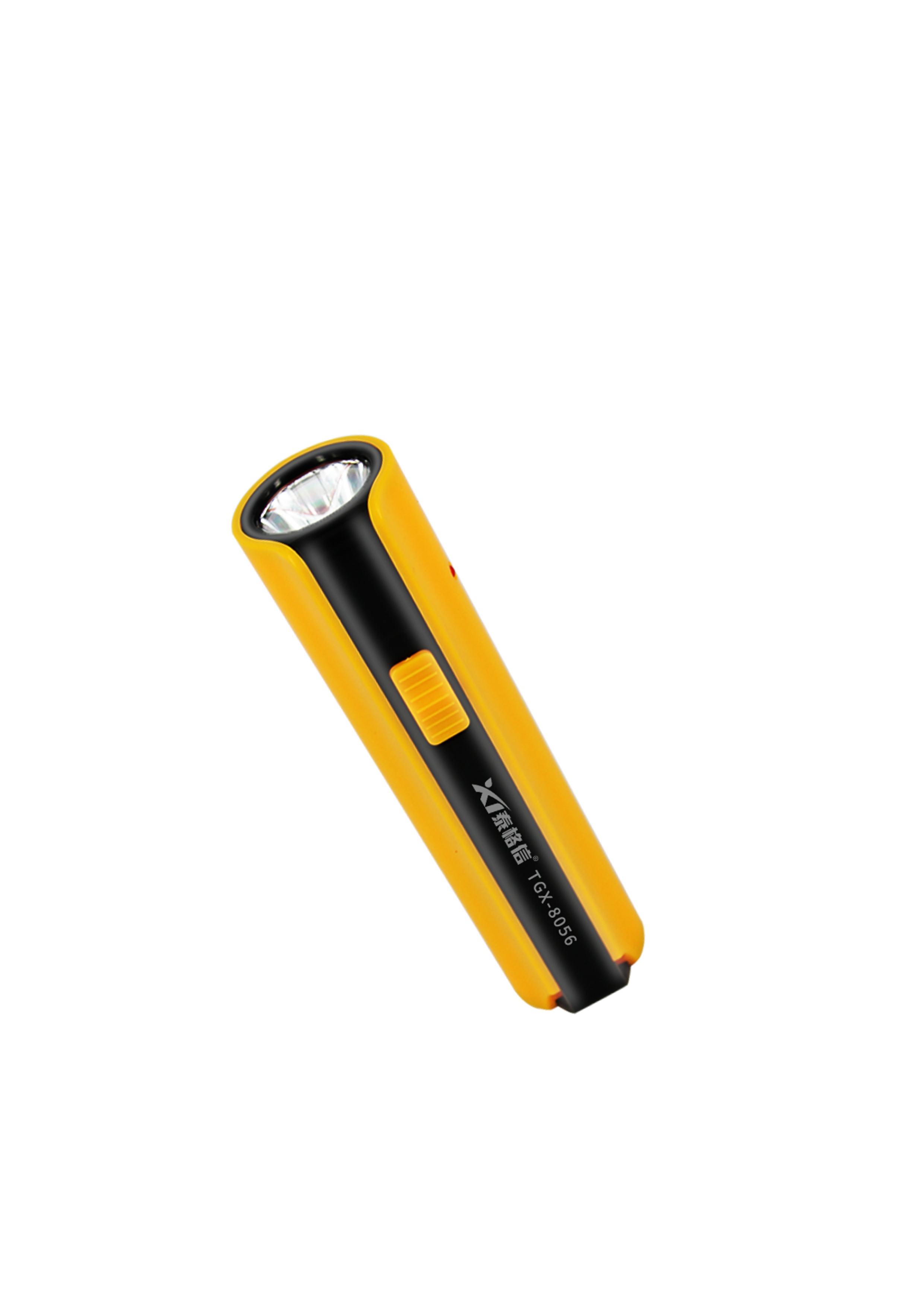
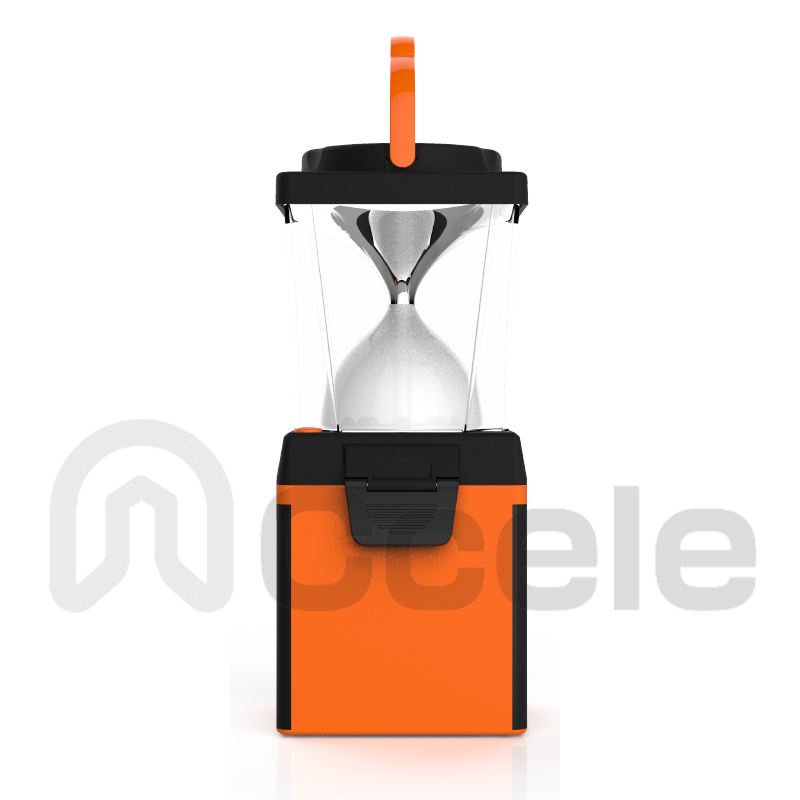
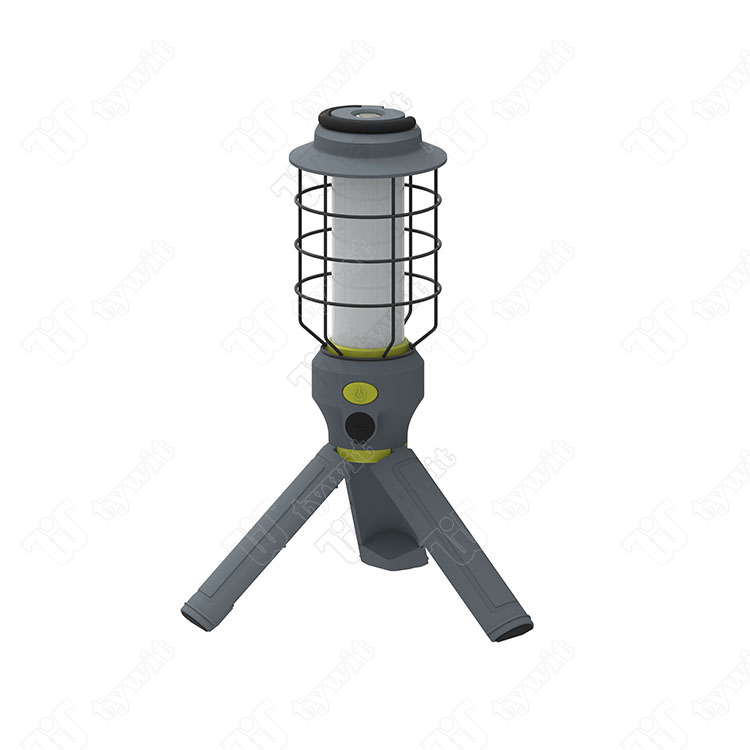
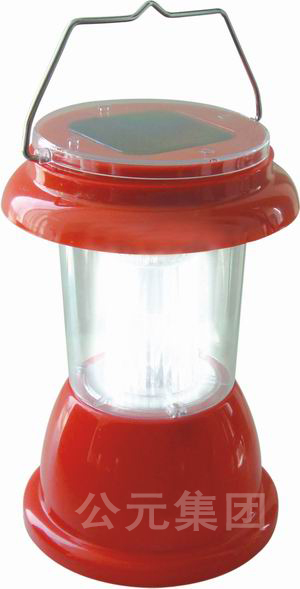
Camping Lamps
Source high-quality camping lamps in bulk from vetted manufacturers and wholesale suppliers. Designed for importers, distributors, and outdoor brands seeking reliable OEM and private-label production, our verified factory network delivers durable, high-performance lighting solutions for any market.
Sourcing camping lamps at scale requires balancing rugged durability with battery efficiency, thermal management, and strict cost controls. Whether you are procuring standard recreational lanterns or developing specialized expedition lighting, the challenge lies in finding a manufacturer capable of consistent assembly and accurate performance claims. In a market flooded with exaggerated lumen counts and substandard battery cells, securing a reliable supply chain is critical to protecting your brand's reputation.
Defining Core Specifications
When evaluating potential suppliers, the technical specification sheet is your first filter. Many off-the-shelf products feature inflated performance metrics. To ensure you are buying a product that performs as advertised, you must strictly define the critical components.
LED and Optical Performance
The core of any camping lamp is its LED array (often SMD or COB LEDs) and the accompanying diffuser. Specify the exact Color Correlated Temperature (CCT). Recreational campers often prefer warm light (2700K to 3500K) to reduce glare, while utility lamps lean toward cool white (5000K to 6500K). Demand testing data from an integrating sphere to verify true lumen output, as factory-claimed "maximum lumens" often represent a theoretical peak that the lamp can only sustain for a few seconds before thermal throttling occurs.
Power Architecture
Battery selection dictates both the lifespan and the safety of the unit. Lithium-ion cells (specifically 18650 or 21700 formats) are the industry standard for rechargeable models.
| Battery Type | Energy Density | Typical Application | Cost Impact |
|---|---|---|---|
| 18650 Li-ion | High | Standard rechargeable lanterns | Moderate |
| 21700 Li-ion | Very High | Premium/Power-bank models | High |
| Li-Po (Pouch) | Moderate | Collapsible/Ultra-thin designs | Moderate to High |
| Dry Cell (AA/D) | Low | Entry-level/Emergency prep | Low |
Need help verifying supplier spec sheets and finding a factory that uses genuine, certified battery cells?
Talk to our teamManufacturing Tolerances and Quality Control
The physical construction of a camping lamp determines its survivability in the field. Most standard units utilize injection-molded ABS or polycarbonate (PC) housings. For brands utilizing OEM/ODM Services to develop custom designs, specify impact-resistant PC for the lenses and TPE/silicone over-molding for drop protection.
Critical Vulnerabilities on the Assembly Line
Quality is often lost in the final assembly stages. Pay close attention to these common failure points:
- Waterproofing Seals: An IPX4 rating requires proper overlapping joints, while IPX6 or IP67 demands precision-seated silicone O-rings. Misaligned seals during rapid assembly lead to immediate water ingress.
- PCB Soldering: Cold solder joints on the main control board will crack under the vibration of outdoor transport, causing intermittent flickering or total failure.
- Thermal Management: High-output lamps require aluminum heat sinks. If a factory cuts costs by reducing the mass of the heat sink, the LEDs will overheat, drastically reducing their lifespan.
Implementing rigorous Quality Control & Inspection protocols before the goods leave the factory is non-negotiable.
Drop Testing
Verify impact resistance from 1 meter onto concrete to check housing integrity and internal battery mounts.
Ingress Protection (IP) Verification
Conduct water spray or submersion tests according to the claimed IP rating.
Discharge Profiling
Test a sample of units from full charge to depletion to verify battery capacity and run-time claims.
Aging Tests
Run units at maximum output in a controlled environment to ensure thermal stability.
Buying Mechanics: MOQs, Lead Times, and Compliance
Understanding the standard commercial terms in the outdoor lighting sector helps you negotiate effectively and plan your inventory cycles.
Pricing Drivers
Pricing is highly elastic and depends heavily on the battery capacity and housing materials. A basic ABS battery-powered lantern might cost under two dollars per unit, while a heavy-duty, IP67-rated lantern with a 10,000mAh power bank function and stepless dimming can exceed ten dollars. When comparing quotes, ensure suppliers are pricing the exact same battery chemistry and capacity, as this is the most common area where factories secretly cut costs.
Regulatory Compliance
Importing lighting products with integrated lithium batteries requires strict adherence to international standards. Your shipment must have valid UN38.3 test reports for the batteries to clear freight forwarding safely. Furthermore, CE and RoHS are mandatory for European markets, while FCC certification is required for the US. Engaging professional Compliance & Testing services ensures your products will not be seized at customs or banned from major retail platforms.
Ensure your next container meets every quality and compliance standard before it leaves the port.
Get a free consultationFrequently Asked Questions
Successfully sourcing camping lamps requires looking past aesthetic designs and focusing on internal build quality, battery authenticity, and strict assembly tolerances. By partnering with experienced sourcing professionals who understand the technical nuances of portable lighting, you can secure reliable production that scales with your business.
Get Sourcing Help for Camping Lamps
Tell us your requirements and our experts will connect you with verified manufacturers.