Camping Grills
Source high-quality camping grills from vetted manufacturers and suppliers. Designed for importers, distributors, and outdoor brands seeking reliable OEM and private-label production. Secure competitive wholesale pricing and scalable manufacturing for your next bulk order with confidence.
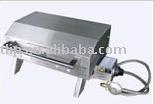
Sourcing camping grills in volume requires navigating a complex matrix of material science, mechanical durability, and strict safety compliance. Whether you are procuring ultra-lightweight wood-burning stoves for backpackers or high-BTU portable gas grills for the RV market, success depends on tight control over metal gauges, hinge tolerances, and valve safety at the factory level.
Critical Material Specifications
The longevity and safety of a camping grill are dictated by the base metals and surface treatments used. Factory defaults often lean toward cost-saving materials unless you explicitly specify otherwise in your purchase order.
When negotiating with manufacturers, the most critical specification is the sheet metal thickness. Always specify the net metal thickness before any powder coating or enamel is applied. A common factory shortcut is to quote a 0.6mm thickness, but deliver 0.5mm steel with 0.1mm of paint.
| Material | Common Grades | Best Application | Cost Profile |
|---|---|---|---|
| Stainless Steel | 304, 430, 201 | Premium gas & charcoal grills | Moderate to High |
| Cold Rolled Steel | SPCC (Powder Coated) | Budget charcoal grills | Low |
| Cast Iron | Grey Iron | Heavy-duty grates & burners | Moderate |
| Titanium | Grade 1, Grade 2 | Ultralight backpacking | Very High |
Understanding Stainless Steel Grades
Not all stainless steel performs equally under high heat and outdoor moisture.
- 304 Stainless: Offers excellent corrosion resistance and is ideal for premium grills, but it is expensive.
- 430 Stainless: A ferritic steel commonly used in mid-tier grills. It resists heat well but is more prone to surface rust over time than 304.
- 201 Stainless: Often pushed by budget manufacturers. It contains less nickel, making it cheaper but highly susceptible to rust in humid or coastal environments.
Manufacturing Vulnerabilities and Quality Control
The manufacturing of portable grills involves metal stamping, bending, welding, and surface finishing. Each step introduces potential failure points. Poorly maintained stamping dies leave sharp burrs on the edges, which is a major safety hazard for end-users. Inadequate welding on wire grates leads to snapping under the weight of heavy cookware.
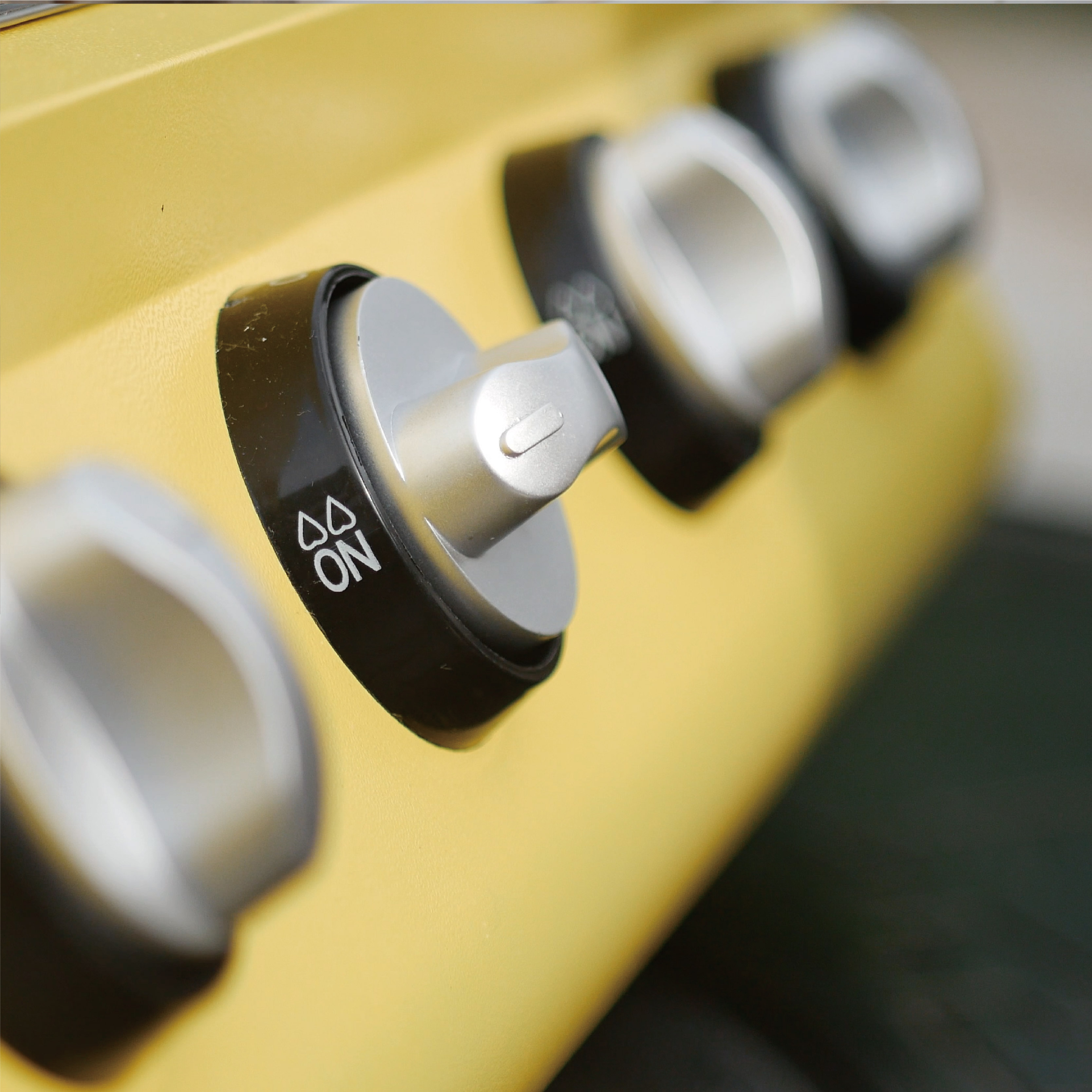
For gas-powered camping grills, the stakes are even higher. The brass valves, regulators, and ignition systems must be flawlessly assembled. We strongly recommend implementing rigorous Quality Control & Inspection protocols, including 100 percent inline leak testing for all gas-carrying components before they leave the factory floor.
Crucial Pre-Shipment Inspection Checks
- Edge safety: Swipe testing for sharp burrs on all stamped metal edges.
- Coating adhesion: Cross-hatch testing on powder-coated or enameled surfaces to ensure the finish will not flake under high heat.
- Mechanical cycling: Repeated folding and unfolding of legs and hinges to verify rivet durability.
- Burn test (Gas models): Verifying ignition consistency and flame pattern uniformity.
- Load testing: Applying standardized weights to the cooking grate to check for structural deflection.
Ensure your camping grill production meets strict safety and durability standards from day one.
Talk to our teamOEM/ODM Customization and Tooling
If you are developing a proprietary design or modifying an existing white-label product, you will need to engage in OEM/ODM Services. Customizing the shape, folding mechanism, or burner configuration requires new stamping dies and injection molds for plastic components like handles and ignition housings.
When investing in custom tooling, clearly define who owns the molds in your manufacturing agreement. Tooling for a completely custom portable gas grill can take 30 to 45 days to develop before a golden sample can be produced.
Typical MOQs, Pricing, and Lead Times
The camping equipment market is highly seasonal, which impacts factory lead times. Placing orders during the peak manufacturing season (typically October through January for spring delivery) will result in longer lead times and less room for price negotiation.
MOQs for standard, off-the-shelf designs (ODM) can sometimes be negotiated down to 300 units if you accept standard packaging. However, if you require custom-printed color boxes, the packaging suppliers usually demand a minimum of 1,000 units, which forces the overall order MOQ up.
Navigate peak season production schedules and negotiate better MOQs with top-tier manufacturers.
Get a free consultationFrequently Asked Questions
Sourcing camping grills effectively means looking past the polished showroom samples and scrutinizing the raw materials, metal gauges, and valve safety standards. By maintaining strict oversight on the factory floor, you can deliver a product that withstands the rigors of the outdoors while protecting your brand's reputation.
Get Sourcing Help for Camping Grills
Tell us your requirements and our experts will connect you with verified manufacturers.