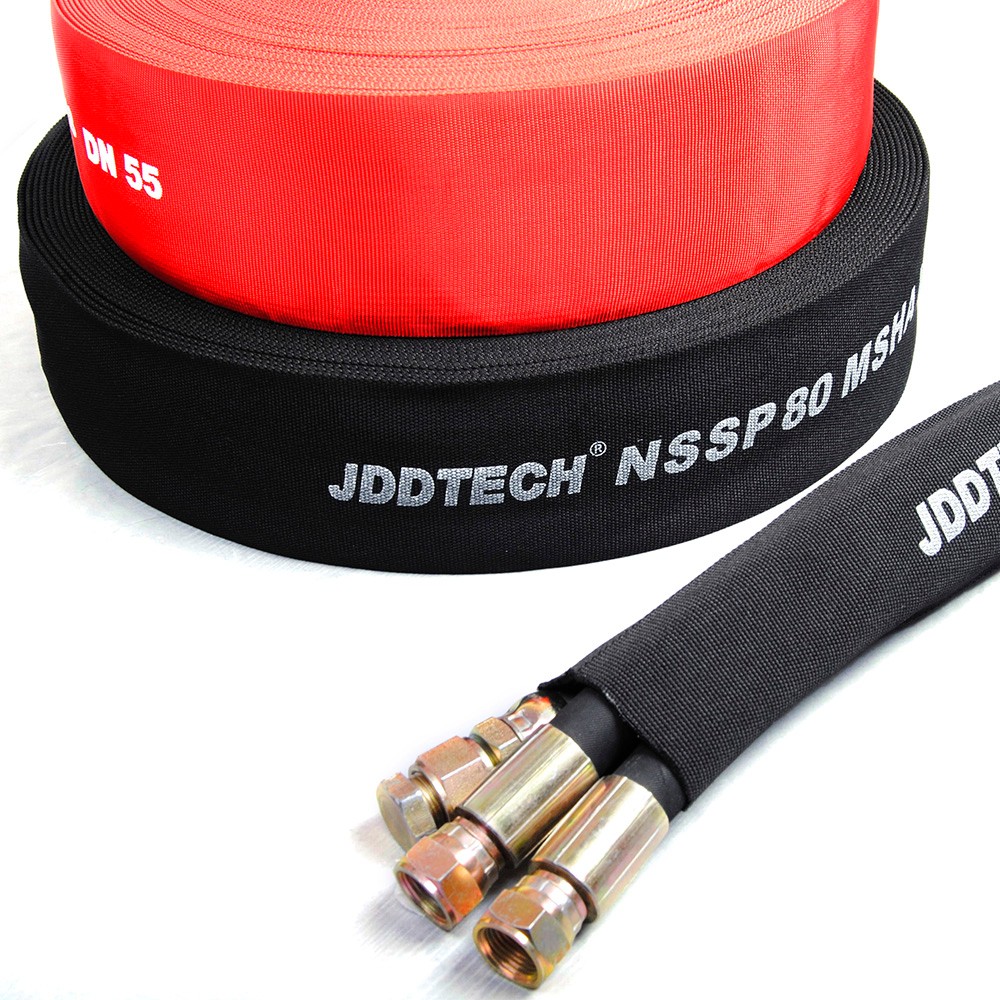
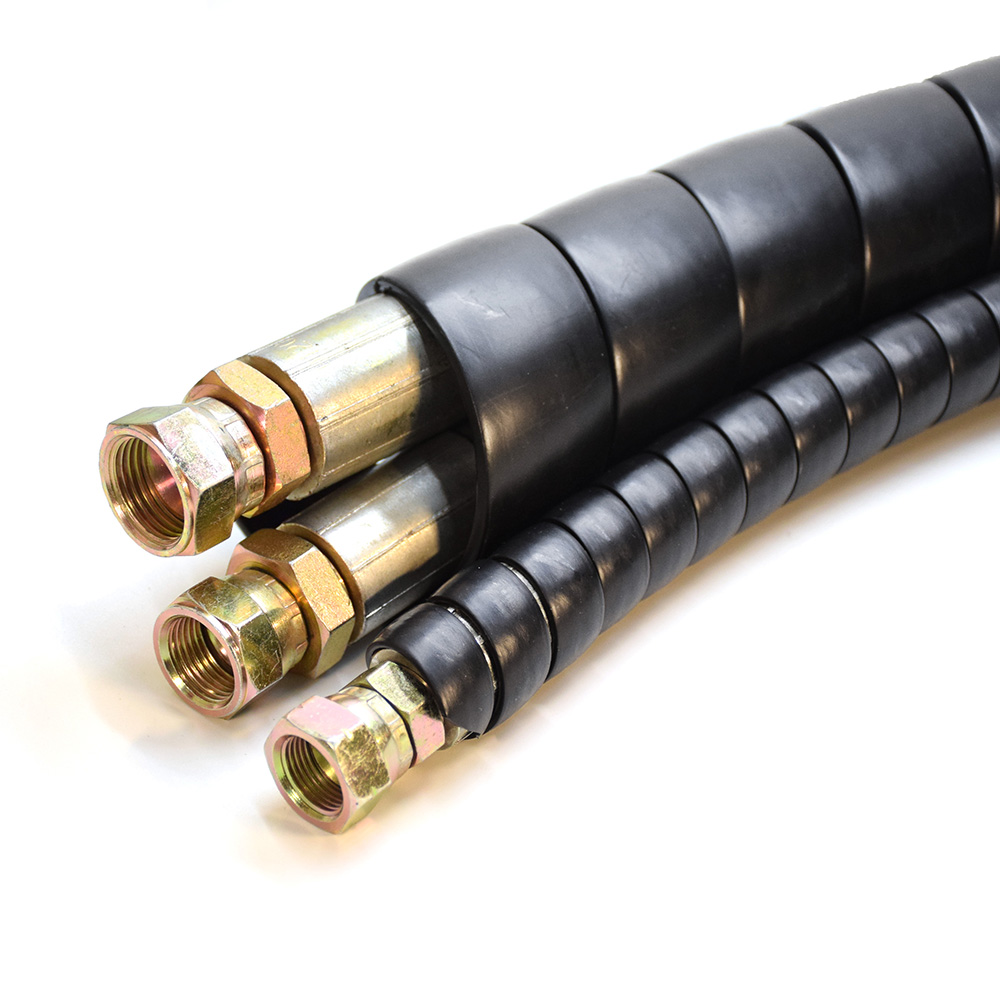
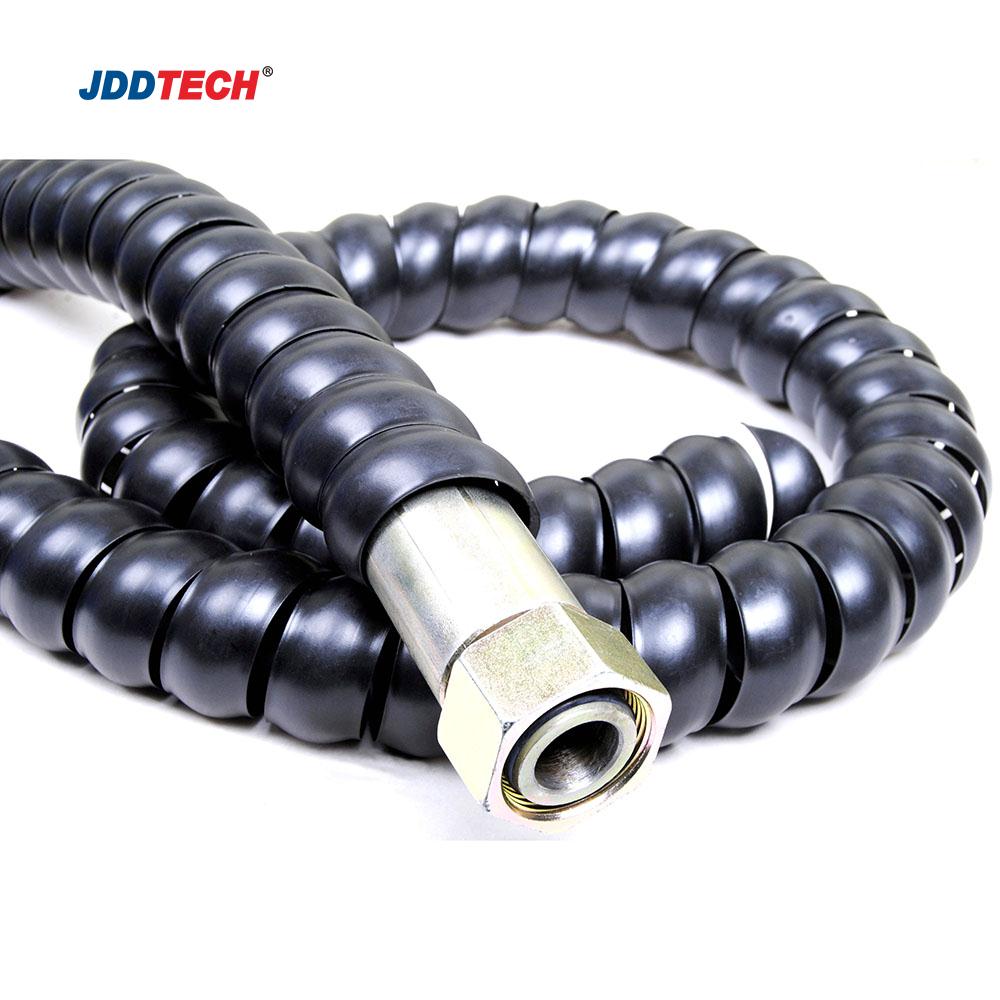
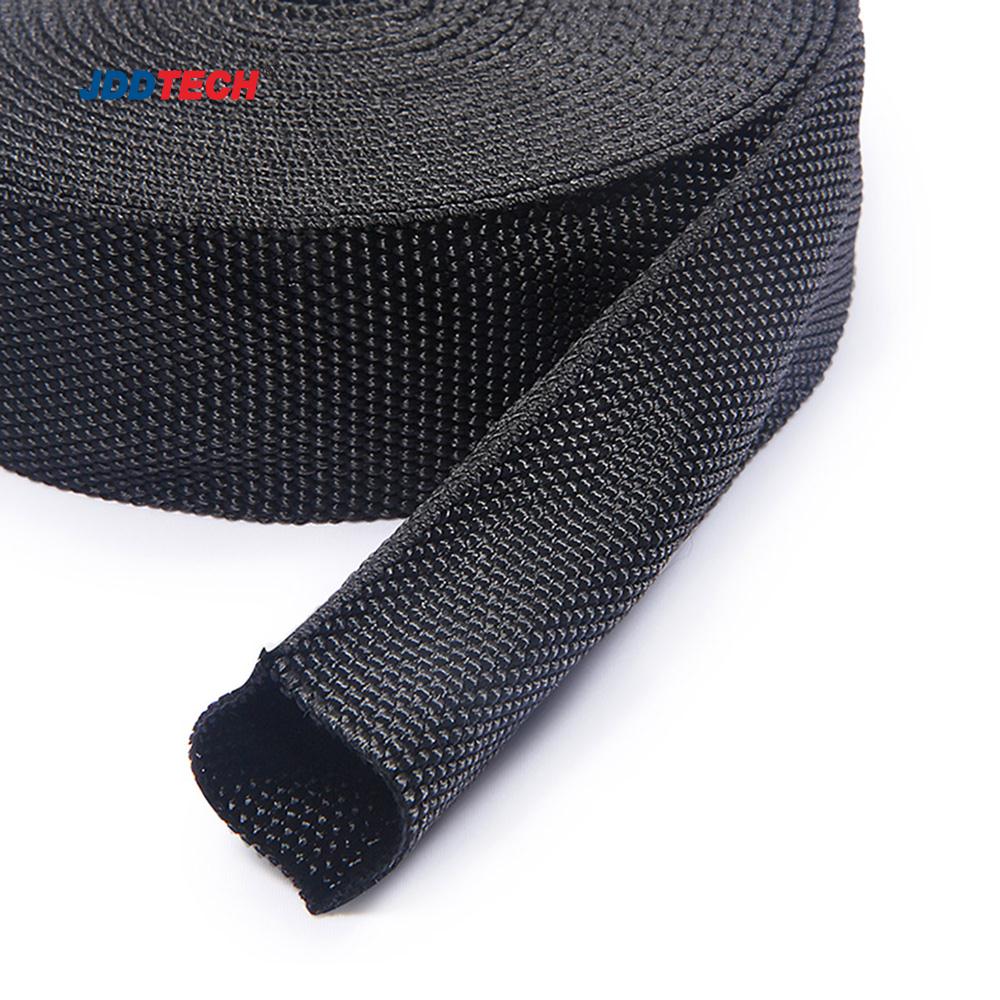
Cable Sleeves
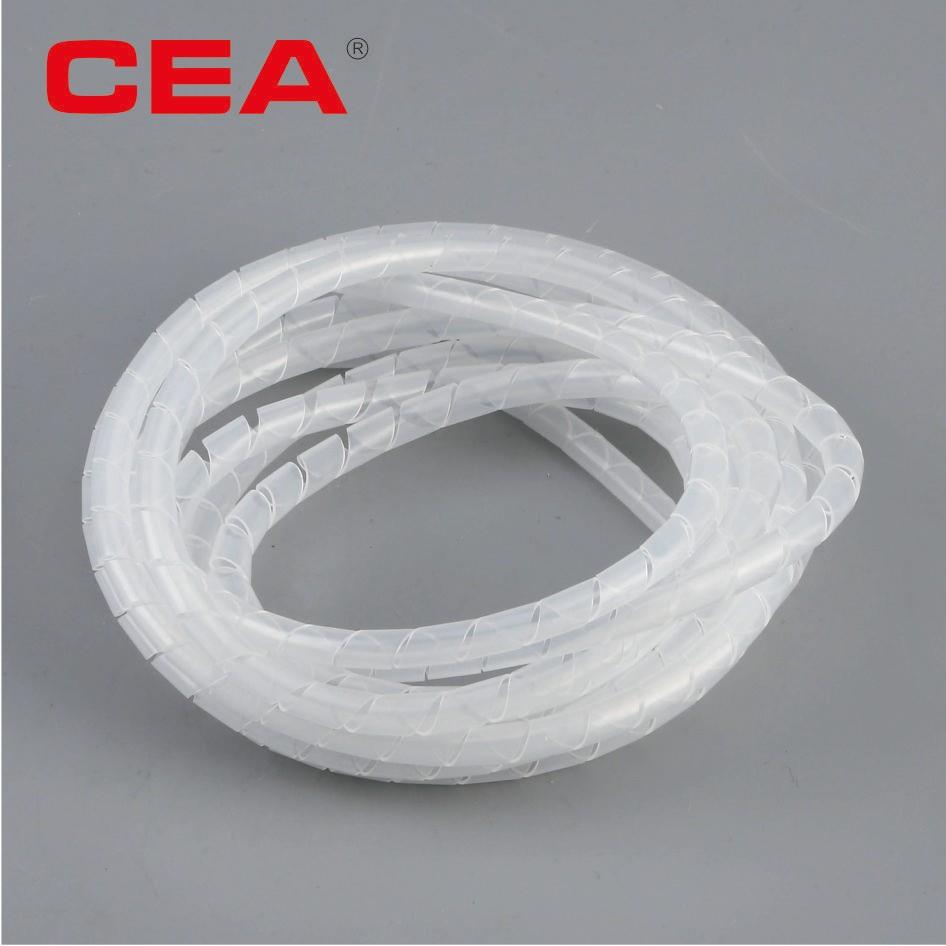
Source high-quality cable sleeves directly from vetted manufacturers and wholesale suppliers. Tailored for importers, distributors, and brands seeking reliable bulk purchasing or custom OEM/ODM production, our network delivers industrial-grade wire protection solutions with strict quality oversight and competitive factory pricing.
Sourcing cable sleeves at volume requires navigating a highly fragmented manufacturing landscape, primarily concentrated in Guangdong and Zhejiang provinces. For professional buyers, the core challenge is not simply finding production capacity, but ensuring consistent material properties—such as flame retardancy, expansion ratios, and thermal resistance—across millions of meters of continuous production. Yielding to cost-cutting substitutions on monofilament thickness or braiding density can lead to catastrophic failures in automotive, aerospace, or industrial applications.
Key Specifications and Material Selection
Specifying cable sleeves requires precise technical parameters. Factories will quote based on the exact material, the diameter of the monofilament yarn, and the carrier count (the number of bobbins on the braiding machine).
A higher carrier count (e.g., 72 or 96 carriers versus standard 32 or 48) produces a denser, more opaque sleeve that offers superior abrasion resistance but commands a higher premium due to slower production speeds and increased material usage.
| Material | Primary Application | Operating Temp | Key Standard |
|---|---|---|---|
| PET (Polyethylene Terephthalate) | General wire management & electronics | -50°C to 150°C | UL 94V-0 / VW-1 |
| Nylon (Polyamide 6.6) | Automotive & heavy machinery (high abrasion) | -60°C to 160°C | FMVSS 302 |
| Silicone-Coated Fiberglass | Furnaces, foundries, & aerospace | Up to 260°C (continuous) | MIL-Y-1140 |
| Tinned Copper | EMI/RFI shielding & grounding | -60°C to 200°C | ASTM B-33 |
When defining your bill of materials (BOM), mandate the exact monofilament diameter. Standard PET sleeves typically use 0.20mm or 0.22mm yarn. Suppliers competing aggressively on price may quietly drop this to 0.18mm, resulting in a sleeve that expands poorly and offers compromised abrasion protection.
Need to secure reliable extrusion and braiding capacity without compromising on material specs? Let us handle the factory vetting.
Talk to our teamManufacturing Process and Quality Control
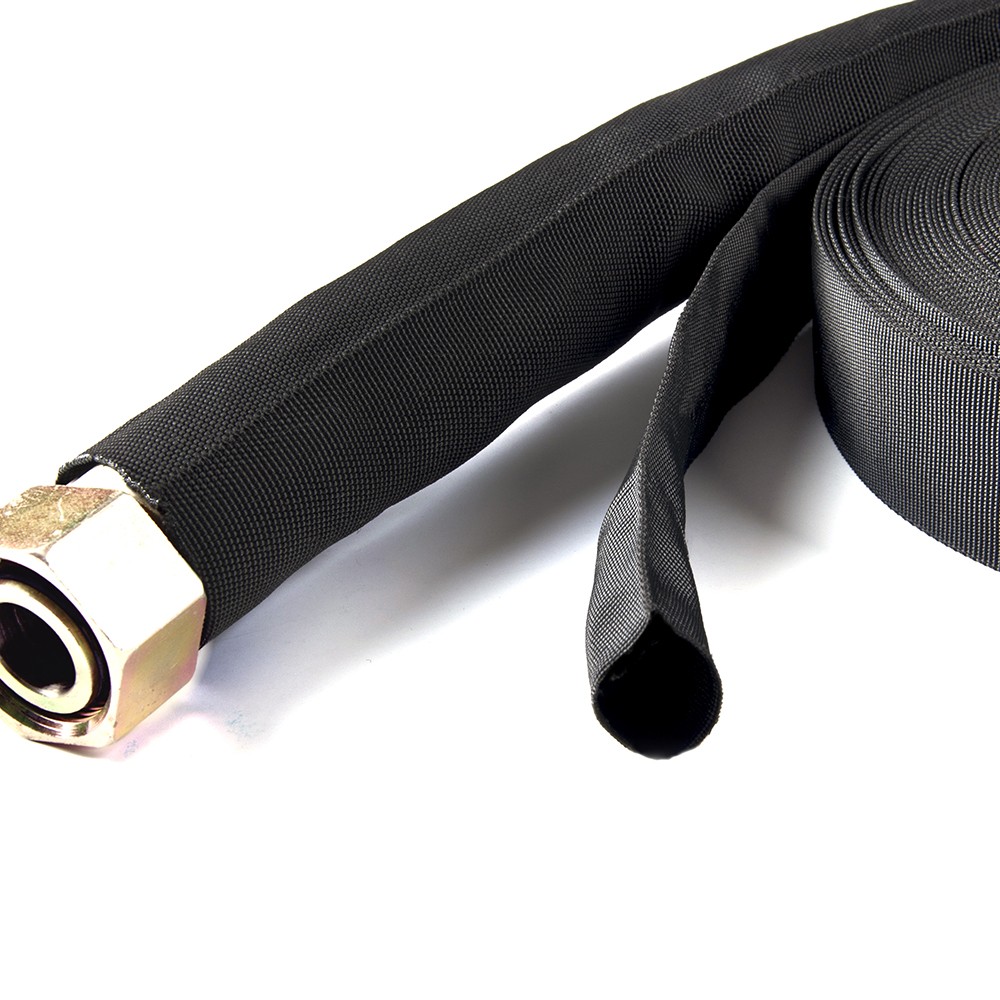
The production of braided sleeving involves yarn extrusion, braiding, heat setting, and spooling. The heat-setting phase is critical; it involves passing the braided tube over a heated mandrel to lock the fibers in place. If the temperature or line speed is incorrect, the sleeve will lose its memory, fail to expand to its specified ratio (typically 1.5x to 3x), or fray uncontrollably when cut.
To mitigate these risks, implementing rigorous Quality Control & Inspection protocols is essential. Relying solely on final inspection is risky; in-line inspections during the braiding and heat-setting phases catch dimensional inconsistencies before thousands of meters are spooled.
Critical Pre-Shipment Inspection Checks
- Expansion Ratio Verification: Ensure the sleeve expands to the specified maximum diameter and retracts fully without permanent deformation.
- Burn Testing: Conduct on-site vertical flame tests to verify VW-1 or UL 94V-0 compliance, ensuring non-halogen flame retardants were actually used.
- Fray Resistance: Test cut ends (if pre-cut) to ensure hot-knife or ultrasonic cutting methods successfully sealed the monofilaments.
- Spool Integrity: Check for splices. High-quality production limits splices to under two per 1,000-meter spool.
Before placing large volume orders, conducting comprehensive Factory Audits is highly recommended. You need to verify that the supplier actually owns the necessary braiding machinery and isn't subcontracting your order to smaller, unverified workshops with inferior heat-setting equipment.
Pricing, MOQs, and Lead Times
Cable sleeve pricing is closely tied to global petroleum indices (for PET and Nylon) and copper prices (for shielding sleeves). However, factory efficiency and order scale play equally massive roles.
Custom colors, specific tracer yarns (used for branding or wire identification), or specialized retail packaging (like blister packs or custom dispenser boxes) will push MOQs higher, often requiring 30,000 to 50,000 meters. If you are developing a private-label line of wire management solutions, leveraging professional OEM/ODM Services ensures that custom packaging and tracer yarn integration are handled seamlessly on the factory floor.
Struggling with inconsistent pricing or quality fade on bulk orders? Discover how our on-the-ground presence protects your margins.
Get a free consultationFrequently Asked Questions
Securing a reliable supply chain for cable sleeves requires vigilance. The difference between a premium product and a failing one often lies in invisible factors: a fraction of a millimeter in yarn thickness, the precise calibration of a heat-setting mandrel, or the honesty of the raw material formulation. Partnering with experienced sourcing professionals ensures these variables are controlled, audited, and verified before the goods ever leave the factory.
Get Sourcing Help for Cable Sleeves
Tell us your requirements and our experts will connect you with verified manufacturers.