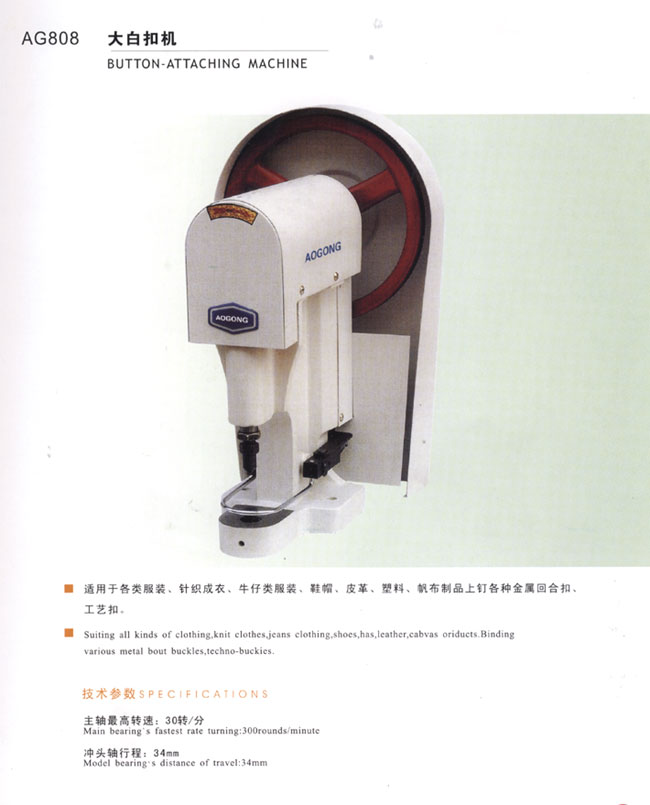
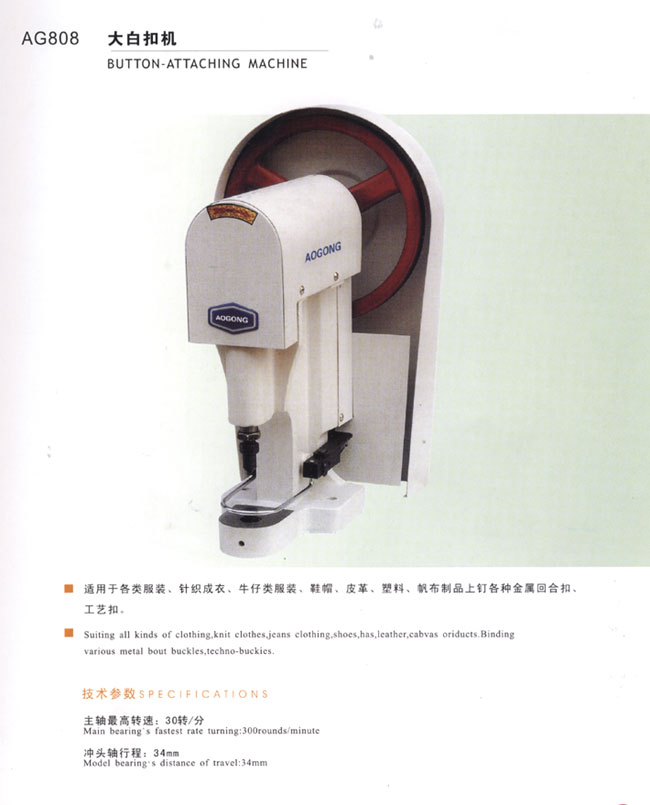
Button Making Machines
Source industrial Button Making Machines from vetted suppliers and manufacturers across Asia. Built for importers, wholesale distributors, and apparel brands seeking reliable bulk procurement, this catalog covers high-volume production equipment. Secure competitive wholesale pricing and OEM manufacturing directly from the factory floor.
Procuring industrial button making and attaching machinery requires balancing cycle speed with operational safety and attachment precision. In high-volume apparel manufacturing, inconsistent punching force or poor die alignment leads directly to fabric damage, weak fastening, and unacceptable garment defect rates. Sourcing reliable equipment means evaluating the core drive systems, machining tolerances of the interchangeable dies, and the factory's adherence to safety compliance.
Drive Systems and Technical Specifications
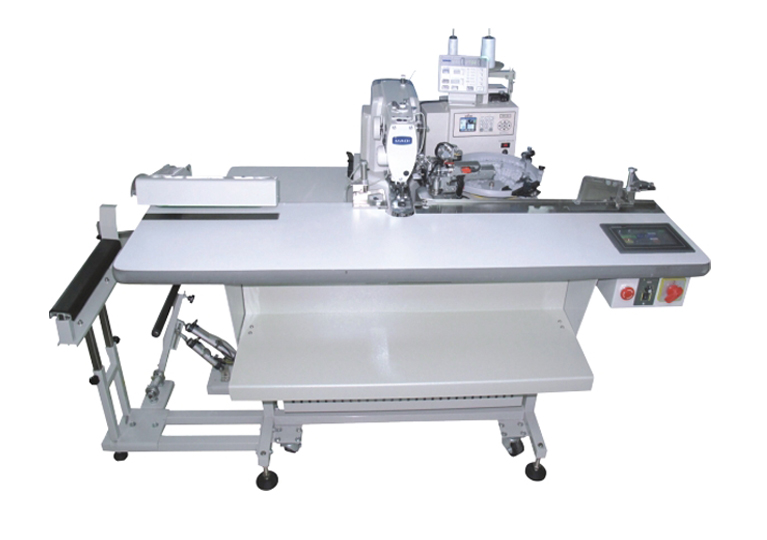
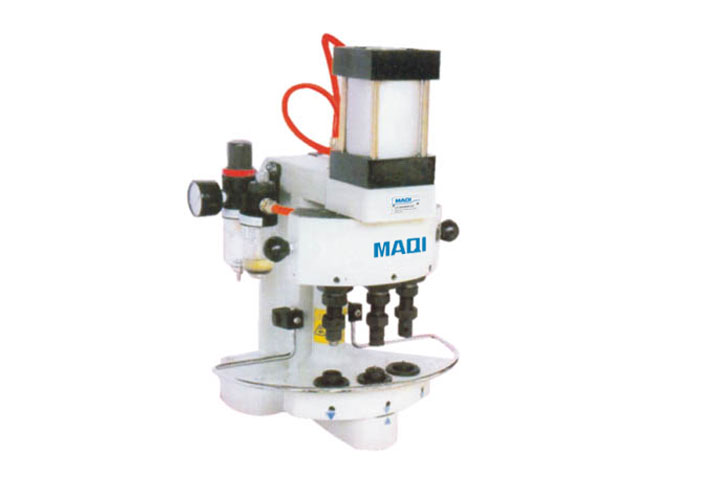
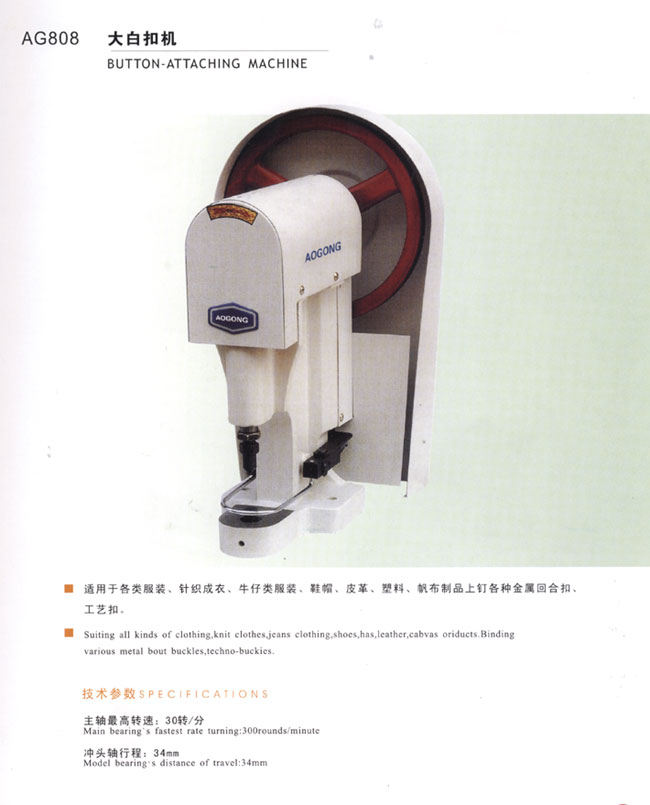
The core differentiator in modern button machinery is the actuation method. While traditional mechanical flywheels are still manufactured for budget markets, professional apparel factories have largely transitioned to pneumatic and servo-driven systems to ensure consistent force application and operator safety.
| Drive System | Cycle Speed | Force Control | Primary Application |
|---|---|---|---|
| Pneumatic | Moderate (up to 120 pcs/min) | Regulated via air pressure | Standard snap and fabric-cover buttons |
| Servo-Motor | High (up to 200 pcs/min) | Programmable electronic control | High-precision garments, delicate fabrics |
| Mechanical/Manual | Low (operator dependent) | Manual/Fixed | Sample rooms, low-volume custom work |
When specifying requirements for your bulk order, pay close attention to the stroke length and the structural rigidity of the C-frame. A cast iron or heavily reinforced steel frame prevents micro-flexing under load, which is the leading cause of uneven die mating over time.
Struggling to verify the engineering tolerances of overseas machinery suppliers? Let us handle the technical vetting and factory negotiations.
Talk to our teamCritical Quality Checkpoints on the Factory Floor
Not all machinery manufacturers maintain the same internal quality control standards. When importing equipment, the difference between a machine that lasts ten years and one that breaks down in six months usually lies in the electrical components and the precision of the machined parts.
If you are importing under your own brand, utilizing OEM/ODM Services allows you to specify higher-grade internal components (like Japanese or German pneumatic cylinders) while keeping the assembly cost-effective.
Pre-Shipment Inspection Focus Areas
- Die Concentricity: Verify that upper and lower dies align perfectly under maximum operational force.
- Sensor Calibration: Test the intelligent finger guard and laser targeting sensors for immediate response.
- Pneumatic Integrity: Check air pressure regulators and valves for micro-leaks at 0.6 MPa continuous load.
- Electrical Safety: Ensure wiring harnesses are properly insulated, grounded, and meet CE/UL standards.
Catching misaligned frames or faulty sensors after the machines arrive at your facility is costly. Implementing rigorous Quality Control & Inspection prior to container loading is essential for commercial machinery.
Buying Mechanics: Pricing, MOQs, and Lead Times
The supply chain for apparel machinery is heavily concentrated in China's coastal manufacturing hubs, particularly Zhejiang and Guangdong provinces. Because these are capital goods, minimum order quantities (MOQs) operate differently than consumable apparel components.
Pricing Drivers
Pricing is dictated primarily by the automation level and the origin of the core components. A standard pneumatic snap button attaching machine may range from $250 to $600 per unit at wholesale volumes. Fully automated, servo-driven machines with automatic button feeders and programmable logic controllers (PLCs) typically range from $1,500 to over $3,500.
Voltage and Plug Standards
Always specify your destination country's voltage (e.g., 110V vs. 220V) and plug type in the initial purchase order. Retrofitting electrical systems post-production introduces unnecessary delays and safety risks.
Need accurate pricing and lead times for a specific machine configuration? We can source quotes from our network of verified machinery manufacturers.
Get a free consultationFrequently Asked Questions
Navigating the sourcing landscape for apparel machinery requires looking past the glossy catalog photos to evaluate the underlying engineering and factory capabilities. Conducting thorough Factory Audits before placing a high-value equipment order ensures your manufacturing partners have the technical expertise and quality management systems required to deliver reliable machinery.
Get Sourcing Help for Button Making Machines
Tell us your requirements and our experts will connect you with verified manufacturers.