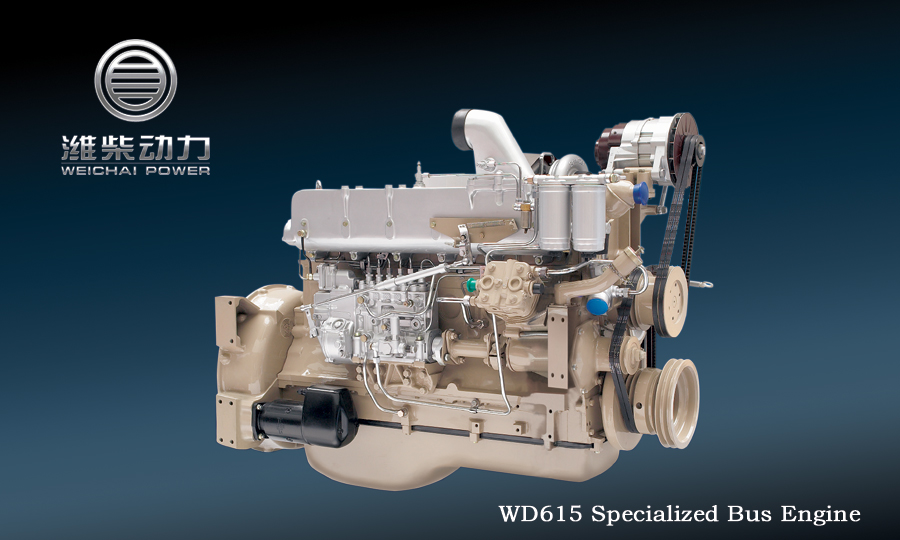
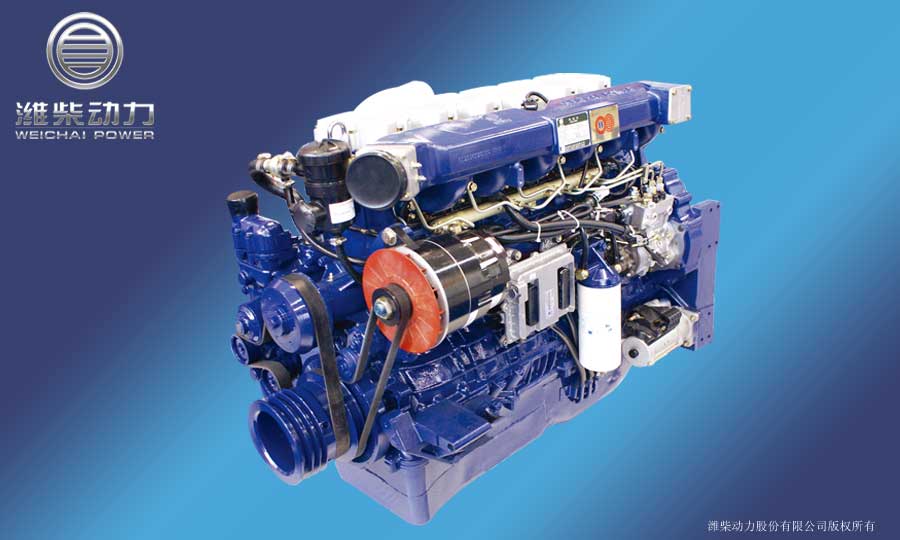
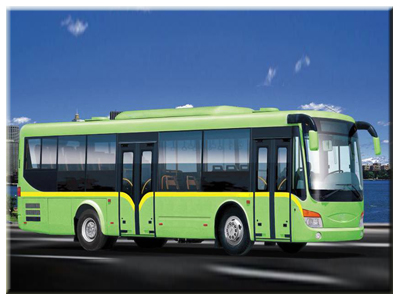
Bus Engines
Source reliable bus engines directly from vetted manufacturers and wholesale suppliers. Designed for heavy-duty importers, fleet distributors, and vehicle manufacturers, our catalog offers scalable procurement for diesel, CNG, and electric powertrains built to international compliance standards.
Sourcing commercial bus engines in bulk requires balancing raw torque output with stringent regional emissions standards and long-term reliability. Whether you are supplying municipal transit fleets or intercity coach manufacturers, procuring powertrains directly from overseas factories demands rigorous technical vetting. A misstep in supplier selection can result in catastrophic field failures, voided warranties, or shipments seized at customs for failing environmental compliance.
Core Specifications for Bus Powertrains
When evaluating engine manufacturers, standardizing your technical requirements is the first step. Bus engines operate under unique stress profiles—constant stop-and-go urban cycles or sustained high-load highway cruising—requiring specific torque curves and thermal management systems.
Key specifications to define with your supplier include:
- Displacement & Configuration: Typically ranging from 4.5L inline-4s for mid-buses up to 12.0L+ inline-6s for heavy coaches.
- Aspiration: Turbocharged and intercooled systems are standard for maximizing volumetric efficiency at lower RPMs.
- Emissions Standards: Ensure the factory can reliably produce Euro V or Euro VI compliant engines (or EPA equivalents), utilizing SCR (Selective Catalytic Reduction), EGR (Exhaust Gas Recirculation), and DPF (Diesel Particulate Filter) technologies.
- Peak Torque & RPM: Bus applications prioritize low-end torque over peak horsepower to handle heavy gross vehicle weights from a standstill.
| Powertrain Type | Ideal Application | Emissions Profile | Maintenance Complexity |
|---|---|---|---|
| Diesel (Compression Ignition) | Intercity Coaches / Long-haul | High (Requires DPF/SCR) | Moderate to High |
| CNG (Compressed Natural Gas) | Urban Transit Fleets | Low PM/NOx | Moderate (Specialized fuel systems) |
| Electric (Traction Motors) | City / BRT Routes | Zero Tailpipe Emissions | Low (Fewer moving parts) |
Need to verify a manufacturer's technical capabilities and emissions certifications? We can audit their facilities and validate their engineering data.
Talk to our teamManufacturing Tolerances and Quality Control
The durability of a commercial engine is won or lost in the casting and machining phases. Engine blocks (typically cast iron or compacted graphite iron) must be cast without porosity, and cylinder bores require exact cross-hatching to ensure proper piston ring seating and oil retention.
Relying on a supplier's self-reported quality is risky. Implementing strict Quality Control & Inspection protocols is non-negotiable for heavy machinery.
Critical Engine Factory QC Checks
- Metallurgical analysis of engine block and cylinder head castings.
- CNC machining tolerance verification (micron-level checks on crank journals and cylinder bores).
- Hot-test dynamometer runs for every completed unit (checking for oil pressure, coolant leaks, and power output).
- ECU (Engine Control Unit) parameter validation and diagnostic port functionality.
- Verification of genuine OEM components for fuel injectors and turbochargers (e.g., Bosch, Cummins, or Holset).
If a factory resists third-party dyno testing or cannot produce metallurgical lab reports for their castings, they are likely an assembler rather than a primary manufacturer, which introduces significant supply chain risk.
Navigating Emissions Compliance
Ensure your imported engines meet Euro VI, EPA, or local market standards with certified third-party lab testing and regulatory documentation.
MOQs, Pricing, and Lead Times
Because bus engines are high-value, capital-intensive products, sourcing dynamics differ significantly from standard aftermarket parts.
- Minimum Order Quantities (MOQs): Primary manufacturers typically set MOQs between 5 and 20 units for standard configurations. For custom ECU tuning or specific physical mounting adaptations, MOQs may rise to 50 units. Sample orders (1-2 units) are standard practice for homologation and physical testing before bulk commitment.
- Lead Times: Expect production lead times of 45 to 90 days. Casting, curing, machining, and assembly cannot be rushed without compromising the block's structural integrity.
- Logistics: Engines are dense and heavy, often weighing between 500kg and 1,200kg each. They require specialized crating (usually ISPM-15 treated wood or steel frames) to prevent transit damage. Coordinating Shipping & Freight requires expertise in heavy-lift consolidation and exact customs harmonized code (HS code) classification to avoid delays.
Planning a bulk engine procurement? Let us handle the factory negotiation, quality control, and heavy freight logistics.
Get a free consultationFrequently Asked Questions
Sourcing commercial bus engines is a high-stakes procurement process where precision engineering and regulatory compliance intersect. Partnering with experienced sourcing professionals ensures your supply chain is built on verified manufacturing capabilities and uncompromising quality control.
Get Sourcing Help for Bus Engines
Tell us your requirements and our experts will connect you with verified manufacturers.