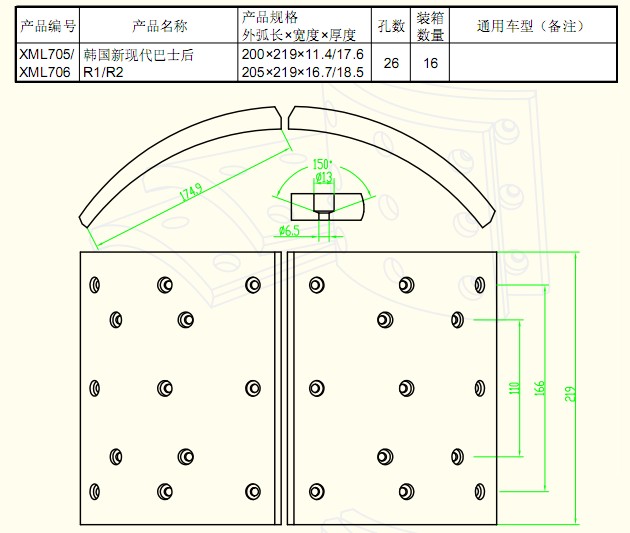
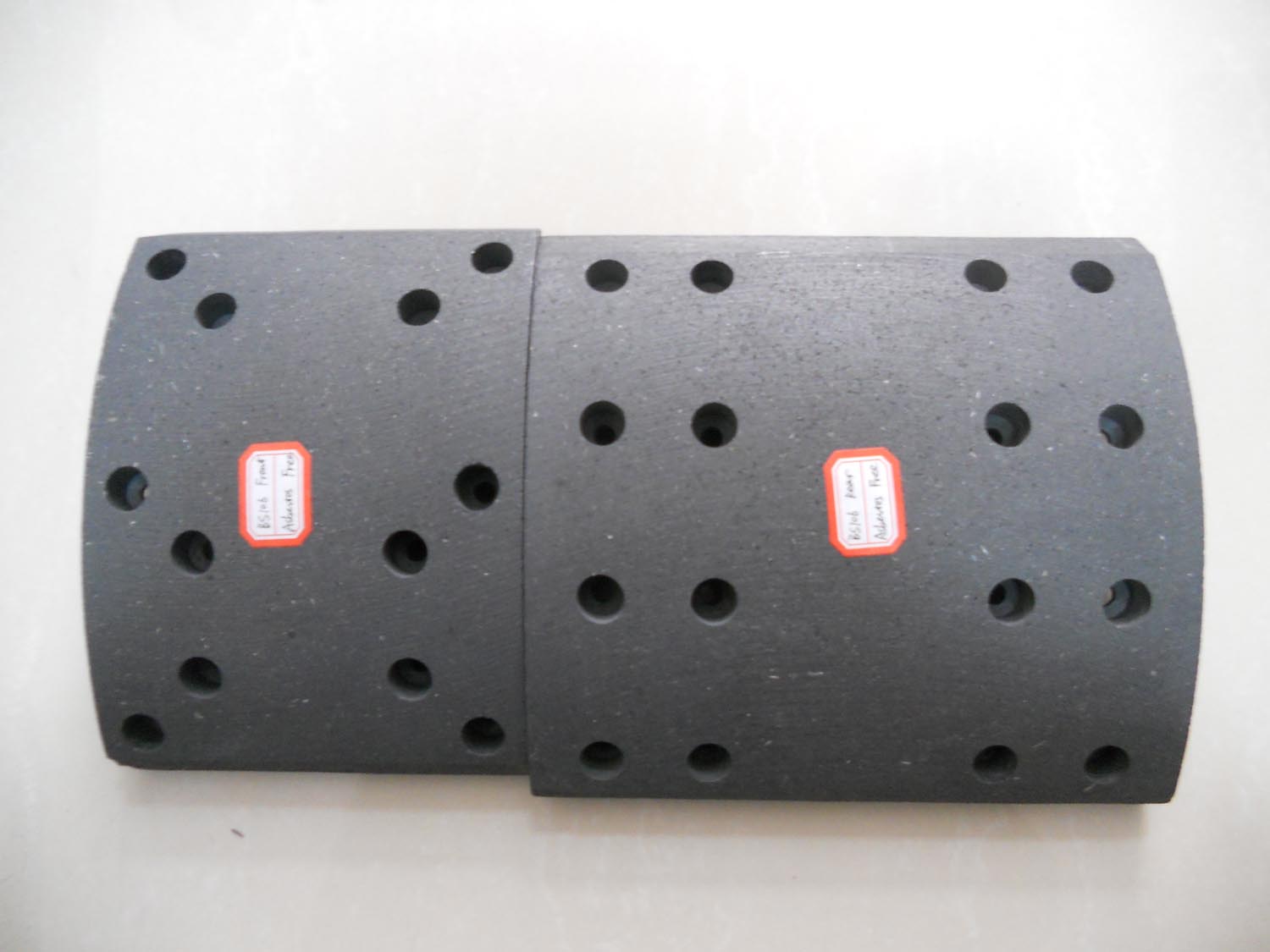
Bus Brakes
Source commercial-grade bus brakes from vetted suppliers and manufacturers. Designed for automotive importers, fleet distributors, and brands requiring reliable OEM or aftermarket production, our network delivers heavy-duty braking components built for high-mileage transit applications.
Bus brakes are safety-critical components that endure extreme thermal and mechanical stress on a daily basis. Sourcing commercial vehicle braking systems in bulk—whether you are procuring air disc brakes, traditional drum brake assemblies, or replacement friction materials—requires rigorous supplier vetting. The primary challenge for importers is ensuring consistent stopping power, fade resistance, and strict adherence to international heavy-duty transit regulations across high-volume production runs.
Key Specifications for Commercial Bus Brakes
When negotiating with manufacturers, vague specifications lead to inconsistent product performance. Heavy-duty transit applications demand precise engineering, particularly regarding heat dissipation and pneumatic actuation.
Critical Specifications to Define with Your Manufacturer
- Friction Coefficient: Specify the required cold and hot friction ratings (e.g., E, F, or G edge codes) suitable for heavy-axle loads.
- Operating Temperature Range: Transit buses frequently experience brake temperatures exceeding 400 degrees Celsius; specify thermal fade resistance thresholds.
- Actuation Type: Clearly define pneumatic requirements for air brake systems, including operating pressure ranges for brake chambers and slack adjusters.
- Material Composition: For brake pads and linings, specify the friction formulation (e.g., Non-Asbestos Organic, Low-Metallic, or Ceramic) based on the target market's environmental regulations.
- Dimensional Tolerances: Ensure rotor/drum runout and thickness variations are specified to prevent premature wear and vibration.
Struggling to verify a supplier's technical capabilities? Let our sourcing engineers evaluate their production lines and validate their engineering tolerances before you place an order.
Talk to our teamAir Disc Brakes vs. Drum Brakes
Modern transit fleets are increasingly transitioning to air disc brakes (ADB) for their superior performance, though drum brakes remain prevalent in many aftermarket sectors. Your sourcing strategy will depend heavily on the target vehicle platform.
| System Type | Thermal Performance | Maintenance & Wear | Typical Application |
|---|---|---|---|
| Air Disc Brakes (ADB) | Excellent heat dissipation, minimal fade | Faster pad changes, longer rotor life | Modern low-floor transit buses, premium coaches |
| S-Cam Drum Brakes | Prone to heat fade under heavy use | Complex shoe replacement, higher maintenance | Older fleets, cost-sensitive aftermarket |
Quality Control and Regulatory Compliance
In the commercial vehicle sector, a brake failure is catastrophic. Factories must demonstrate robust quality management systems, typically certified to IATF 16949 standards.
When establishing your quality control protocols, mandate rigorous end-of-line testing. Key tests should include shear strength testing for friction material bonding, compressibility testing under load, and dynamometer testing to simulate real-world transit duty cycles.
Furthermore, different markets require specific certifications. For the European market, ECE R90 certification is mandatory for replacement brake pads, linings, shoes, and rotors. For North America, compliance with FMVSS 121 (Air Brake Systems) is critical. Navigating these requirements can be complex, making professional compliance and testing support a valuable asset during the product development phase.
Sourcing Mechanics: MOQs, Lead Times, and Pricing
Pricing for commercial bus brakes is heavily influenced by raw material costs (steel, cast iron, specialized friction compounds) and the complexity of the casting and machining processes.
Tooling costs for new brake caliper or rotor designs can be substantial. If you are developing proprietary aftermarket components, factor in 30 to 45 days for mold creation and sample approval before mass production begins.
Need to negotiate better terms or consolidate shipments from multiple automotive component suppliers? We can streamline your supply chain and protect your margins.
Get a free consultationFrequently Asked Questions
Securing Your Supply Chain
Procuring bus brakes requires a deep understanding of metallurgy, pneumatic systems, and heavy-duty vehicle regulations. Relying solely on a supplier's marketing materials is a high-risk strategy for safety-critical components. Conducting comprehensive factory audits to verify a manufacturer's casting capabilities, machining tolerances, and internal testing labs is the only way to ensure your fleet or your customers receive reliable, compliant braking systems.
Get Sourcing Help for Bus Brakes
Tell us your requirements and our experts will connect you with verified manufacturers.