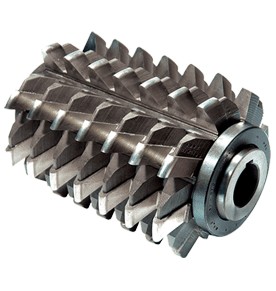
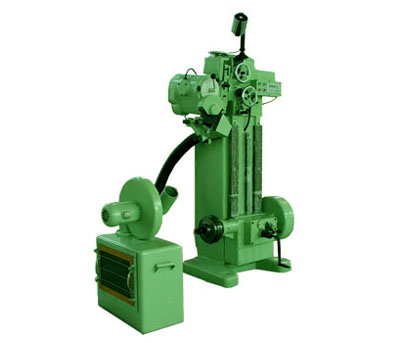
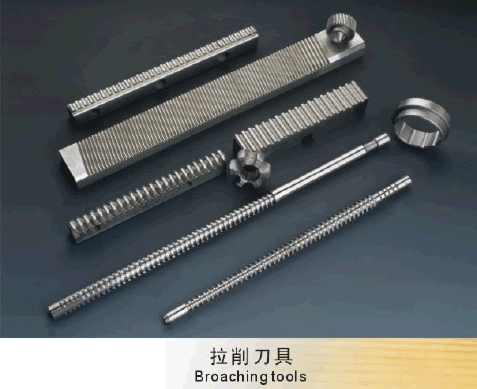
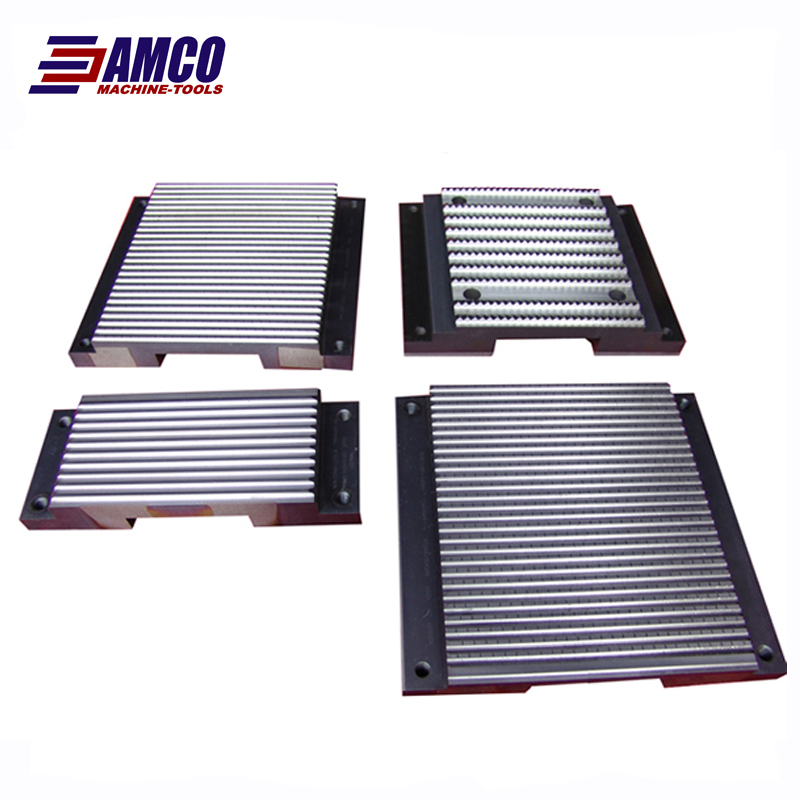
Broaches
Source high-precision broaches directly from vetted manufacturers and wholesale suppliers. Designed for industrial importers, tool distributors, and brands requiring reliable OEM production, our network delivers standard and custom broaching tools engineered for exacting tolerances and extended tool life.
Sourcing industrial broaches requires strict attention to metallurgy, heat treatment, and precision grinding. Because a broach performs roughing, semi-finishing, and finishing in a single pass, any deviation in tooth geometry or material hardness can lead to catastrophic tool failure or scrapped workpieces. For volume buyers and distributors, securing a reliable manufacturing partner means looking beyond unit cost and verifying the factory's in-house grinding capabilities and metallurgical controls.
Specifying Broach Materials and Coatings
The foundation of any broach is its base material. While standard carbon steel is suitable for light-duty hand broaches, industrial production requires High-Speed Steel (HSS) or solid carbide. Specifying the correct grade directly impacts tool life and cost.
| Material Grade | Key Characteristics | Typical Application |
|---|---|---|
| M2 HSS | Standard molybdenum base, good toughness | General purpose keyway and surface broaching on mild steels |
| M35 HSS (Cobalt) | 5% cobalt addition, higher red hardness | Broaching tougher alloys and stainless steels |
| PM-HSS | Powder metallurgy, superior wear resistance | High-volume automotive spline broaching |
| Solid Carbide | Extreme hardness, brittle | High-speed broaching of cast iron or non-ferrous metals |
Beyond the substrate, Physical Vapor Deposition (PVD) coatings are critical for reducing friction and preventing built-up edge (BUE). Titanium Nitride (TiN) is standard, but for high-heat applications, Titanium Aluminum Nitride (TiAlN) or specialized multi-layer coatings should be specified. When utilizing OEM/ODM Services for custom tools, ensure the supplier has direct partnerships with reputable coating centers, as poor coating adhesion will cause premature tooth wear.
Need help verifying a manufacturer's metallurgical capabilities and coating standards? Let's discuss your sourcing requirements.
Talk to our teamCritical Tooth Geometry and Manufacturing Tolerances
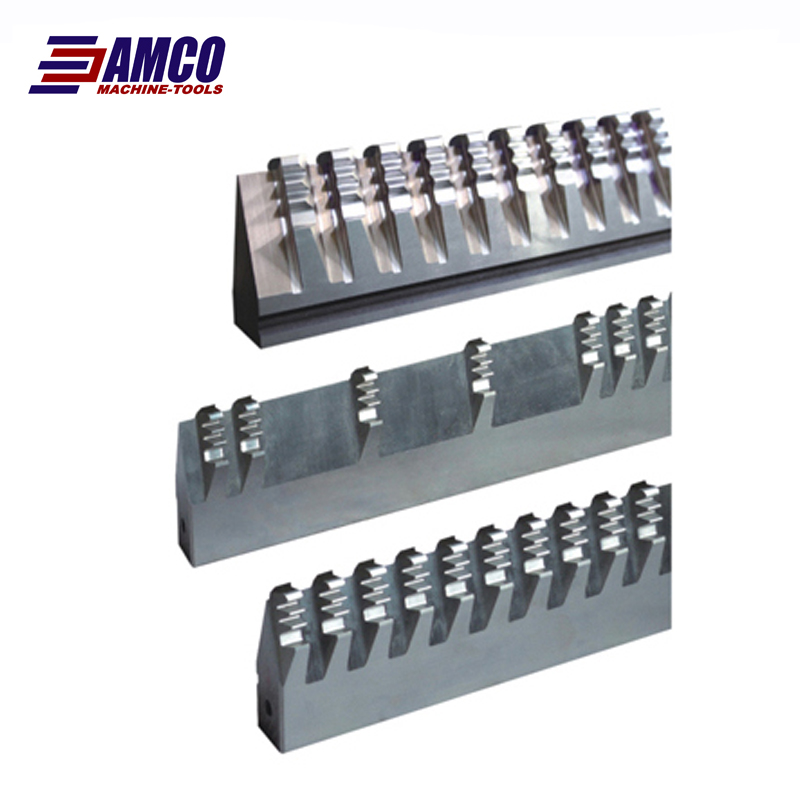
A broach's performance is dictated by its tooth geometry: the pitch, step (rise per tooth), gullet volume, face angle, and clearance angle. If the gullet is too small, chips will pack and break the tool. If the step is too aggressive, the required pulling force will exceed the machine's capacity.
When evaluating a manufacturer, you must assess their CNC profile grinding equipment. High-end broaches require multi-axis CNC grinding machines to ensure consistent pitch and exact back-off angles.
Factory Evaluation Checklist for Broach Manufacturing
- In-house vacuum heat treatment to prevent surface decarburization
- Multi-axis CNC profile grinding capabilities for complex splines
- Optical profile inspection equipment for verifying tooth geometry
- Ability to provide material certifications verifying HSS grade and cobalt content
- Strict runout tolerances (typically under 0.01mm for long broaches)
Conducting comprehensive Factory Audits is highly recommended before placing volume orders, especially for complex helical or spline broaches where the cost of failure is exceptionally high.
Quality Control and Inspection Protocols
Defects in broaches are often invisible to the naked eye. Micro-cracks from improper heat treatment or grinding burns can cause a broach to snap during its first pass.
Implementing rigorous Quality Control & Inspection is non-negotiable. Pre-shipment inspections should include:
- Hardness Testing: Verifying the HRC matches the specification (typically 63-66 HRC for M2/M35).
- Dimensional Checks: Inspecting the pilot diameter, finishing teeth dimensions, and overall length.
- Runout Measurement: Ensuring the broach is perfectly straight to prevent asymmetrical cutting.
- Visual Inspection: Checking under magnification for grinding burns, micro-cracks, or poor coating coverage.
Pricing, MOQs, and Lead Times
Broach pricing is highly dependent on the tool's length, complexity, and material.
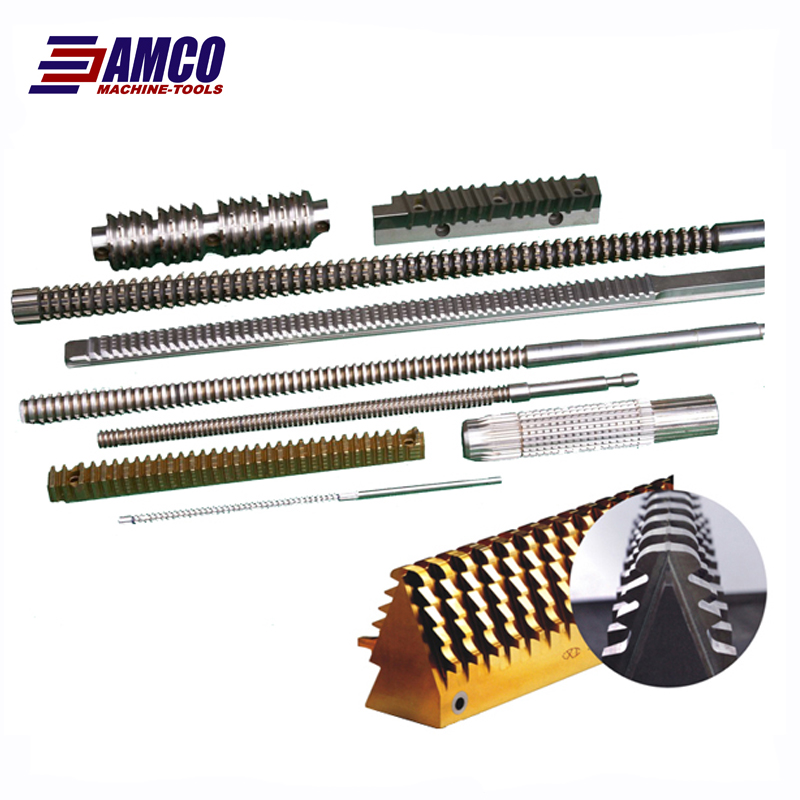
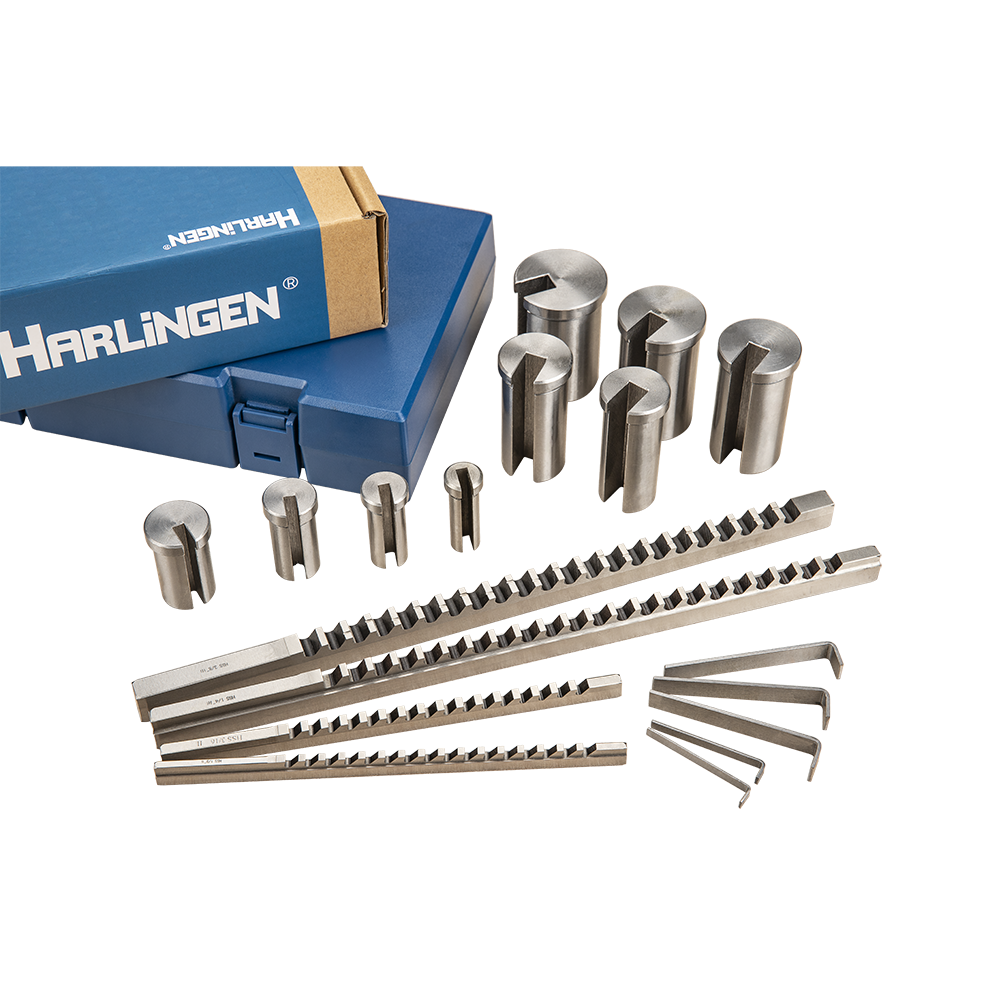
Standard keyway broaches are often stocked or produced in large batches, keeping costs relatively low. However, custom spline, internal gear, or turbine fir-tree broaches require extensive engineering, custom grinding wheels, and longer machining times. For custom orders, expect tooling or setup fees unless ordering in significant volume.
Struggling to balance custom broach tooling costs with production lead times? We can help streamline your supply chain.
Get a free consultationFrequently Asked Questions
Sourcing industrial broaches is an exercise in risk management. The initial unit cost is negligible compared to the value of the components the broach will machine. By partnering with factories that maintain strict control over their metallurgy, heat treatment, and precision grinding, buyers can secure tools that deliver consistent, reliable performance over thousands of passes.
Get Sourcing Help for Broaches
Tell us your requirements and our experts will connect you with verified manufacturers.