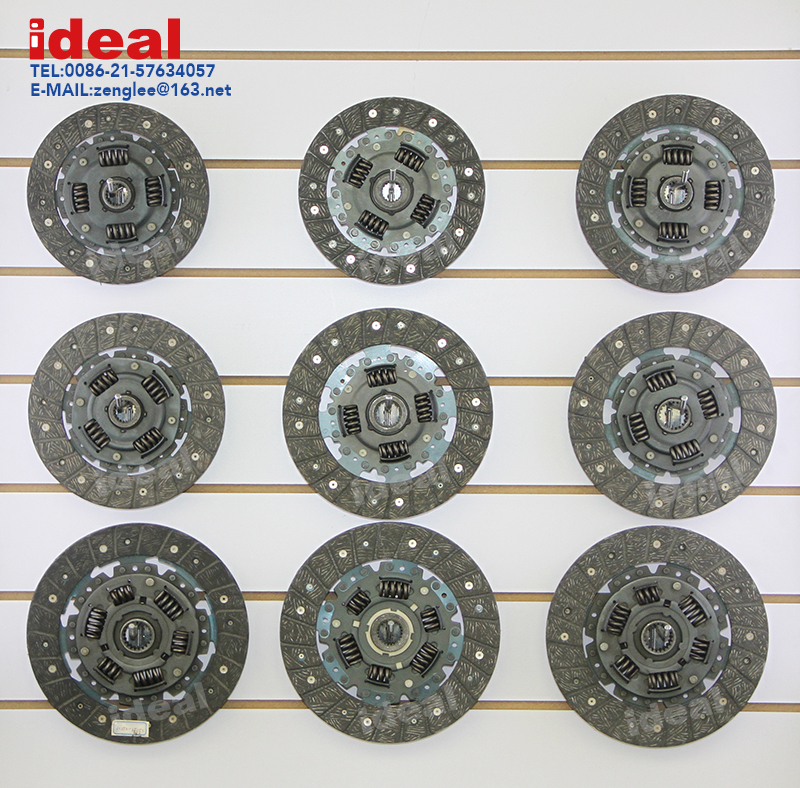
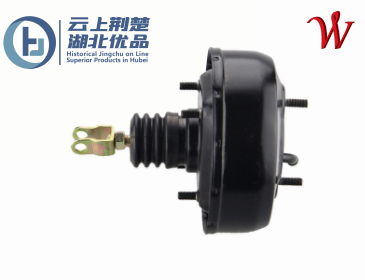
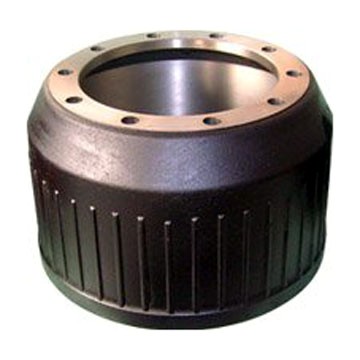
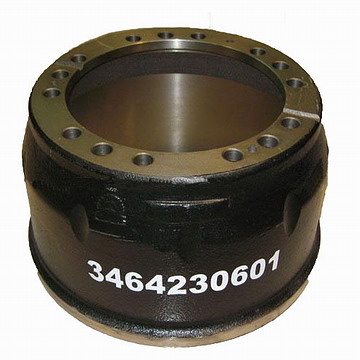
Brakes System and Parts
Source reliable wholesale Brakes System and Parts from vetted suppliers and manufacturers across Asia. Designed for automotive parts importers, distributors, and aftermarket brands, our platform connects you with OEM and private-label production facilities capable of meeting strict international safety and performance standards.
Sourcing brake systems and components in bulk demands rigorous attention to metallurgy, machining tolerances, and friction material formulations. Because these are safety-critical parts, the margin for error is zero. Buyers must navigate complex international safety standards, verify strict quality control protocols at the factory level, and manage the heavy logistics of dense, high-mass shipments.
Specifying Brake Components for Production
When engaging a manufacturer for aftermarket or private-label brake parts, generic specifications will lead to inconsistent performance and potential safety liabilities. You must define exact material grades and machining tolerances upfront.
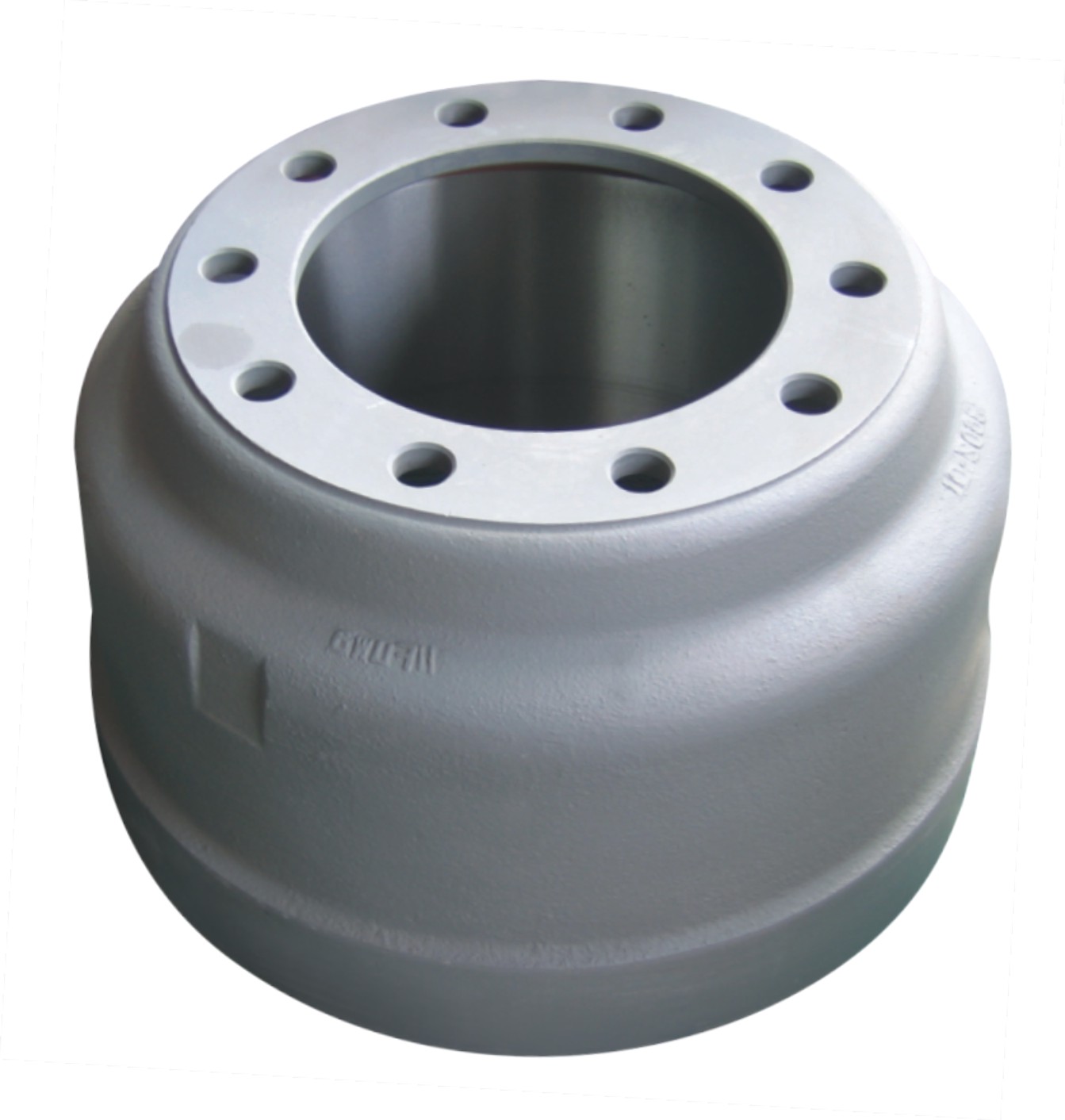
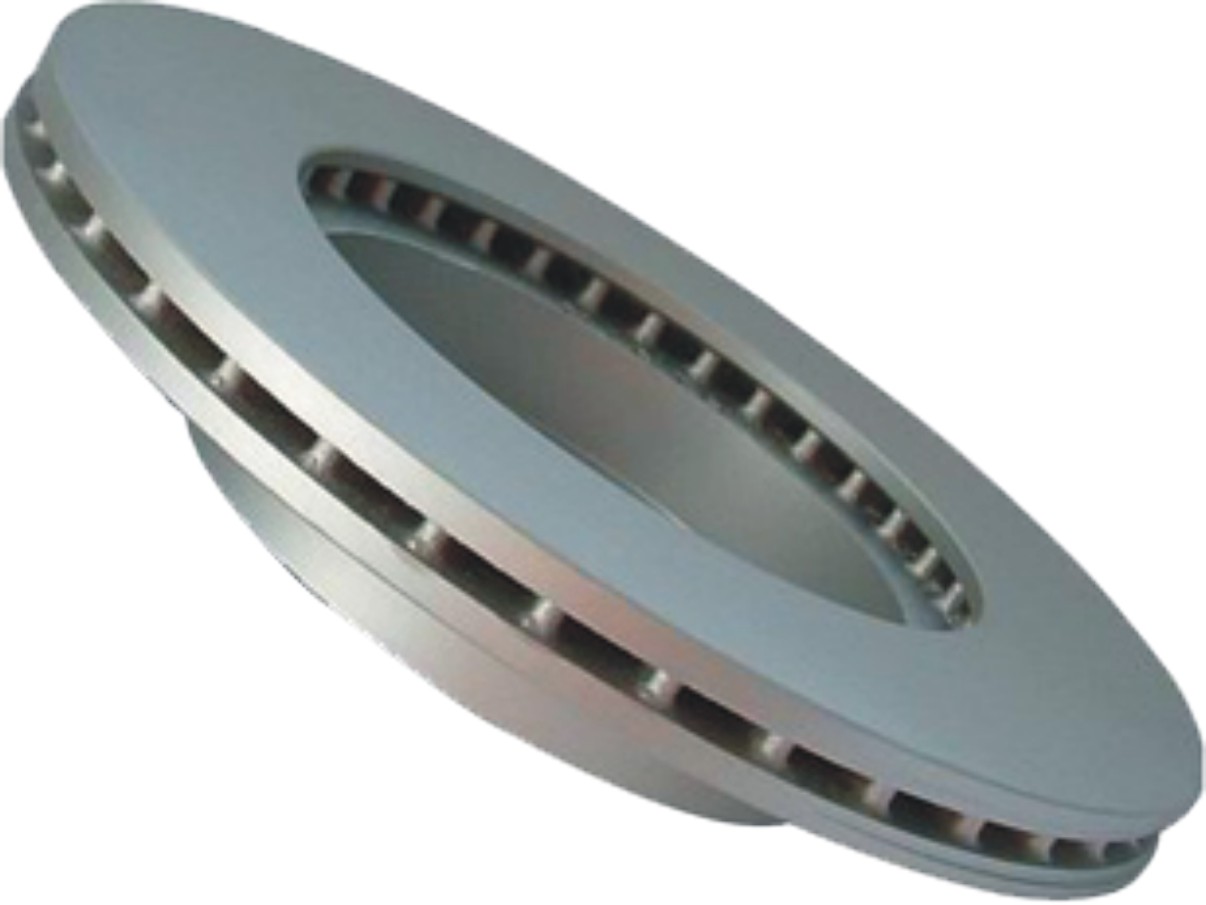
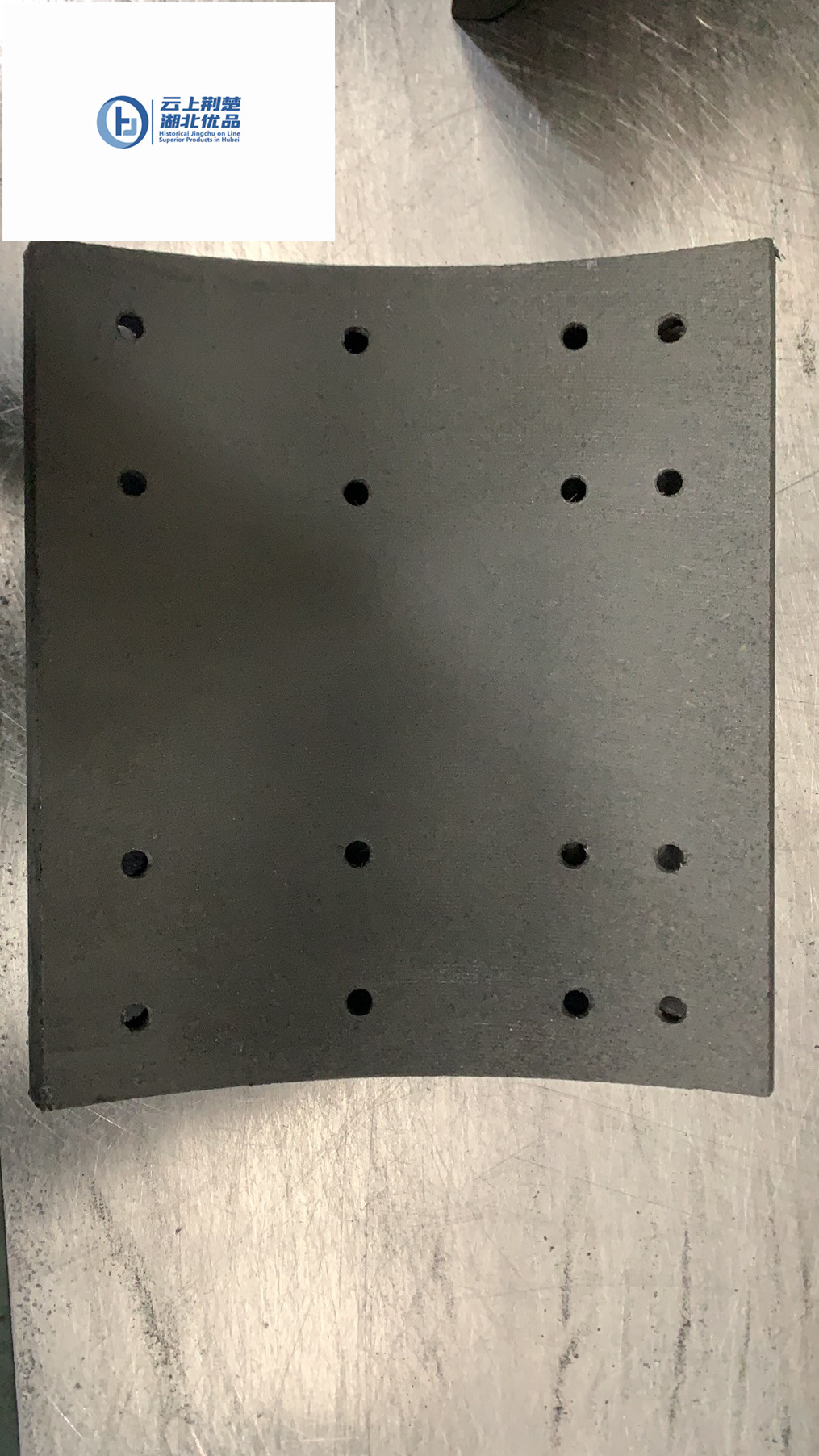
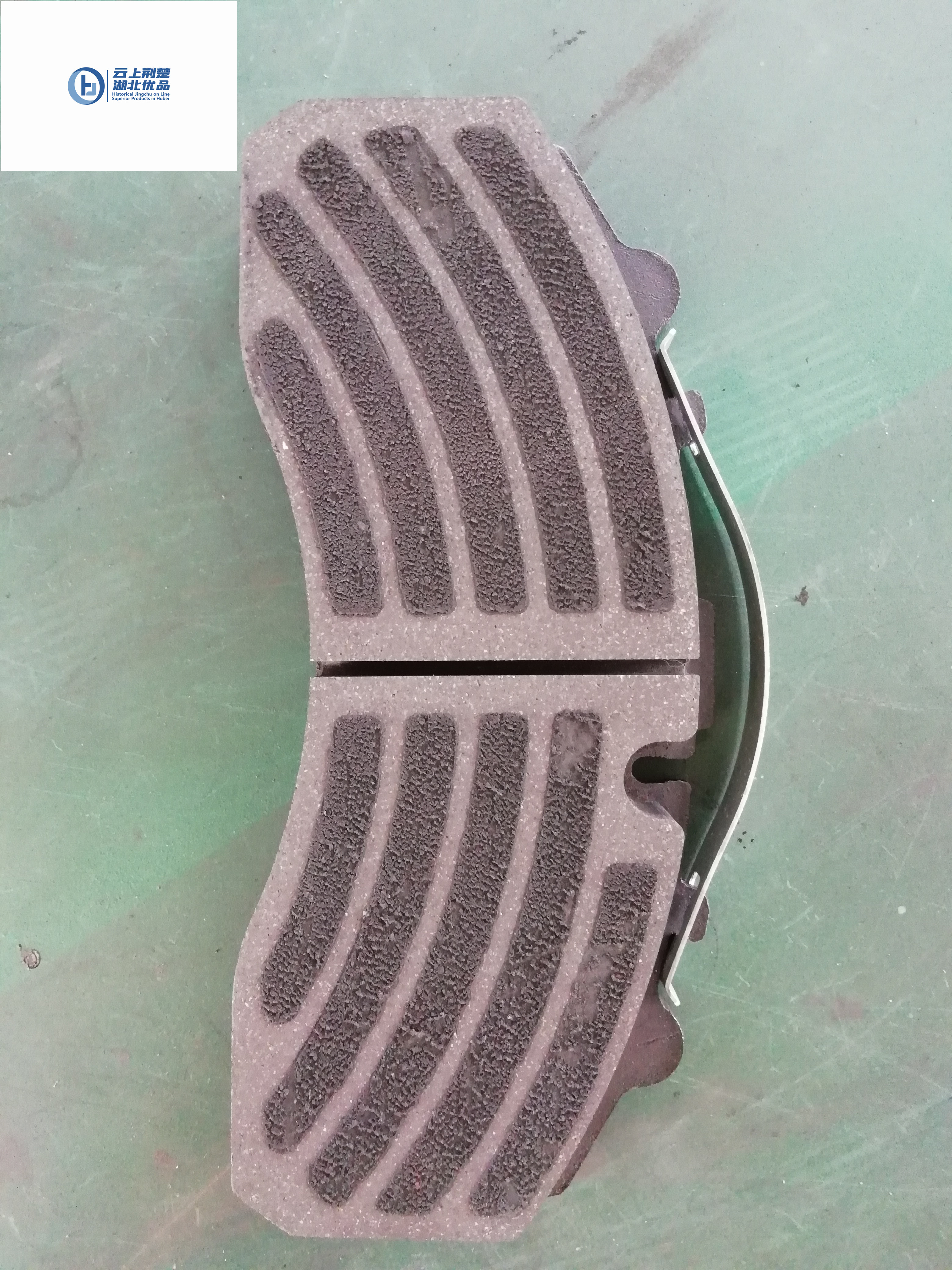
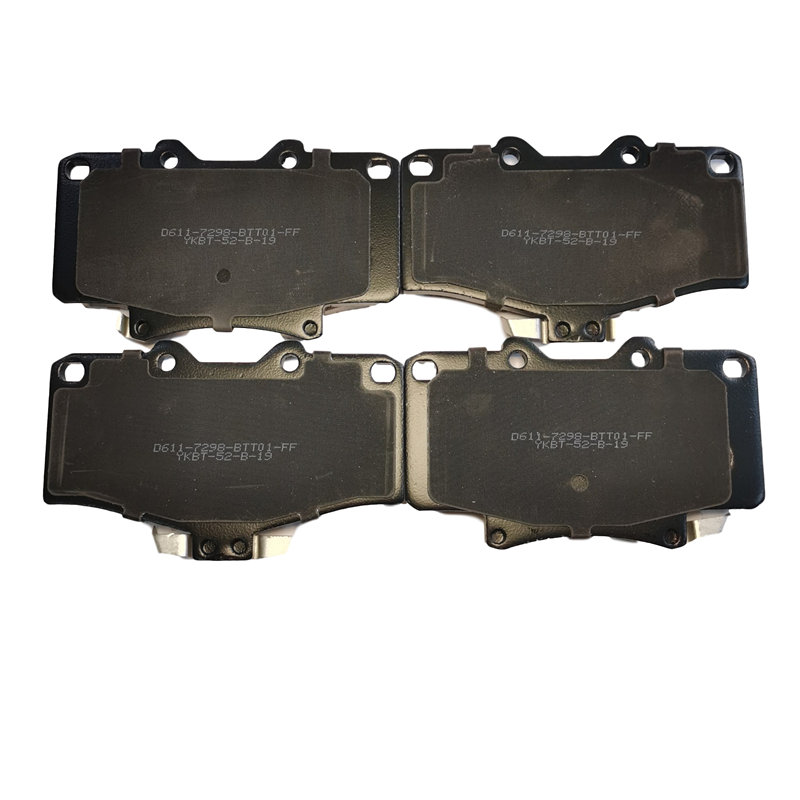
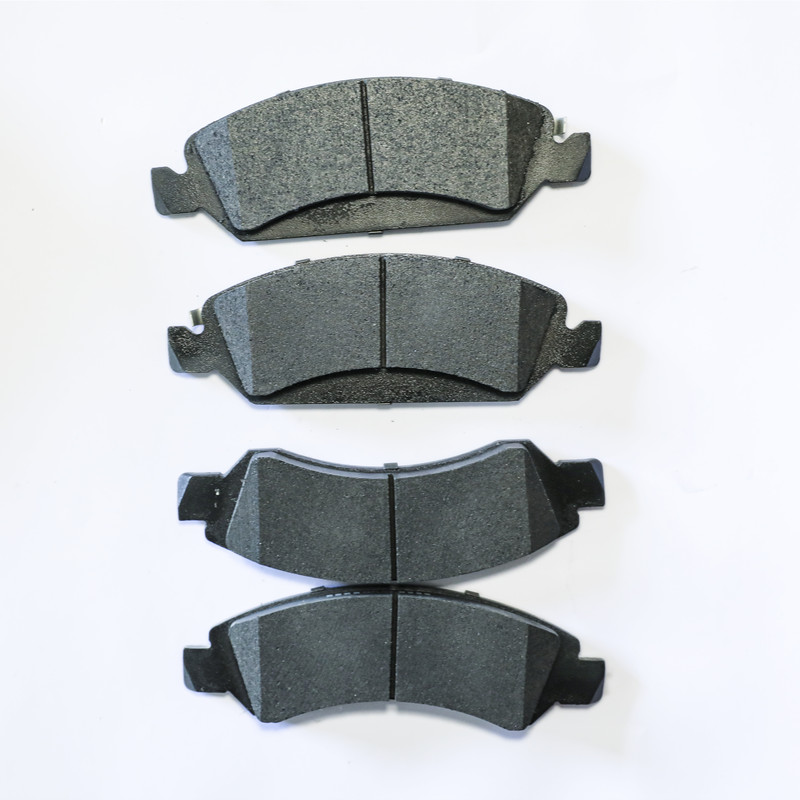
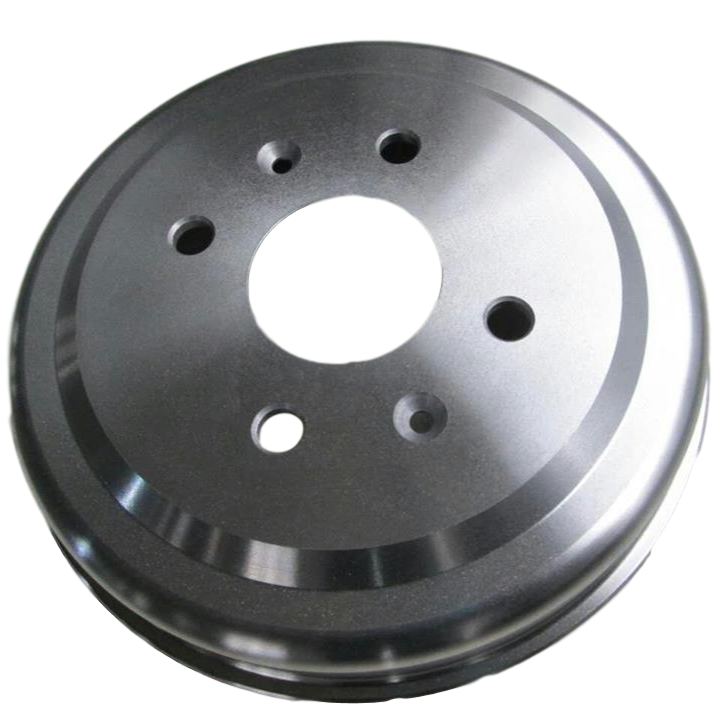
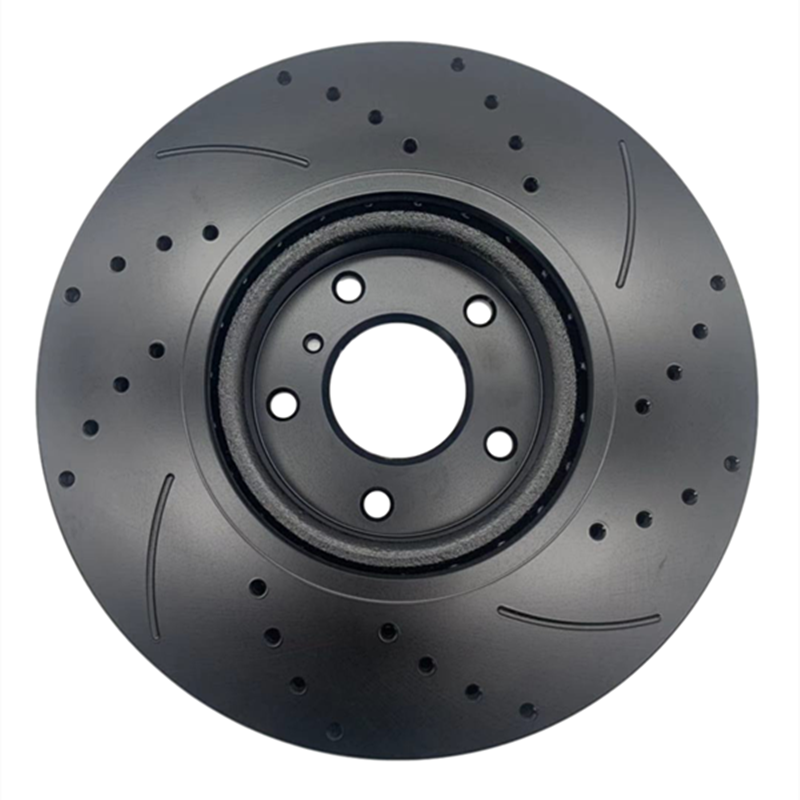
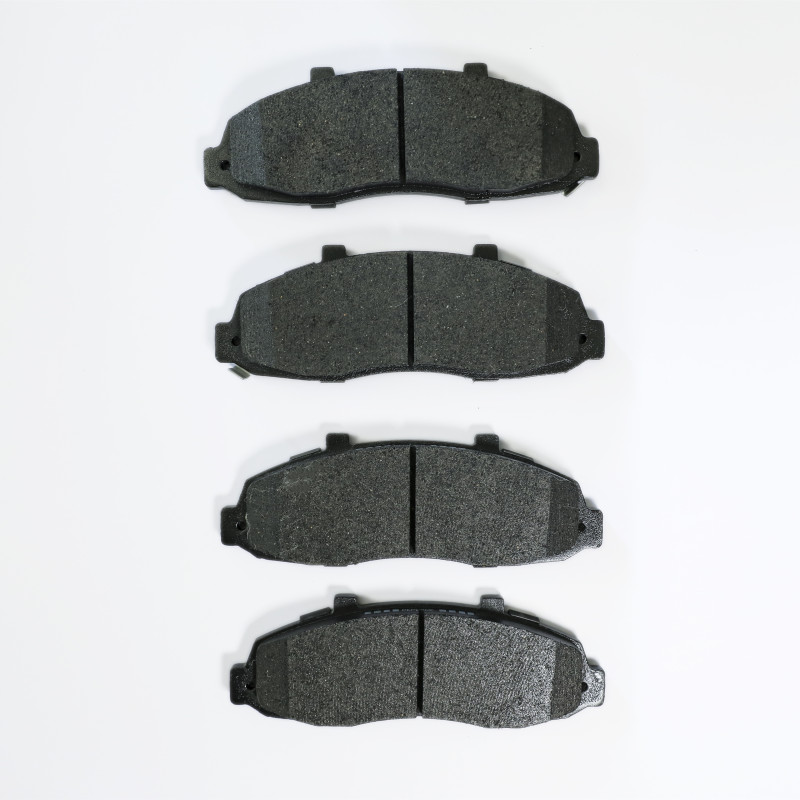
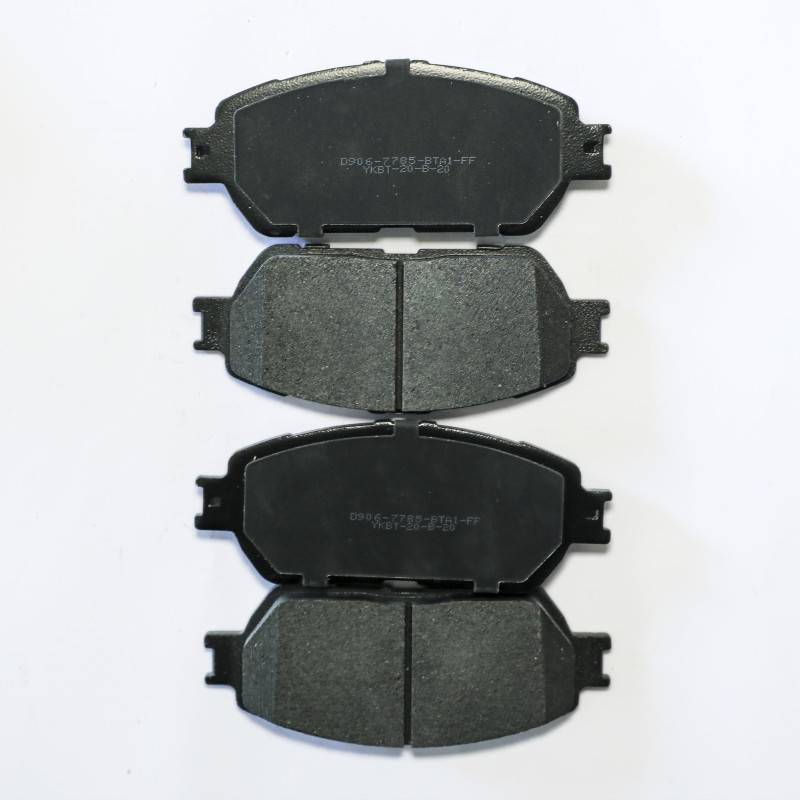
For brake rotors and drums, the industry standard is high-carbon cast iron, typically equivalent to HT250 or G3000 grades. This ensures proper heat dissipation and resistance to warping under thermal stress. For brake pads, the friction material formulation is the primary variable dictating performance, noise, and wear.
| Friction Material | Performance Profile | Typical Target Market |
|---|---|---|
| Semi-Metallic | High heat tolerance, excellent bite, higher dust | Heavy-duty, commercial, and performance vehicles |
| Ceramic | Low dust, quiet operation, stable friction coefficient | Premium passenger vehicles and luxury aftermarket |
| NAO (Non-Asbestos Organic) | Soft engagement, low rotor wear, economical | Standard daily driving and budget aftermarket |
If you are developing a proprietary friction formulation or launching a specific aftermarket brand, utilizing experienced OEM/ODM Services ensures your exact material specs and branding requirements are accurately translated to the production line.
Navigating strict automotive safety standards and supplier verification?
Get a free consultationManufacturing Quality and Tolerances
Brake manufacturing involves heavy industrial processes—foundry casting, precision CNC machining, and specialized curing. Quality is won or lost in the details of these processes.
For rotors, casting porosity is a common defect that compromises structural integrity. Machining precision is equally critical; lateral runout must typically be kept under 0.05mm to prevent brake judder, and dynamic balancing is required to ensure smooth operation at high rotational speeds.
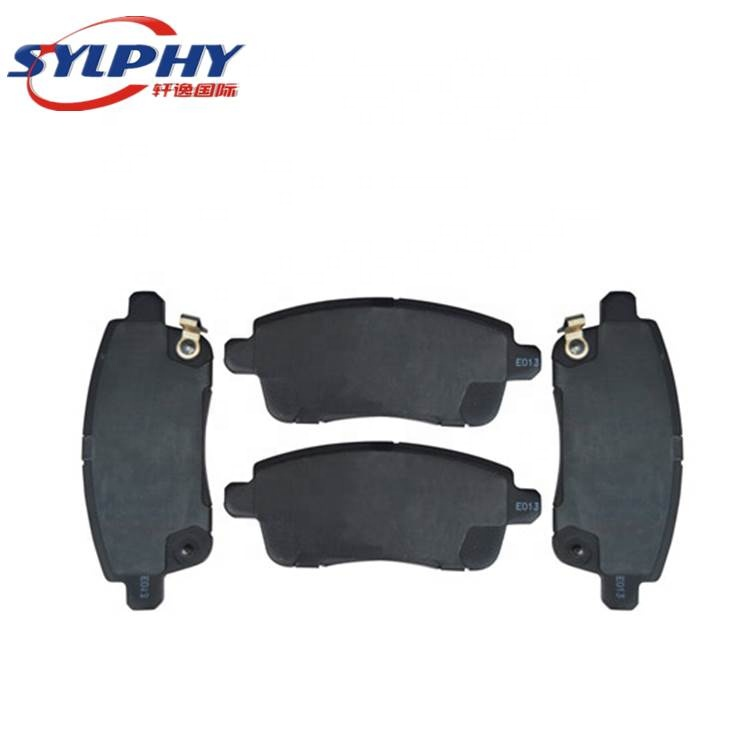
For brake pads, the critical failure point is often the bond between the friction material and the backing plate. Factories must utilize high-quality adhesives and controlled curing processes (often involving positive molding) to ensure high shear strength.
Critical Inspection Points for Brake Components
- Verify rotor lateral runout and thickness variation (DTV) are within specified micro-tolerances.
- Check dynamic balancing weights and mill-cuts on vented rotors.
- Perform shear strength testing on brake pads to ensure friction material bonding.
- Inspect anti-noise shim placement and adhesive integrity.
- Confirm anti-corrosion coatings (e.g., Geomet or zinc plating) meet salt-spray test requirements.
Because these are life-safety components, relying solely on final inspection is risky. Implementing comprehensive Quality Control & Inspection during production, combined with thorough Factory Audits prior to order placement, is essential to verify that the supplier maintains active IATF 16949 certification and robust internal testing labs.
Pricing, MOQs, and Lead Times
The economics of sourcing brake parts are heavily influenced by raw material costs (steel and iron indices), factory tooling, and the sheer weight of the finished goods.
Manufacturers typically require MOQs per specific part reference to justify the setup time on CNC machines or the batch mixing of friction materials. If you require a new application that the factory does not currently produce, expect tooling and mold fees, though these are often amortized or refunded after a certain volume threshold is met.
Need to consolidate references and optimize your automotive supply chain?
Talk to our teamFrequently Asked Questions
Successful procurement in the brake category requires strict adherence to technical specifications and a zero-tolerance approach to quality fade. By partnering with audited facilities and utilizing rigorous Compliance & Testing protocols, buyers can build a resilient, high-margin aftermarket supply chain.
Get Sourcing Help for Brakes System and Parts
Tell us your requirements and our experts will connect you with verified manufacturers.