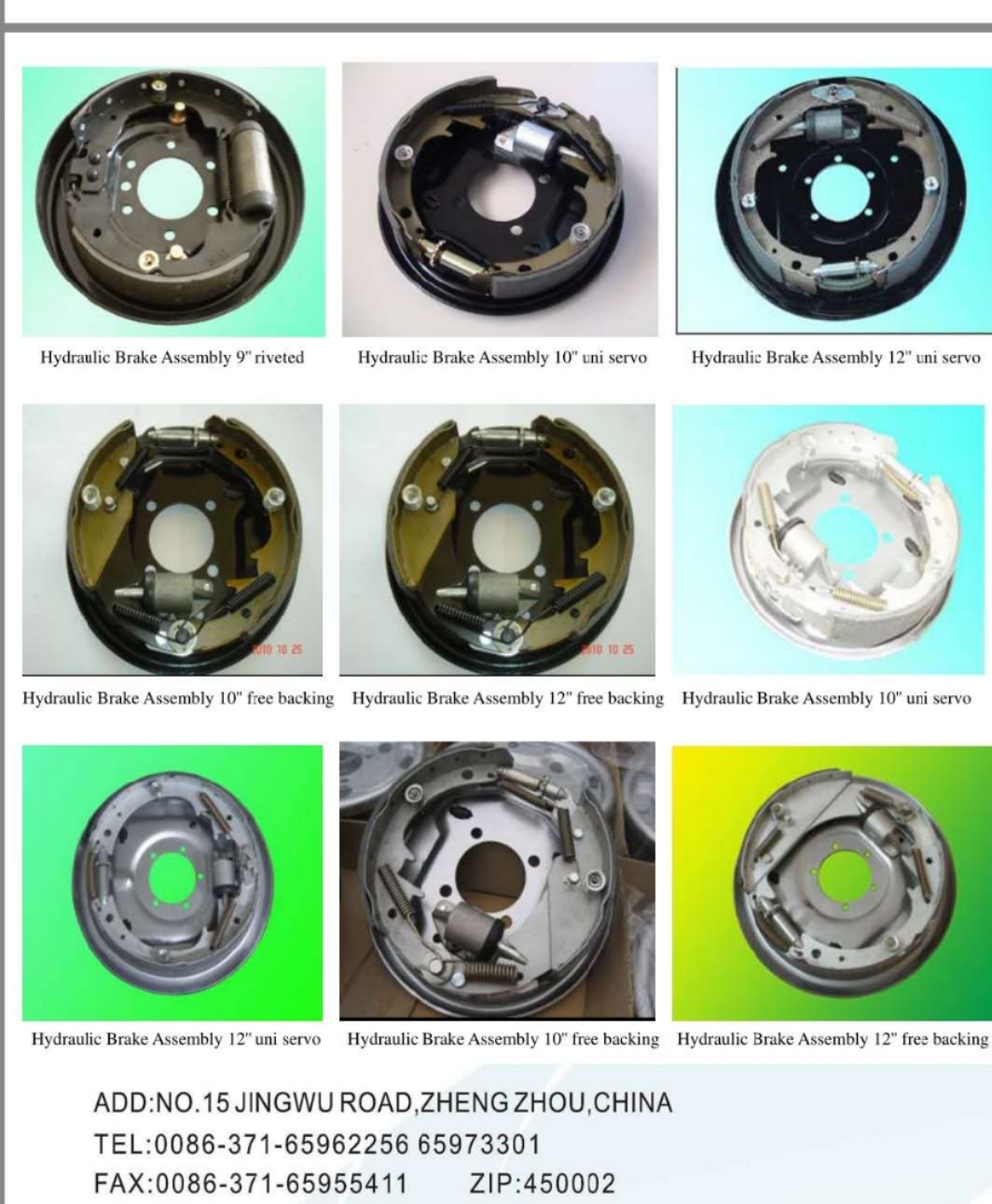
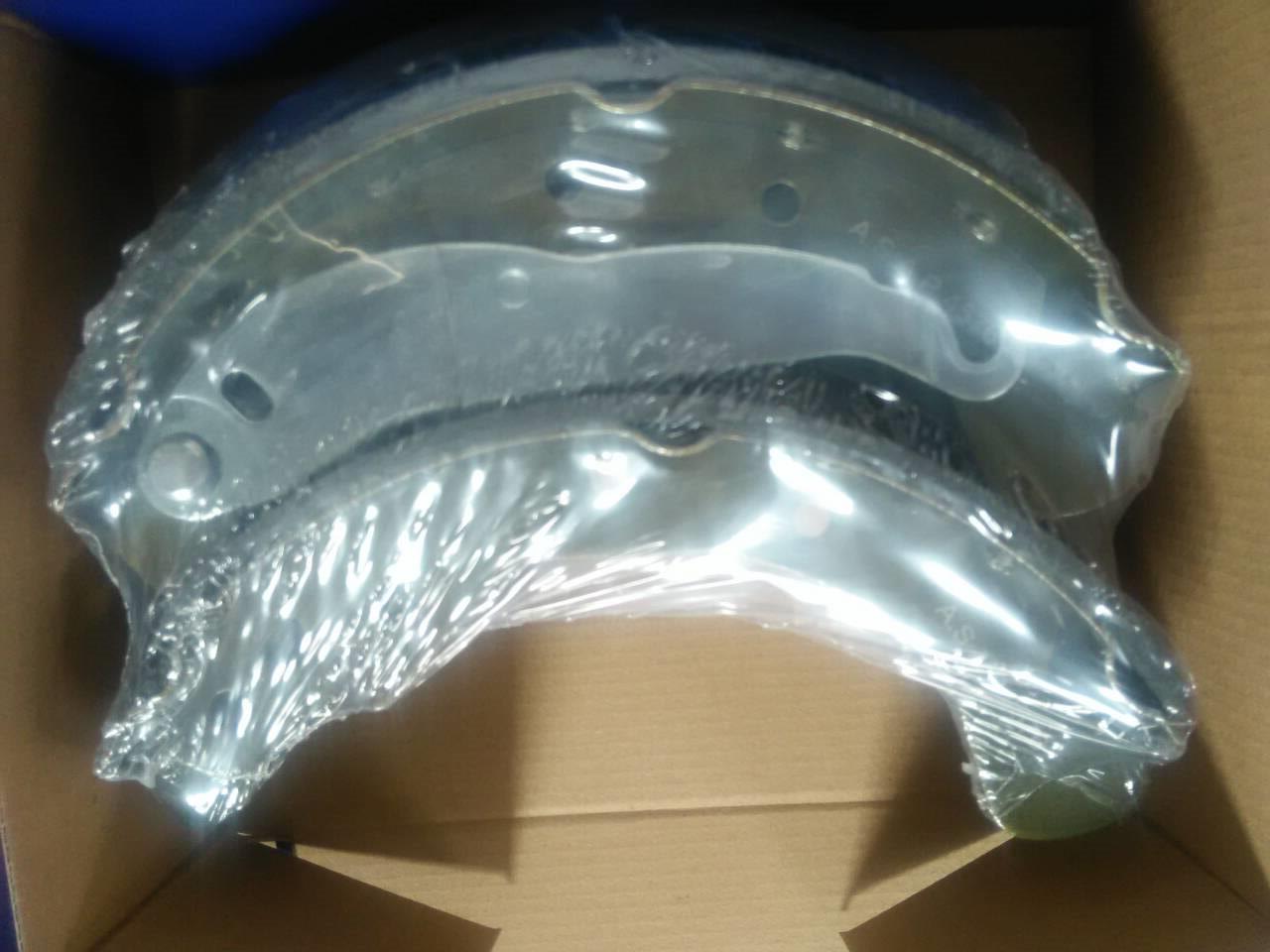
Brake Shoes
Source premium wholesale brake shoes directly from vetted manufacturers and suppliers. Designed for automotive parts importers, distributors, and brands seeking reliable OEM and private-label production, our network delivers high-volume brake components built for durability, friction stability, and strict market compliance.
Sourcing automotive brake shoes at scale requires balancing friction stability, noise reduction, and long-term durability under extreme thermal loads. Because these are safety-critical components, securing consistent quality across high-volume production runs means looking beyond unit costs. Serious buyers must rigorously evaluate a manufacturer's steel stamping precision, adhesive application processes, and friction material formulations before committing to a supply chain.
Friction Material Formulations and Specifications
The core of any brake shoe is its friction lining. Manufacturers formulate these compounds to meet specific vehicle weight classes, operating environments, and regulatory standards. Specifying the wrong material for your target market leads to excessive noise, premature drum wear, or dangerous brake fade.
| Material Type | Friction Coefficient (Typical) | Thermal Fade Resistance | Primary Application |
|---|---|---|---|
| Semi-Metallic | 0.35 to 0.45 | Excellent | Heavy-duty commercial, fleet vehicles |
| NAO (Non-Asbestos Organic) | 0.30 to 0.40 | Moderate | Standard passenger vehicles, low-noise requirements |
| Ceramic / Low-Metallic | 0.35 to 0.42 | High | Premium aftermarket, minimal dust applications |
When establishing specifications with a factory, ensure they can provide dynamometer test results for their specific formulations. Consistency across batches is critical; minor variations in the resin binder or metal fibers can drastically alter the stopping distance.
Need to match an exact OEM friction formulation? We work directly with specialized manufacturers to develop, test, and verify custom brake shoe compounds for your specific market requirements.
Talk to our teamManufacturing Processes and Quality Control
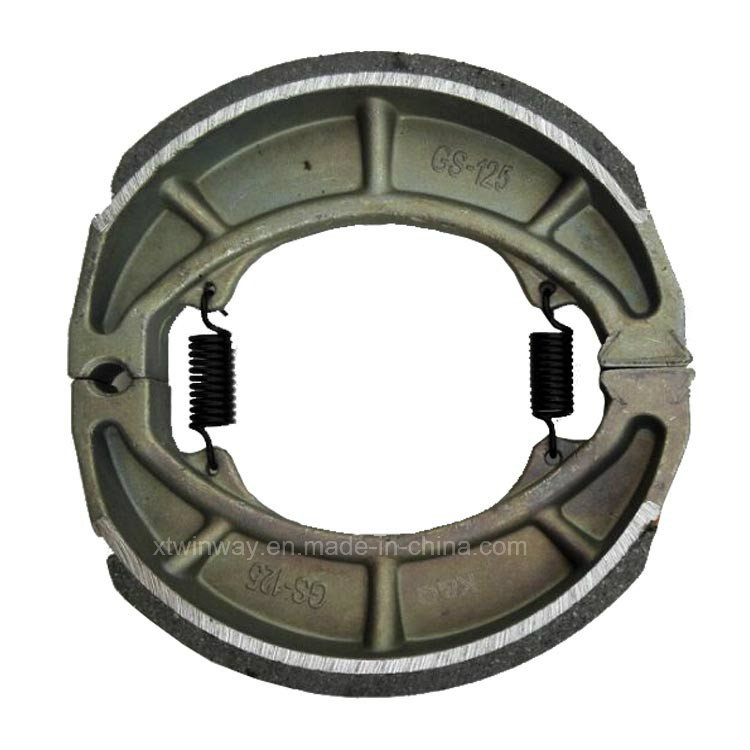
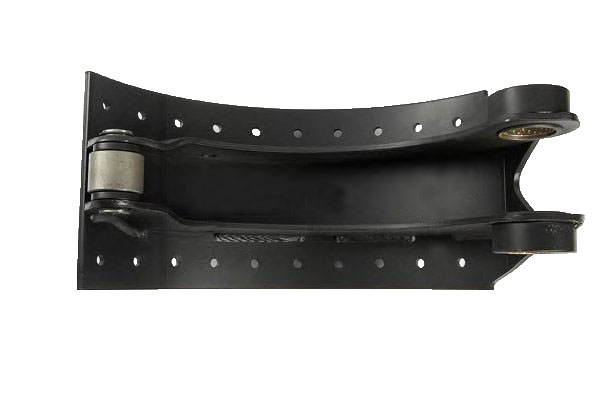
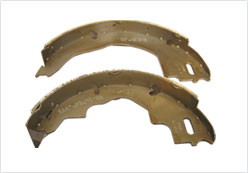
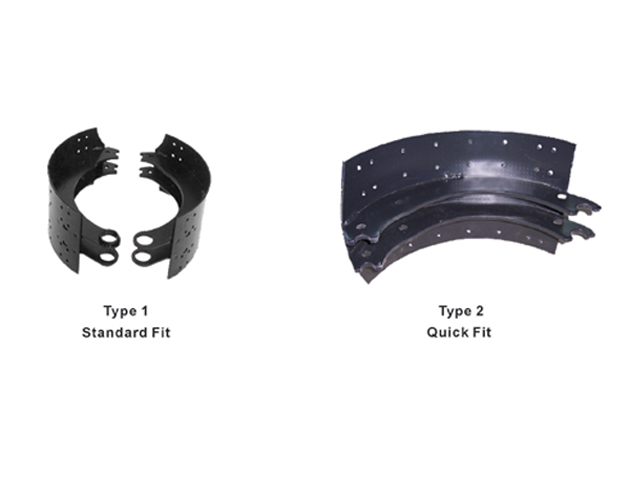
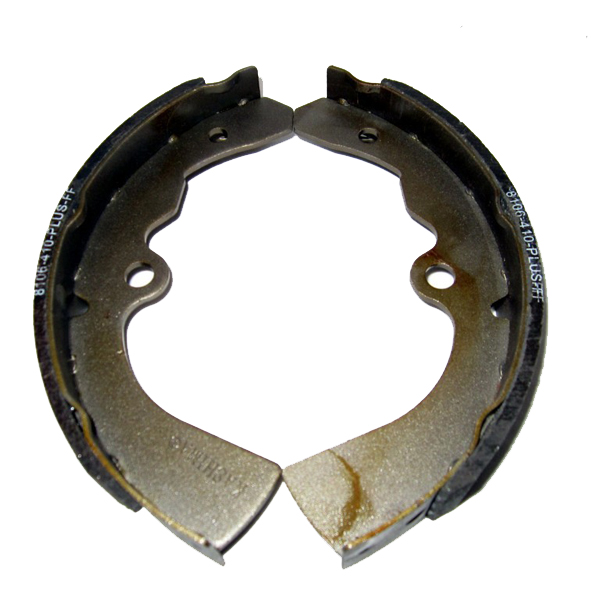
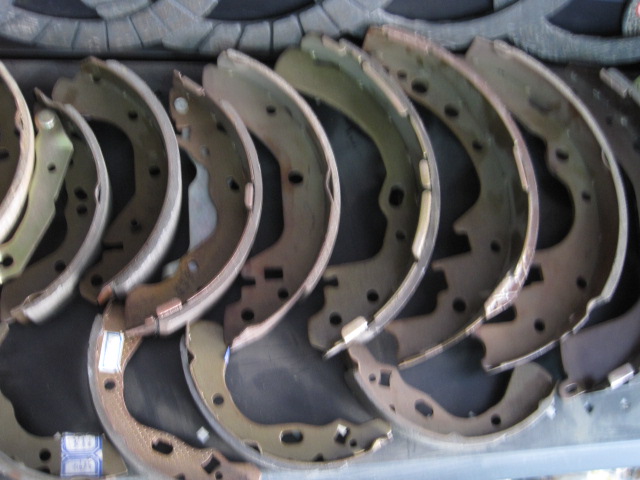
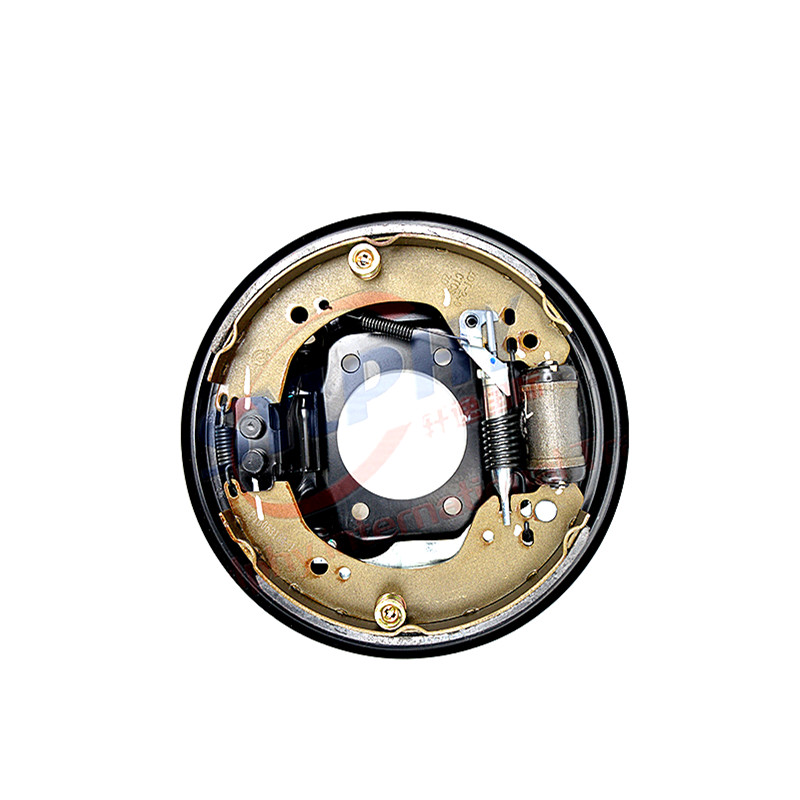
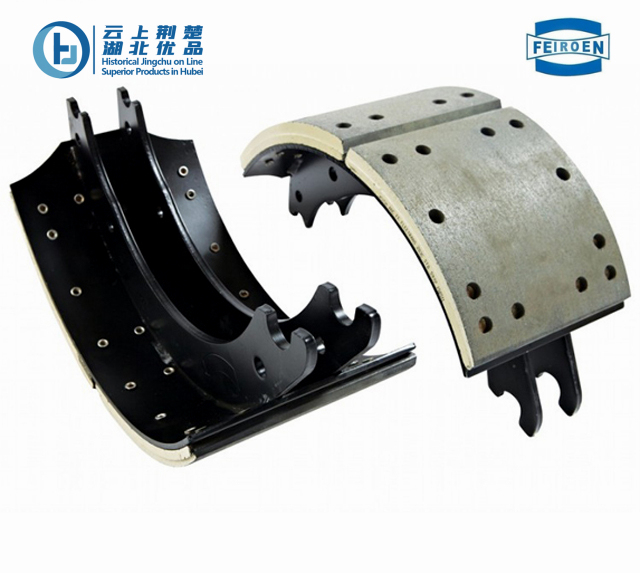
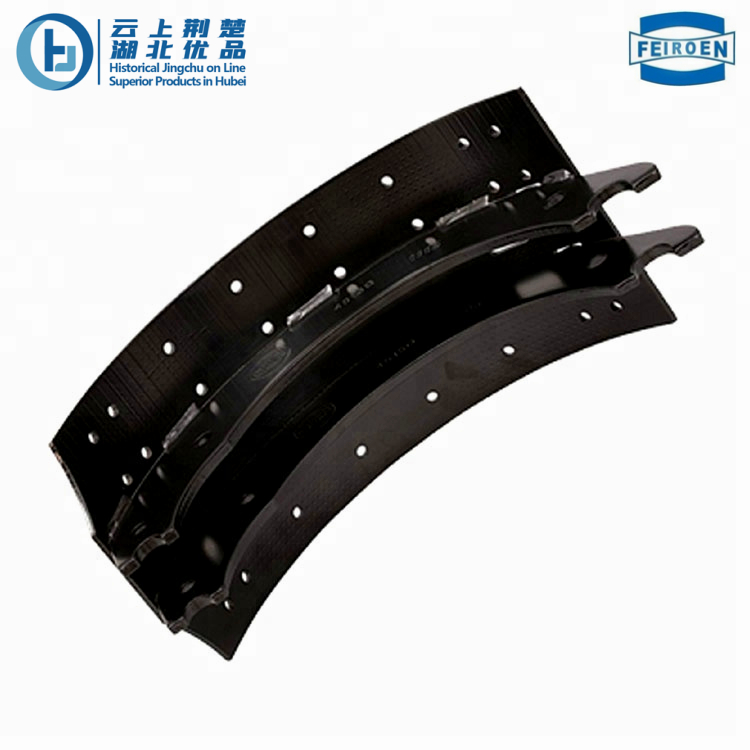
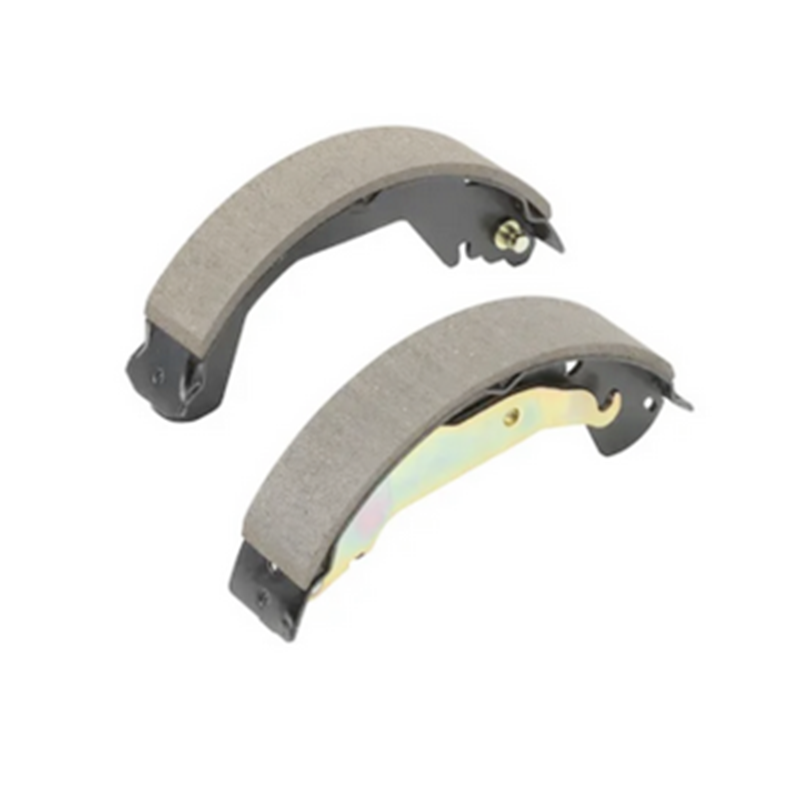
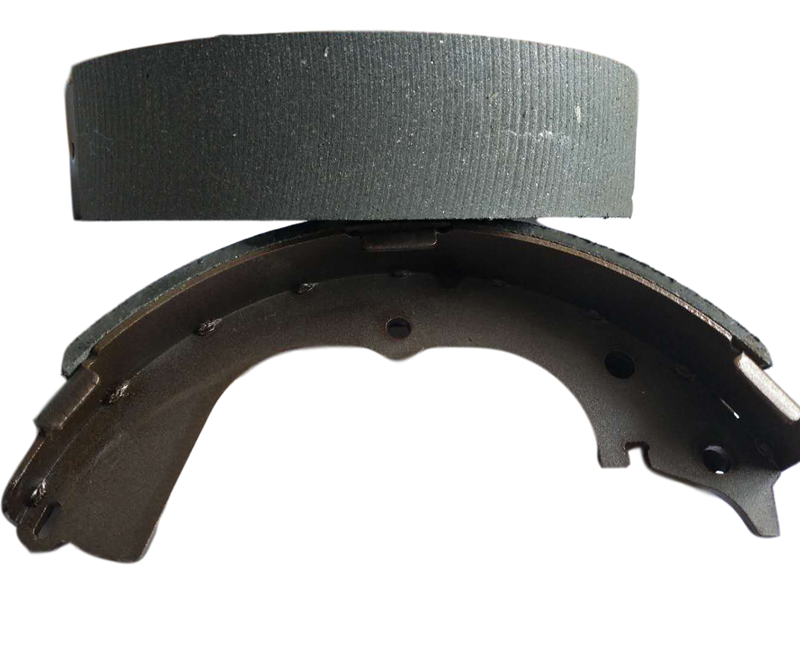
The physical construction of the brake shoe—how the steel core is formed and how the friction material is attached—dictates its structural integrity. The majority of modern passenger vehicle brake shoes utilize bonded linings, while heavy-duty commercial shoes often rely on riveted linings to withstand extreme mechanical shear forces.
The Bonding Process
For bonded shoes, the quality of the adhesive and the curing process is paramount. If the steel shoe is not properly shot-blasted and cleaned, or if the curing oven temperature fluctuates, the lining can separate from the metal under hard braking.
To mitigate these risks, implementing strict Quality Control & Inspection protocols at the factory level is essential.
Critical Factory-Level QC Checks for Brake Shoes
- Shear Strength Testing: Ensuring the bond strength exceeds minimum regulatory requirements (e.g., ECE R90 standard).
- Dimensional Accuracy: Verifying the arc radius of the shoe matches the drum exactly to prevent uneven wear.
- Surface Grinding: Checking that the friction material is ground to the correct thickness and profile.
- Corrosion Protection: Confirming the steel core is properly treated (powder-coated or painted) to resist rust.
For markets requiring specific certifications, such as the European Union, you must ensure your supplier can support Compliance & Testing for standards like ECE R90. This requires the factory to maintain strict batch traceability and consistent manufacturing tolerances.
Supplier Vetting and Sourcing Regions
China is a global hub for automotive friction materials, with major production clusters located in Hebei and Shandong provinces. However, the capability gap between a premium OEM-level supplier and a lower-tier aftermarket factory is vast.
Relying solely on a supplier's Alibaba profile is risky for safety components. Conducting thorough Factory Audits is the only reliable way to verify their stamping capabilities, automated adhesive application lines, and internal testing laboratories (such as in-house Krauss friction testing machines).
Pricing, MOQs, and Lead Times
Brake shoe pricing is heavily influenced by the cost of raw steel, the specific friction material formulation, and the volume of the order. Because factories must set up stamping dies and mix specific friction batches, MOQs are strictly enforced.
If you are developing proprietary designs or require custom backing plates, OEM/ODM Services will involve upfront tooling costs. Factories typically amortize these costs or refund the tooling fee once a specific cumulative order volume is reached.
Managing multiple SKUs, ECE R90 compliance, and complex tooling requirements? We streamline factory communication, quality control, and logistics for high-volume automotive parts buyers.
Get a free consultationFrequently Asked Questions
Sourcing brake shoes successfully requires a deep understanding of friction formulations, rigorous factory auditing, and uncompromising quality control. By partnering with experienced sourcing professionals, you can secure reliable, compliant, and competitively priced brake components that protect your brand's reputation and your customers' safety.
Get Sourcing Help for Brake Shoes
Tell us your requirements and our experts will connect you with verified manufacturers.