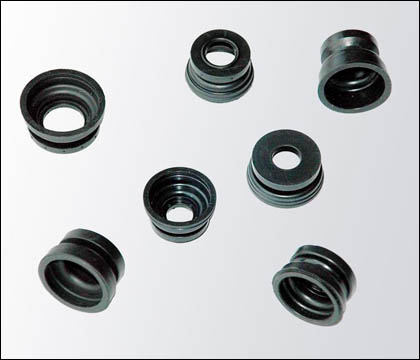
Brake Repair Kits
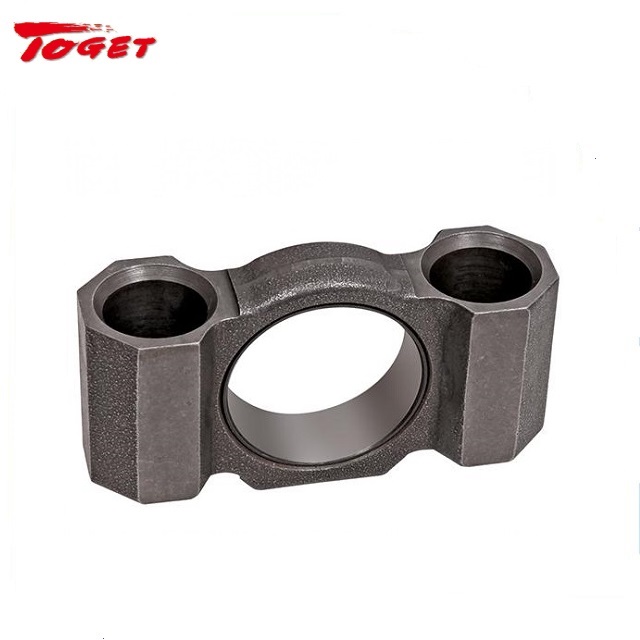
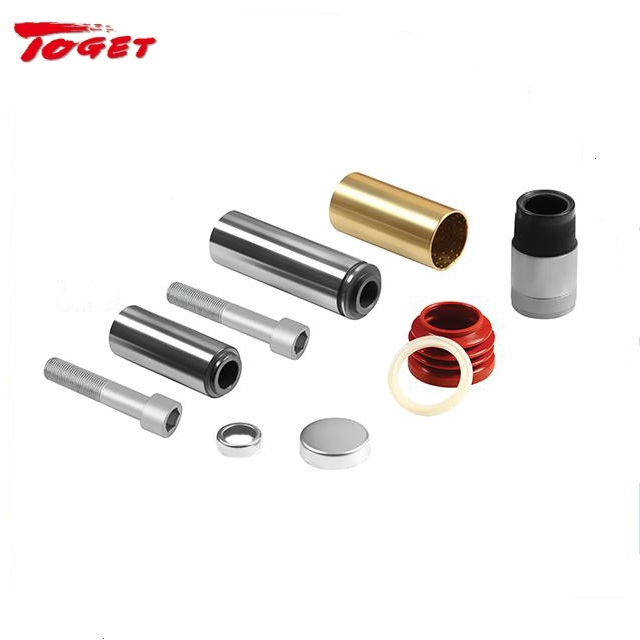
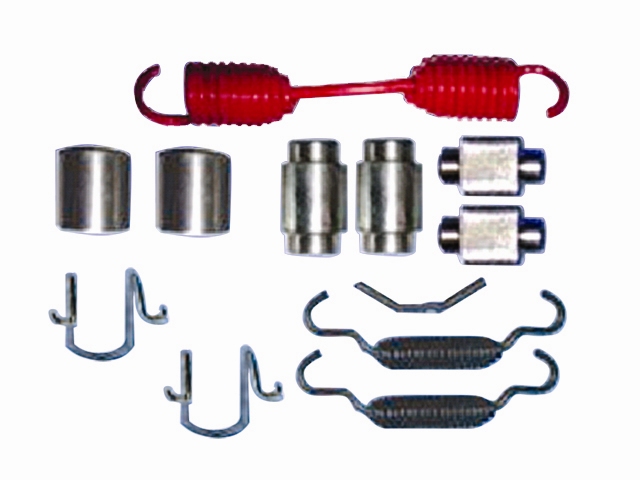
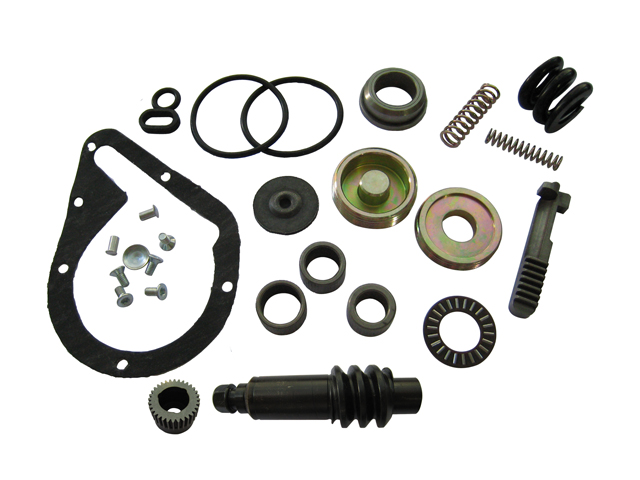
Source wholesale brake repair kits directly from vetted manufacturers. This category serves importers, automotive parts distributors, and brands requiring reliable OEM production. Find high-quality caliper, cylinder, and hardware rebuild kits engineered for consistent performance and safety.
Sourcing brake repair kits requires strict attention to material specifications, dimensional tolerances, and rubber compounding. A kit is only as good as its weakest seal or boot; premature failure of a single EPDM component compromises the entire braking system. For volume buyers, the challenge lies in verifying that a supplier's rubber formulations and metal treatments consistently meet automotive safety standards across large production runs, rather than just passing the initial sample evaluation.
Key Specifications and Material Requirements
When evaluating manufacturers, you must define exact specifications for both the rubber components (seals, boots, O-rings) and the metal hardware (guide pins, pistons, bleeder screws).
Rubber Formulations
Brake fluid compatibility is non-negotiable. Components must resist swelling, hardening, or degrading when exposed to DOT 3, DOT 4, or DOT 5.1 fluids.
- EPDM (Ethylene Propylene Diene Monomer): The standard for components in direct contact with glycol-based brake fluids. Look for high-grade EPDM with low compression set to ensure long-term sealing under high pressure and temperature cycling.
- SBR (Styrene-Butadiene Rubber): Often used for external dust boots where fluid contact is minimal, but high flexibility and weather resistance are required.
- Silicone: Used in specific applications, particularly where DOT 5 (silicone-based) fluid is specified, though less common in standard passenger vehicle kits.
Need help verifying a factory's rubber compounding capabilities? We can arrange technical audits to ensure they meet your specifications.
Talk to our teamMetal Hardware and Surface Treatment
Guide pins and pistons must operate smoothly without binding or corroding.
- Material: High-carbon steel or specific stainless steel alloys (e.g., 304 or 316) for pistons to prevent pitting.
- Plating/Coating: Hard chrome plating on pistons is essential for wear resistance and smooth operation against the rubber seals. Zinc plating (often with clear or yellow chromate passivation) or specialized anti-corrosion coatings (like Geomet or Dacromet) are required for guide pins and bleeder screws to withstand harsh undercarriage environments and road salt.
Manufacturing Quality and Common Defects
The difference between a reliable kit and a liability often comes down to the manufacturer's quality control during the molding and machining processes.
Critical Inspection Points for Brake Kits
- Dimensional accuracy of seal grooves and piston diameters (tolerances often within 0.01mm).
- Flash removal on rubber seals: Excess flash on the sealing lip will cause immediate fluid leaks.
- Surface finish of metal components: Roughness average (Ra) on pistons must be strictly controlled to prevent seal wear.
- Hardness testing (Shore A) for rubber components to ensure correct elasticity and compression set.
- Plating thickness and adhesion on metal hardware to guarantee corrosion resistance.
Relying solely on factory self-reporting is risky. Implementing independent pre-shipment inspections is standard practice for professional buyers to catch dimensional or material deviations before the goods leave the country of origin.
Pricing, MOQs, and Lead Times
Brake repair kits are typically high-volume, low-margin items where economies of scale are significant.
Pricing is heavily dependent on the complexity of the kit (e.g., a simple caliper seal kit versus a comprehensive rebuild kit with pistons and guide pins) and the raw material costs for high-grade EPDM and steel. Buyers looking to consolidate multiple SKUs into a single brand line often utilize OEM/ODM services to manage packaging and branding efficiently across a wide range of vehicle applications.
Managing hundreds of SKUs and multiple suppliers? Let us streamline your supply chain and handle the factory negotiations.
Get a free consultationSuccessfully sourcing brake repair kits requires balancing competitive pricing with uncompromising material standards. By strictly defining rubber formulations, mandating rigorous dimensional checks, and verifying factory capabilities, you can build a reliable supply chain for these critical safety components.
Get Sourcing Help for Brake Repair Kits
Tell us your requirements and our experts will connect you with verified manufacturers.